
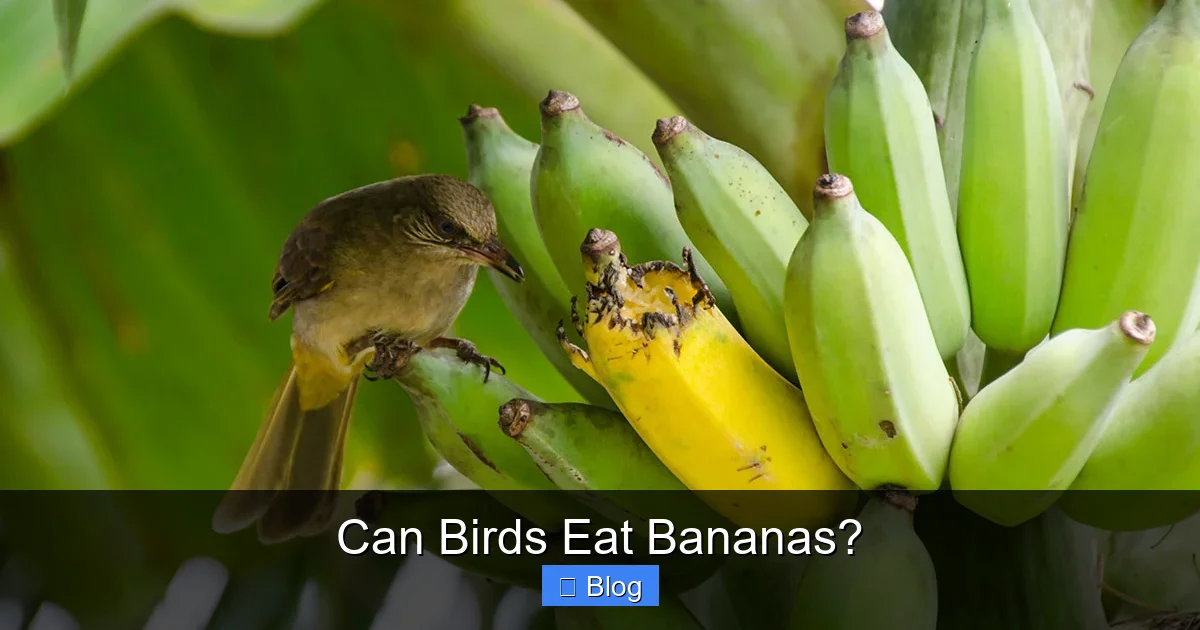
Yes, birds can eat bananas, but only in moderation and prepared correctly. Bananas offer valuable vitamins, minerals, and an energy boost, but their high sugar content makes them best as an occasional treat rather than a diet staple. Always peel bananas, cut them into small, manageable pieces, and avoid overfeeding to ensure your feathered friends enjoy them safely.
Can Birds Eat Bananas? A Sweet Treat for Your Feathered Friends (With Caution!)
It’s a common question that pops into the minds of many bird lovers and backyard enthusiasts: “Can birds eat bananas?” You’re enjoying a healthy snack, and your feathered friend gives you that adorable, curious stare. Naturally, you wonder if sharing a bite of that sweet, yellow fruit would be a good idea. The good news is, for the most part, yes, birds can eat bananas! However, like many things in life, there’s a little more to it than just tossing them a chunk.
Feeding your pet bird or the wild birds in your backyard requires a good understanding of what’s safe, nutritious, and what might cause harm. While bananas are packed with wholesome goodness for humans, a bird’s digestive system and dietary needs are quite different. So, before you offer up that slice, let’s peel back the layers and discover the best way to safely and responsibly share this popular fruit with your avian companions. We’ll explore the benefits, potential risks, and the best practices for introducing bananas into their diet.
Key Takeaways
- Yes, in Moderation: Bananas are generally safe for birds but should only be offered as an occasional treat due to their high sugar content.
- Nutrient Benefits: Bananas provide essential vitamins (B6, C), minerals (potassium, magnesium), and fiber, contributing to a bird’s overall health.
- High Sugar Content: The primary concern with bananas is their natural sugars, which can lead to weight gain or digestive issues if consumed excessively.
- Proper Preparation is Key: Always peel the banana completely and cut it into very small, bite-sized pieces to prevent choking and ensure easy consumption.
- Avoid the Peel: Banana peels can harbor pesticides and are difficult for birds to digest, so they should never be offered.
- Observe Your Bird: Introduce bananas slowly and monitor your bird’s reaction. Some birds may love them, while others might show no interest.
- Fresh is Best: Always offer fresh, ripe bananas. Avoid dried bananas with added sugars or preservatives, or those that show signs of spoilage.
Quick Answers to Common Questions
Can birds eat banana peels?
No, birds should not eat banana peels. Peels are difficult for birds to digest, and they can contain harmful pesticide residues.
Are bananas good for birds?
Yes, in moderation, bananas are good for birds as they provide vitamins (C, B6), minerals (potassium, magnesium), and fiber, offering an energy boost and supporting overall health.
How often can I give my bird banana?
Bananas should be given sparingly, as an occasional treat. For pet birds, a few small pieces 1-2 times a week is generally sufficient. For wild birds, offer a tiny amount once a week.
What part of the banana can birds eat?
Birds should only eat the soft, fleshy fruit of a ripe banana. The peel and any stringy bits attached to the peel should be removed.
Can baby birds eat bananas?
For very young or wild baby birds, it’s best to consult a vet or wildlife rehabilitator. However, for a weaning pet bird, very tiny mashed amounts can be introduced carefully, but usually only after they’ve started eating solid foods.
📑 Table of Contents
- The Nutritional Lowdown: What Do Bananas Offer Birds?
- Benefits of Bananas for Your Feathered Friends
- Potential Risks and Downsides of Feeding Bananas to Birds
- How to Safely Feed Bananas to Birds: Best Practices
- Different Ways to Serve Bananas to Birds
- Other Fruits Birds Can Enjoy (and Which to Avoid)
- Conclusion: Bananas as a Sweet, Occasional Indulgence
The Nutritional Lowdown: What Do Bananas Offer Birds?
Bananas are celebrated worldwide for their delicious taste and impressive nutritional profile. For birds, these creamy fruits can indeed be a source of valuable nutrients. Think of them as a healthy, albeit occasional, supplement to their regular diet, whether that’s a high-quality bird seed mix, pellets, or other fresh produce. Understanding what’s inside a banana helps us appreciate why they can be a beneficial treat.
Vitamins and Minerals Galore
Bananas are perhaps best known for their potassium content, a vital mineral that plays a crucial role in maintaining proper heart function and muscle health for birds, just as it does for humans. But the benefits don’t stop there! They also contain a good amount of Vitamin C, an antioxidant that supports the immune system, helping birds fight off illnesses. Vitamin B6 is another key nutrient found in bananas, essential for metabolism and brain function. Magnesium, an electrolyte, is also present, contributing to nerve and muscle function.
Natural Sugars for an Energy Boost
While we’ll discuss the potential downside of sugar later, it’s worth noting that the natural sugars (fructose, glucose, and sucrose) in bananas provide a quick and readily available energy source. This can be particularly beneficial for active birds, especially during colder months or for breeding birds that expend a lot of energy. A small piece of banana can offer that much-needed energy boost without the empty calories often found in processed human foods.
Fiber for Digestive Health
Bananas are a good source of dietary fiber, which is crucial for maintaining a healthy digestive system. Fiber helps regulate bowel movements and can prevent constipation in birds. For pet birds, especially those on a seed-heavy diet, adding fibrous fruits like bananas can be a great way to promote gut health. The soluble fiber in bananas can also contribute to a feeling of fullness, which might help prevent overeating of less healthy options.
Benefits of Bananas for Your Feathered Friends
Beyond the raw nutritional facts, how do these components translate into actual benefits for birds? When offered correctly and in moderation, bananas can contribute positively to a bird’s well-being.
A Source of Quick Energy
As mentioned, the natural sugars in bananas provide a quick and efficient energy source. This is excellent for high-energy species, or for any bird needing an extra boost, perhaps after a long day of foraging or during periods of high activity. For wild birds, a little extra energy can be particularly helpful during harsh weather conditions or when food sources are scarce.
Visual guide about Can Birds Eat Bananas?
Image source: birdtipper.com
Support for Overall Health
The array of vitamins and minerals in bananas contributes to a bird’s overall health. Potassium supports heart health and nerve function, while Vitamin C boosts the immune system. Vitamin B6 is vital for metabolic processes. These nutrients work synergistically to keep your bird strong, healthy, and vibrant, helping them maintain good feather quality and energy levels.
Hydration Aid
Bananas have a relatively high water content. While not a primary source of hydration, feeding fresh fruit can contribute to your bird’s overall fluid intake, which is especially important for birds that might not drink as much water as they should, or during warmer weather when dehydration is a greater risk.
A Delicious Enrichment Treat
Just like humans, birds appreciate variety and delicious flavors. Offering a piece of banana can be a wonderful form of dietary enrichment, adding excitement to their mealtime. It’s a great way to bond with a pet bird or to attract a wider variety of wild birds to your feeder. The soft texture also makes it easy for most birds to eat, from tiny finches to larger parrots.
Potential Risks and Downsides of Feeding Bananas to Birds
While bananas offer many good things, it’s crucial to understand the potential downsides. “Can birds eat bananas?” quickly becomes “How much banana can birds eat?” and “What should I be careful about?” Overfeeding or improper preparation can turn a beneficial treat into a health hazard.
High Sugar Content
This is perhaps the biggest caveat. Bananas are naturally high in sugar. While natural, excessive sugar intake can lead to several problems for birds, including obesity, which puts a strain on their organs and joints. Too much sugar can also contribute to digestive upset, causing diarrhea or other gastrointestinal issues. For pet birds, it could even lead to fatty liver disease over time. Think of bananas as a dessert, not a main course.
Pesticide Residues on Peels
If you’re considering offering banana peels (which you shouldn’t, as we’ll discuss), know that they can harbor pesticide residues. Even if you’re not feeding the peel, it’s good practice to wash the banana thoroughly before peeling to prevent any residues from transferring to the edible fruit during preparation. Always opt for organic bananas if possible, especially when feeding to sensitive creatures like birds.
Choking Hazards
The soft, sometimes stringy texture of bananas can pose a choking hazard if not prepared correctly. Large chunks can get lodged in a bird’s throat, especially for smaller species. This is why proper cutting and presentation are paramount.
Sticky Mess and Hygiene
Bananas can be quite sticky, and a bird might make a mess when eating them. This sticky residue can get on their feathers, which can be difficult for them to clean off, potentially impacting their insulation and ability to fly. For feeders, leftover banana can attract unwanted pests like insects or rodents, and it can spoil quickly, leading to mold and bacteria growth. Always remove uneaten portions promptly.
How to Safely Feed Bananas to Birds: Best Practices
Now that you know the pros and cons, let’s get down to the practical steps of how to safely offer bananas to your avian friends. Following these guidelines will ensure that “Can birds eat bananas?” always has a happy and healthy answer.
1. Choose Ripe, Fresh Bananas
Always select ripe bananas that are firm but slightly soft to the touch. Avoid green, unripe bananas, as they can be harder to digest. Conversely, excessively brown or mushy bananas might be starting to ferment or spoil, which could cause digestive upset. Fresh is always best; never offer moldy or rotten fruit.
2. Peel Completely
This step is non-negotiable. Always remove the banana peel entirely. Banana peels are tough, difficult for birds to digest, and as mentioned, can carry pesticide residues. They offer no nutritional benefit that the fruit itself doesn’t provide.
3. Cut into Small, Manageable Pieces
This is critical to prevent choking. For small birds like finches or parakeets, tiny slivers or mashed banana are best. For larger birds, small pea-sized chunks are usually appropriate. If you’re feeding wild birds, scatter small pieces in a shallow feeder or on a clean platform.
4. Offer in Strict Moderation
Remember the golden rule: bananas are a treat, not a meal. For pet birds, a few small pieces a couple of times a week is generally sufficient. For wild birds, offer a small amount occasionally, perhaps once a week, mixed with other safe bird foods. Their primary diet should consist of appropriate seeds, nuts, insects, or pellets.
5. Introduce Gradually
If your bird has never had a banana before, introduce it slowly. Offer a tiny piece and observe their reaction. Some birds might take to it immediately, while others might be wary. Give them time to adjust to new foods. If you notice any signs of digestive upset, discontinue feeding immediately.
6. Monitor Your Bird’s Reaction
After offering bananas, pay attention to your bird’s droppings and behavior. Changes in droppings (like excessive looseness) could indicate too much sugar or a sensitivity. Ensure they are still active and eating their regular food normally.
7. Remove Uneaten Portions Promptly
Bananas spoil quickly, especially in warm weather. Any uneaten banana should be removed from your bird’s cage or feeder within a few hours to prevent mold growth and attract pests. Good hygiene is paramount for bird health.
Different Ways to Serve Bananas to Birds
Getting creative with how you serve bananas can make them even more appealing and safer for your birds. Here are a few ideas:
Fresh Chunks or Slices
The simplest method is to cut a peeled banana into small, bite-sized pieces. For smaller birds, mashing a tiny bit and smearing it on a safe perch or in a shallow dish can also work well.
Smashed and Mixed
Mash a small amount of banana and mix it with their regular seed mix, pellets, or other bird-safe fruits and vegetables. This can make a nutritious and appealing paste that’s easy for them to consume and less prone to being picked through.
Frozen Treats (Especially for Hot Weather)
On a hot day, a small, frozen piece of banana can be a refreshing treat. Peel and cut the banana into small pieces, then freeze them. Offer a single piece at a time. The cold treat can also provide some enrichment as they figure out how to eat it.
Dried Banana (With Caution)
While fresh is preferred, unsweetened, preservative-free dried banana chips can be offered in tiny amounts. However, these are much more concentrated in sugar, so use extreme caution and offer very sparingly. Avoid dried bananas that have added sugars or sulfites.
Other Fruits Birds Can Enjoy (and Which to Avoid)
While we’re discussing “Can birds eat bananas?”, it’s helpful to remember that a varied diet is key. Bananas are just one option in a wide world of fruits safe for birds.
Safe Fruits for Birds:
- Apples: Always remove seeds (they contain cyanide).
- Berries: Blueberries, strawberries, raspberries are packed with antioxidants.
- Melons: Cantaloupe, honeydew, watermelon (remove seeds).
- Grapes: Cut in half for smaller birds.
- Oranges & Citrus: Good source of Vitamin C.
- Pears: Remove seeds.
- Mango: A tropical delight, remove pit and skin.
Fruits to Always Avoid:
- Avocado: Highly toxic to most bird species, especially the pit and skin.
- Fruit Pits/Seeds: Apple seeds, cherry pits, peach pits, and apricot pits contain cyanide and should always be removed.
- Rhubarb: The leaves and stalk are toxic.
- Unripe or Spoiled Fruit: Can cause digestive upset or illness.
Conclusion: Bananas as a Sweet, Occasional Indulgence
So, “Can birds eat bananas?” The answer is a resounding yes, with the caveat that moderation and proper preparation are essential. Bananas can be a wonderful, nutrient-rich addition to your bird’s diet, offering a boost of vitamins, minerals, fiber, and energy. They can provide welcome dietary enrichment and a delicious treat that many birds adore.
However, their high sugar content means they should always be viewed as an occasional indulgence, not a dietary staple. Prioritize their primary diet of high-quality seeds, pellets, or other species-appropriate foods. By adhering to guidelines like peeling the fruit, cutting it into small pieces, and removing uneaten portions promptly, you can ensure that this sweet, yellow fruit contributes positively to the health and happiness of your cherished feathered friends. Happy feeding!
🎥 Related Video: Feeding Budgies favorite banana! #bird #budgie #parakeet #parrot
📺 keepitupK
Frequently Asked Questions
Are there any specific types of birds that should not eat bananas?
Generally, most bird species can tolerate small amounts of banana. However, extremely small or particularly sensitive birds might be more prone to digestive upset from the sugar. If you have a bird with specific dietary needs or health conditions, it’s always best to consult with an avian veterinarian before introducing new foods.
Can bananas help a sick bird?
While bananas provide energy, they are not a cure for illness. If your bird is sick, the best course of action is to contact an avian veterinarian immediately. Offering a highly palatable, easily digestible food like a tiny bit of mashed banana might provide some energy, but it should never replace professional veterinary care.
What if my bird doesn’t like bananas?
It’s perfectly normal for some birds not to be interested in bananas. Just like humans, birds have individual preferences. Don’t force them to eat it. There are many other safe and nutritious fruits and vegetables you can offer to provide variety in their diet.
Can I give my bird dried bananas?
Unsweetened, preservative-free dried banana chips can be offered in very small quantities as a rare treat. However, dried fruit is much more concentrated in sugar, so fresh banana is generally a healthier and safer option. Always check labels for added sugars or sulfites, which should be avoided.
What are the signs of a bird eating too much banana?
Signs of a bird eating too much banana can include loose droppings or diarrhea due to the high sugar and water content. Over time, excessive consumption could lead to weight gain, lethargy, or other health issues. Always monitor your bird’s droppings and behavior after introducing any new food.
Should I buy organic bananas for my birds?
While thoroughly washing and peeling conventional bananas removes most potential residues, buying organic bananas can offer an extra layer of peace of mind, especially since you are feeding the fruit to a sensitive animal. It helps minimize exposure to pesticides, making it a safer choice if readily available.