
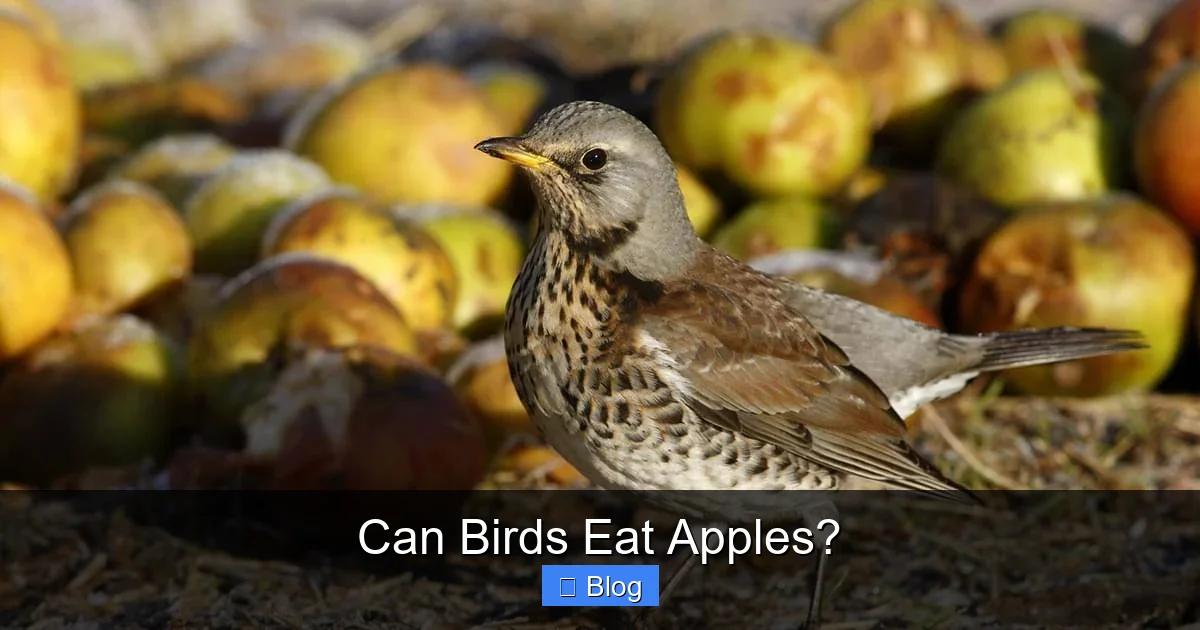
Yes, birds can eat apples, but with crucial safety precautions! While apple flesh offers valuable nutrients like vitamins and fiber, it’s vital to *always remove all seeds* due to their cyanide content and *wash the fruit thoroughly* to eliminate pesticides. Offer apples as an occasional treat, never a main food source, and ensure they are fresh and diced into small, manageable pieces.
Can Birds Eat Apples?
It’s a common and heartwarming sight: a curious bird pecking away at something from our human world. Perhaps you’re enjoying a crisp apple in your backyard, and a feathered friend lands nearby, eyeing your snack. Instantly, the question pops into your mind, “Can birds eat apples?” It’s a thoughtful question that reflects a desire to care for local wildlife, but also one that comes with important nuances and safety considerations. After all, what’s good for us isn’t always good for them.
Many of us love to share our homes and gardens with birds, and offering them food is a delightful way to attract them and witness their beauty up close. However, introducing human foods into a bird’s diet requires a good understanding of what’s safe and what’s potentially harmful. Apples, in particular, are a popular fruit, and their availability makes them a frequent subject of this very question. Let’s peel back the layers and discover everything you need to know about feeding apples to your avian visitors safely and responsibly.
Key Takeaways
- Apple Flesh is Safe: The sweet, fleshy part of an apple is generally safe and nutritious for most bird species, offering vitamins, minerals, and fiber.
- Seeds are Toxic: Apple seeds contain amygdalin, which converts to cyanide when metabolized. Always core the apple and remove every single seed before offering it to birds.
- Wash and Prepare Properly: Thoroughly wash apples to remove pesticides and waxes. Peel the skin for smaller birds or if heavily waxed. Dice the flesh into small, manageable pieces to prevent choking.
- Offer in Moderation: Apples should be a rare treat, not a dietary staple. A balanced diet for birds primarily consists of seeds, nuts, insects, and specialized bird feed.
- Avoid Processed or Spoiled Apples: Never offer cooked apples, apple products (juice, pie filling), or apples showing signs of mold or rot, as these can cause digestive upset or illness.
- Observe Your Birds: Introduce new foods, including apples, slowly and observe your birds’ reactions. Some birds may not be interested, and that’s perfectly fine.
- Focus on Freshness: Only provide fresh, ripe apple pieces. Remove any uneaten portions from feeders within a few hours to prevent spoilage and attract unwanted pests.
Quick Answers to Common Questions
Can wild birds eat apples?
Yes, wild birds can eat apples, provided the apples are properly prepared by removing all seeds and washing the skin thoroughly. Offer small, diced pieces as an occasional treat.
Are apple seeds toxic to all birds?
Yes, apple seeds contain amygdalin, which converts to cyanide when digested, making them toxic to all bird species. It’s crucial to remove every single seed before offering apple flesh.
Do I need to peel apples before giving them to birds?
While not strictly necessary for all birds, peeling apples is highly recommended, especially for smaller birds or if you are concerned about pesticides and waxes on the skin. Thorough washing is essential even if you don’t peel.
How often can I give apples to birds?
Apples should be offered as an occasional treat, perhaps once or twice a week, in small quantities. They should never form a significant portion of a bird’s diet, which should be primarily composed of species-appropriate birdseed and natural foods.
What happens if a bird eats an apple seed?
If a bird eats an apple seed, it could experience cyanide poisoning, leading to symptoms like difficulty breathing, seizures, or even death. The severity depends on the bird’s size and the number of seeds consumed.
📑 Table of Contents
The Short Answer: Can Birds Eat Apples?
The simple answer is **yes, birds can eat apples**, but it comes with a significant asterisk. While the fleshy part of an apple can provide some beneficial nutrients for birds, certain components of the fruit are highly toxic and must be avoided at all costs. Understanding these critical distinctions is the key to offering this treat responsibly and ensuring the well-being of your feathered friends.
Yes, But With Important Caveats
Just like with many human foods, portion control, preparation, and knowing which parts to avoid are absolutely vital when considering whether birds eat apples. We can’t just toss a whole apple into a feeder and call it a day. The main danger, which we’ll delve into shortly, lies hidden within the core of the fruit – its seeds. Beyond that, considerations like pesticides, waxes, and the overall freshness of the apple also play a crucial role in determining its suitability. So, while the answer is yes, remember that “yes” comes with a manual.
Understanding the Nutritional Value of Apples for Birds
Apples, particularly their sweet, crisp flesh, are packed with good stuff. For birds, these can include various vitamins, such as Vitamin C and Vitamin A (though in lower amounts than some other fruits). They also contain minerals like potassium and a good dose of dietary fiber, which can aid in digestion. However, it’s important to remember that apples should only ever be a supplemental treat, not a primary food source. A bird’s core diet should consist of species-appropriate seeds, nuts, insects, nectar, or specialized birdseed mixes. Thinking of apples as a healthy “dessert” rather than a main course is the right approach.
The Dangers Lurking Within: What to Avoid
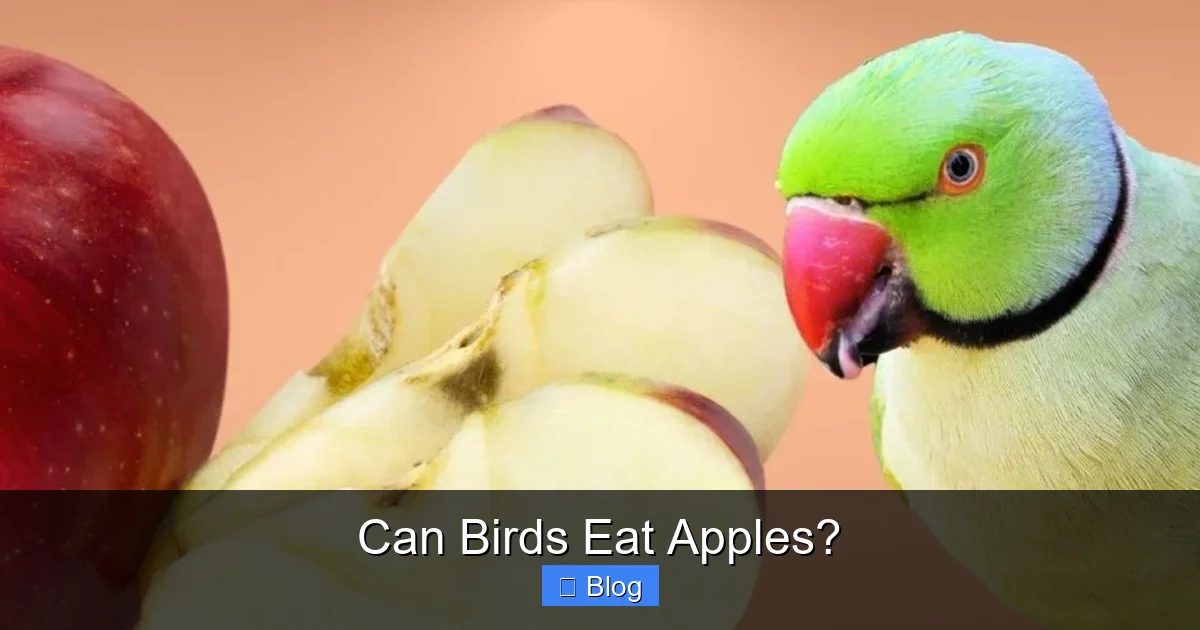
Visual guide about Can Birds Eat Apples?
Image source: petsfoodsafety.com
When you ask, “Can birds eat apples?”, the biggest and most critical part of the answer lies in what *not* to give them. Ignoring these dangers can lead to serious health problems or even be fatal for birds. It’s not just about the apple itself, but how it’s grown, stored, and prepared.
The Peril of Apple Seeds (Cyanide!)
This is the most crucial point to understand. **Apple seeds contain a compound called amygdalin, which, when digested, converts into hydrogen cyanide.** Yes, the same highly toxic chemical. While the amount of amygdalin in a single apple seed might be small, birds are much smaller than humans, and even a few seeds can be enough to cause severe illness or death. Their rapid metabolism means toxins can affect them very quickly. Therefore, *it is absolutely paramount to remove every single apple seed* before offering any apple flesh to birds. Core the apple thoroughly and double-check for any stray seeds. This simple step is non-negotiable for their safety.
Pesticides and Waxes: A Hidden Threat
Most apples you buy in a grocery store have been treated with pesticides to protect them from insects and diseases. They are also often coated with a layer of wax to preserve freshness and enhance appearance. Both pesticides and waxes can be harmful to birds. Pesticides are chemicals designed to kill organisms, and even small amounts can be toxic to birds’ delicate systems. Waxes, while generally considered food-safe for humans, can be difficult for birds to digest and may coat their beaks and feathers, interfering with natural behaviors.
**Practical Tip:** Always wash apples thoroughly under running water, scrubbing the skin. For an added layer of safety, or if the apple appears heavily waxed, *peeling the apple is highly recommended*, especially for smaller bird species.
Rotting Apples: A Breeding Ground for Problems
While it might seem natural to offer birds fruit that’s past its prime for human consumption, this is a dangerous practice. Rotting or fermenting apples can harbor mold, bacteria, and yeasts that produce toxins harmful to birds. These decaying fruits can also attract unwanted pests like flies and wasps, which might carry their own diseases. Furthermore, fermenting fruits can produce alcohol, which is toxic to birds and can lead to disorientation or poisoning. Only offer fresh, firm apple pieces that you would be willing to eat yourself.
Cooked or Processed Apples: Unnecessary Risks
Stick to raw, fresh apples when feeding birds. Cooked apples often contain added sugars, spices (like cinnamon, which can be irritating), or other ingredients that are not suitable for birds. Processed apple products, such as apple sauce, apple juice, apple pie filling, or dried apple snacks, almost always contain added sugars, preservatives, or other additives that are unnecessary and potentially harmful to birds. Their digestive systems are not designed to handle these refined ingredients. Keep it simple: fresh, raw apple flesh, and nothing else.
How to Safely Offer Apples to Your Feathered Friends
Once you’ve firmly grasped the dangers, you can focus on the safe and enjoyable aspect of feeding apples to birds. Proper preparation makes all the difference, transforming a potential hazard into a delightful and nutritious treat.
Choosing the Right Apple
Opt for organic apples if possible, as they are grown without synthetic pesticides. If organic isn’t an option, any fresh, firm apple from the grocery store or a local market will do, as long as you follow the proper washing and peeling steps. Avoid apples that are bruised, discolored, or show any signs of mold or spoilage. Sweet varieties like Fuji, Gala, Honeycrisp, or Red Delicious are generally more appealing to birds due to their high sugar content, but any type of apple is fine once prepared correctly.
Proper Preparation is Key (Peeling, Coring, Cutting)
This is where the rubber meets the road.
- Wash Thoroughly: Rinse the apple under cool running water, scrubbing the skin vigorously to remove any surface pesticides or waxes.
- Peel the Skin (Optional but Recommended): For smaller birds, or if you’re concerned about wax/pesticides, peeling the skin offers an extra layer of safety and makes the apple easier to eat. Some birds might enjoy picking at the skin, but removing it simplifies the process.
- Core Completely: Using an apple corer or a knife, meticulously remove the entire core, ensuring *no seeds whatsoever* remain. Don’t leave any part of the seed capsule attached.
- Dice into Small Pieces: Cut the apple flesh into very small, bite-sized pieces. Think pea-sized or smaller. This prevents choking hazards, especially for tiny birds, and makes it easier for all birds to consume. Large chunks can be difficult to manage.
Portion Control: Less is More
Apples should be a rare treat, not a significant portion of a bird’s daily intake. Think of it as a small snack, perhaps once or twice a week, in very small quantities. Too much fruit can lead to digestive upset, especially because of its sugar content. Offer only a few small pieces at a time. If you notice birds aren’t eating it, remove it promptly.
Where and How to Offer Apples
You can place small apple pieces in a shallow dish, on a platform feeder, or mixed into a tray feeder with other safe bird foods. Avoid throwing pieces directly onto the ground where they might get mixed with dirt or attract rodents. Ensure the feeder is clean and easily accessible to birds but out of reach of predators. If offering in a cage for pet birds, use a clean dish or clip the pieces onto the side of the cage.
Observing Your Birds’ Reactions
When introducing any new food, including apples, always observe your birds. Do they seem interested? Are they eating it? Are they showing any signs of discomfort or illness afterward? While rare with properly prepared apples, it’s always good practice to monitor their behavior. If a bird appears unwell, discontinue feeding that particular food immediately. Some birds may simply ignore the apple, and that’s perfectly fine; not all birds have the same dietary preferences.
Nutritional Benefits of Apples for Birds
Beyond the “can birds eat apples” question, understanding *why* you might want to offer them is also important. When prepared correctly, apples do offer some beneficial nutrients.
Vitamins and Minerals Galore
Apples contain a range of vitamins, including Vitamin C, which is an antioxidant that supports immune health, and small amounts of Vitamin A, important for vision and overall growth. They also provide minerals like potassium, which is vital for proper nerve and muscle function. While these are not primary sources compared to a bird’s natural diet, they contribute to overall well-being as part of a varied nutritional intake.
Fiber for Digestion
The fiber content in apples is excellent for digestive health. It helps to regulate bowel movements and can contribute to a healthy gut microbiome. For birds, just like humans, adequate fiber intake is important for maintaining a robust digestive system, helping them efficiently process their other foods.
A Hydrating Treat
Apples have a high water content, making them a hydrating snack, especially during warmer months or for birds that don’t always have easy access to fresh water sources. While never a substitute for fresh drinking water, the moisture in apples can be a welcome addition to their diet, offering a refreshing boost.
Apples as Part of a Balanced Bird Diet
It’s crucial to reiterate that apples are a treat, not a dietary cornerstone. A bird’s diet should be diverse and reflect what they would naturally forage for in the wild.
Apples as a Supplement, Not a Staple
Think of apples as a delicious and occasional bonus. The bulk of a bird’s diet should come from high-quality birdseed mixes designed for their species, natural grains, nuts, seeds, and insects. For pet birds, this means their specialized pellets and seed mixes. Feeding too many apples can upset their digestive system due to sugar content and potentially displace more nutritionally dense foods.
Variety is the Spice of Life (and Bird Diets!)
The healthiest bird diets are varied. If you’re looking to offer fruits, don’t just stick to apples. Introduce other bird-safe fruits like blueberries, raspberries, oranges (peeled), grapes (halved), or melons. This variety ensures they receive a broader spectrum of nutrients and keeps their diet interesting. Always follow similar safety precautions: wash, remove seeds/pits, and cut into small pieces.
What Other Fruits and Foods Are Safe?
Many other fruits are safe for birds, provided they are prepared correctly. Good options include:
- Berries: Blueberries, raspberries, blackberries, mulberries.
- Melons: Cantaloupe, watermelon (flesh only, no seeds).
- Other Fruits: Bananas, oranges, grapes (cut in half).
Always avoid avocado (toxic to many bird species), pits from cherries, peaches, and plums (contain cyanide), and rhubarb. Vegetables like corn, peas, carrots, and sweet potatoes are also great, healthy options for birds when offered raw and finely chopped.
Common Misconceptions and Best Practices
Let’s clear up a few common misunderstandings about feeding apples to birds and summarize the best practices for responsible bird feeding.
Debunking Myths About Apple Feeding
One common myth is that fruit left to rot on the ground is good for birds, as it’s “natural.” As discussed, rotting fruit can be harmful due to mold, bacteria, and fermentation. Another misconception is that birds instinctively know what to eat and what to avoid, so preparation isn’t that important. While birds have survival instincts, they can still be harmed by toxic substances, especially when encountering processed or human-modified foods like store-bought apples with pesticides. Always err on the side of caution.
Always Prioritize Natural Food Sources
The best food for birds is what they find naturally in their environment. Planting native plants, shrubs, and trees that produce berries, seeds, and attract insects is the most sustainable and beneficial way to support local bird populations. Supplementing with feeders is wonderful, but it should enhance, not replace, natural foraging.
When in Doubt, Leave It Out
This is the golden rule of feeding wildlife. If you’re ever unsure whether a food item is safe for birds, it’s always best to refrain from offering it. There are plenty of clearly safe options available. Your feathered friends will thank you for your caution. Responsible feeding ensures you’re helping, not accidentally harming.
Conclusion
So, can birds eat apples? Yes, they absolutely can, but with significant stipulations that are essential for their safety. The key takeaway is to **always remove the toxic seeds, thoroughly wash and ideally peel the apple, and cut the flesh into small, manageable pieces**. Offer apples as an occasional treat, not a dietary staple, ensuring they complement a balanced diet of seeds, nuts, and other bird-safe foods.
By following these guidelines, you can safely share this delicious fruit with your feathered visitors, providing them with a healthy, hydrating, and enjoyable snack. Remember, responsible bird feeding is about understanding their needs and taking proactive steps to protect their well-being. Enjoy the delight of watching your birds safely enjoy their apple treat, knowing you’ve done your part to keep them healthy and happy!
🎥 Related Video: Let's see if any birds will eat apples!
📺 Bird Jumble
Put a few apple slices in my Wasserstein bird feeder just to see if any birds would eat it. I only left it out for a day. Just had …
Frequently Asked Questions
Are dried apples safe for birds?
Dried apples are generally not recommended for birds. They often contain added sugars, preservatives, or sulfites that can be harmful. The concentrated sugar content can also lead to digestive issues. Stick to fresh, raw apple pieces.
Can birds eat apple core?
No, birds should not eat the apple core. The core contains all the seeds, which are toxic due to their cyanide content. Always remove the entire core and any remaining seeds before offering apple flesh.
What types of birds typically eat apples?
Many fruit-eating and omnivorous bird species might enjoy apples, including robins, jays, waxwings, mockingbirds, and some finches or woodpeckers. Even smaller birds like chickadees might peck at small pieces.
Is cooked apple safe for birds?
No, cooked apples are not safe for birds. Cooking often involves adding sugars, spices, or other ingredients that are unsuitable for birds. Always offer raw, fresh apple flesh, prepared correctly.
How long can I leave apples out for birds?
You should only leave fresh apple pieces out for a few hours. Apples can quickly spoil, especially in warm weather, and begin to ferment or grow mold, which is harmful to birds. Remove any uneaten portions promptly.
Can pet birds eat apples?
Yes, pet birds can eat apples, following the same strict preparation guidelines: remove all seeds, wash thoroughly, and dice into small pieces. It’s a healthy treat, but always check with your avian vet if you have specific concerns about your pet’s diet.