
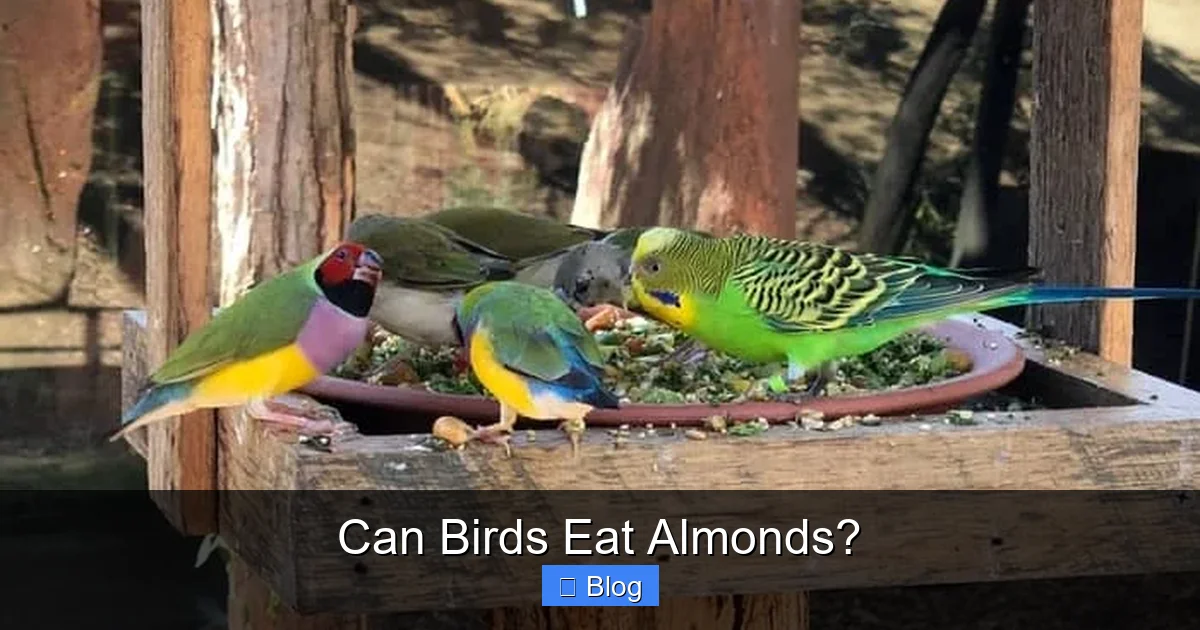
Yes, birds can eat almonds, but with important caveats! Unsalted, raw, blanched, and finely chopped almonds can offer valuable nutrients like fats, proteins, and vitamins to many bird species. However, proper preparation and portion control are crucial to avoid choking hazards and other health issues, making them a safe occasional treat rather than a staple.
Can Birds Eat Almonds?
Have you ever found yourself snacking on a handful of delicious almonds and wondered if your feathered friend could join in the fun? It’s a common question among bird owners and backyard bird enthusiasts alike. We all want to provide the best for our pets and the wildlife we cherish, and sometimes that means sharing a bit of our human food. But when it comes to nuts, especially something as specific as almonds, the answer isn’t always a simple yes or no.
Feeding birds can be a truly rewarding experience, whether it’s your colorful parakeet perched on your finger or a cheerful cardinal visiting your bird feeder. However, their dietary needs are quite different from ours. What’s healthy for a human might be harmful, or even toxic, to a bird. That’s why it’s so important to thoroughly research any new food item before introducing it into their diet. Today, we’re diving deep into the world of almonds to answer the burning question: Can birds eat almonds safely?
The good news is that for most bird species, sweet almonds can indeed be a safe and nutritious treat when offered correctly. But, and this is a big “but,” there are several crucial considerations you need to be aware of before you start sharing your almond stash. From preparation methods to portion sizes, and understanding potential risks, let’s explore everything you need to know about feeding almonds to birds. Your bird’s health and safety are our top priority!
Key Takeaways
- Almonds are generally safe for birds: Sweet almonds, when properly prepared, can be a nutritious treat for various bird species.
- Preparation is paramount: Always offer raw, unsalted, unroasted, and preferably blanched almonds. Crushing or chopping them into small, manageable pieces is essential to prevent choking.
- Avoid processed almonds: Steer clear of salted, roasted, flavored, or candied almonds, as these contain additives harmful to birds.
- Portion control is critical: Almonds are high in fat and calories, so they should only be given in moderation as an occasional treat, not a main food source.
- Nutritional benefits exist: Almonds provide healthy fats, protein, fiber, and essential vitamins (like Vitamin E) and minerals that can contribute to a bird’s overall health.
- Monitor for reactions: Introduce almonds slowly and observe your bird for any adverse reactions, though they are rare.
Quick Answers to Common Questions
Can all types of birds eat almonds?
Many species of birds, especially parrots, finches, and various wild birds, can safely eat almonds. The primary considerations are the bird’s size, its ability to crack or eat the nut, and proper preparation.
Are bitter almonds safe for birds?
No, bitter almonds are not safe for birds. They contain higher levels of amygdalin, which can release toxic cyanide when ingested. Only sweet almonds, commonly sold for human consumption, should be considered.
How often can I give my bird almonds?
Almonds should be given sparingly, as an occasional treat. Due to their high fat content, once or twice a week, in very small amounts, is generally sufficient for most birds, depending on their size and activity level.
Can I give my bird whole almonds?
Whole almonds are a significant choking hazard, especially for smaller birds. Even for larger birds, it’s safer to break them into smaller, manageable pieces to prevent any risk of choking or crop impaction.
What if my bird eats a salted almond by mistake?
If your bird accidentally ingests a salted almond, monitor them closely for signs of increased thirst, lethargy, or other unusual behavior. Offer plenty of fresh water. If you observe any concerning symptoms, contact your avian veterinarian immediately.
📑 Table of Contents
The Short Answer: Can Birds Eat Almonds?
Yes, many bird species can eat almonds. Sweet almonds, the kind typically sold for human consumption in grocery stores, are non-toxic and can offer a range of nutritional benefits. However, it’s not as simple as just tossing an almond their way. The key lies in the preparation and understanding the type of almond you’re offering. Think of almonds for birds as a healthy snack, not a meal replacement.
Wild birds like jays, woodpeckers, and even some finches might naturally forage for nuts in their environment, including those from almond trees if they’re in the right region. Pet birds, from parrots to cockatiels, can also enjoy them. The primary concerns are usually related to additives, potential choking hazards, and overfeeding, rather than the almond itself being inherently dangerous. So, if you’re asking, “Can birds eat almonds?” the answer is a qualified yes, provided you follow some important guidelines.
Raw vs. Roasted Almonds
When it comes to feeding birds, raw is almost always the way to go for nuts. Roasted almonds often undergo processing that can diminish their nutritional value and sometimes involve added oils or seasonings. While plain, dry-roasted almonds might seem okay, raw almonds are generally preferred as they retain all their natural goodness. The roasting process, especially at high temperatures, can sometimes change the fat structure in ways that might not be ideal for a bird’s delicate digestive system.
Salted vs. Unsalted Almonds
This is perhaps the most critical distinction. You absolutely *must* only offer unsalted almonds to birds. Salt, even in small amounts, is highly detrimental to birds. Their kidneys are not designed to process excess sodium, and it can lead to dehydration, kidney failure, neurological issues, and even death. Many birds don’t even have a strong sense of taste for salt, so they won’t avoid it instinctively. Always check the label or buy bulk raw almonds to ensure there’s no added salt. If you’re questioning, “Can birds eat almonds that are salted?” the answer is a definitive NO.
Blanched vs. Unblanched Almonds
Blanching almonds involves briefly boiling them and then quickly cooling them to remove their skins. While the almond skin isn’t inherently toxic, some birds might find it difficult to digest or simply prefer them without. The skin can also sometimes harbor pesticides if not organically sourced and thoroughly washed. For smaller birds, the skin might also contribute to a choking hazard if the pieces are too large. Therefore, offering blanched almonds (without skins) is often a safer and more digestible option, especially for smaller species or those with sensitive digestive systems.
Nutritional Benefits of Almonds for Birds
Visual guide about Can Birds Eat Almonds?
Image source: birdtipper.com
So, aside from being a tasty treat, what makes almonds a good choice for birds when prepared correctly? Almonds are tiny powerhouses of nutrition, packed with various components that can contribute positively to a bird’s health. Understanding these benefits can help you appreciate why almonds can be a valuable addition to a varied diet for your feathered friend. But remember, “Can birds eat almonds for all their meals?” is a definite no; variety is always key!
Essential Fats and Proteins
Almonds are renowned for their healthy monounsaturated fats and a good amount of protein. Fats are a crucial energy source for birds, especially for active species, those living in colder climates, or birds undergoing molting or breeding. These healthy fats also play a vital role in maintaining feather health, giving them that beautiful sheen. Protein is essential for muscle development, tissue repair, and overall growth, particularly important for young birds or those recovering from illness.
Vitamins and Minerals
Beyond fats and proteins, almonds also contain a range of essential vitamins and minerals. They are particularly rich in Vitamin E, a powerful antioxidant that supports immune function and protects cells from damage. They also offer magnesium, which is important for bone health and metabolic functions, as well as some B vitamins, phosphorus, and calcium. While almonds alone won’t fulfill all their vitamin and mineral needs, they contribute positively to the overall nutritional intake.
Energy Boost
Due to their high fat and calorie content, almonds provide a significant energy boost. This is particularly beneficial for wild birds who expend a lot of energy foraging, flying, and staying warm. For pet birds, a small piece of almond can be a great reward during training sessions or simply to provide a little extra vitality. Just be mindful that too much energy without enough activity can lead to weight gain, which is why moderation is so important when birds eat almonds.
Potential Risks and Considerations When Feeding Almonds to Birds
While we’ve established that birds can eat almonds under the right conditions, it’s equally important to be aware of the potential downsides. Responsible bird ownership means understanding and mitigating these risks. Ignoring these considerations could turn a seemingly harmless treat into a dangerous one. So, let’s explore the potential pitfalls before you offer those tasty nuts.
Choking Hazards
This is arguably the most significant risk when feeding almonds, especially whole ones, to birds. Birds don’t chew their food in the same way humans do; instead, they often swallow pieces whole or break them down with their beaks and gizzards. A whole almond, or even large pieces, can easily become lodged in a bird’s throat, leading to choking, suffocation, or internal injuries. This risk is particularly high for smaller bird species. Always, always, always break down or chop almonds into tiny, manageable pieces appropriate for the size of your bird.
Portion Control is Key
Almonds are calorie-dense and high in fat. While healthy fats are good, too much of a good thing can lead to problems. Overfeeding almonds can result in weight gain, obesity, and related health issues like fatty liver disease, especially in less active pet birds. Obesity can shorten a bird’s lifespan and lead to a host of other health complications. Almonds should be treated as an occasional treat, not a dietary staple. A tiny sliver or a few crumbs once or twice a week is usually sufficient, depending on the bird’s size and overall diet.
The Problem with Processed Almonds
As mentioned earlier, nearly all processed almonds are off-limits for birds. This includes:
- Salted Almonds: Highly toxic due to sodium content.
- Roasted Almonds: Often contain added oils, salt, or other seasonings.
- Flavored Almonds: BBQ, honey-roasted, smoked, chocolate-covered, etc., contain sugar, spices, artificial flavors, and other ingredients that are harmful or toxic to birds. Chocolate, for instance, is highly toxic.
- Candied Almonds: Too much sugar is unhealthy and can lead to digestive upset or other issues.
Always stick to plain, raw, unsalted almonds. When you consider, “Can birds eat almonds that come in a snack mix?” the answer is usually no, due to these harmful additions.
Allergic Reactions (Rare but Possible)
While uncommon, just like humans, birds can theoretically develop allergies to certain foods. When introducing any new food, including almonds, it’s wise to start with a very small amount and observe your bird closely for any signs of discomfort, digestive upset (like diarrhea), itching, or unusual behavior. If you notice anything out of the ordinary, discontinue feeding almonds immediately and consult with an avian veterinarian.
Cyanide Concerns (Reassure it’s Negligible in Sweet Almonds)
You might have heard that almonds contain cyanide. It’s true that bitter almonds (which are not typically sold for consumption due to their higher cyanide content) contain amygdalin, which can convert to cyanide when metabolized. However, the sweet almonds we buy in stores have very low levels of amygdalin, making them safe for humans and, in moderation, for birds. So, while it’s a valid concern to think about, it’s generally not an issue with the commercially available sweet almonds. Focus on the other risks, like salt and choking, which are far more pertinent when considering if birds eat almonds.
How to Safely Offer Almonds to Birds
Now that you understand the “can birds eat almonds” question and its nuances, let’s talk about the practical steps to safely incorporate them into your bird’s diet. Proper preparation is the key to turning a potential hazard into a healthy and enjoyable treat.
Choose the Right Type of Almond
Always opt for raw, unsalted, unroasted sweet almonds. These are usually found in the bulk section of grocery stores or health food stores. Make sure there are no visible signs of mold or staleness. If possible, choose organic almonds to minimize pesticide exposure, though thorough washing is always recommended. Never feed bitter almonds, which are not readily available for culinary use anyway.
Preparation is Paramount
This step cannot be stressed enough.
- Wash Thoroughly: Even if organic, give the almonds a good rinse under running water to remove any surface dirt or residues.
- Blanch (Optional but Recommended): Briefly boil the almonds for about 30 seconds, then immediately plunge them into cold water. The skins should then slip off easily. This makes them easier to digest and reduces any potential issues with skin residues.
- Chop or Grind Finely: This is the most critical step to prevent choking. For larger birds like macaws or African Greys, you might be able to offer a small quarter-piece. For medium-sized birds like cockatiels or conures, finely chop them into tiny bits. For smaller birds like finches or parakeets, you should grind them into a coarse powder or crumble them almost to a dust. Ensure there are no large, hard chunks.
Consider your bird’s size and natural feeding habits. A parrot with a powerful beak can handle larger pieces than a tiny finch. When you prepare almonds for birds, always err on the side of making the pieces smaller than you think necessary.
Introducing Almonds to Your Bird’s Diet
Like any new food, introduce almonds slowly.
- Start Small: Offer a tiny amount of finely chopped almond as a rare treat.
- Observe: Watch your bird for any signs of digestive upset, changes in droppings, or unusual behavior for the next 24-48 hours.
- Gradual Increase: If there are no adverse reactions, you can offer a similar small amount occasionally, perhaps once or twice a week.
Remember, almonds should complement their main diet of species-appropriate pellets, fresh fruits, and vegetables, not replace them.
Monitoring Your Bird’s Reaction
Every bird is an individual. Some might love almonds, while others might not be interested. Pay attention to how your bird reacts. Are they excited by the treat? Do they seem to enjoy eating it? More importantly, are there any negative health reactions? A healthy bird will show consistent droppings, good energy levels, and normal behavior. Any deviation should prompt you to stop feeding the new food and consult your vet.
Alternative Safe Nut and Seed Options for Birds
Variety is the spice of life, and it’s especially true for a bird’s diet! While “Can birds eat almonds?” might be answered with a qualified yes, it’s important not to rely on just one type of treat. Expanding their palette with other safe nuts and seeds not only provides a wider range of nutrients but also keeps mealtime interesting. Always remember the same rules apply: unsalted, raw, unroasted, and properly sized.
Peanuts
Peanuts are a popular choice for both pet and wild birds. They are rich in protein and healthy fats. However, peanuts are prone to a mold called *Aspergillus flavus*, which produces aflatoxins that are highly toxic to birds (and humans). Always buy human-grade, unshelled, raw, unsalted peanuts from a reputable source, and store them properly to prevent mold growth. Shelled peanuts are generally safer. Just like almonds, they need to be chopped or crushed to prevent choking.
Walnuts
Walnuts are another excellent option, offering omega-3 fatty acids, which are great for feather health and brain function. They are also high in antioxidants. Ensure they are raw, unsalted, and unshelled. Walnuts have a tough shell, making them a good foraging challenge for larger birds if given whole (and supervised), but for smaller birds or as a direct treat, the kernels should be broken into small pieces.
Sunflower Seeds
A classic bird feeder staple, sunflower seeds (black oil or striped) are extremely popular with a wide range of bird species. They are packed with healthy fats, protein, and essential minerals. Offer unsalted, raw sunflower seeds. Many birds enjoy cracking the shells themselves, which provides mental stimulation. For smaller birds, shelled sunflower hearts can be easier to manage.
Other Safe Treats
Beyond these, other safe nuts and seeds include:
- Pecans: Similar to walnuts in nutritional profile, offer raw and unsalted.
- Cashews: Raw, unsalted, and in moderation.
- Pine Nuts: A favorite of many smaller birds, rich in healthy fats.
Remember, nuts and seeds are treats due to their high-fat content. They should always be offered in moderation as part of a balanced diet that includes fresh fruits, vegetables, and a high-quality bird-specific pellet or seed mix. This variety ensures your bird gets all the necessary nutrients without overdoing any single component.
Conclusion
So, can birds eat almonds? The definitive answer is yes, they can, and they can even benefit from them! However, this “yes” comes with a significant asterisk, highlighting the critical importance of proper preparation and moderation. When you offer raw, unsalted, unroasted, and finely chopped or crushed sweet almonds, you’re providing a nutritious and enjoyable treat that can contribute healthy fats, proteins, and essential vitamins to your feathered friend’s diet.
Never forget the golden rules: absolutely no salt, no roasting, no flavoring, and always, always ensure the pieces are small enough to prevent choking. Almonds should be a rare, special snack, not a regular part of their daily meal plan, balancing their caloric density with their overall dietary needs. By following these guidelines, you can safely share this delicious human snack with your beloved birds, enhancing their diet and strengthening your bond. Always prioritize your bird’s health and safety, and when in doubt, consult with an avian veterinarian. Happy feeding!
🎥 Related Video: Cockatiel Eating Almonds✨✨#cockatiel #almond #healthy #shorts
📺 Lukethetiel
Frequently Asked Questions
Are there any birds that absolutely cannot eat almonds?
While sweet almonds are generally safe for most bird species, birds with existing health conditions, very young birds, or those with highly specialized diets might need to avoid them. Always consult an avian vet if you are unsure about your specific bird’s dietary needs.
Can almonds help with a bird’s feather health?
Yes, the healthy fats, particularly monounsaturated fats, and Vitamin E found in almonds can contribute positively to a bird’s feather health, promoting a shiny and strong plumage. However, they are just one component of a holistic approach to good feather condition.
Is it better to offer almonds shelled or unshelled to birds?
For most pet birds, it’s safer and easier to offer shelled almonds, finely chopped. For larger wild birds, unshelled almonds can provide an enriching foraging activity, but they must still be raw and unsalted.
What specific vitamins are in almonds that are good for birds?
Almonds are a good source of Vitamin E, which acts as an antioxidant, and several B vitamins, which are important for metabolism and energy production. They also contain essential minerals like magnesium and phosphorus.
Can baby birds eat almonds?
It’s generally not recommended to feed almonds to baby birds or fledglings. Their digestive systems are still developing, and they require highly specific, easily digestible foods. Stick to specially formulated hand-rearing formulas or soft, easily digestible foods appropriate for their age.
Are there any almond-based products I can feed to my bird, like almond butter?
It is best to avoid almond butter or other almond-based products. These often contain added oils, sugar, salt, or other ingredients unsuitable for birds. Stick to plain, raw, unsalted almonds that you prepare yourself to ensure safety.