
Introduction
Winter is one of the most challenging seasons for many birds. As temperatures fall, food becomes harder to find, water may freeze, and strong winds or snowfall can make survival difficult. Yet birds have developed remarkable ways to survive cold weather and continue their daily lives.
How birds survive the winter is a fascinating topic that reveals the incredible adaptability of these beautiful creatures. Some birds migrate to warmer regions, while others remain in their habitats and rely on special feathers, stored energy, sheltered roosting places, and clever feeding strategies.
Have you ever noticed small birds sitting close together on a branch during a cold morning? Or watched a flock flying across the sky as the weather changes? These behaviors can be part of the many ways birds respond to winter conditions.
In this vlog, we will explore how birds stay warm, find food, protect themselves from harsh weather, and survive until spring. We will also learn how people can help birds during the coldest months of the year.
1. Birds Use Feathers to Stay Warm
One of the most important ways birds survive winter is through their feathers. Feathers do more than help birds fly; they also provide insulation against cold temperatures.
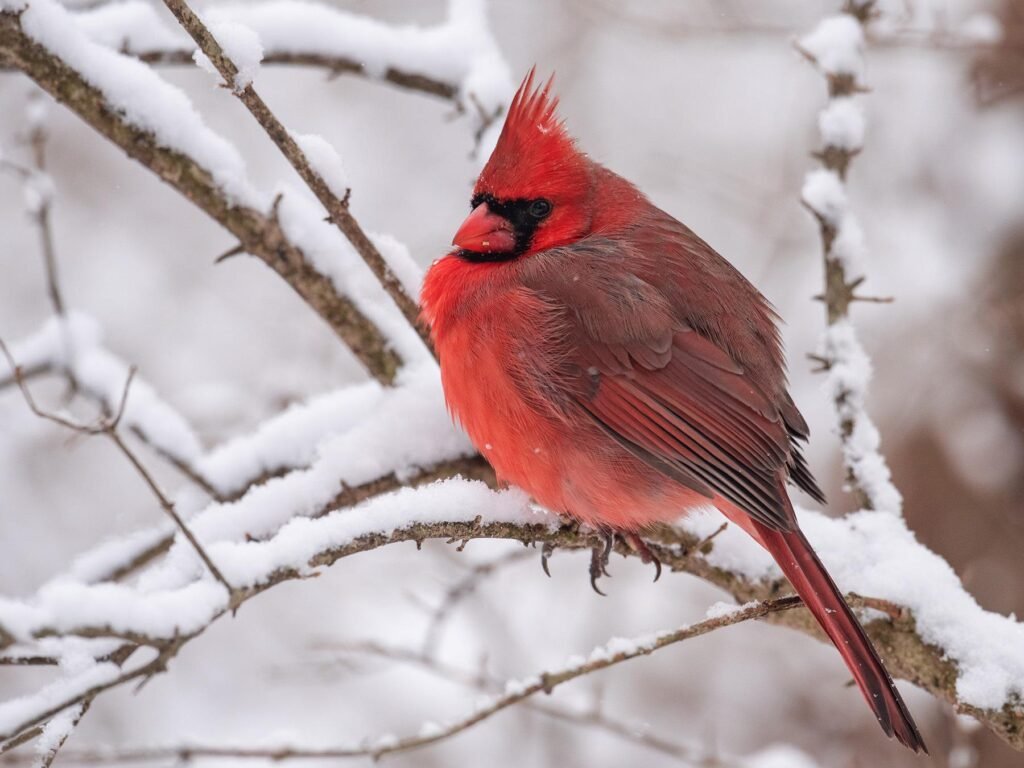
How Do Feathers Keep Birds Warm?
Many birds have soft, fluffy feathers beneath their outer feathers. These feathers trap a layer of air close to the body. Because still air is a poor conductor of heat, this trapped layer helps reduce heat loss.
When the weather becomes cold, birds may fluff up their feathers to increase the amount of insulating air around their bodies.
This is why a small bird can look rounder on a cold morning than it does on a warm afternoon.
The Importance of Feather Care
Birds regularly preen their feathers by using their bills to clean and arrange them. Well-maintained feathers help preserve insulation and support effective flight.
Some birds also use oils from a preen gland to maintain their plumage. The role of these oils differs among species.
Healthy feathers are essential for surviving both cold weather and wet conditions.
2. Birds Migrate to Warmer Places
Migration is one of the best-known strategies birds use to escape severe winter conditions.
When temperatures drop and food becomes scarce, many species travel to areas where resources are more available. Some migrate across continents, while others move shorter distances to nearby regions.
Why Do Birds Migrate?
Birds may migrate because of changes in food availability, day length, temperature, and breeding opportunities.
For example, some insect-eating birds leave colder regions when flying insects become scarce. Waterbirds may move to wetlands that remain unfrozen and provide better feeding opportunities.
Migration is not simply a response to cold. Birds often follow seasonal patterns shaped by millions of years of evolution.
How Do Migrating Birds Find Their Way?
Birds can use several navigation cues, including the position of the Sun, stars, Earth’s magnetic field, landmarks, and familiar geographical features.
Different species rely on these cues in different ways.
Migration can be dangerous and energetically demanding, but it allows many birds to reach habitats that provide better conditions for feeding and breeding.
3. Birds Store Energy for Cold Weather
Staying warm requires energy. In cold conditions, birds may need to use more energy to maintain their body temperature, especially when wind, rain, or freezing temperatures increase heat loss.
Why Is Fat Important?
Many birds build up energy reserves before cold periods or migration. Fat is an important source of energy because it contains a large amount of stored energy relative to its weight.
Small birds may need to feed frequently because they have relatively high metabolic rates and can lose heat quickly.
During cold weather, access to reliable food can make a major difference to their survival.
Feeding Before Nightfall
Some birds feed actively before a cold night to build up energy reserves. This stored energy can help them maintain body temperature while they rest.
However, the exact feeding pattern varies according to the species, its size, the weather, and the available food.
4. Birds Find Shelter from Wind and Snow
Birds do not always remain exposed to the elements. Many seek sheltered locations when conditions become harsh.
Dense shrubs, evergreen trees, tree cavities, and protected spaces beneath roofs or natural structures can reduce exposure to wind and rain.
Why Shelter Matters
Wind can increase the rate at which a bird loses heat. A sheltered roosting place helps reduce this effect and can make it easier for the bird to conserve energy.
Some birds rest in tree cavities or nest boxes, while others settle among thick vegetation.
Certain species gather in sheltered communal roosts, although not all birds use this strategy.
Safe Roosting Places
Birds often choose roosting sites that offer some protection from predators as well as weather.
Natural habitats with mature trees, shrubs, and dense vegetation provide important shelter during winter. Protecting these areas helps birds survive difficult conditions.
5. Birds Fluff Up Their Feathers in Winter
Have you ever seen a bird sitting on a branch with its feathers puffed up? This behavior is often especially noticeable in cold weather.
Fluffing the feathers helps trap insulating air around the bird’s body.
Why Do Birds Look Rounder in Winter?
When a bird raises its feathers slightly, the layer of trapped air becomes thicker. This can reduce heat loss and help the bird remain warm.
The bird may also tuck its bill into its feathers or stand on one leg, depending on its species and circumstances.
These simple movements help birds manage heat loss without needing to fly constantly or move around.
6. Birds Search for Different Food Sources
Winter can change the types of food available in a bird’s habitat. Insects may become less active, plants may stop producing new growth, and snow or ice may cover food on the ground.
Birds often adapt by changing where or what they eat.
Seeds, Nuts, and Berries
Some birds feed on seeds, nuts, and berries during winter. These foods can provide useful energy when insects are scarce.
Other species search beneath bark for insects, visit wetlands for aquatic prey, or forage in open areas where food remains available.
Flexible Feeding Habits
Certain birds can use several different food sources throughout the year. This flexibility helps them cope with seasonal changes.
However, different species have different dietary needs, and not every bird can survive on the same foods.
7. Some Birds Store Food for Later
Food storage, also known as caching, is another useful survival strategy.
Some birds collect seeds, nuts, or other food items and hide them in different locations. They may return to these hiding places when food becomes difficult to find.
How Food Caching Works
A bird may place a seed beneath bark, in a small hole, or among other protected locations. Some species remember many of their hiding places and retrieve food when needed.
Food caching is especially important for certain corvids, chickadees, and other birds, although the behavior varies by species.
Why Is Food Storage Useful?
Stored food can provide an additional source of energy during periods when fresh food is scarce.
Not every bird stores food, but for species that do, caching can be a valuable adaptation to seasonal changes.
8. Birds Gather Together for Warmth and Safety
Some birds gather in groups during winter. Depending on the species, they may forage together, roost close to one another, or form mixed-species flocks.
How Groups Help Birds
Living or moving in groups can make it easier for some birds to find food and detect predators.
In certain species, birds may roost close together in sheltered locations. This can reduce exposure to cold air, although the benefits depend on the size of the group and the roosting conditions.
Not Every Bird Gathers in Groups
Some species remain solitary or defend territories throughout winter.
The behavior depends on food availability, competition, habitat, and the bird’s natural social structure.
9. Birds Change Their Daily Activity in Winter
Winter days are often shorter, leaving birds less time to find food. Birds may adjust their activity patterns to make the most of available daylight.
Feeding During Daylight
Many small birds spend much of the daylight period searching for food. They may visit several feeding locations before settling down to roost at night.
Some birds also change their usual feeding areas as weather and food availability change.
Resting to Conserve Energy
Birds need periods of rest to recover and conserve energy. During very cold weather, sheltered resting places can help them avoid unnecessary heat loss.
Their daily routines reflect a balance between finding enough food and avoiding the risks of exposure.
10. How Waterbirds Survive Cold Weather
Ducks, geese, swans, and other waterbirds have several adaptations that help them cope with cold conditions.
Many have dense feathers that provide insulation and help keep the skin dry. Their legs and feet also have adaptations that support life in aquatic environments.
How Do Ducks Keep Their Feet Warm?
Waterbirds can regulate blood flow through their legs and feet. In many species, a countercurrent heat-exchange system helps reduce heat loss by transferring warmth between blood vessels going toward and away from the feet.
This allows some waterbirds to stand on cold surfaces or swim in cold water without losing heat as quickly as they otherwise might.
Finding Open Water
When ponds and lakes freeze, waterbirds may move to open water or other feeding locations.
Wetlands, rivers, and coastal habitats that remain accessible can become particularly important during winter.
11. Birds That Remain in Cold Regions All Year
Not every bird escapes winter by migrating. Some species remain in cold climates throughout the year.
Birds that live in snowy forests, mountains, or northern regions often have specialized behaviors and physical adaptations that help them cope with freezing temperatures.
Seasonal Adaptations
Depending on the species, adaptations may include dense insulating feathers, seasonal changes in plumage, food caching, and the ability to use sheltered roosts.
Some birds also change their diet or feeding locations as the environment changes.
Survival in cold regions depends on more than temperature alone. Food supply, shelter, predators, and the length of winter all influence which strategies are effective.
12. How Climate Change Affects Birds in Winter
Climate change can affect the timing and severity of winter conditions. It may alter migration patterns, food availability, snow cover, and the timing of seasonal events.
Changes in Food Availability
If insects emerge earlier or plants produce berries at different times, birds may find that food availability no longer matches their usual seasonal patterns.
Changing temperatures can also affect wetlands, forests, and other habitats that birds depend on.
Why Habitat Protection Matters
Protecting diverse habitats helps birds find alternative food sources and shelter when conditions change.
Conservation efforts can include preserving wetlands, planting native vegetation, protecting forests, and reducing pollution.
13. How People Can Help Birds During Winter
People can make a positive difference by maintaining bird-friendly gardens and protecting natural habitats.
Provide Appropriate Food
If you choose to feed wild birds, offer food that is suitable for the species you want to support. Different birds need different diets, and unsuitable foods can cause harm.
Keep feeding stations clean and remove spoiled food to reduce the risk of disease.
Provide Fresh Water
Birds need water for drinking and maintaining their feathers. In freezing regions, a clean water source that remains accessible can be valuable.
Never add chemicals or salt to water to prevent freezing.
Create Safe Habitats
Planting native shrubs and trees can provide shelter, nesting sites, and natural food. Avoid unnecessary disturbance around roosting sites and nests.
Keep cats away from areas where birds feed and rest, and reduce the use of pesticides that can affect the insects and other organisms birds depend on.
Frequently Asked Questions (FAQ)
1. How do birds stay warm during winter?
Birds use insulating feathers, trapped air, stored energy, sheltered roosting places, and behaviors such as fluffing their feathers to reduce heat loss.
2. Do all birds migrate during winter?
No. Some birds migrate to warmer areas, while others remain in their home ranges and adapt to seasonal conditions.
3. Why do birds puff up their feathers in cold weather?
Fluffing the feathers traps a layer of insulating air around the body, helping reduce heat loss.
4. What do birds eat in winter?
Depending on the species, birds may eat seeds, nuts, berries, insects, fish, or other available food. Their diets often change with the seasons.
5. How do birds survive freezing nights?
Birds may feed before nightfall, use sheltered roosting places, fluff their feathers, and reduce unnecessary activity to conserve energy.
6. Do birds feel cold on their feet?
Birds can experience heat loss through their feet, but many species have adaptations that help conserve warmth. Some waterbirds use specialized blood-flow systems to reduce heat loss from their legs and feet.
7. How can I help birds during winter?
Provide suitable food and clean water when appropriate, plant native vegetation, protect natural habitats, and avoid disturbing birds while they rest or feed.
Conclusion
Winter is a difficult season for many birds, but their remarkable adaptations help them survive changing conditions. Their insulating feathers, stored energy, migration patterns, food-caching behavior, and sheltered roosting places all contribute to their survival.
Some birds travel thousands of kilometers to reach favorable habitats, while others remain close to home and adapt to the cold. Each species has its own strategy, shaped by its environment, diet, and lifestyle.
By understanding how birds survive the winter, we can appreciate the strength and adaptability of these wonderful creatures. We can also help them by protecting forests, wetlands, and gardens that provide food and shelter.