
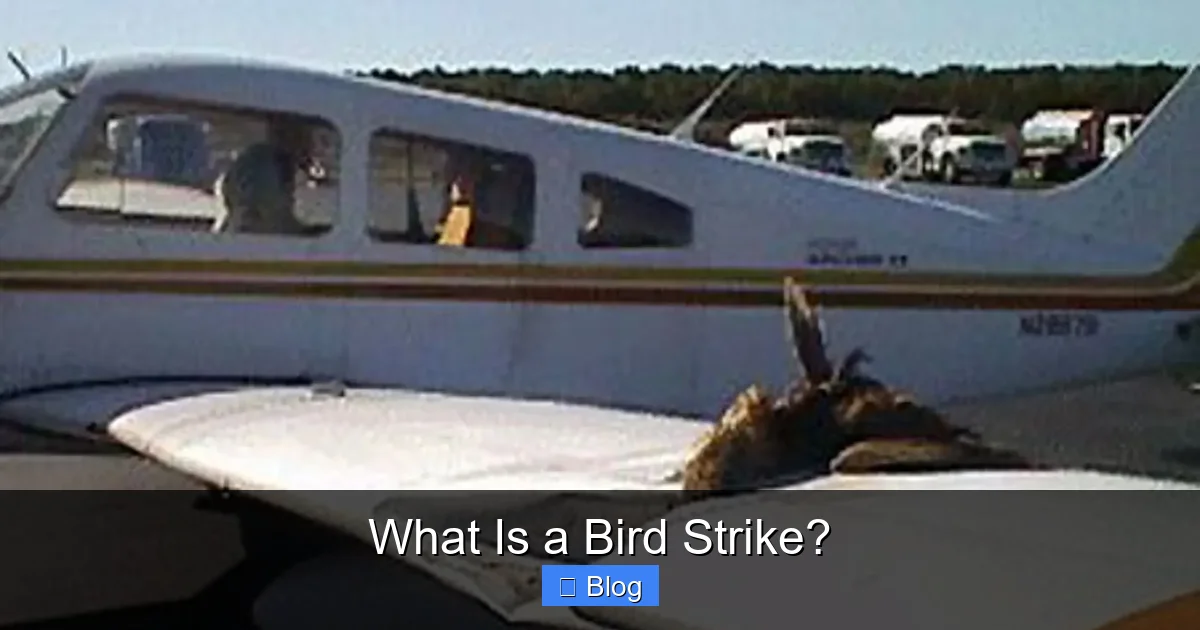
A bird strike is a collision between an airborne animal (usually a bird or bat) and an aircraft. These incidents are a significant concern for aviation safety, potentially causing structural damage, engine failure, and costly delays. Understanding and mitigating bird strikes is crucial for protecting lives and ensuring smooth air travel worldwide.
What Is a Bird Strike?
Have you ever looked up at a plane soaring through the sky and briefly wondered about the incredible engineering that keeps it up there? It’s a marvel of modern technology, designed to be robust and reliable. But even with all that advanced design, there’s one challenge that has perplexed aviators for decades: the unpredictable presence of wildlife, specifically birds. This brings us to a phenomenon known as a “bird strike.”
You might hear about bird strikes on the news occasionally, often with a sense of alarm. Perhaps you’ve seen a dramatic movie scene depicting a plane losing an engine after hitting a flock of birds. While such cinematic portrayals can be exaggerated, they do highlight a very real and serious concern in the world of aviation. A bird strike isn’t just a minor bump; it’s a critical safety issue that demands constant attention and innovative solutions from the entire aviation industry.
So, what exactly *is* a bird strike? Why are they so important, and what does the world do to prevent them? Let’s dive deep into understanding this fascinating and crucial aspect of flight safety. We’ll explore everything from what constitutes a bird strike to the sophisticated methods used to keep our skies safer for both feathered and winged travelers.
Key Takeaways
- Definition: A bird strike is any collision between an aircraft and an animal, typically a bird, occurring during any phase of flight or ground operation.
- Safety Impact: While most bird strikes don’t result in catastrophic accidents, they pose serious risks, including engine failure, structural damage, and windshield integrity issues, which can endanger passengers and crew.
- Common Scenarios: The majority of bird strikes occur at lower altitudes, especially during takeoff, climb, approach, and landing phases, often in the vicinity of airports.
- Economic Costs: Beyond safety concerns, bird strikes lead to substantial financial losses for airlines and airports due to repairs, flight delays, cancellations, and maintenance.
- Prevention is Key: Effective bird strike prevention relies on a multi-faceted approach, including airport wildlife management programs, habitat modification, advanced deterrent technologies, and pilot awareness.
- Reporting is Crucial: Timely and accurate reporting of all bird strike incidents is vital for data collection, trend analysis, and the continuous improvement of mitigation strategies by aviation authorities globally.
- Shared Responsibility: Reducing bird strikes is a collaborative effort involving pilots, air traffic controllers, airport operators, aircraft manufacturers, and wildlife biologists working together.
Quick Answers to Common Questions
Can a bird strike bring down a plane?
While extremely rare, a severe bird strike, especially one involving multiple large birds in critical areas like both engines, could potentially lead to a catastrophic event. However, aircraft are designed with redundancy, and pilots are highly trained to handle such emergencies, making such outcomes very uncommon.
Are smaller birds less dangerous in a bird strike?
Generally, yes. The severity of a bird strike often correlates with the size and weight of the bird and the speed of the aircraft. While smaller birds can still cause damage (e.g., to sensors), larger birds pose a significantly higher risk, particularly for engine ingestion.
How often do bird strikes happen?
Bird strikes are quite common globally. Thousands are reported each year, though the vast majority are minor incidents causing little to no damage. The FAA records thousands of bird strikes annually in the U.S. alone, but very few lead to serious accidents.
What happens to the bird after a bird strike?
Sadly, the bird typically does not survive a bird strike due to the immense force of the impact with the aircraft. In many cases, the bird’s remains are disintegrated upon impact or ingested into the engine.
Do bird strikes only happen to large commercial planes?
No, bird strikes can happen to any type of aircraft, including military jets, general aviation planes, helicopters, and even drones. The risk factors (altitude, speed, bird activity) are similar across different aircraft types.
📑 Table of Contents
- Defining a Bird Strike: More Than Just a “Bump”
- The Impact and Risks: Why Bird Strikes Matter
- Where and When Do Bird Strikes Happen? Common Scenarios
- Mitigating the Risk: Strategies for Bird Strike Prevention
- What Happens After a Bird Strike? Procedures and Reporting
- Protecting Our Skies: The Ongoing Effort to Reduce Bird Strikes
- Conclusion
Defining a Bird Strike: More Than Just a “Bump”
At its core, a bird strike is simply a collision between an airborne animal and an aircraft. While the name specifically mentions “bird,” this definition often extends to other wildlife, like bats, although birds are by far the most common culprits. These incidents can happen at any phase of flight, from a plane sitting on the runway to one cruising at thousands of feet.
It’s not just about a bird hitting the plane, though. The type and location of the impact are crucial. A small bird hitting the fuselage might be barely noticeable to passengers, causing little more than a dent and a costly repair for the airline. However, a larger bird striking a critical component, like an engine, can have much more severe consequences. The force involved, especially at high speeds, can be immense, turning even a small bird into a surprisingly destructive projectile.
Types of Bird Strike Impacts
Bird strikes aren’t a one-size-fits-all event. They can manifest in several ways:
- Engine Ingestion: This is arguably the most serious type of bird strike. When a bird is sucked into an aircraft engine, especially a jet engine, it can cause catastrophic damage to the fan blades and internal components. This can lead to engine power loss, failure, or even an uncontained engine failure where parts might be ejected.
- Windshield Impact: A bird hitting the cockpit windshield can obscure the pilot’s view, and in rare cases, even penetrate the glass, injuring the crew. Modern aircraft windshields are incredibly strong, designed to withstand significant impacts, but they are not impervious.
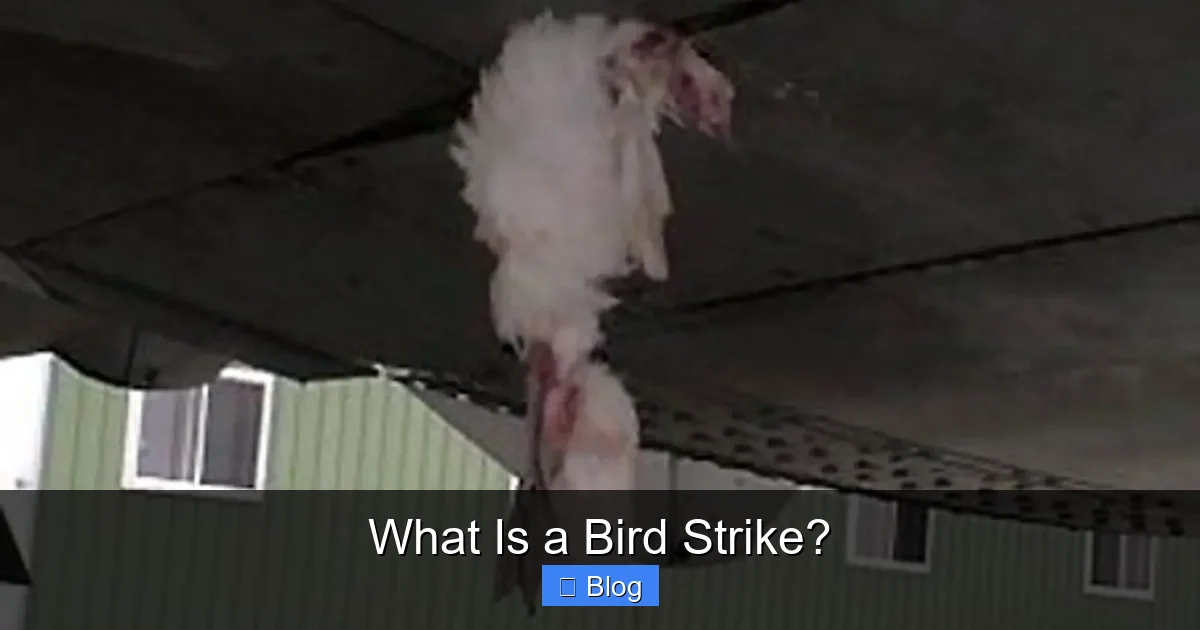
- Wing and Fuselage Strikes: Impacts to the wings, fuselage, or tail section can cause dents, punctures, or damage to control surfaces. While less critical than an engine strike, these still require thorough inspection and repair, leading to downtime and costs.
- Landing Gear Strikes: During takeoff or landing, birds can strike the landing gear components. This might damage hydraulic lines, tires, or structural elements, potentially compromising the aircraft’s ability to land or take off safely.
Understanding these different types of bird strike helps experts assess the risk and develop targeted prevention and mitigation strategies. Each incident, no matter how minor it seems, provides valuable data for improving aviation safety.
The Impact and Risks: Why Bird Strikes Matter
So, why are bird strikes such a big deal? After all, aren’t planes designed to be tough? They certainly are, but the forces involved in a bird strike, especially at high speeds, are tremendous. Think about it: a 5-pound bird hitting an aircraft traveling at 200 knots (about 230 mph) generates an impact force equivalent to dropping a 1,000-pound object from a height of 10 feet! That’s a lot of energy.
The risks associated with bird strikes are multi-faceted, ranging from immediate safety hazards to significant financial burdens. While catastrophic accidents are rare, the potential for them is ever-present, making bird strike prevention a top priority.
Safety Implications of a Bird Strike
The primary concern with any bird strike is safety. Even if an engine doesn’t completely fail, a bird ingestion can cause severe vibrations, a reduction in thrust, or a fire. Pilots are extensively trained to handle such emergencies, but they are emergencies nonetheless. A dual engine bird strike, though incredibly rare, could lead to a complete loss of power, a scenario famously depicted by Captain Chesley “Sully” Sullenberger’s successful landing on the Hudson River after hitting a flock of geese shortly after takeoff.
Visual guide about What Is a Bird Strike?
Image source: a57.foxnews.com
Beyond engines, damage to flight control surfaces (like the flaps or rudder) can impair the aircraft’s ability to maneuver. A compromised windshield could hinder visibility, especially during critical phases of flight like landing in adverse weather. Every bird strike is taken seriously, necessitating immediate action from the flight crew and often requiring the aircraft to return to the airport for inspection.
The Economic Burden of Bird Strikes
The financial impact of bird strikes is staggering. Each year, bird strikes cost the global aviation industry hundreds of millions of dollars. These costs stem from:
- Aircraft Repairs: From small dents to complete engine overhauls, repairs are expensive and require specialized parts and highly skilled technicians.
- Grounding and Delays: When an aircraft needs to be inspected or repaired after a bird strike, it’s grounded. This leads to flight delays, cancellations, and missed connections, costing airlines revenue and causing significant inconvenience for passengers.
- Fuel Dumping: If an aircraft is heavily laden with fuel and needs to return to the airport immediately after a bird strike, it might have to dump fuel to reduce its weight for a safe landing, leading to environmental concerns and further costs.
- Preventive Measures: Investing in wildlife management programs, deterrent technologies, and staff training also contributes to the overall cost, though these are seen as essential investments to avoid much higher costs associated with incidents.
The cumulative effect of these costs makes bird strike mitigation an economic imperative, not just a safety one.
Where and When Do Bird Strikes Happen? Common Scenarios
You might imagine a bird strike happening anywhere in the sky, but the reality is that they are far more concentrated in specific areas and during particular phases of flight. Understanding these patterns is key to developing effective prevention strategies.
Most bird strikes occur at lower altitudes, typically below 3,500 feet, and overwhelmingly within the airport environment or its immediate vicinity. This makes sense when you consider that birds are most active in these lower airspaces, feeding, nesting, and migrating.
Phases of Flight Most Affected
- Takeoff and Climb: As an aircraft accelerates down the runway and begins to climb, it’s moving at high speed through prime bird habitat. Birds flushed from nearby fields or crossing the runway are at high risk of collision.
- Approach and Landing: Similarly, during descent and final approach, aircraft are at low altitudes, often directly interacting with bird populations that frequent airport surroundings, such as gulls, geese, and various raptors.
- Cruising Altitude: While rarer, bird strikes can occur at higher altitudes. These are often attributed to migrating flocks of birds, which can fly thousands of feet up, or individual large birds like vultures. However, the vast majority occur much closer to the ground.
Seasonal and Environmental Factors
Bird strike incidents are not evenly distributed throughout the year. They tend to peak during certain seasons:
- Spring and Fall Migrations: These periods see huge numbers of birds moving across continents, often flying in large flocks. This significantly increases the probability of a bird strike.
- Breeding Season: During spring and summer, bird populations are at their highest, with many young, inexperienced birds in the airspace, increasing local activity around airports.
- Time of Day: Dusk and dawn are often periods of increased bird activity, as birds move to and from feeding or roosting sites. This coincides with busy airport operational hours, creating a higher risk window for a bird strike.
Environmental factors like weather (fog, rain) can also play a role, reducing visibility for both pilots and birds, making avoidance more difficult. Certain types of birds, like larger, flocking species (geese, gulls, starlings) or birds of prey, are more frequently involved in significant bird strike incidents due to their size and flight patterns.
Mitigating the Risk: Strategies for Bird Strike Prevention
Given the safety and economic implications, preventing bird strikes is a massive undertaking involving a global network of aviation professionals, wildlife biologists, and engineers. It’s a continuous, evolving effort that uses a variety of ingenious techniques.
The goal isn’t necessarily to eliminate every single bird from the airport vicinity – that’s often impossible and ecologically undesirable. Instead, it’s about making the airport environment less attractive to birds and using deterrents to reduce the likelihood of them being in the wrong place at the wrong time.
Airport Wildlife Management Programs
This is the frontline of bird strike prevention. Airports around the world employ dedicated wildlife control units. Their tasks include:
- Habitat Modification: This involves making the airport environment less appealing to birds. Examples include planting less attractive vegetation (species that don’t produce berries or attract insects), improving drainage to eliminate standing water (which attracts waterbirds), and managing grass height.
- Active Dispersal: Wildlife control specialists use various methods to scare birds away from active runways and airspaces. These can include pyrotechnics (like cracker shells or “bangers”), distress calls played through loudspeakers, laser pointers, and even trained falcons or dogs.
- Exclusion: For smaller areas or structures, physical barriers like netting can prevent birds from nesting or roosting.
- Lethal Control (Last Resort): In very rare cases, and only after all non-lethal methods have failed to address a persistent, high-risk species, lethal control might be employed under strict regulations and permits. This is always a last resort to protect human life.
Technological Advancements in Bird Strike Prevention
Technology plays an increasingly important role in reducing bird strikes:
- Bird-Detecting Radar: Specialized radar systems can track bird flocks in the vicinity of airports, providing real-time information to air traffic controllers and pilots, allowing them to adjust flight paths or delay operations if necessary.
- Aircraft Design: Aircraft manufacturers continuously work to improve engine resilience to bird ingestion and strengthen windshields. While engines can’t be made entirely immune to large bird strikes, design improvements help mitigate the damage.
- Acoustic Deterrents: Research is ongoing into developing more effective acoustic deterrents that can be used on aircraft or at airports to scare birds away without negatively impacting other wildlife or humans.
Pilot education is also vital. Pilots receive training on how to scan for birds, how to react during a bird strike, and the importance of reporting incidents. Air traffic controllers also play a role by relaying bird activity reports to pilots.
What Happens After a Bird Strike? Procedures and Reporting
Even with the best prevention strategies, bird strikes still occur. What happens next is a critical part of maintaining aviation safety and learning from each incident. The response involves a coordinated effort from the flight crew, air traffic control, and ground personnel.
Immediate Actions by Flight Crew
If a pilot suspects or confirms a bird strike, especially one involving an engine or other critical component, their primary responsibility is to ensure the safety of the aircraft and its occupants. This typically involves:
- Assessing Damage: Pilots will check instruments for indications of engine damage, vibrations, or other anomalies. They may perform visual checks if possible.
- Notifying Air Traffic Control (ATC): The crew will immediately inform ATC of the bird strike, providing details about the impact, any observed damage, and their intentions (e.g., returning to the airport, diverting).
- Following Emergency Procedures: If an engine is compromised, pilots will execute standard operating procedures for engine failure or damage. This includes checklists to manage the situation and prepare for a potential emergency landing.
- Returning to Base or Diverting: Often, the safest course of action after a significant bird strike is to return to the departure airport or divert to the nearest suitable airport for a thorough inspection.
Ground Inspections and Maintenance
Once the aircraft lands, a comprehensive inspection is mandatory. Highly trained maintenance technicians will:
- Visually Inspect: They’ll look for dents, blood, feathers, or other signs of impact on the fuselage, wings, tail, landing gear, and most importantly, inside the engine intakes and exhaust.
- Borescope Inspections: For engines, a borescope (a small camera) is often used to inspect internal components for damage to fan blades, compressor stages, and turbine sections.
- Repair or Replace: Depending on the severity, repairs can range from patching a small dent to replacing an entire engine. This process can take hours, days, or even weeks, significantly impacting airline operations.
The Importance of Reporting a Bird Strike
Every bird strike, no matter how minor, must be reported. This data is invaluable for aviation safety organizations like the FAA (Federal Aviation Administration) in the U.S. and ICAO (International Civil Aviation Organization) globally. These reports are anonymized and compiled into large databases, allowing experts to:
- Identify Trends: Spot patterns in bird strike locations, times, bird species involved, and aircraft types.
- Assess Risk: Understand which bird species pose the greatest threat and during which periods.
- Develop Better Strategies: Inform the development of new prevention techniques, airport wildlife management protocols, and aircraft design improvements.
Without this consistent reporting, our understanding of bird strike phenomena would be severely limited, hindering efforts to make air travel safer.
Protecting Our Skies: The Ongoing Effort to Reduce Bird Strikes
The battle against bird strikes is a never-ending one. Birds have been sharing our skies for millions of years, and they’re not going anywhere. As air traffic increases and urban development encroaches on natural habitats, the interface between birds and planes becomes ever more complex. Therefore, the effort to reduce bird strikes requires constant vigilance, innovation, and collaboration.
It’s a shared responsibility that extends beyond pilots and airport staff. Researchers are continuously studying bird behavior, migration patterns, and the effectiveness of various deterrents. Engineers are looking for ways to build even more resilient aircraft components. Urban planners are considering bird habitats when developing areas around airports.
A Collaborative Approach to Bird Strike Management
No single entity can solve the bird strike challenge alone. It requires:
- International Cooperation: Since birds migrate across borders, international sharing of data and best practices is essential. Organizations like ICAO facilitate this global effort.
- Research and Development: Continued investment in understanding wildlife behavior and developing new technologies, from advanced radar to bio-acoustics.
- Community Engagement: Educating local communities around airports about the importance of not attracting wildlife (e.g., by improper waste disposal) is crucial.
- Policy and Regulation: Governments and aviation authorities establish regulations and guidelines for wildlife management at airports, ensuring consistency and effectiveness.
Every single measure, from managing the grass height around a runway to the sophisticated design of a jet engine, contributes to the overall safety net against bird strikes. It’s a testament to human ingenuity and dedication to safety that, despite the vast numbers of birds in our skies, serious bird strike incidents remain relatively rare.
The Future of Bird Strike Prevention
What does the future hold for bird strike prevention? We can expect to see further advancements in:
- Artificial Intelligence and Machine Learning: AI could analyze vast amounts of bird strike data to predict risk more accurately, identify emerging patterns, and optimize deterrent strategies.
- Drone Technology: Drones could potentially be used to monitor bird activity, deploy advanced acoustic deterrents, or even herd birds away from critical airspace.
- Passive Deterrents: Developing new materials or coatings for aircraft that naturally deter birds without active intervention could be a game-changer.
- Increased Automation: Automated wildlife detection and dispersal systems could provide more consistent and rapid responses to bird threats.
Ultimately, the goal is to coexist safely with wildlife. While completely eliminating bird strikes might be an impossible dream, continuously reducing their frequency and severity remains a vital mission for everyone involved in keeping our skies safe.
Conclusion
So, “What is a bird strike?” It’s far more than a simple collision; it’s a complex aviation safety challenge with significant operational, financial, and human implications. From the initial impact to the meticulous reporting and extensive prevention efforts, every aspect of a bird strike underscores the fragility and incredible resilience of modern air travel.
The dedicated work of countless professionals – pilots, air traffic controllers, wildlife biologists, engineers, and ground crews – ensures that the risk of bird strikes is continuously minimized. Next time you board a flight, take a moment to appreciate the intricate systems and tireless efforts behind the scenes, all working to ensure your journey is as safe and smooth as possible, even when sharing the skies with our feathered friends. The ongoing commitment to understanding and mitigating this unique threat is a prime example of the aviation industry’s unwavering dedication to safety.
Frequently Asked Questions
What is the most common time for a bird strike?
Bird strikes are most common during daylight hours, particularly around dawn and dusk, when birds are most active. The majority of incidents occur during the takeoff and landing phases of flight, at altitudes below 3,500 feet.
What are the most common birds involved in bird strikes?
The species most frequently involved in bird strikes tend to be those that are large, flocking, or common around airport environments. Gulls, geese (especially Canada geese), and various species of raptors (hawks, eagles) are often cited due to their size and flight patterns.
How are airports trying to prevent bird strikes?
Airports implement comprehensive wildlife management programs. These include habitat modification (e.g., managing vegetation, drainage), active dispersal methods (e.g., pyrotechnics, distress calls, trained dogs or falcons), and sometimes bird-detecting radar to warn pilots and air traffic control.
Are aircraft engines designed to withstand bird strikes?
Yes, aircraft engines are designed and certified to withstand certain levels of bird ingestion without catastrophic failure. They must pass rigorous tests, including ingesting birds of specific weights and sizes, to ensure they can continue to operate or be safely shut down after an impact.
What should a pilot do after a bird strike?
After a bird strike, a pilot’s first priority is to ensure the safety of the aircraft and passengers. They will assess any damage, inform Air Traffic Control, and follow emergency procedures, which often involve returning to the airport for a thorough inspection or diverting to the nearest suitable airfield.
Why is reporting every bird strike important, even minor ones?
Reporting every bird strike, regardless of severity, is crucial for data collection. This information helps aviation authorities identify trends, understand common bird strike scenarios, develop more effective prevention strategies, and continually improve aircraft design and operational procedures to enhance safety.