
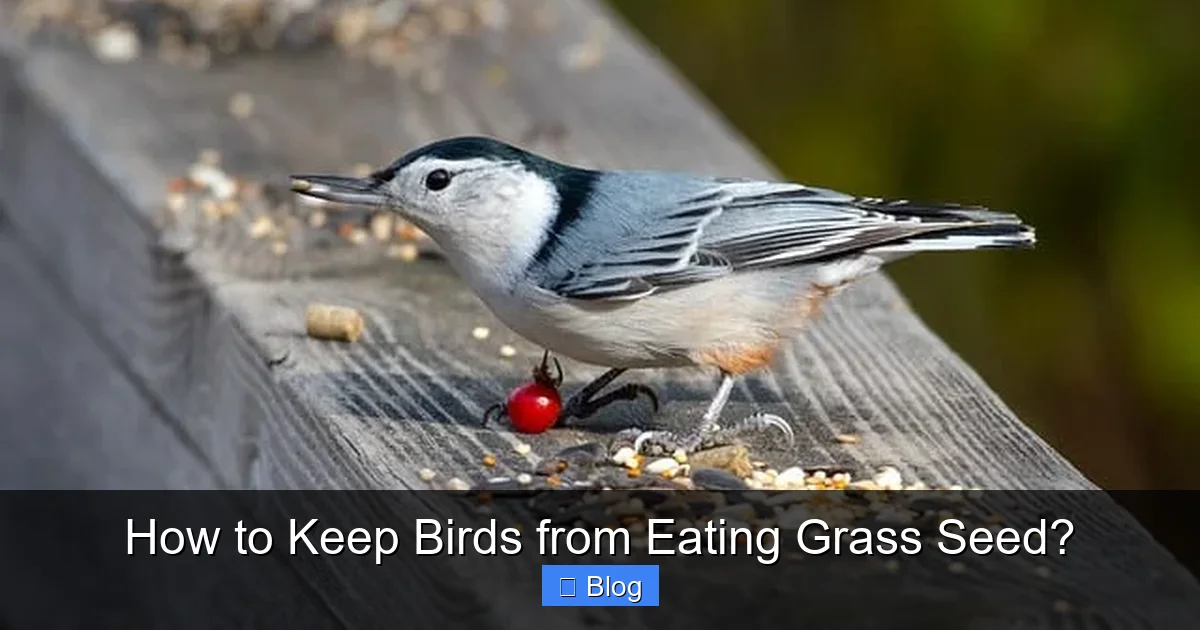
Stopping birds from eating your newly sown grass seed can be a challenge, but it’s entirely achievable with the right strategies. The most effective methods combine physical barriers like netting or straw mulch with visual and auditory deterrents, alongside strategic timing of your seeding. By understanding bird behavior and implementing a multi-pronged approach, you can protect your investment and ensure your grass seed germinates successfully for a beautiful, lush lawn.
How to Keep Birds from Eating Grass Seed?
Oh, the joy of a freshly seeded lawn! You’ve spent the time, effort, and money, carefully preparing the soil, spreading that precious grass seed, and dreaming of a lush, green carpet. Then, you look out the window, and what do you see? A flock of your feathered friends, happily feasting on your investment! It’s a common, frustrating problem that many homeowners face: how to keep birds from eating grass seed.
It can feel like an uphill battle. Birds are quick, persistent, and seem to have an uncanny ability to spot a free meal from a mile away. But don’t despair! There are many effective strategies you can employ to protect your grass seed and give it the best chance to grow. This guide will walk you through a range of practical tips and tricks, helping you understand bird behavior and implement a multi-pronged defense to ensure your lawn grows thick and beautiful. Say goodbye to patchy spots and hello to a vibrant green space!
Key Takeaways
- Strategic Timing is Crucial: Seeding in late summer or early fall often reduces bird activity compared to spring, and sowing at the correct depth makes seed less accessible.
- Physical Barriers are Most Effective: Covering newly seeded areas with bird netting, straw mulch, or burlap is the most reliable way to physically prevent birds from reaching your grass seed.
- Utilize Visual and Auditory Deterrents: Reflective objects, predator decoys (like owls), and noisemakers can temporarily scare birds away, but their effectiveness can diminish over time.
- Consider Seed Repellents: Some grass seeds come with bird-repellent coatings (often capsaicin-based) that make them unappealing without harming birds.
- Divert with Alternative Food Sources: Placing bird feeders with more attractive seed mixes away from your newly seeded lawn can draw birds elsewhere, offering a peaceful solution.
- Combine Multiple Methods for Best Results: No single solution is foolproof. A layered approach using several techniques simultaneously provides the strongest defense against birds eating grass seed.
Quick Answers to Common Questions
What is the most effective method to keep birds from eating grass seed?
Physical barriers like bird netting or a thin layer of weed-free straw mulch are generally considered the most effective methods because they directly prevent birds from accessing the seeds.
Can I use a scarecrow to deter birds from grass seed?
Yes, scarecrows or predator decoys (like plastic owls or snakes) can work, but their effectiveness diminishes if they’re not moved frequently. Birds are smart and will learn it’s not a real threat if it stays in the same spot.
Does watering more frequently help prevent birds from eating grass seed?
While proper watering is crucial for germination, simply watering more doesn’t directly deter birds. However, moist soil helps grass seed settle, making it slightly less visible and accessible, but it’s not a primary deterrent.
Are bird-repellent grass seed coatings safe for birds?
Yes, most commercial bird-repellent coatings for grass seed use capsaicin (from hot peppers), which birds find irritating but harmless. They simply learn to avoid the unpleasant taste.
How long do I need to protect my grass seed from birds?
You should protect your grass seed until it has germinated and the seedlings are established, typically for 2-4 weeks after planting, depending on the grass type and growing conditions. Once the grass is visibly growing, birds are less interested in the remaining seeds.
📑 Table of Contents
- Understanding the Foe: Why Birds Love Grass Seed
- Timing is Everything: Strategic Seeding Practices
- Physical Barriers: The Most Direct Approach
- Visual and Auditory Deterrents: Scaring Them Away
- Taste Aversion and Repellents: Making Seed Less Appealing
- Diversion Tactics: Giving Them Something Else
- The Multi-Pronged Approach: Combining Strategies for Success
- Conclusion
Understanding the Foe: Why Birds Love Grass Seed
Before we dive into solutions, let’s understand why birds are so keen on your grass seed. It’s not personal; it’s simply an irresistible, easy food source for them.
A Nutritional Bonanza
Grass seeds, especially the larger varieties like ryegrass or fescue, are packed with carbohydrates and fats, providing essential energy for birds. They are a readily available, high-energy snack, especially during migration periods or when natural food sources are scarce. Birds are opportunistic feeders, always looking for the easiest meal, and a freshly sown lawn is essentially an open buffet.
Easy Pickings
When you broadcast grass seed, it sits exposed on the soil surface or just barely covered, making it incredibly easy for birds to spot and gobble up. Doves, pigeons, sparrows, finches, and even larger birds like jays or starlings are common culprits. They’ll flock together, quickly clearing large areas of seed in a surprisingly short amount of time. Knowing this motivation helps us plan our defense.
Timing is Everything: Strategic Seeding Practices
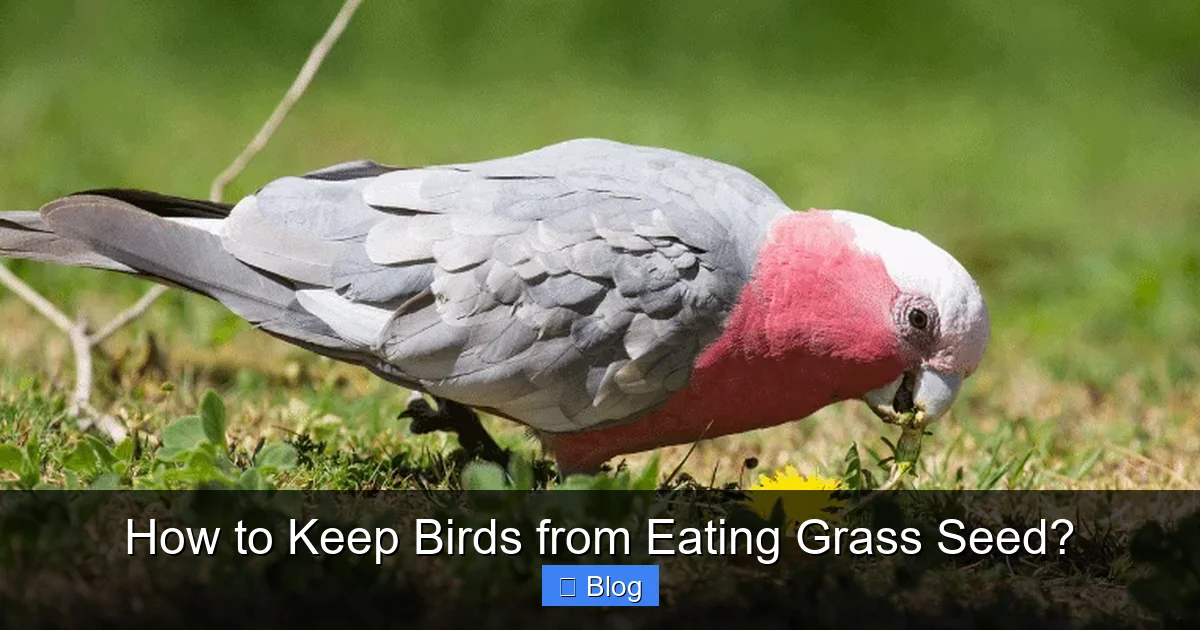
Visual guide about How to Keep Birds from Eating Grass Seed?
Image source: birdsphere.com
One of the simplest yet most effective ways to mitigate the problem of birds eating grass seed is to rethink *when* and *how* you plant.
When to Plant: Avoiding Peak Bird Activity
The best time to plant grass seed often depends on your region, but generally, late summer to early fall is ideal. Why?
- Reduced Bird Pressure: Many migratory birds have already moved on, and resident birds might have other natural food sources available. Spring planting, while common, often coincides with peak nesting season when birds are actively foraging to feed their young, making grass seed an even more attractive option.
- Optimal Growing Conditions: Fall also offers cooler temperatures and more consistent moisture, which are perfect for grass seed germination and root development, giving your lawn a head start before winter.
Seeding Depth: Not Too Shallow, Not Too Deep
While you want the seed to have good soil contact, simply broadcasting it on top of the soil is an open invitation for birds.
- Lightly Rake or Roll: After spreading your seed, lightly rake it into the top 1/4 inch of soil. This helps embed the seed, making it harder for birds to see and access. A lawn roller can also gently press seeds into the soil surface.
- Avoid Deep Burying: Don’t bury the seed too deeply (more than 1/2 inch) as this can hinder germination. The goal is to hide it just enough while still allowing light and moisture to reach it.
Physical Barriers: The Most Direct Approach
When it comes to how to keep birds from eating grass seed, physical barriers are arguably the most reliable method because they physically prevent access.
Bird Netting: A Protective Canopy
Bird netting is a fantastic solution for smaller to medium-sized areas.
- Installation: Drape fine mesh bird netting over your newly seeded lawn. You’ll need stakes or poles to elevate the netting a few inches above the ground, creating a canopy. This prevents birds from landing directly on the seeded area.
- Secure Edges: Make sure the edges of the netting are secured to the ground with landscape staples or by weighing them down with rocks or bricks. This prevents birds from sneaking underneath.
- Durability: Netting is reusable and can protect your seed until the grass is established, typically a few weeks.
Straw Mulch: A Natural Cover
Clean, weed-free straw (often sold as “garden straw” or “pine straw”) is an excellent, biodegradable option.
- Application: After seeding, spread a very thin layer of straw over the entire area. The key is “thin” – you should still be able to see about 50% of the soil beneath it. Too much straw will smother your germinating grass.
- Benefits: Straw hides the seeds from birds, helps retain soil moisture, and insulates the seeds, promoting better germination. As the grass grows, it will push through the straw.
- Caution: Ensure you use weed-free straw to avoid introducing unwanted plants into your lawn.
Burlap or Fabric Covers: Temporary Protection
For very small, specific areas, burlap or landscape fabric can be used.
- Cover and Anchor: Lay pieces of burlap or lightweight landscape fabric directly over the seeded area and secure the edges.
- Watering: Water *through* the fabric. This keeps the seed moist and allows water to penetrate.
- Remove Promptly: Once germination begins (you see tiny green sprouts), remove the covers to allow the new grass to get sunlight and grow without being hindered. This is a temporary solution, typically for just a few days to a week.
Visual and Auditory Deterrents: Scaring Them Away
Birds are naturally wary of predators and unfamiliar objects. Leveraging this instinct can help deter them, though their effectiveness can diminish over time as birds become accustomed to them.
Reflective Objects: The Glare Game
Birds are often spooked by sudden flashes of light.
- Mylar Tape/Ribbon: Tie strips of shiny mylar tape or ribbon to stakes placed throughout your seeded area. The fluttering, reflective material will create unpredictable flashes and movement.
- Old CDs/Pie Plates: Hang old CDs or aluminum pie plates from strings or stakes. As they spin and catch the sun, they’ll create dazzling reflections that can scare birds.
- Placement: Distribute these objects widely and change their position occasionally to keep birds guessing.
Decoys: Faux Predators
Mimicking predators can be a good way to keep birds from eating grass seed, but requires regular attention.
- Owl Decoys: Plastic owl decoys, especially those with rotating heads or reflective eyes, can be effective. Place them prominently.
- Snake Decoys: Rubber snakes can also work, especially if placed near the ground.
- Movement is Key: Birds are smart. If a decoy is always in the same spot, they’ll quickly learn it’s not a real threat. Move your decoys every few days to maintain the illusion.
Wind Chimes and Noisemakers: A Sonic Defense
Unpredictable sounds can startle birds.
- Wind Chimes: Hang wind chimes near the seeded area. Their random sounds can be unnerving to birds.
- Sonic Repellers: Some commercial devices emit high-frequency sounds or predator calls, though their effectiveness varies and they can sometimes be irritating to pets or even humans.
Taste Aversion and Repellents: Making Seed Less Appealing
If you can make the grass seed taste bad or feel uncomfortable, birds will move on.
Bird-Repellent Seed Coatings
Some grass seed manufacturers offer seeds coated with natural bird repellents.
- Capsaicin-Based Coatings: The most common repellent is derived from hot peppers (capsaicin). Birds have a different physiological reaction to capsaicin than mammals; it irritates their mucous membranes but doesn’t harm them. They learn quickly to avoid these seeds.
- Safety: These coatings are generally safe for birds and other wildlife, as the taste is simply unpleasant.
- Effectiveness: This is a very targeted approach, directly making the food source unappealing.
Homemade Repellents (Use with Caution)
While some people experiment with homemade solutions, their effectiveness and safety can be questionable.
- Hot Pepper Spray: Some suggest mixing hot pepper flakes or cayenne powder with water and spraying it on the seeds. However, this washes off easily, needs frequent reapplication, and its direct impact on birds is not as controlled as commercial coatings.
- Always prioritize bird safety and environmental impact when considering DIY solutions.
Diversion Tactics: Giving Them Something Else
Sometimes, the best offense is a good diversion. Why not give the birds a better option elsewhere?
Offer a Dedicated Bird Feeder
If birds are looking for an easy meal, provide one that isn’t your grass seed.
- Strategic Placement: Place a bird feeder with a mix of black oil sunflower seeds, Nyjer seed, or a general wild bird mix in an area *away* from your newly seeded lawn.
- Consistent Supply: Keep the feeder consistently filled. Birds are creatures of habit and will gravitate towards a reliable food source.
- Benefits: This not only draws them away from your lawn but also gives you the pleasure of watching birds in a designated area.
Water Source
Birds also need water. Providing a bird bath or a shallow water source away from your lawn can also serve as a diversion. A consistent water supply can attract them to a different part of your yard, reducing their focus on your grass seed.
The Multi-Pronged Approach: Combining Strategies for Success
The truth is, no single method is 100% foolproof. Birds are intelligent and adaptable. The most effective way to keep birds from eating grass seed is to combine several strategies.
For example, you might:
- Plant in the fall.
- Lightly rake the seeds into the soil.
- Cover the area with a thin layer of weed-free straw.
- Supplement with reflective mylar strips and an occasional owl decoy that you move regularly.
- Maintain a well-stocked bird feeder in a distant corner of your yard.
This layered defense creates an environment that is confusing, unappealing, and difficult for birds to access, significantly increasing your grass seed’s chances of survival.
Conclusion
Seeing birds make a meal out of your newly sown grass seed can be incredibly disheartening, but with the right knowledge and a little persistence, you can protect your investment. By understanding why birds are attracted to grass seed and implementing a combination of strategic timing, physical barriers, visual and auditory deterrents, and even diversion tactics, you can effectively keep birds from eating grass seed.
Remember, patience and consistency are key. Monitor your lawn regularly, and don’t be afraid to adjust your tactics if one method isn’t working as well as you hoped. With these tips in your arsenal, you’ll be well on your way to achieving that beautiful, dense, and bird-free lawn you’ve always dreamed of. Happy seeding!
Frequently Asked Questions
How quickly do birds eat grass seed?
Birds can eat a significant amount of grass seed very quickly, sometimes clearing large patches in just a few hours if left undisturbed. Their foraging is rapid and efficient, especially when they are in flocks.
Is it true that birds don’t like certain types of grass seed?
While birds generally prefer larger seeds, they aren’t typically “picky” about grass seed types when it’s easily available. However, some specialized grass seeds are treated with deterrent coatings that make them unpalatable.
Will a regular bird feeder attract more birds to my grass seed?
If placed too close to your newly seeded area, a bird feeder might initially attract more birds to your yard. However, if strategically placed *away* from the lawn and kept full, it can actually act as a diversion, drawing birds to a more appealing and accessible food source.
Can pet hair deter birds from eating grass seed?
Some people try scattering pet hair or human hair as a deterrent, believing the scent of a predator might scare birds away. While it might offer a very slight, temporary effect, it’s generally not considered a reliable or long-term solution compared to physical barriers or strong visual deterrents.
What is the best way to cover grass seed?
The best way to cover grass seed is with a very thin layer of weed-free straw mulch, ensuring you can still see about 50% of the soil. Alternatively, lightly raking the seeds into the top 1/4 inch of soil provides good coverage and contact without burying them too deeply.
When should I remove bird deterrents from my lawn?
You should remove most bird deterrents (like netting or covers) once your grass seed has successfully germinated and the new grass blades are visibly established, typically after 2-4 weeks. Once the grass is growing, birds are no longer interested in the tiny remaining seeds.