

Dealing with bird mites can be an itchy, uncomfortable experience, often triggered when birds abandon their nests near your home. This guide provides a complete roadmap to identify, eliminate, and prevent these tiny pests. You’ll learn essential steps from immediate containment and thorough cleaning to effective natural treatments and when professional help is necessary, ensuring your home becomes a mite-free sanctuary once again.
Have you ever experienced an invisible itch, a creepy-crawly sensation on your skin, or tiny, reddish-brown specks appearing out of nowhere? If so, you might be dealing with a common, yet incredibly irritating, household invader: bird mites. These microscopic pests are a homeowner’s nightmare, especially when their primary hosts – birds – decide to vacate a nearby nest, leaving the mites to search for a new blood meal, often indoors.
The good news is that while bird mites are bothersome, they aren’t usually disease carriers to humans. However, their bites can cause significant discomfort, ranging from itchy welts to a persistent crawling sensation that can drive anyone batty. The key to regaining your peace of mind and a comfortable home is understanding exactly how to get rid of bird mites effectively and prevent their return. It’s a battle of vigilance and thoroughness, but with the right strategy, you can send these unwelcome guests packing for good.
This comprehensive guide will walk you through every step of the process, from identifying these tiny intruders to implementing powerful cleaning regimens, exploring natural and chemical treatments, and ultimately, safeguarding your home against future infestations. Think of it as your ultimate playbook for tackling bird mites head-on, turning your home back into a sanctuary, free from those irritating, unseen nuisances.
Key Takeaways
- Identify the Source: Bird mites almost always originate from abandoned bird nests or bird activity close to your home. Removing the source is the crucial first step.
- Thorough Cleaning is Key: Vacuuming extensively, steam cleaning carpets and upholstery, and wiping down all surfaces with disinfectants are vital to physically remove mites and their eggs.
- Personal Care Matters: If you suspect you have bird mites on your skin, shower immediately with hot, soapy water, and wash all your clothes and bedding in hot water.
- Natural Solutions Offer Help: Diatomaceous earth can be highly effective by dehydrating mites, and certain essential oils or vinegar solutions can act as repellents and cleaning agents.
- Consider Chemical Options Carefully: Over-the-counter pesticides can be used, but always follow instructions precisely. For persistent or severe infestations, professional pest control is the most reliable solution.
- Prevention is Best: Regularly inspect your home for nests, seal cracks and crevices, and maintain good sanitation to deter birds from nesting too close and prevent future mite problems.
Quick Answers to Common Questions
Can bird mites live on humans permanently?
No, bird mites cannot complete their life cycle on humans. They need a bird host to reproduce. While they will bite humans seeking a blood meal, they cannot thrive or establish a permanent colony on you.
How long do bird mites live without a host?
Bird mites can survive for several weeks without a bird host, typically 2-3 weeks, but sometimes up to 4-5 weeks, especially in cool, humid conditions. Their survival duration is a key reason why they can become a problem indoors after birds abandon a nest.
Do bird mites bite pets?
Yes, bird mites can bite pets like cats and dogs. If birds have nested near your home, their mites might migrate to your pets, causing intense itching and discomfort, similar to what humans experience.
What kills bird mites instantly?
Heat is one of the quickest ways to kill bird mites. Hot water (above 140°F/60°C) and high heat from a dryer or steam cleaner can kill them on contact. Certain pesticides, particularly those with pyrethrins, can also provide rapid knockdown.
Should I throw out furniture if I have bird mites?
Generally, no. Throwing out furniture is usually an overreaction. Thorough vacuuming, steam cleaning, and treating upholstered items with appropriate dusts (like diatomaceous earth) or sprays are typically sufficient to eliminate mites from furniture.
📑 Table of Contents
Understanding Bird Mites: Identification and Behavior
Before you can effectively fight an enemy, you need to understand it. Bird mites, also known as chicken mites or poultry mites (Dermanyssus gallinae), are tiny arachnids, related to ticks and spiders, that primarily feed on the blood of birds. They are opportunistic and will happily infest your home if their original hosts are no longer available.
What Do Bird Mites Look Like?
These creatures are minuscule, often no larger than a pinpoint. Before feeding, they are typically grayish-white or translucent. After a blood meal, however, they swell slightly and turn a reddish-brown or black color, making them a bit more visible to the naked eye, especially against light surfaces. They have eight legs and move surprisingly quickly for their size. If you see tiny, moving specks, particularly after dark, you might be looking at a bird mite.
Where Do Bird Mites Come From?
The vast majority of bird mite infestations in homes originate from abandoned bird nests. When baby birds fledge and leave the nest, or adult birds desert it, the mites lose their food source. Starving, they then migrate from the nest, through cracks, crevices, windows, and vents, directly into your living space in search of a new host – which, unfortunately, often means you and your pets. Nests in eaves, attics, chimneys, window sills, or even dense shrubbery close to the house are common culprits. Poultry operations can also be a source if you live nearby or handle chickens.
Are Bird Mites Dangerous to Humans?
No, bird mites are generally not considered dangerous to humans in the sense of transmitting diseases. Unlike mosquitoes or ticks, they aren’t known to carry pathogens that affect people. Their primary impact is the irritation and discomfort caused by their bites. These bites typically appear as small, red, itchy bumps, similar to mosquito bites or flea bites. The constant itching and sensation of crawling can lead to skin irritation, secondary infections from scratching, and significant psychological distress due to the persistent feeling of being infested.
Signs of a Bird Mite Infestation
Recognizing the signs early can help you get rid of bird mites faster. Look out for:
- Itchy Bites: Small, red, itchy bumps on your skin, often appearing in clusters or lines. They can occur anywhere on the body, but are often noticed around the ankles, arms, or torso.
- Crawling Sensation: A distinct feeling of something crawling on your skin, especially at night when mites are most active. This is a very common and unsettling symptom.
- Visible Mites: Tiny, moving specks on light-colored surfaces like sheets, walls, furniture, or computer screens. You might need a magnifying glass to confirm.
- Pet Irritation: Your pets (dogs, cats) might scratch excessively, even if they don’t have fleas, suggesting mites might be bothering them.
- “Pinprick” Feelings: A sudden, sharp, localized itch that feels like a tiny pinprick.
- Seasonal Occurrence: Infestations often coincide with late spring or early summer when birds are nesting and then abandoning those nests.
Immediate Steps: Containing the Outbreak
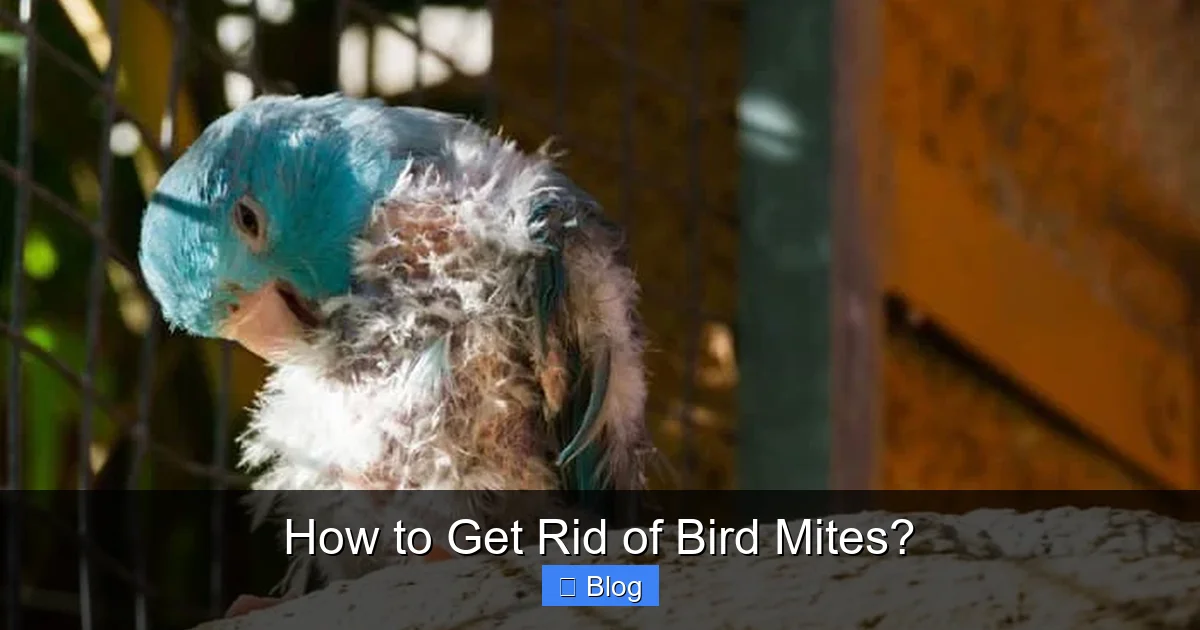
Visual guide about How to Get Rid of Bird Mites?
Image source: thayerbirding.com
Once you suspect bird mites, immediate action is crucial to prevent the problem from spreading and to alleviate your discomfort.
Identify and Remove the Source
This is the single most important step. Without removing the source, you’ll be fighting a losing battle.
- Locate Nests: Carefully inspect your home’s exterior, especially around windows, eaves, attics, chimneys, and vents. Look for any active or abandoned bird nests.
- Safe Removal: Once a nest is found, especially an abandoned one, remove it. Wear gloves, a long-sleeved shirt, and a mask to avoid direct contact with mites. Place the nest in a sealed plastic bag and dispose of it immediately in an outdoor trash bin. It’s best to remove nests *after* birds have permanently left, to avoid disturbing active wildlife. If you suspect active bird activity and cannot wait, consult with a pest control professional.
- Clean Affected Areas: After removal, thoroughly clean the area where the nest was located with hot, soapy water and a disinfectant.
Personal Protection and Relief
If mites are crawling on you, it’s understandably distressing.
- Shower Immediately: Take a hot, soapy shower, using a washcloth to gently scrub your skin. Focus on areas where you feel itching or crawling.
- Change and Wash Clothes: Put on fresh, clean clothes. Immediately place all worn clothes, including pajamas and bedding, into a hot wash cycle (at least 140°F or 60°C) and then tumble dry on high heat.
- Resist Scratching: Itching can be intense, but try not to scratch to avoid breaking the skin and causing secondary infections. Over-the-counter anti-itch creams (hydrocortisone, calamine lotion) or antihistamines can provide relief.
Laundry Protocol for All Fabrics
All fabrics that could potentially harbor mites need immediate attention.
- Hot Water Wash: Wash all bedding, blankets, curtains, throw rugs, and any potentially exposed clothing in the hottest water setting your fabrics can tolerate.
- High Heat Drying: Follow with a full cycle in a hot dryer. The high heat is essential to kill mites and their eggs.
- Dry Cleaning: For delicate items that can’t be hot-washed, dry cleaning is an effective option.
Cleaning and Disinfecting Your Home Thoroughly
Once the source is removed and your personal immediate relief taken care of, it’s time to launch a full-scale assault on your home’s interior. Thorough cleaning is absolutely non-negotiable when you want to get rid of bird mites.
Vacuuming: Your First Line of Defense
Vacuuming is paramount for physically removing mites, eggs, and skin flakes they might be feeding on.
- Daily, Extensive Vacuuming: Vacuum all carpets, rugs, upholstered furniture, and mattresses daily for at least two weeks. Use a strong vacuum with a HEPA filter if possible.
- Focus on Crevices: Pay extra attention to cracks along baseboards, wall-floor junctions, window sills, and furniture seams using your vacuum’s crevice tool. Mites love to hide in these dark, protected spots.
- Immediate Disposal: After each vacuuming session, immediately remove the vacuum bag or empty the canister contents into a sealed plastic bag and dispose of it in an outdoor trash can. This prevents mites from escaping back into your home.
Steam Cleaning and Hot Water Treatment
Heat is an enemy of bird mites.
- Steam Clean Carpets and Upholstery: If possible, rent or purchase a steam cleaner and thoroughly treat all carpets, rugs, and upholstered furniture. The high temperature of the steam will kill mites and their eggs on contact.
- Hot Water for Hard Surfaces: Mop hard floors (tile, wood, laminate) with hot, soapy water. Consider adding a few drops of eucalyptus or peppermint essential oil to your mop water for an added repellent effect.
Wiping Down Surfaces
Mites can crawl on any surface.
- Disinfectant Wipes/Sprays: Wipe down all hard surfaces, including countertops, shelves, tables, window sills, and even walls, with a good household disinfectant or a strong solution of soap and water.
- Focus on Entry Points: Give extra attention to areas around windows, doors, and vents where mites might have entered.
Focus on Entry Points
Reinforce your defense at their entry points.
- Seal Cracks: Use caulk or weatherstripping to seal any cracks or openings around windows, doors, and utility entry points.
- Inspect Vents: Check exhaust vents and air conditioning units for potential entry points and seal them if necessary. Consider fine mesh screening over vents.
Natural and DIY Remedies for Bird Mites
For those who prefer a less chemical approach, several natural remedies can be quite effective when dealing with bird mites. These work best as part of a comprehensive cleaning strategy.
Diatomaceous Earth (DE)
Diatomaceous Earth (DE) is a popular and very effective natural solution. It’s a fine powder made from the fossilized remains of diatoms (tiny aquatic organisms).
- How it Works: DE works by physically abrading the mite’s exoskeleton and absorbing its waxy outer layer, leading to dehydration and death. It’s a mechanical killer, not a chemical one, so mites cannot develop resistance.
- Application: Use food-grade DE. Lightly sprinkle a thin layer of DE on carpets, pet bedding, around baseboards, window sills, and any areas where you’ve seen mite activity. Leave it for a few hours (or overnight) and then vacuum it up thoroughly. Repeat this process every few days for a couple of weeks.
- Safety: While food-grade DE is safe for humans and pets to be around, it can be an irritant if inhaled in large quantities. Wear a mask when applying and ensure proper ventilation.
Essential Oils
Certain essential oils possess repellent and insecticidal properties.
- Effective Oils: Peppermint, eucalyptus, tea tree oil, and lavender oils are often cited for their pest-repelling qualities.
- Application: Mix 15-20 drops of your chosen essential oil (or a blend) with water in a spray bottle. Add a teaspoon of rubbing alcohol or witch hazel to help the oil disperse. Shake well and spray on surfaces, mattresses (allow to dry completely), and around entry points. Do a patch test on fabrics first to prevent staining.
- Caution: Always dilute essential oils before use. Some essential oils can be toxic to pets, especially cats, so research thoroughly and use with caution in pet-occupied areas.
Boric Acid
Boric acid can be used cautiously as a dust.
- Application: Lightly dust boric acid into cracks, crevices, and wall voids where mites might hide. It works as a desiccant and stomach poison if ingested by pests.
- Caution: Boric acid should be used sparingly and kept out of reach of children and pets. Wear gloves and a mask during application.
Vinegar Solutions
White vinegar is a natural disinfectant and mild repellent.
- Application: Mix equal parts white vinegar and water in a spray bottle. Use it to wipe down hard surfaces, clean floors, and spray around window frames and door jambs. While it won’t kill mites directly, it can help deter them and is excellent for general cleaning.
Chemical Treatments and Professional Help
Sometimes, natural remedies and diligent cleaning aren’t enough, especially with a severe or persistent bird mite infestation. This is when you might consider chemical treatments or calling in the cavalry.
Over-the-Counter Pesticides
A range of over-the-counter insecticides can be used to treat bird mites.
- Pyrethrin-based Sprays: Look for sprays containing pyrethrins or synthetic pyrethroids (like permethrin or bifenthrin). These are nerve agents for insects and mites, causing paralysis and death.
- Application: Carefully read and follow all label instructions. Apply to baseboards, window sills, cracks, crevices, and other areas where mites are seen. Do not spray directly on bedding or clothing unless specifically indicated by the product label.
- Safety Precautions: Always ensure adequate ventilation. Keep children and pets away from treated areas until the spray has dried. Repeated applications may be necessary.
Foggers and Insect Bombs
While tempting for their ease of use, foggers (also known as “bug bombs”) have limitations for bird mites.
- Effectiveness: Foggers primarily kill exposed pests and often fail to penetrate deep into cracks, crevices, or beneath furniture where mites hide. They also don’t target eggs.
- Safety Concerns: They disperse chemicals widely and require evacuating your home. Incorrect use can be dangerous. They are generally not recommended as a sole solution for bird mites.
When to Call a Professional
Don’t hesitate to seek professional help if:
- Persistent Infestation: You’ve tried all DIY methods, and the mites keep returning or the problem doesn’t subside after a few weeks.
- Severe Infestation: You’re seeing a large number of mites daily, or they are affecting multiple rooms.
- Peace of Mind: You simply want the problem solved quickly and effectively by experts.
- Difficult Access: The source (e.g., a nest in a chimney or a hard-to-reach attic) is inaccessible to you.
Professional pest control technicians have access to stronger, more targeted products and the expertise to identify hidden mite sources and apply treatments safely and effectively. They can also provide advice on long-term prevention.
Preventing Future Bird Mite Infestations
The best offense is a good defense. Once you’ve successfully managed to get rid of bird mites, taking proactive steps can help ensure they don’t return.
Bird Nest Management
This is the cornerstone of prevention.
- Regular Inspections: Regularly inspect your home’s exterior, especially in spring and early summer, for any signs of bird nesting activity. Check eaves, soffits, attics, chimneys, window sills, and any sheltered ledges.
- Timely Removal: Once nesting season is over and you are certain birds have vacated a nest, remove it promptly and thoroughly clean the area. This prevents mites from having a place to breed and then disperse.
- Deterrents: Consider installing bird deterrents (e.g., bird spikes, netting, shiny objects) in areas where birds frequently attempt to build nests close to your home.
Seal Entry Points
Make your home less accessible to mites.
- Caulk and Seal: Inspect your home for any cracks, gaps, or openings around windows, doors, utility pipes, and vents. Use caulk, weatherstripping, or appropriate sealants to close these entry points.
- Repair Screens: Ensure all window and door screens are intact and free of tears. Repair any damage promptly.
- Chimney Caps: Install a proper chimney cap to prevent birds and other wildlife from nesting inside.
Maintain Cleanliness
A clean home is a less inviting environment for all pests, including bird mites.
- Consistent Vacuuming: Even after the infestation is gone, regular, thorough vacuuming (especially around baseboards and entryways) can help pick up any stray mites or eggs before they become a problem.
- Declutter: Reduce clutter, as it provides hiding spots for pests.
Bird Feeder Placement and Maintenance
If you enjoy backyard bird watching, be mindful of your feeders.
- Distance from Home: Place bird feeders a good distance away from your house (at least 15-20 feet) to encourage birds to stay further away from your structure.
- Regular Cleaning: Clean bird feeders regularly to prevent disease among birds and deter excessive activity in one spot.
Conclusion
Dealing with bird mites can be an incredibly frustrating and uncomfortable experience, but it’s a battle you absolutely can win. The key lies in a multi-pronged approach: swift identification, thorough removal of the source (the nest), diligent and consistent cleaning, strategic use of natural or chemical treatments, and proactive prevention measures. Remember, persistence is your greatest ally in this fight.
By following the steps outlined in this guide, from vacuuming every nook and cranny to sealing entry points and managing bird nests responsibly, you’ll be well-equipped to get rid of bird mites and restore comfort and peace to your home. Stay vigilant, stay proactive, and soon you’ll be enjoying a mite-free environment, knowing you’ve successfully tackled one of nature’s most annoying little pests.
Frequently Asked Questions
How quickly do bird mites spread throughout a house?
Bird mites can spread surprisingly quickly, often within hours or days of losing their primary bird host. They are active crawlers and will seek out new hosts, moving from the nest’s location through cracks and crevices into adjacent rooms.
Are bird mites visible to the naked eye?
Bird mites are very tiny, about the size of a pinpoint, and difficult to see before feeding. After they’ve had a blood meal, they become engorged and appear as tiny reddish-brown or black specks, making them slightly more visible, especially against light backgrounds.
Can I use a regular vacuum cleaner to remove bird mites?
Yes, a regular vacuum cleaner is effective for physically removing bird mites and their eggs from carpets, upholstery, and hard surfaces. It’s crucial to use attachments to reach cracks and crevices and to immediately dispose of the vacuum bag or canister contents outdoors after each use.
Is it safe to use essential oils around pets for mite control?
While some essential oils can be effective, caution is necessary around pets. Certain oils, especially tea tree oil, can be toxic to cats and dogs even in diluted forms. Always research specific oils and consult with a veterinarian if you plan to use them in areas accessible to your pets.
How long does it take to get rid of a bird mite infestation?
With consistent and thorough treatment, a bird mite infestation can often be eliminated within 2-4 weeks. However, diligence is key, as you need to break their life cycle and ensure all hiding mites and newly hatched eggs are addressed.
What role does sealing cracks play in preventing bird mites?
Sealing cracks, crevices, and other entry points around windows, doors, and utility lines is crucial because it physically blocks bird mites from entering your home. Without these pathways, mites cannot migrate from outdoor nests into your living spaces, preventing infestations before they start.