
Keeping birds away from your house often requires a multi-faceted approach, focusing on understanding and eliminating what attracts them in the first place. By removing food and water sources, installing physical barriers, and employing a variety of visual and auditory deterrents, you can make your home less inviting to our feathered friends without causing them harm. Consistency and regular maintenance of these strategies are crucial for long-term success in deterring birds from your property.
How to Keep Birds Away from House?
Birds are beautiful creatures, bringing life and song to our gardens. However, sometimes their presence can become a bit too close for comfort. When they start nesting in unwanted places, pecking at your siding, leaving droppings on your patio, or even trying to get into your attic, it’s time to take action. You might find yourself asking, “How to keep birds away from house?” without harming them. The good news is there are many effective, humane strategies you can employ to gently encourage birds to find another spot to call home.
Dealing with birds around your house doesn’t have to be a battle. It’s more about understanding what attracts them and then making your home less appealing. From unsightly droppings to potential damage to your property, or even the spread of certain diseases, there are legitimate reasons why you might want to prevent birds from settling too close. This comprehensive guide will walk you through various methods and tips to help you successfully keep birds away from your house, ensuring both your peace of mind and their safety.
Key Takeaways
- Remove Attractants: Eliminate food sources (bird feeders, pet food, fruit trees) and standing water to make your property less appealing to birds.
- Utilize Physical Barriers: Install netting, bird spikes, mesh screens, and chimney caps to block access to common perching and nesting spots.
- Implement Visual and Auditory Deterrents: Use reflective items, decoy predators, wind chimes, or ultrasonic devices to scare birds away, but remember to rotate them for effectiveness.
- Seal Entry Points: Regularly inspect and seal any holes, cracks, or gaps in your home’s exterior, especially in attics, eaves, and vents, to prevent birds from nesting inside.
- Maintain Cleanliness and Landscaping: Keep your yard tidy, prune trees and bushes away from the house, and promptly clean up spills or droppings to reduce bird appeal.
- Employ Humane Methods: Always prioritize solutions that deter birds without causing them injury or distress, respecting local wildlife regulations.
- Be Consistent and Persistent: Bird deterrence is an ongoing process. Regularly check and refresh your deterrents, and be prepared to try different methods for optimal results.
Quick Answers to Common Questions
Are ultrasonic bird repellers truly effective?
The effectiveness of ultrasonic bird repellers is often debated and varies. While some users report success, birds can sometimes habituate to the sound over time, making them less reliable as a standalone solution.
What’s the best way to deter birds from a small balcony?
For a small balcony, consider a combination of reflective items (CDs, Mylar tape), small bird spikes on railings, and possibly fine bird netting across open sections to create a barrier.
Can household items be used as effective bird deterrents?
Yes, many household items can work! Old CDs, aluminum foil strips, rubber snakes, and even motion-activated sprinklers can serve as simple, cost-effective deterrents when used strategically and rotated often.
How often should I clean bird droppings to keep birds away?
You should clean bird droppings as soon as you notice them, ideally daily if the problem is severe. Prompt removal discourages birds from seeing the area as a safe and established roosting spot.
Is it okay to feed birds in my backyard if I want to keep them away from my house?
If you want to keep birds away from your house, it’s generally best to avoid feeding them in your yard, or at least place feeders very far from your home. Any food source, no matter how distant, can attract more birds to your general property.
📑 Table of Contents
Understanding Why Birds Are Attracted to Your Home
Before you can effectively keep birds away from your house, it’s crucial to understand what makes your property so appealing to them in the first place. Birds, like all wildlife, are looking for three basic things: food, water, and shelter. If your home inadvertently provides any of these in abundance, you’re essentially putting out a welcome mat.
Food Sources
One of the biggest draws for birds is readily available food.
- Bird Feeders: While enjoyable for birdwatching, feeders placed too close to the house can attract large numbers of birds, potentially leading to droppings on windows, patios, or roofs.
- Pet Food: Bowls of dog or cat food left outdoors, especially wet food, are irresistible to many bird species.
- Fruit Trees and Berry Bushes: If you have trees or bushes with ripe fruit or berries near your house, birds will certainly flock to them for a tasty meal.
- Crumbs and Spills: Even small crumbs from outdoor eating areas or spills from garbage cans can be enough to attract birds.
Water Sources
Birds need water for drinking and bathing. Any accessible water source can be a magnet.
- Bird Baths: Just like feeders, bird baths are great for attracting birds but can draw them too close.
- Puddles and Gutters: Clogged gutters that hold standing water, or even small puddles after rain, can become popular watering holes.
- Leaky Faucets or Hoses: A dripping faucet or a leaky garden hose provides a consistent, easy water supply.
Shelter and Nesting Sites
Birds are always on the lookout for safe places to rest, roost, and build nests, especially during breeding season.
- Eaves and Overhangs: These provide excellent shelter from predators and the elements, making them ideal for nesting.
- Chimneys and Vents: Uncovered chimneys and open dryer vents are warm, dark, and secluded, offering perfect nesting spots.
- Attics and Garages: Any unsealed entry points can allow birds to get inside your home, where they can build nests and cause significant damage.
- Dense Foliage: Thick bushes, vines, or trees growing close to your house offer excellent cover and protection.
Removing Attractants: The First Line of Defense
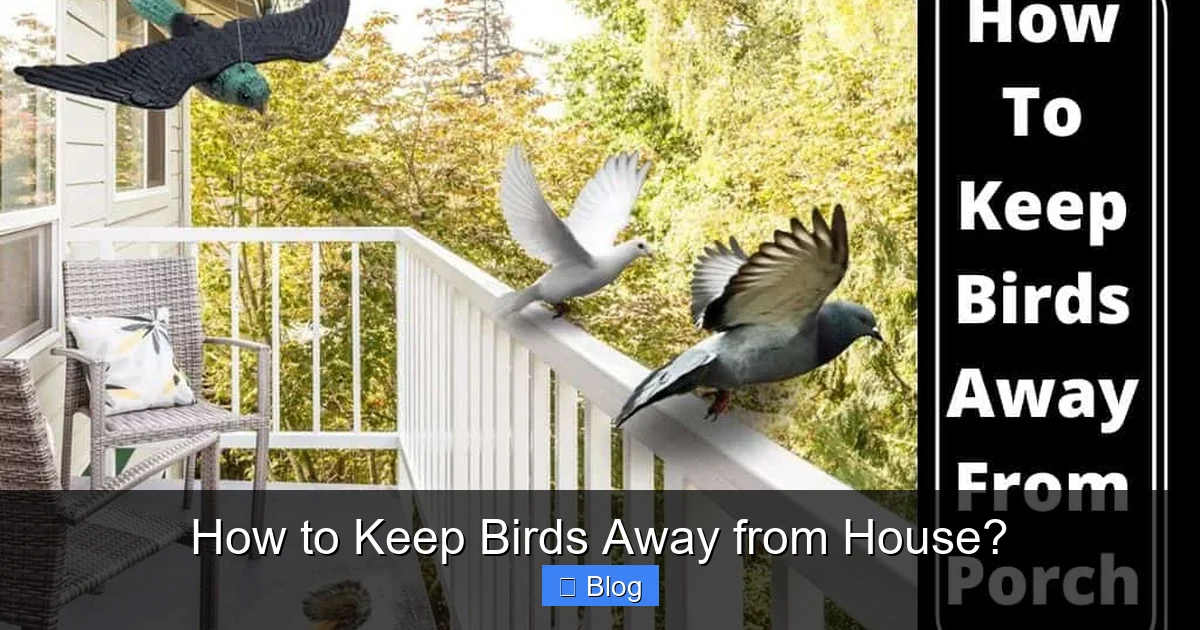
Visual guide about How to Keep Birds Away from House?
Image source: birdsmasters.com
The most effective first step to keep birds away from your house is to remove what’s drawing them in. By making your property less appealing, you’ll naturally reduce bird activity.
Managing Food Sources
The easiest way to reduce bird presence is to cut off their food supply.
- Relocate Bird Feeders: If you enjoy feeding birds, consider moving feeders further away from the house, perhaps to a distant part of your yard. Opt for feeders with baffles or guards that prevent spillage.
- Store Pet Food Indoors: Always bring pet food bowls inside once your pets have finished eating. Don’t leave kibble or wet food outdoors overnight.
- Harvest Fruit Promptly: If you have fruit trees or berry bushes, harvest ripe produce as soon as possible. Pick up any fallen fruit from the ground immediately.
- Keep Grills and Patios Clean: After outdoor meals, thoroughly clean your grill and sweep up any crumbs or food scraps from your patio or deck.
- Secure Garbage Cans: Use garbage cans with tight-fitting lids to prevent birds (and other wildlife) from rummaging through your trash.
Eliminating Water Sources
Just as with food, removing accessible water sources will help keep birds away from your house.
- Remove Bird Baths: If birds are a nuisance, temporarily remove your bird bath or at least empty it when bird activity is high near your home.
- Fix Leaks: Repair any leaky outdoor faucets or hoses. Ensure your sprinkler system isn’t creating unnecessary puddles.
- Clean Gutters: Regularly clean your gutters to prevent standing water accumulation. Proper drainage is key.
Pruning and Landscaping
Strategic landscaping can make a big difference in deterring birds.
- Trim Trees and Bushes: Prune branches that overhang your roof or are close enough to provide easy access to your house. This reduces potential perching and nesting sites. Aim for at least a few feet of clearance.
- Remove Dense Vines: While attractive, dense vines like ivy growing on your house can provide excellent hiding and nesting spots. Consider removing them if birds are an issue.
- Consider Bird-Repellent Plants: Some plants, like certain types of marigolds, hot peppers (if they feed on leaves, not fruit), or even thorny bushes, might be less attractive to birds or provide a natural barrier.
Physical Barriers: Creating No-Go Zones
Once you’ve addressed attractants, physical barriers are the next powerful tool to keep birds away from your house. These methods physically block birds from landing, perching, or nesting in unwanted areas.
Bird Netting
Bird netting is incredibly effective for protecting specific areas.
- Under Eaves and Overhangs: Install netting under eaves, pergolas, or awnings to prevent birds from roosting or building nests. Ensure the netting is taut and securely fastened so birds cannot get tangled.
- Garden Protection: Use netting over fruit trees or vegetable gardens during fruiting season to protect your harvest from hungry birds.
- Balconies and Porches: Netting can create an invisible barrier around balconies or porches, effectively deterring birds from landing or nesting.
Bird Spikes
Bird spikes are a humane and highly effective deterrent for ledges, window sills, and railings.
- Install on Ledges: Place bird spikes on window sills, ledges, fences, and railings where birds commonly perch or roost. The spikes make it uncomfortable for them to land, encouraging them to move elsewhere.
- Material and Appearance: Spikes are typically made from plastic or stainless steel and are designed to be minimally visible or blend in with your home’s exterior. They are designed to prevent landing without causing injury.
Mesh Screens and Chimney Caps
These simple additions can block common entry points.
- Screen Vents: Cover all outdoor vents, such as dryer vents or attic vents, with fine mesh screens to prevent birds from entering and nesting inside.
- Install Chimney Caps: A chimney cap is essential for preventing birds (and other animals) from entering and nesting in your chimney. These caps also prevent debris and rain from entering.
- Window Screens: Ensure all your window screens are intact and free of holes, especially if you like to keep windows open.
Sealing Entry Points
Regular inspection and sealing of your home’s exterior are vital to keep birds away from your house and out of it.
- Inspect Your Roof and Siding: Look for any small holes, cracks, or gaps in your roofline, fascia boards, or siding that could serve as an entry point.
- Seal Gaps: Use caulk, expanding foam, or weatherstripping to seal any identified openings. Pay close attention to areas around pipes, wires, and utility penetrations.
- Repair Damaged Areas: Promptly repair any damaged siding, shingles, or roof flashing.
Visual and Auditory Deterrents: Making Your Home Less Appealing
Birds are creatures of habit and can be quite skittish. Visual and auditory deterrents play on their natural fears, making your property seem less safe or desirable.
Reflective Devices
Birds are often spooked by unexpected flashes of light.
- Mylar Balloons and Reflective Tape: Hang old CDs, strips of reflective Mylar tape, or shiny Mylar balloons from branches or near problem areas. The flashing light and movement can startle birds.
- Spinning Devices: Wind chimes with reflective elements or small reflective pinwheels can also be effective.
- Placement: Place these items in areas where birds typically gather or try to nest, such as near eaves, balconies, or window sills.
Decoy Predators
These can trick birds into thinking a predator is nearby.
- Plastic Owls or Hawks: Position a plastic owl or hawk decoy in a visible spot. Birds are natural prey for these animals and will often avoid the area.
- Move Them Regularly: The key to success with decoys is to move them frequently (every few days). If left in the same spot, birds will quickly realize they aren’t real and ignore them.
Ultrasonic Devices and Sound Deterrents
These devices aim to create an uncomfortable environment for birds.
- Ultrasonic Bird Repellers: These devices emit high-frequency sounds that are supposedly irritating to birds but inaudible to humans. Their effectiveness varies widely, and birds may become accustomed to them over time.
- Audible Sound Devices: Some devices play recordings of predator calls or bird distress calls. These can be quite effective but may also be audible to neighbors, so consider placement and timing.
- Wind Chimes: While not designed specifically for deterrence, the random sounds of wind chimes can sometimes be enough to startle birds and make an area less appealing, especially if they are reflective.
DIY Deterrents
You can also get creative with household items.
- Rubber Snakes: A rubber snake placed strategically on a porch or window ledge can deter birds, especially if moved periodically.
- Tinsel or Foil Strips: Strips of aluminum foil or tinsel hung from branches or railings can serve a similar purpose to reflective tape.
- Water Sprinklers: Motion-activated sprinklers can effectively scare away birds (and other animals) from gardens or lawns without causing harm.
Maintenance and Consistency: Long-Term Solutions
Keeping birds away from your house isn’t a one-time fix. It requires ongoing effort and a willingness to adapt your strategies.
Regular Cleaning
Keeping your property clean is a simple yet effective deterrent.
- Clean Up Droppings: Bird droppings not only look unsightly but also send a signal to other birds that the area is safe. Regularly clean up droppings from patios, decks, and vehicles.
- Address Spills: Promptly clean any food or drink spills around outdoor eating areas.
Rotating Deterrents
Birds are smart and can get used to deterrents quickly.
- Change Things Up: If you’re using visual or auditory deterrents, rotate them regularly. Move decoys, reposition reflective items, or change the type of sound device you’re using.
- Combine Methods: A multi-faceted approach is almost always more effective than relying on a single deterrent. Combine physical barriers with visual deterrents for best results.
Professional Help
Sometimes, the problem can be too big to handle on your own.
- When to Call an Expert: If you have a large bird infestation, birds nesting inside your walls or attic, or a persistent problem you can’t solve, it might be time to call a professional pest control service specializing in bird control.
- Humane Practices: Ensure any professional you hire uses humane and ethical methods to remove and deter birds.
Humane Approaches and What to Avoid
When figuring out how to keep birds away from house, it’s crucial to prioritize their safety and well-being. Our goal is to deter, not to harm.
Why Humane Methods Matter
Birds are an important part of our ecosystem. Many species are protected by law, and intentionally harming them can lead to legal consequences. Humane deterrence focuses on making your property less attractive without causing injury, stress, or death. It reflects respect for wildlife and promotes a balanced coexistence.
Things to Never Do
- Do Not Harm Birds: Never use traps, poisons, or any methods designed to injure or kill birds. This is inhumane and often illegal.
- Do Not Destroy Nests with Eggs or Young: If birds have already built a nest with eggs or chicks, especially if it’s a protected species, it’s illegal to disturb or remove it. Wait until the young have fledged and the nest is empty before removing it and implementing deterrents. Contact local wildlife authorities if you are unsure or need guidance.
- Avoid Sticky Repellents: While sometimes marketed as humane, sticky bird repellents can often trap birds, damaging their feathers and making them vulnerable to predators. It’s best to avoid these products.
- Be Mindful of Pets: When using certain deterrents, especially sound devices, consider their potential impact on your own pets or neighborhood animals.
Conclusion
Successfully learning how to keep birds away from your house boils down to a combination of understanding, proactive measures, and persistence. By systematically removing attractants, creating physical barriers, employing a variety of visual and auditory deterrents, and maintaining consistent effort, you can create an environment that encourages birds to find more suitable homes elsewhere. Remember to always prioritize humane methods, ensuring the safety of these beautiful creatures while protecting your property. With a little patience and the right strategies, you can enjoy a bird-free home and a harmonious relationship with your local wildlife.
Frequently Asked Questions
Why are birds attracted to my house in the first place?
Birds are typically attracted to houses because they offer readily available food sources (feeders, pet food, fruit trees), water for drinking and bathing (bird baths, puddles), and safe shelter or nesting sites (eaves, vents, dense foliage). Your home might inadvertently be providing one or more of these necessities.
Are bird spikes considered a humane way to keep birds away?
Yes, bird spikes are generally considered humane. They are designed to make it uncomfortable or impossible for birds to land on a surface without causing any injury. They simply act as a physical barrier, encouraging birds to find another spot.
How long does it take for bird deterrents to start working?
The time it takes for deterrents to work can vary. Some methods, like netting or spikes, provide immediate results. Visual or auditory deterrents might take a few days to a week for birds to fully avoid the area, and consistent rotation is key to maintaining their effectiveness.
What should I do if birds are already nesting in my eaves or vent?
If birds have already built a nest with eggs or young, it’s best and often legally required to wait until the young have fledged and the nest is empty before removing it. Once the nest is vacant, clean the area thoroughly and then install your chosen deterrents to prevent future nesting.
Can certain plants help deter birds from my home?
While no plant is a guaranteed bird repellent, some thorny plants can create a physical barrier around areas you want to protect. Additionally, strong-smelling herbs or plants that birds find unappealing might have a mild deterrent effect, but usually not enough on their own.
When should I consider calling a professional for bird deterrence?
You should consider calling a professional if you have a severe or persistent bird problem, especially if birds are nesting inside your attic, chimney, or other inaccessible areas. Professionals have specialized tools and expertise to humanely remove and deter birds, often ensuring long-term solutions.