
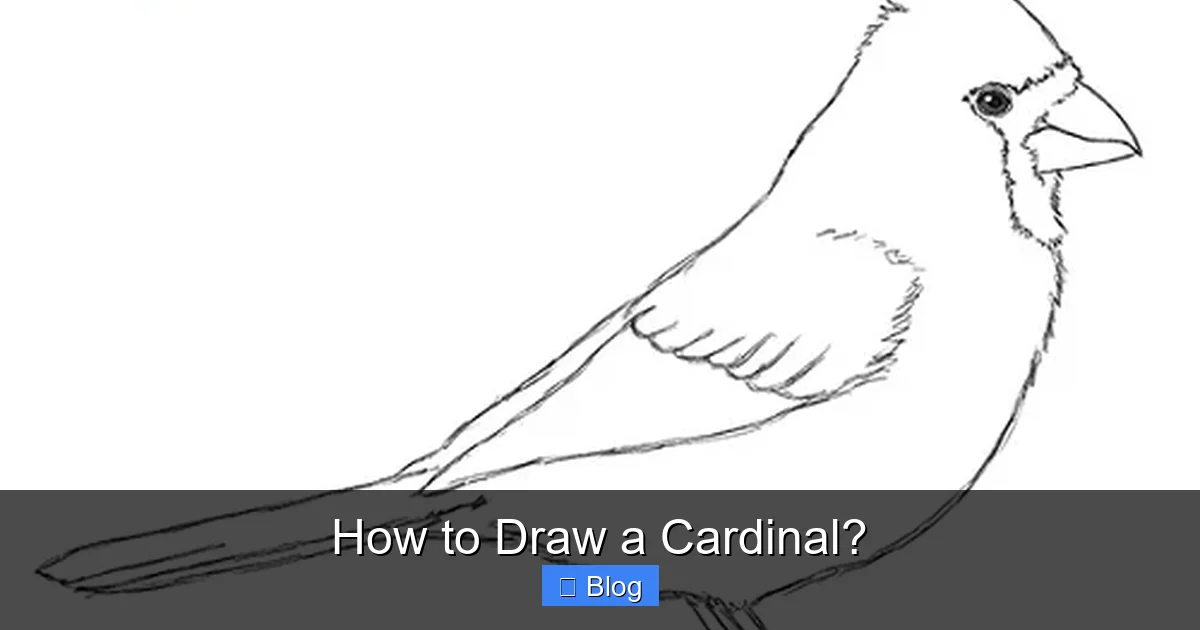
Embark on an artistic journey to learn how to draw a cardinal, one of nature’s most vibrant birds! This comprehensive guide breaks down the process into simple, manageable steps, from basic shapes to intricate feather details and vibrant coloring. You’ll gain practical tips on understanding anatomy, mastering shading, and bringing your cardinal to life, ensuring a rewarding and enjoyable drawing experience for artists of all levels. Discover how to draw a cardinal that truly captures its stunning beauty.
Oh, the joy of spotting a brilliant red cardinal flitting through the trees, a splash of vibrant color against a winter sky or a lush green summer backdrop! These captivating birds, with their distinctive crests and striking plumage, are a favorite subject for artists and nature lovers alike. If you’ve ever watched one of these feathered jewels and thought, “I wish I could capture that beauty on paper,” then you’re in the perfect place. Learning how to draw a cardinal is not only a delightful artistic endeavor but also a wonderful way to connect with nature’s splendor.
Don’t worry if you’re not an experienced artist! This guide is designed for everyone, from absolute beginners taking their very first steps into the world of art to those looking to refine their bird-drawing skills. We’ll break down the entire process into easy-to-follow steps, making the journey enjoyable and rewarding. By the end of this article, you’ll have the knowledge and confidence to create your own stunning cardinal masterpiece. We’re here to show you exactly how to draw a cardinal, from the initial sketch to the final colorful details.
Drawing birds, especially one as iconic as the cardinal, offers a fantastic opportunity to practice observation, proportion, and color blending. It’s a chance to immerse yourself in the subtle nuances of nature and translate them onto paper. So, grab your pencils, find a comfy spot, and let’s dive into the fascinating world of drawing. Together, we’ll learn how to draw a cardinal that truly sings off the page!
Key Takeaways
- Start with Basic Shapes: Simplify the cardinal’s form into fundamental geometric shapes like circles and ovals to establish accurate proportions and posture before adding details.
- Understand Cardinal Anatomy: Pay close attention to the distinct features such as the prominent crest, conical beak, and compact body shape. Using reference images is crucial for capturing these accurately.
- Layer Colors for Vibrancy: When coloring, build up the cardinal’s iconic red plumage using multiple thin layers of your chosen medium. This technique creates depth, richness, and luminosity, making the red truly pop.
- Create Feather Texture: Use short, directional strokes that follow the cardinal’s form to mimic the natural flow and texture of feathers, adding realism and dimension to your drawing.
- Master Light and Shadow: Identify your light source and apply shading to create highlights and shadows. This step is essential for giving your cardinal a three-dimensional appearance and making it look less flat.
- Utilize Reference Images: Always work with good quality reference photos of cardinals. They provide invaluable guidance for capturing accurate details, coloring, and natural poses, helping you draw a cardinal more realistically.
- Practice and Patience: Drawing is a skill that improves with consistent effort. Don’t be discouraged by initial attempts; embrace the learning process, practice regularly, and enjoy watching your artistic abilities grow.
Quick Answers to Common Questions
What’s the best pencil to start drawing a cardinal with?
An HB pencil is ideal for initial sketches when you want to draw a cardinal because its light lines are easy to erase and refine without leaving deep indentations on your paper.
How do I make the cardinal’s red color vibrant?
To achieve a vibrant red, use multiple light layers of colored pencil (or your chosen medium), gradually building up the intensity. Incorporate slightly darker reds in shadowed areas and brighter reds where light hits to create depth.
What’s unique about a cardinal’s head that I should focus on?
When you draw a cardinal, pay close attention to its prominent crest, which sweeps back from the top of its head, and its distinctive conical, reddish-orange beak, often surrounded by a black mask.
Should I draw the cardinal from a photo or my imagination?
For accuracy, especially when learning how to draw a cardinal, it’s highly recommended to use good quality reference photographs. They provide crucial details on anatomy, posture, and feather patterns that are hard to invent from imagination.
How do I draw the cardinal’s feet and talons?
Cardinal feet are slender with three forward-pointing talons and one backward-pointing talon. Sketch them gripping a branch or surface, ensuring the grip looks natural and firm.
📑 Table of Contents
Gathering Your Creative Tools for Drawing a Cardinal
Before you begin your artistic journey to draw a cardinal, it’s helpful to gather the right materials. Having the proper tools can make a significant difference in your drawing experience and the final outcome. You don’t need a professional art studio, just a few basics will do!
Essential Drawing Supplies
- Pencils: Start with a set of graphite pencils. An HB pencil is great for initial sketches because it’s light and easy to erase. You’ll also want some softer pencils, like 2B or 4B, for darker lines and shading. If you’re asking yourself how to draw a cardinal effectively, starting with the right pencils is key.
- Paper: Choose a good quality drawing paper. A smooth to medium tooth paper works well for both sketching and adding color. Avoid very thin paper, as it can tear easily or wrinkle with erasing or layering color.
- Erasers: A kneaded eraser is fantastic for lifting graphite lightly without smudging, and a regular rubber eraser is perfect for completely removing lines.
- Reference Images: This is arguably your most important tool! Find several high-quality photographs of cardinals. Look for images from different angles, showing various poses. A good reference will guide you in understanding the cardinal’s anatomy, proportions, and coloring, which is essential when you want to draw a cardinal realistically.
Adding Color to Your Cardinal
Once your initial sketch is complete, you’ll likely want to add that famous vibrant red! Here are some popular options:
- Colored Pencils: These are excellent for beginners and experienced artists alike. They allow for detailed work, layering, and blending, which are perfect for building up the cardinal’s rich red hue and subtle feather textures.
- Pastels (Soft or Oil): Pastels offer intense color and a soft, painterly feel. They can be a bit messier but provide wonderful blending capabilities.
- Watercolors or Acrylics: If you’re comfortable with paints, these mediums can bring your cardinal to life with stunning washes and vibrant colors. Acrylics offer more opacity and can be layered easily.
Don’t feel pressured to buy everything at once. Start with what you have or what you’re comfortable with, and then expand your toolkit as you grow more confident in how to draw a cardinal.
Understanding Cardinal Anatomy and Proportions
To draw a cardinal accurately, it’s crucial to understand its basic anatomy and proportions. Think of a cardinal not as a complex bird initially, but as a series of simple shapes. This approach helps you get the overall form right before diving into details.
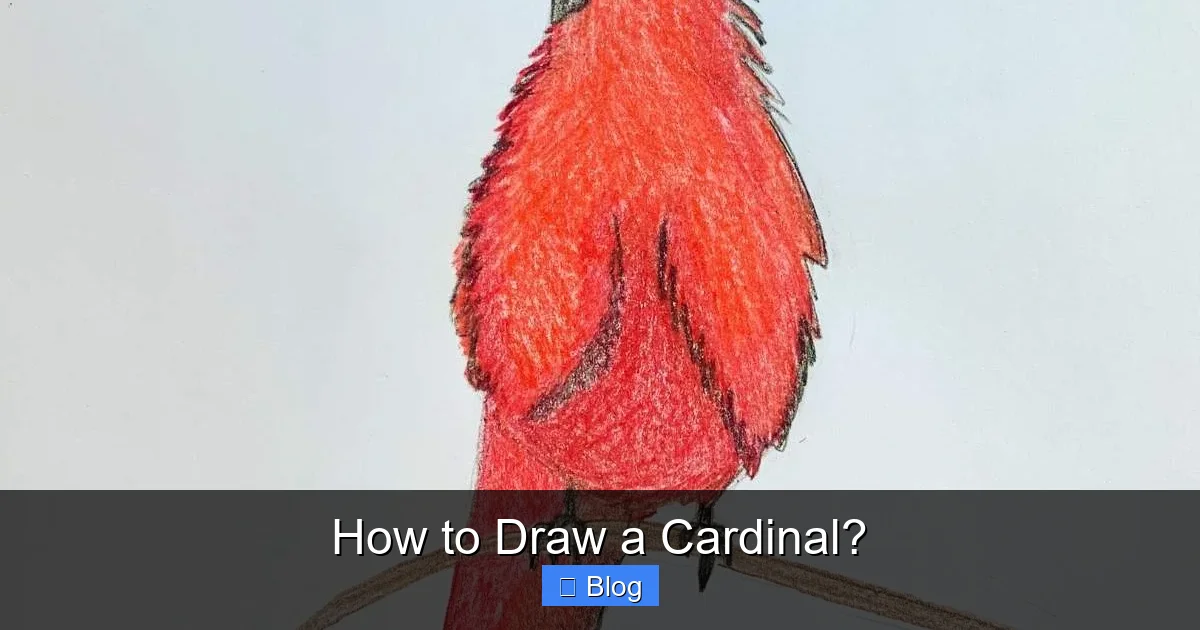
Visual guide about How to Draw a Cardinal?
Image source: basicdraw.com
Breaking Down the Cardinal into Basic Shapes
- The Body: Imagine the cardinal’s body as a large oval or an egg shape. This will be the main mass of the bird.
- The Head: Place a smaller circle for the head, slightly overlapping the top of the body oval. Consider the cardinal’s often upright posture; the head sits proudly on top.
- Connecting the Shapes: Lightly sketch a neck area to connect the head to the body. Cardinals have relatively short, thick necks, so don’t make it too long.
- The Tail: Add a triangular or rectangular shape for the tail, extending from the back of the body oval. Its length and angle will depend on your chosen reference pose.
Key Proportional Elements
As you refine these basic shapes, pay attention to the relative sizes. The head shouldn’t be too big or too small compared to the body. This is where your reference images become invaluable for learning how to draw a cardinal correctly.
- The Beak: Cardinals have a distinctive, conical, reddish-orange beak. It’s relatively short and stout. Draw it as a small triangle or cone extending from the front of the head circle. The upper and lower mandibles meet sharply.
- The Crest: One of the cardinal’s most recognizable features is its prominent crest. This feathery plume sits on top of its head, usually pointing backward. Sketch it as an irregular, triangular shape on top of the head circle.
- Eye Placement: The eye is typically small, round, and dark, positioned slightly above and behind the beak. It often has a distinctive black mask around it, especially on male cardinals.
- Wing Placement: The wings fold neatly against the body. Sketch them as elongated teardrop or almond shapes on the sides of the body oval.
By focusing on these basic shapes and proportional relationships, you’re building a solid foundation for your drawing. This method makes the process of how to draw a cardinal much less intimidating and ensures your bird looks balanced and realistic from the start.
Step-by-Step Drawing Process: How to Draw a Cardinal
Now that you have your tools and a basic understanding of cardinal anatomy, let’s put it all together. We’ll go through the process of how to draw a cardinal, step by step, from a rough sketch to a detailed outline.
Start with Simple Shapes
- Establish the Body and Head: Lightly sketch a large oval for the cardinal’s body. Then, draw a slightly smaller circle for the head, overlapping the upper part of the body oval. Imagine the posture of your cardinal from your reference photo – is it upright, leaning, or looking down?
- Connect the Neck: Create a gentle curve to connect the head circle to the body oval, forming the neck. Keep these lines very light as they are just guides.
- Add the Tail: From the back of the body oval, sketch a basic triangular or rectangular shape for the tail. Again, observe your reference for the correct angle and length.
Refining the Form and Outlines
- Smooth Out the Body Shape: Now, using your lighter pencil, begin to refine the overall contour of the cardinal. Connect the head, neck, and body with smoother, more natural curves. Make the body fuller and rounder, reflecting the plumpness of a cardinal.
- Outline the Wings: Lightly sketch the outline of the folded wings against the body. They typically follow the curve of the back and then taper towards the tail.
Adding the Distinctive Features (Beak, Eye, Crest)
- Draw the Beak: Position the beak on the front of the head circle. Sketch it as a strong, conical shape, wider at the base and tapering to a point. Remember, it’s a reddish-orange color in reality.
- Place the Eye: Draw a small, dark circle for the eye, slightly above and behind the beak. Add a tiny highlight to make it sparkle. Around the eye and beak, sketch the characteristic black mask that many cardinals have.
- Sketch the Crest: This is a key feature! Draw the crest on top of the head, starting from near the beak and sweeping back. It should look like a tuft of feathers, often slightly spiky or ruffled.
Drawing the Wings and Tail Feathers
- Detail the Wings: Refine the wing shape. Add subtle lines to indicate the individual flight feathers. The primary and secondary feathers will be visible, layered over each other.
- Define the Tail: Give the tail more structure by adding lines for individual tail feathers, fanning slightly if appropriate for the pose.
Legs and Talons
- Add the Legs: Cardinals have relatively slender legs. Draw them positioned under the body. Remember, only a small portion of the leg might be visible if the bird is perched.
- Sketch the Talons: At the end of each leg, draw the three forward-pointing talons and one backward-pointing talon, gripping a branch or surface if you’re drawing a perched bird.
Once you’re happy with your outline, gently erase any remaining guide lines. You now have a solid foundation for how to draw a cardinal, ready for coloring and adding texture!
Infusing Life with Color and Texture
Once you have your line drawing, it’s time for the magic of color! This is where your cardinal truly comes to life. Getting that vibrant red and realistic feather texture is key to successfully drawing a cardinal that feels alive.
Choosing Your Coloring Medium
As mentioned earlier, colored pencils are a fantastic choice for their control and layering capabilities. Watercolors can create beautiful soft washes, and acrylics offer bold, opaque color. For this section, we’ll focus on techniques applicable across various mediums, though colored pencils offer great examples.
Building Vibrant Red Layers
The cardinal’s red is not a flat, single color. It’s rich and multi-faceted. To achieve this depth:
- Start Light: Begin with a light layer of red, or even a base layer of orange or pink, over the entire red areas of the cardinal. Apply even, light pressure.
- Build Up Gradually: Add subsequent layers of red, gradually increasing pressure and incorporating slightly darker shades of red, crimson, or even a touch of maroon in shadowed areas. Layering prevents a streaky look and allows the colors to blend smoothly.
- Consider a Touch of Yellow/Orange: Sometimes, a very light layer of yellow or orange can be used as an underpainting on the brightest areas before the red, making the final red appear even more luminous.
Creating Realistic Feather Texture
Feathers aren’t just solid blocks of color. They have texture and direction. This is crucial for how to draw a cardinal that looks realistic.
- Short, Directional Strokes: Instead of long, sweeping strokes, use short, feathery strokes that follow the direction of the cardinal’s plumage. Observe your reference photo closely to see how the feathers overlap and flow across the body, wings, and head.
- Vary Pressure: Apply varying pressure to your coloring tool. Lighter pressure for softer feathers, and slightly heavier pressure for more defined areas or the edges of feathers.
- Subtle Color Variations: Even within the vibrant red, there are subtle shifts in tone. Introduce hints of brown, black, or even a very dark red in the deeper shadows between feathers to create separation and texture. The black mask and chin area provide a strong contrast, emphasizing the bright red.
Mastering Light and Shadow for Depth
Without light and shadow, your cardinal will look flat. This is the secret to making it appear three-dimensional.
- Identify Your Light Source: Determine where the light is coming from in your reference photo. This will tell you where the brightest highlights and darkest shadows should be.
- Apply Shadows: Use darker reds, browns, or even a touch of black (very sparingly) in areas away from the light source. This includes under the chin, beneath the wings, on the underside of the body, and within the deeper parts of the crest.
- Add Highlights: Leave some areas lighter or add light touches of a brighter red or even a pale orange/pink where the light directly hits the cardinal. This could be on the top of the head, the crest, or the shoulders.
- Focus on Contrast: The stark contrast between the cardinal’s bright red and its dark black mask is a key element. Enhance this contrast to make the features pop.
By thoughtfully applying color, texture, and light, you’ll transform your line drawing into a truly vibrant and lifelike rendition, proving your ability to draw a cardinal with realism and artistry.
Bringing Your Cardinal to Life: Final Touches and Tips
You’re almost there! Your cardinal drawing is taking shape, full of color and texture. Now it’s time for those crucial final steps that truly make your artwork sing and stand out. These touches are what truly complete the process of how to draw a cardinal.
Setting the Scene: Backgrounds
While the cardinal is the star, a simple background can greatly enhance your drawing. You don’t need to draw a complex forest scene, especially if you’re just starting out.
- Blurry Background: A soft, out-of-focus background helps your cardinal pop. Use muted greens, browns, or blues (representing leaves, branches, or sky) and blur them slightly, so they don’t compete with the bird.
- Simple Perch: Drawing a simple branch or twig for the cardinal to perch on immediately grounds your bird in its environment and adds a touch of realism. Pay attention to the texture of the bark and how the cardinal’s talons grip it.
- No Background: Sometimes, a plain white background is perfectly fine, especially if you want the sole focus to be on your beautifully drawn cardinal.
Final Details and Highlights
Once you’ve done the main coloring, step back and look at your drawing. What tiny details can you add to elevate it?
- Eye Sparkle: Ensure the cardinal’s eye has a sharp highlight. This tiny detail makes the eye appear wet and alive. Use a white gel pen, a sharp white colored pencil, or even a tiny dot of white acrylic paint.
- Beak Definition: Refine the edges of the beak. Add a subtle darker line where the upper and lower mandibles meet to give it more definition. A touch of orange or yellow can enhance its natural color.
- Feather Strands: With a very sharp pencil or colored pencil, you can add a few individual wispy feather strands, especially around the edges of the crest or where feathers ruffle. This adds to the organic feel.
- Whisker-like Feathers: Cardinals often have tiny, almost whisker-like feathers around their beak. Observe your reference and add these delicate details if appropriate.
Common Pitfalls and How to Overcome Them
Even experienced artists encounter challenges. Here are a few common issues when you draw a cardinal, and how to fix them:
- Flatness: If your cardinal looks flat, it likely needs more contrast. Go back and deepen the shadows, especially under the wings, belly, and within the crest. Add brighter highlights where the light hits.
- Unrealistic Proportions: This usually happens early on. If your cardinal looks “off,” revisit your basic shapes. Is the head too big? Is the tail too short? Don’t be afraid to lightly erase and re-sketch until the proportions feel right. This is why light initial sketching is so important.
- Muted Red: If your red isn’t vibrant enough, you might not have layered enough. Gently add more layers of red, using slightly varied shades. A final burnishing (heavy pressure with a sharp, light-colored pencil) can also help blend and intensify colors, especially with colored pencils.
- Stiff Pose: A stiff bird often comes from rigid initial shapes. Try to make your initial ovals and circles slightly more dynamic, reflecting a natural, relaxed posture from your reference.
Learning how to draw a cardinal is a truly rewarding experience, allowing you to appreciate the intricate beauty of these birds even more deeply. Remember, every stroke you make, every line you draw, is a step in your artistic journey. Don’t be afraid to experiment, to make mistakes, and to simply enjoy the process. Art is about expression, and there’s no right or wrong way to interpret the world around you.
The most important tool you possess is your enthusiasm and willingness to practice. Keep observing cardinals in nature or through photographs, pay attention to their unique features, and let your creativity soar. With a little patience and persistence, you’ll soon be able to draw a cardinal that is not only lifelike but also uniquely yours. So keep sketching, keep coloring, and keep enjoying the wonderful world of art!
Frequently Asked Questions
Is it hard to draw a cardinal for beginners?
Drawing a cardinal can seem challenging due to its vibrant colors and distinct features, but it’s very manageable for beginners when approached step-by-step. Starting with basic shapes and gradually adding detail makes the process much less intimidating and very rewarding.
What are the key features to focus on when drawing a cardinal?
When you draw a cardinal, the most important features to capture are its prominent crest on the head, its stout, conical beak, and the striking black mask around its eyes and beak, especially for males. These elements define its unique look.
How do I add realism to my cardinal drawing?
Adding realism involves several steps: accurately observing reference photos for anatomy and proportion, using short, directional strokes to simulate feather texture, and applying light and shadow to create depth and a three-dimensional effect. Pay close attention to the eyes; they can bring life to your drawing.
What’s the best way to color a cardinal with colored pencils?
The best way to color a cardinal with colored pencils is by layering. Start with light pressure and add multiple layers of different red shades, incorporating oranges, browns, and even some dark crimson or maroon in shadowed areas. This builds richness and vibrancy.
How can I make my cardinal look three-dimensional?
To make your cardinal appear three-dimensional, focus on understanding light and shadow. Identify your light source and apply darker tones in areas that would naturally be in shadow (e.g., under the belly, wings, or crest) and lighter tones or highlights where the light hits directly.
Are there any common mistakes to avoid when drawing cardinals?
Common mistakes include drawing flat, one-dimensional figures due to lack of shading, incorrect proportions (e.g., head too large or small), or using a single, flat red color. Always rely on reference images, build color through layers, and incorporate contrast with shadows and highlights to avoid these pitfalls when you draw a cardinal.