
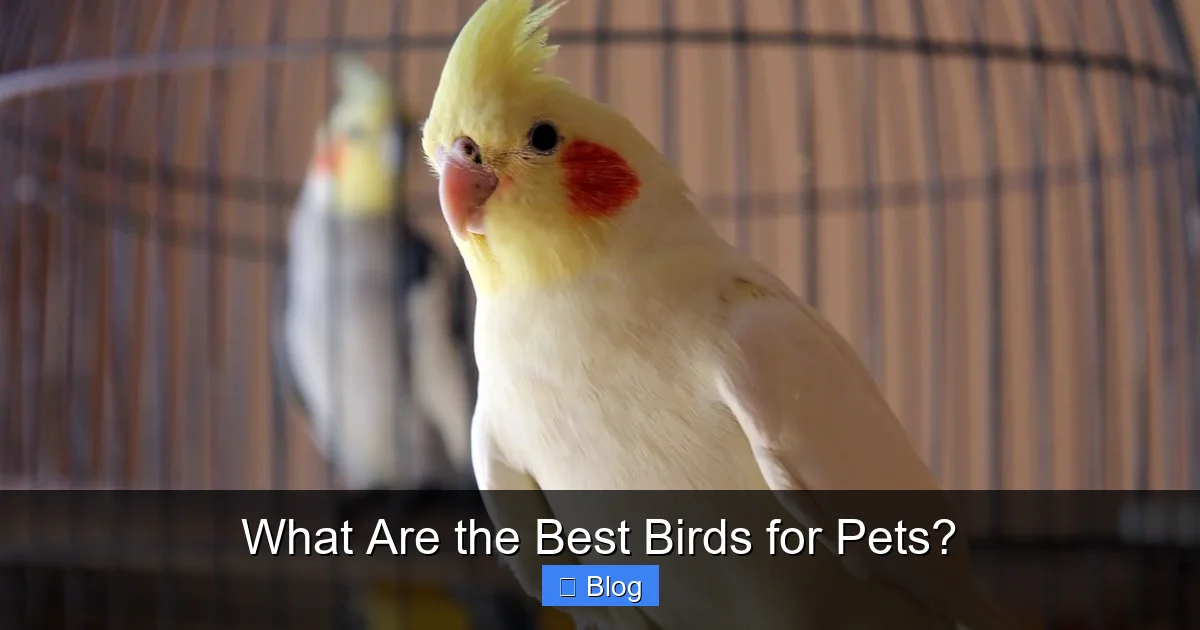
Choosing the best birds for pets is a decision that requires careful thought, balancing your lifestyle with a bird’s unique needs. From charming budgies ideal for beginners to intelligent African Greys for experienced owners, each species offers distinct companionship and demands. Understanding their specific care, space, noise, and social needs is crucial for ensuring a happy, healthy, and fulfilling life together for both you and your feathered friend.
Bringing a feathered friend into your home can be an incredibly rewarding experience, filling your days with cheerful chirps, colorful plumage, and fascinating personalities. Birds are intelligent, social creatures that can form deep bonds with their human companions, offering unique companionship unlike any other pet. However, the world of pet birds is vast and varied, ranging from tiny, quiet finches to large, boisterous parrots. This diversity means that what are the best birds for pets isn’t a one-size-fits-all answer.
Choosing the right bird is a journey that starts with understanding yourself, your lifestyle, and what you’re truly looking for in a companion. Are you a first-time bird owner seeking a low-maintenance observer, or an experienced enthusiast ready for a highly interactive, intelligent challenge? Do you live in a small apartment or a spacious house? Are you prepared for noise, mess, and a significant time commitment? Asking these questions is the first step toward finding the perfect feathered member for your family, ensuring both your happiness and the bird’s well-being.
This comprehensive guide will help you navigate the wonderful world of pet birds, exploring different species, their unique traits, and the care they require. We’ll delve into what makes certain birds ideal for beginners, others for more experienced hands, and highlight the crucial factors to consider before making this important decision. Our goal is to empower you with the knowledge to confidently answer the question: what are the best birds for pets for *you*?
Key Takeaways
- Research is paramount: Before bringing a bird home, thoroughly research different species to understand their specific needs, temperament, and expected lifespan.
- Match lifestyle to species: The “best” bird for you depends entirely on your living situation, time availability, noise tolerance, and desire for interaction.
- Start small for beginners: Budgies, cockatiels, and finches are generally recommended as excellent starter birds due to their manageable size, care requirements, and often more gentle natures.
- Commitment is long-term: Many pet birds live for 10-30+ years. Be prepared for a significant long-term commitment to their care, health, and well-being.
- Socialization and enrichment are vital: All pet birds, especially parrots, require regular social interaction, mental stimulation, and a rich environment to thrive and prevent behavioral issues.
- Consider noise and mess: Birds can be loud and messy. Evaluate your tolerance for chirps, squawks, dust, and discarded food before choosing a species.
- Prioritize health and safety: Ensure you have access to an avian veterinarian and can provide a spacious, safe cage, a balanced diet, and a clean environment.
Quick Answers to Common Questions
What is the easiest bird to care for?
Budgies (parakeets) and finches are generally considered the easiest birds to care for, especially for beginners. Budgies are interactive and can be tamed, while finches are more observational and less demanding of direct human interaction.
Do pet birds need a lot of attention?
Most pet birds, especially parrots and parakeets, are highly social and require significant daily attention and interaction to thrive. Finches are an exception, being more content in flocks with less human interaction.
What’s the best bird for a child?
Cockatiels are often recommended as the best birds for pets for children due to their gentle nature, moderate size, and willingness to bond. Supervision is always crucial to ensure both the child’s and the bird’s safety.
How long do pet birds live?
The lifespan of pet birds varies greatly by species. Small birds like budgies live 5-10 years, cockatiels 15-20 years, while larger parrots like African Greys or Amazons can live 30-50 years, sometimes longer.
Can pet birds be litter trained?
While birds can’t be “litter trained” in the same way as cats, many intelligent bird species, especially parrots, can be trained to “potty” on command or in a specific location with patience and positive reinforcement.
📑 Table of Contents
- Understanding Bird Ownership Before You Choose
- Small & Sweet: Ideal Starter Birds for Pet Owners
- Mid-Sized Marvels: Engaging Companions for the Involved Pet Parent
- Larger Than Life: Intelligent Parrots for Experienced Keepers
- Creating a Thriving Home: Essential Care for Your Feathered Friend
- Making the Right Match: How to Choose Your Perfect Pet Bird
- Conclusion
Understanding Bird Ownership Before You Choose
Before you even begin to consider specific species, it’s vital to grasp the realities of bird ownership. Birds are not low-maintenance pets, despite common misconceptions. They have complex needs that, if neglected, can lead to serious health and behavioral problems. Understanding these foundational aspects will help you determine if a bird is the right pet for you at all, and if so, which type of pet bird would be most suitable.
The Lifespan Commitment
One of the most significant factors when considering what are the best birds for pets is their lifespan. Many popular pet bird species live much longer than dogs or cats. A budgie might live 5-10 years, a cockatiel 15-20 years, and larger parrots like African Greys or Amazons can easily live 30-50 years, some even longer! This means you’re not just getting a pet; you’re often adopting a lifelong companion. Are you prepared for a commitment that could span decades?
Space, Noise, and Mess
Birds, even small ones, need adequate cage space to thrive, allowing them room to move, stretch, and play. Beyond the cage, they often need time outside it for exercise and social interaction. Consider the noise factor: many birds, especially parrots, can be quite loud, emitting squawks and calls that might not be suitable for apartment living or neighbors with low noise tolerance. Furthermore, birds can be messy. They drop food, shed dander, and create dust, requiring regular cleaning of their cage and surrounding area. This is a key consideration when deciding what are the best birds for pets for your household.
Financial Considerations
The initial cost of a bird is just the beginning. You’ll need to invest in a suitably sized cage, perches, toys, food bowls, and a varied diet. Ongoing costs include specialized bird food, regular replacement of toys (which are crucial for their mental health), and most importantly, veterinary care. Avian veterinarians can be more expensive and harder to find than general small animal vets. Emergency care or chronic conditions can quickly add up. These are important practicalities when considering what are the best birds for pets for your budget.
Time and Social Needs
Birds are highly social animals. Many species, particularly parrots, require significant daily interaction with their owners to remain happy and well-adjusted. Neglected birds can become lonely, depressed, or develop behavioral issues like feather plucking or aggression. Are you able to dedicate consistent time each day for interaction, training, and play? This is a non-negotiable aspect of responsible bird ownership, especially for those seeking the more interactive types of pet birds.
Small & Sweet: Ideal Starter Birds for Pet Owners
For those new to bird ownership or seeking a companion that is relatively easy to care for and manage, several smaller species stand out. These birds often require less space, are less expensive, and generally have a more manageable noise level and lifespan compared to larger parrots. They are often considered some of the best birds for pets for beginners.
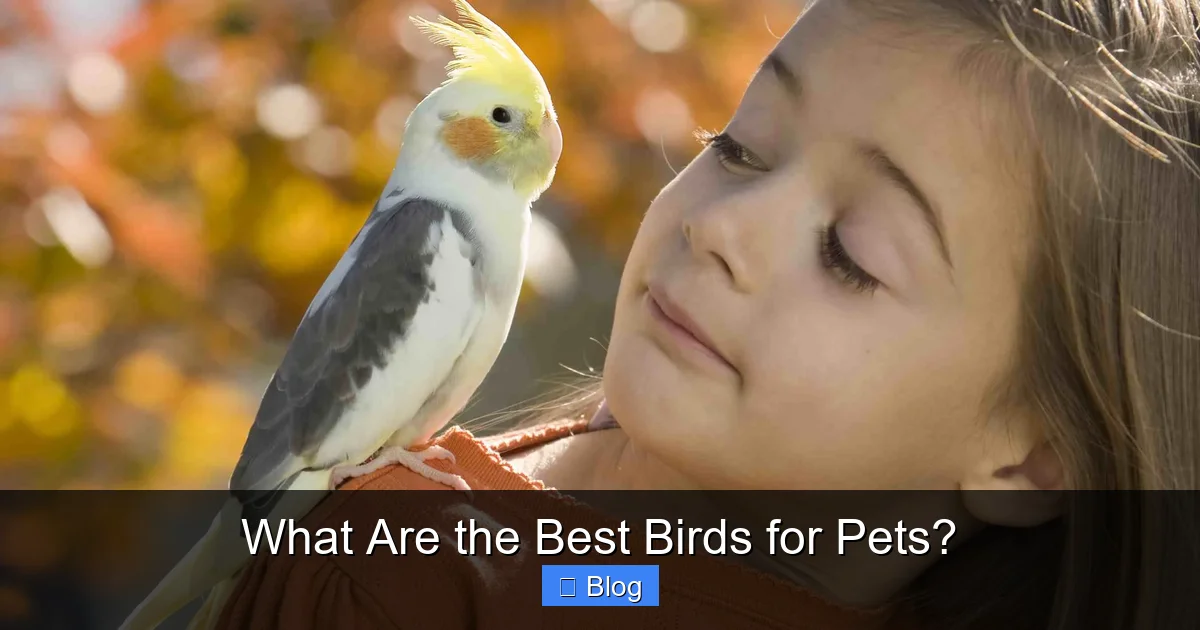
Visual guide about What Are the Best Birds for Pets?
Image source: thesprucepets.com
Budgies (Parakeets)
Budgies, also known as parakeets, are perhaps the most popular and often one of the first suggestions when someone asks what are the best birds for pets for a beginner. They are small, affordable, and can be incredibly charming. Budgies are playful, social, and with consistent training, can even learn to mimic human speech. They thrive on interaction and can be very affectionate, often enjoying perching on a shoulder or finger. Their gentle nature and relatively short lifespan (5-10 years) make them a great entry point into bird ownership. They do best in pairs or small flocks but can also bond strongly with a single human companion.
Cockatiels
Cockatiels are another excellent choice for first-time bird owners. Slightly larger than budgies, they are known for their gentle disposition, curious crests, and talent for whistling. They are highly social and enjoy being part of family activities. While they may not be as prolific talkers as some parrots, they are adept at mimicking sounds and can be taught to whistle tunes. Cockatiels typically live for 15-20 years with proper care, representing a more significant commitment than a budgie but still manageable for many. They are known for their sweet nature and can become very cuddly, often enjoying head scratches.
Finches (Zebra and Society Finches)
If you’re looking for birds that are beautiful to observe but require minimal direct handling, finches are among the best birds for pets. Species like Zebra Finches and Society Finches are small, active, and produce soft, pleasant chirps. They are not typically hand-tamed or interactive in the way parrots are, making them ideal for individuals who appreciate birds for their aesthetic and auditory qualities rather than for cuddling. Finches thrive in groups, so it’s essential to keep at least a pair. They need a spacious cage for flying, but their care requirements are relatively straightforward, making them a good option for busy individuals or those with limited time for one-on-one interaction. Their lifespan is generally 3-7 years.
Mid-Sized Marvels: Engaging Companions for the Involved Pet Parent
For those with a bit more experience, or who are ready for a slightly larger commitment in terms of time and interaction, mid-sized birds offer a wonderful blend of intelligence, personality, and manageability. These species often rank high on the list of what are the best birds for pets for owners seeking a more interactive bond.
Lovebirds
As their name suggests, Lovebirds are known for forming strong bonds, either with a mate or their human companion. These small, energetic parrots come in a stunning array of colors and are incredibly playful and curious. While they don’t often learn to speak many words, they can mimic sounds and have charming, lively personalities. They thrive on interaction and can become quite cuddly if hand-fed from a young age. Lovebirds can be nippy if not properly socialized, but their spirited nature makes them delightful pets for owners who enjoy an active bird. They typically live for 10-15 years. They are excellent pet birds for those who want a lot of personality in a small package.
Conures (Green-Cheeked, Sun)
Conures are vibrant, intelligent, and highly social birds that offer a lot of personality in a medium-sized package. Green-Cheeked Conures are known for being playful, affectionate, and relatively quiet compared to their Sun Conure cousins. They can learn tricks and even a few words, and they love to cuddle and be part of the action. Sun Conures, while stunningly beautiful, are considerably louder, known for their piercing calls, but are equally intelligent and affectionate. All conures require significant social interaction and mental stimulation to prevent boredom and behavioral issues. They are very active and need plenty of toys and out-of-cage time. Conures typically live 15-30 years, making them a substantial commitment. For many, they are considered some of the best birds for pets due to their engaging nature.
Quaker Parrots (Monk Parakeets)
Quaker parrots are known for their intelligence, ability to mimic speech, and their unique habit of building elaborate stick nests. They are clever, outgoing, and can be very affectionate with their owners, often developing large vocabularies. Quaker parrots thrive on social interaction and consistent training. However, they can be prone to aggressive or nippy behavior if not properly socialized and managed. It’s also important to note that Quaker parrots are illegal to own in some U.S. states and regions due to concerns about their ability to establish wild populations that could harm native agriculture. Always check local laws before considering a Quaker parrot. With a lifespan of 20-30 years, they offer a long-term, highly interactive companionship for the right owner, often making them one of the best birds for pets among the mid-sized category.
Larger Than Life: Intelligent Parrots for Experienced Keepers
Large parrots are magnificent creatures known for their incredible intelligence, complex emotional lives, and profound ability to bond with humans. However, they are not for the faint of heart or the inexperienced. Their needs are immense, requiring dedicated time, extensive knowledge, and significant financial resources. When people ask what are the best birds for pets, these species are often mentioned, but always with a strong caveat about the commitment required.
African Grey Parrots
African Grey Parrots are legendary for their unparalleled ability to mimic human speech and understand context. They are highly intelligent, sensitive, and can form incredibly strong bonds with their owners. However, this intelligence comes with a need for constant mental stimulation and social interaction. African Greys can become withdrawn, depressed, or engage in feather plucking if neglected or bored. They are also prone to certain health issues. They require a quiet, stable environment and consistent interaction. With a lifespan of 50 years or more, owning an African Grey is a lifelong commitment, akin to raising a human child in some respects. They are truly exceptional pet birds for those with the knowledge and dedication.
Amazon Parrots
Amazon parrots are charismatic, bold, and often excellent talkers. Species like the Double Yellow-Headed, Yellow-Naped, and Blue-Fronted Amazons are highly popular due to their vibrant personalities and social nature. They love to be the center of attention, can be very playful, and often enjoy singing and dancing. Amazons are known for their “macho” bluffing displays and can be prone to hormonal aggression, especially during breeding season. They require a confident owner who can manage their strong personalities with consistent training and boundaries. Like African Greys, Amazons are highly intelligent and need significant social interaction, mental stimulation, and a varied diet. Their lifespan typically ranges from 30-50 years, making them another long-term commitment. They can be some of the best birds for pets for owners who appreciate their vibrant, sometimes boisterous, personalities.
Cockatoos
Cockatoos are famous for their extreme affection and playful antics. They are often described as “velcro birds” due to their intense desire for physical contact and cuddles. They are highly intelligent, acrobatic, and can be very entertaining. However, cockatoos are also incredibly demanding. They are very loud, prone to screaming for attention, and can develop severe behavioral issues like feather plucking or self-mutilation if they don’t receive constant, dedicated attention. Their need for companionship is so profound that they are often not suitable for owners who work long hours or cannot dedicate several hours daily to their bird. Their lifespan can be 40-70 years. While their affection is unmatched, the level of commitment required means they are often not the best birds for pets for most households, and should only be considered by very experienced and dedicated owners.
Creating a Thriving Home: Essential Care for Your Feathered Friend
No matter what are the best birds for pets for your lifestyle, providing a healthy, stimulating environment is universal for all species. Proper care goes beyond just food and water; it encompasses their physical and mental well-being.
Cage Size and Setup
The cage is your bird’s primary home, so it must be as spacious as possible. It should be large enough for the bird to fully spread its wings without touching the sides, and ideally, allow for short flights. Bar spacing is crucial – too wide, and small birds can escape or get stuck; too narrow, and larger birds can’t get a grip. Furnish the cage with a variety of perches of different textures and diameters to promote foot health. Stainless steel food and water bowls are easiest to clean. Position the cage in a busy area of your home, but away from drafts, direct sunlight, and toxic fumes (like from non-stick cookware).
Diet and Nutrition
A balanced diet is fundamental for your bird’s health. While seed mixes are commonly associated with birds, they are often high in fat and low in essential nutrients, similar to fast food for humans. A high-quality pelleted diet should form the foundation, supplemented with a wide variety of fresh fruits, vegetables, and occasional cooked grains or legumes. Avoid avocado, chocolate, caffeine, and alcohol, as these are toxic to birds. Always provide fresh water daily.
Toys, Enrichment, and Mental Stimulation
Birds, especially parrots, are highly intelligent and need constant mental stimulation to prevent boredom and behavioral problems. Provide a rotating selection of safe, destructible toys made from wood, rope, paper, and acrylic. Puzzle toys that encourage foraging for food are excellent for engagement. Regularly introduce new toys and rotate existing ones to keep their environment fresh and exciting. Out-of-cage time, supervised play, and training sessions are also crucial for enrichment and bonding. This is critical for ensuring you have the best birds for pets.
Health and Veterinary Care
Regular check-ups with an avian veterinarian are essential, even if your bird appears healthy. Birds are masters at hiding signs of illness, so routine examinations can catch problems early. Be vigilant for changes in appetite, droppings, feather condition, or behavior, as these can indicate illness. Find an experienced avian vet before you get your bird, so you’re prepared for any health concerns.
Making the Right Match: How to Choose Your Perfect Pet Bird
Now that you have a better understanding of both the responsibilities of bird ownership and the characteristics of various species, you can begin to narrow down what are the best birds for pets for your unique situation.
Assess Your Lifestyle
Be brutally honest with yourself. How much time can you realistically dedicate each day to your bird? Are you home often, or do you travel frequently? How much noise can you tolerate? Is your living space large enough for a spacious cage and out-of-cage play? Are you prepared for a 30+ year commitment? Your answers will help rule out species that don’t fit your life.
Research Specific Species
Once you have a general idea, dive deeper into specific species. Read books, visit reputable bird stores or rescue organizations, and talk to experienced bird owners. Learn about their typical temperament, care requirements, specific dietary needs, common health issues, and noise levels. Don’t just fall in love with a bird’s looks; understand its entire personality and demands. This deep dive will reveal which are truly the best birds for pets in your circumstances.
Consider Adoption
Many wonderful birds are looking for forever homes in avian rescue organizations. Adopting a bird can be a fantastic option, as these organizations often provide extensive information about the bird’s history, personality, and needs. They can also offer guidance and support throughout the adoption process and beyond. Adopting can be a responsible way to find one of the best birds for pets while giving a second chance to a deserving bird.
Ultimately, choosing a pet bird is a personal journey. There’s no single “best” bird for everyone, but rather the best bird for *you*. By taking the time to research, prepare, and consider all the factors involved, you’ll be well on your way to finding a beloved feathered companion who will bring immense joy and enrichment to your life for many years to come.
Conclusion
Embarking on the journey of bird ownership is a commitment filled with potential for profound joy and unique companionship. From the tiny, cheerful finch that brightens a room with its activity, to the highly intelligent and deeply bonded African Grey parrot, the diversity of pet birds means there truly is a perfect feathered friend for nearly every lifestyle. However, the key to a successful relationship lies not just in finding what are the best birds for pets in general, but in identifying the best bird for *your specific circumstances*.
We’ve explored the essential considerations, from the lifelong commitment and financial responsibilities to the crucial need for space, mental stimulation, and social interaction. We’ve also introduced you to a range of wonderful species, highlighting what makes each unique – whether it’s the gentle nature of a cockatiel, the playful antics of a conure, or the remarkable intelligence of an Amazon. Remember that every bird, regardless of species, is an individual with its own personality and needs, deserving of patience, love, and dedicated care.
By approaching this decision with careful research, an honest assessment of your capabilities, and a commitment to providing a nurturing environment, you’ll be able to welcome a happy, healthy bird into your home. The rewards of witnessing their vibrant personalities, hearing their delightful sounds, and sharing an unbreakable bond are immeasurable, making the effort truly worthwhile. May your journey to find your perfect feathered companion be a fulfilling one!
Frequently Asked Questions
How do I know if a bird is healthy before buying?
A healthy bird will be alert and active, with bright eyes, clean nostrils, and smooth, well-kept feathers. Avoid birds that appear lethargic, have ruffled feathers, discharge from eyes or nostrils, or show signs of labored breathing. Observe its droppings; they should not be runny or discolored.
What should I feed my pet bird?
The ideal diet for most pet birds consists primarily of high-quality pellets, supplemented with a variety of fresh fruits, vegetables, and some cooked whole grains. Seeds should be offered sparingly as treats due to their high-fat content. Always provide fresh water.
How often should I clean my bird’s cage?
Daily spot cleaning of food and water dishes and soiled areas is essential. A thorough cleaning of the entire cage, including perches and toys, should be done weekly to maintain hygiene and prevent bacteria buildup.
Do pet birds get lonely?
Yes, many pet birds, especially parrots and parakeets, are highly social animals and can become lonely, depressed, or develop behavioral issues like feather plucking if they don’t receive adequate social interaction from their human companions or other birds.
Can I let my bird fly around the house?
Supervised out-of-cage time, including flight, is highly beneficial for a bird’s physical and mental health. However, ensure the room is bird-proofed: close windows and doors, turn off fans, cover mirrors, and remove any toxic plants or hazards before letting your bird out.
Are some birds better for allergies?
Birds, especially parrots, produce dander and feather dust, which can be an allergen for some people. Canaries and finches generally produce less dander, but no bird is truly “hypoallergenic.” Regular cleaning and air purifiers can help manage allergens.