
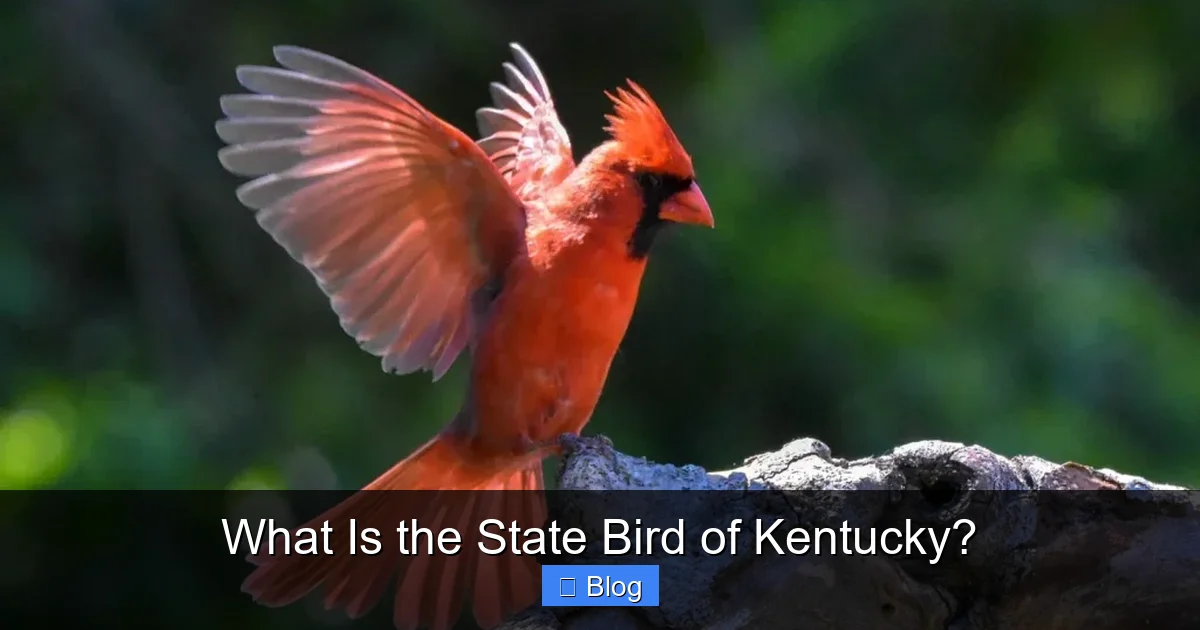
The vibrant Northern Cardinal is the cherished state bird of Kentucky, officially adopted in 1942. This iconic bird, known for its striking red plumage in males and melodious song, symbolizes beauty, spirit, and resilience across the Bluegrass State. It’s a year-round resident, easily spotted, and a beloved emblem of Kentucky’s natural heritage.
Have you ever paused to wonder about the natural symbols that represent your home state? Every state in the U.S. has a unique collection of official emblems, from state flowers to state trees, and of course, state birds. These symbols aren’t just arbitrary choices; they often reflect the region’s natural beauty, its history, and the spirit of its people. For Kentuckians, understanding these symbols connects them more deeply to the rich tapestry of the Bluegrass State.
Kentucky, a state renowned for its horse racing, bourbon, and lush rolling hills, is home to an incredible array of wildlife. Among its many fascinating creatures, one feathered friend stands out as the proud representative of the Commonwealth. This bird is a familiar sight and sound, recognized by young and old alike, bringing a splash of vibrant color to even the dreariest winter day. So, what is the state bird of Kentucky, and what makes it such a special choice?
The answer to “What is the state bird of Kentucky?” is none other than the magnificent Northern Cardinal. This iconic bird, with its striking appearance and melodious song, has been a cherished symbol of Kentucky for decades. It’s more than just a bird; it’s a living emblem that encapsulates the beauty, resilience, and vibrant spirit of the Bluegrass State. Let’s dive into the fascinating world of the Northern Cardinal and explore why it holds such an esteemed position.
Key Takeaways
- The Northern Cardinal is Kentucky’s State Bird: Officially designated as the state bird in 1942, it’s a beloved symbol across the Bluegrass State.
- Distinctive Appearance: Male cardinals are famously bright red, while females exhibit a softer reddish-brown plumage with red accents.
- Year-Round Resident: Unlike many migratory birds, Northern Cardinals remain in Kentucky throughout all four seasons, making them a consistent presence.
- Melodious Vocalizations: Both male and female cardinals sing, producing a variety of cheerful and distinct calls and songs that are often heard from dawn till dusk.
- Cultural Significance: The cardinal holds a special place in Kentucky’s culture, often featured in sports team mascots and local lore, embodying passion and vitality.
- Easy to Attract: With the right feeders, seeds, and water sources, it’s relatively easy to invite these beautiful birds into your backyard for year-round enjoyment.
- Shared State Symbol: Kentucky shares the Northern Cardinal as its state bird with six other states, highlighting its widespread appeal and recognition across the Eastern United States.
Quick Answers to Common Questions
What is the state bird of Kentucky?
The state bird of Kentucky is the Northern Cardinal.
When was the Northern Cardinal designated Kentucky’s state bird?
The Northern Cardinal was officially designated as Kentucky’s state bird in 1942.
How do male and female Northern Cardinals differ in appearance?
Male Northern Cardinals are known for their vibrant, bright red plumage, while females have a more subtle reddish-brown coloration with red accents on their wings and tail.
Are Northern Cardinals year-round residents in Kentucky?
Yes, Northern Cardinals are non-migratory birds and remain in Kentucky throughout all four seasons.
Is the Northern Cardinal the state bird of any other states?
Yes, the Northern Cardinal is also the state bird for six other states: Illinois, Indiana, North Carolina, Ohio, Virginia, and West Virginia.
📑 Table of Contents
The Resplendent Northern Cardinal: Kentucky’s Feathered Emblem
The Northern Cardinal (scientific name: *Cardinalis cardinalis*) is a truly iconic bird, widely recognized and adored across North America. For Kentuckians, this bird is not just another part of the local fauna; it’s a point of pride, an official representative of their beloved state. Its designation as Kentucky’s state bird in 1942 was a recognition of its ubiquitous presence and undeniable charm, solidifying its place in the hearts of Kentuckians.
A Shared Symbol of Beauty
Interestingly, Kentucky isn’t alone in its admiration for the Northern Cardinal. This beautiful bird also serves as the state bird for six other states: Illinois, Indiana, North Carolina, Ohio, Virginia, and West Virginia. This widespread adoption speaks volumes about the cardinal’s appeal and its significance throughout the Eastern United States. Its ability to thrive in diverse habitats, from dense forests to suburban backyards, makes it a common and welcome sight for millions. For Kentuckians, seeing a cardinal is a familiar and comforting experience, often sparking feelings of joy and connection to nature.
The Choice and Its Significance
The process of choosing a state bird often involves public input, legislative action, and a desire to select a species that genuinely represents the region. For Kentucky, the Northern Cardinal was an almost natural choice. It is a non-migratory bird, meaning it stays in Kentucky all year long, providing continuous beauty and song through every season. This steadfast presence symbolizes the enduring spirit of the people of Kentucky. Its vibrant red color also evokes passion, strength, and life, qualities that resonate deeply with the state’s culture and heritage. The cardinal’s constant visibility makes it an accessible and relatable symbol for everyone in the Commonwealth.
A Glimpse into the Cardinal’s World: Appearance and Song
Visual guide about What Is the State Bird of Kentucky?
Image source: a-z-animals.com
Understanding what is the state bird of Kentucky means getting to know the cardinal up close. The Northern Cardinal is instantly recognizable, but there’s more to its appearance and vocalizations than meets the eye (or ear). Its features are distinct and play a crucial role in its survival and social interactions.
Dazzling Plumage: Males vs. Females
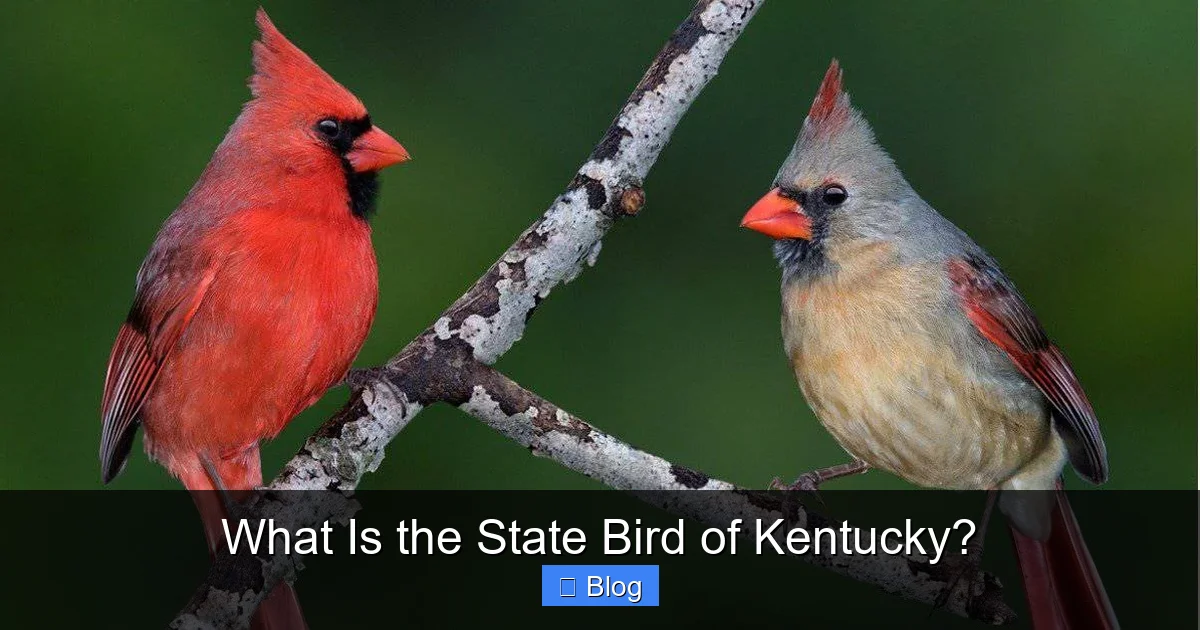
When you picture a Northern Cardinal, you likely imagine the male. He is truly a sight to behold, boasting a brilliant, fiery red plumage that covers almost his entire body. This striking coloration is particularly vibrant during the breeding season and stands out vividly against the green foliage of summer or the white snow of winter. The male also sports a prominent, pointed crest on his head and a distinctive black mask around his stout, cone-shaped, reddish-orange beak. This mask gives him a somewhat mysterious and dignified look.
Female Northern Cardinals, while less flashy, are equally beautiful in their own right. They exhibit a softer, more subtle coloration, typically a reddish-brown or olive tone, with reddish tinges on their wings, tail, and crest. Like the males, females also have a crest and a reddish-orange beak, but their black face mask is usually less defined. This difference in plumage isn’t just for show; the female’s muted colors provide excellent camouflage, especially when she is nesting. Spotting both male and female together offers a delightful contrast and a complete picture of this lovely species.
The Cardinal’s Signature Song
The beauty of the Northern Cardinal extends beyond its visual appeal to its captivating vocalizations. Both male and female cardinals are accomplished singers, a trait uncommon among many bird species where only the male sings. Their repertoire includes a variety of clear, whistled songs and calls. Common phrases often sound like “birdy, birdy, birdy” or “cheer, cheer, cheer,” sometimes described as a series of repeated, slurred whistles.
You can hear the cardinal’s song year-round, which adds to its constant presence in Kentucky’s soundscape. Their calls range from a sharp “chip!” used as an alarm or contact call, to more elaborate, melodious tunes that carry well through the air. These songs play a vital role in communication, marking territory, and attracting mates. Listening for the cardinal’s distinctive song is often the first way people realize this beautiful bird is nearby, long before they catch a glimpse of its vibrant colors.
Where to Spot Them
One of the reasons the Northern Cardinal makes such an excellent state bird for Kentucky is its widespread distribution and adaptability. You don’t need to venture deep into remote wilderness to find them. Cardinals are commonly found in a variety of habitats, including:
- Backyards and Gardens: They are frequent visitors to bird feeders, especially during winter months.
- Forest Edges and Shrublands: These areas provide ample cover for nesting and foraging.
- Parks and Urban Green Spaces: Even in more populated areas, cardinals can thrive where there are trees and shrubs.
- Riparian Zones: Areas near rivers and streams are also favorable, offering both food and water.
Their preference for dense shrubs and small trees provides them with safe nesting sites and protection from predators. If you live in Kentucky, you’ve likely seen and heard these delightful birds, perhaps without even realizing you were observing your state’s official avian symbol!
Life and Habits of the Kentucky Cardinal
Delving deeper into the daily life of the Northern Cardinal reveals why it is so beloved and why it serves as such a fitting representative for the state. Its behaviors, diet, and nesting habits all contribute to its resilience and widespread success.
A Year-Round Resident
As mentioned earlier, a key characteristic that endears the Northern Cardinal to Kentuckians is its non-migratory nature. Unlike many other bird species that travel south for the winter, cardinals remain in the Bluegrass State throughout all seasons. This means that even when the landscape is stark and cold, a flash of red can brighten a winter’s day, offering a welcome splash of color and a reminder of life and vibrancy. Their ability to adapt to varying weather conditions, from hot Kentucky summers to chilly winters, showcases their hardiness and enduring spirit. This steadfast presence reinforces their role as a constant and reliable symbol for the state.
What Do They Eat?
Northern Cardinals are primarily granivores, meaning their diet largely consists of seeds. They have strong, conical beaks perfectly adapted for cracking open tough seeds. Some of their favorite natural foods include seeds from weeds, grasses, and trees like sumac and hackberry. Beyond seeds, they also supplement their diet with a variety of other foods:
- Berries and Fruits: They enjoy wild berries, grapes, and even some cultivated fruits.
- Insects: Especially during the breeding season, cardinals consume insects such as beetles, grasshoppers, cicadas, and caterpillars, which provide essential protein for their growing young.
- Nectar: Occasionally, they might sip nectar from flowers.
At bird feeders, cardinals show a strong preference for black oil sunflower seeds, safflower seeds, and cracked corn. Providing these options in your backyard is a sure way to attract these magnificent birds.
Nesting and Family Life
Northern Cardinals are devoted parents, typically raising two to three broods per year in Kentucky, starting from early spring and continuing into late summer. The female builds a cup-shaped nest, usually in dense shrubs or small trees, about 3 to 15 feet off the ground. She constructs it from twigs, bark strips, leaves, and grass, often lining it with finer materials like hair or rootlets. The male cardinal often brings nesting material to the female, a sweet courtship ritual.
Once the nest is complete, the female lays 2 to 5 eggs, which are typically whitish, grayish, or bluish-white with brown or purple spots. She primarily incubates the eggs for 11-13 days, while the male brings her food. After the chicks hatch, both parents share the responsibility of feeding the hungry youngsters. The young cardinals fledge (leave the nest) in about 9-11 days but remain dependent on their parents for several weeks afterward, learning essential foraging skills. Observing a cardinal family can be a rewarding experience, showcasing their diligent and protective nature.
Cardinal Behavior: More Than Just Pretty Faces
Cardinals are not just beautiful; they also exhibit interesting behaviors. They are generally territorial, especially the males during breeding season. They will often sing from high perches to declare their territory and deter rivals. Sometimes, you might see a cardinal aggressively pecking at a window or mirror; this is because they perceive their reflection as another bird invading their territory.
While they are often seen alone or in pairs during the breeding season, outside of this time, cardinals may form small flocks. They are also known for their crepuscular activity, meaning they are often most active at dawn and dusk. You might hear their first songs just before sunrise and their last calls as the sun sets, adding a magical quality to the beginning and end of each day in Kentucky.
The Cardinal in Kentucky Culture and Conservation
Beyond its natural beauty and fascinating habits, the Northern Cardinal plays a significant role in the cultural landscape of Kentucky. Its widespread recognition and beloved status make it a natural emblem for various aspects of state identity, and its presence also highlights the importance of local conservation efforts.
A Beloved Mascot and Symbol
Because what is the state bird of Kentucky is such a vibrant and recognizable creature, it has naturally become a popular mascot and symbol throughout the state. Perhaps most famously, the University of Louisville sports teams are known as the “Louisville Cardinals.” This choice reflects the bird’s spirit, agility, and striking appearance, embodying the competitive energy and passion often associated with collegiate athletics. The cardinal symbol is seen on jerseys, banners, and merchandise, instilling a sense of pride and unity among fans and alumni. This association further entrenches the Northern Cardinal’s status as a cultural icon in Kentucky.
Attracting Cardinals to Your Backyard
One of the joys of having the Northern Cardinal as Kentucky’s state bird is how accessible it is to observe. If you want to encourage these beautiful birds to visit your yard, here are some practical tips:
- Offer Preferred Foods: Black oil sunflower seeds are a cardinal favorite. Safflower seeds are also good, as squirrels and blackbirds tend to avoid them.
- Use the Right Feeders: Tray feeders, hopper feeders, or platform feeders are best, as cardinals prefer to perch on a flat surface rather than cling.
- Provide Water: A bird bath with fresh water, especially one with a heater in winter, is a huge draw.
- Plant Native Shrubs and Trees: Dense evergreens and berry-producing shrubs offer shelter, nesting sites, and natural food sources. Elderberry, dogwood, and hawthorn are excellent choices.
- Limit Pesticide Use: Allowing for a healthy insect population provides a natural food source for cardinals, particularly during breeding season.
- Offer Shelter: Cardinals appreciate dense cover for roosting and protection from predators.
By creating a bird-friendly habitat, you can enjoy the constant presence of these charming birds, bringing a piece of Kentucky’s natural heritage right to your doorstep.
Protecting Our Feathered Friends
While Northern Cardinal populations are generally stable and healthy across North America, conservation efforts are always important to ensure their continued well-being. Supporting local bird conservation organizations, participating in citizen science projects like the Great Backyard Bird Count, and advocating for the protection of natural habitats are all ways Kentuckians can contribute. Understanding the role of native plants, responsible landscaping, and reducing light pollution can also make a significant difference. By being mindful stewards of our environment, we help ensure that future generations can continue to enjoy the vibrant presence of Kentucky’s state bird.
More Than Just a Bird: The Deeper Meaning of State Symbols
The question “What is the state bird of Kentucky?” might seem simple, but its answer opens up a broader conversation about why state symbols matter. These emblems, whether a bird, a flower, or a tree, serve purposes far beyond mere recognition. They are living representations of a state’s identity and values.
Connecting with Nature
State birds like the Northern Cardinal serve as a constant reminder of the natural world that surrounds us. In an increasingly urbanized society, these symbols encourage us to look up, listen, and appreciate the biodiversity in our own backyards and local parks. They foster a sense of connection to the environment and inspire an interest in ornithology and wildlife conservation. For Kentuckians, the cardinal encourages an appreciation for the lush forests, rolling hills, and vibrant ecosystems that define their beautiful state. It reminds us that nature is always present, offering beauty and wonder even in our daily lives.
Fostering State Pride
State symbols also play a vital role in fostering state pride and identity. When children learn about what is the state bird of Kentucky, they are not just memorizing a fact; they are learning about a shared heritage and a common identity. The cardinal becomes a point of collective ownership and pride, something that unites Kentuckians, whether they are born and raised in Louisville, Lexington, or a small rural town. It creates a common thread, a visual and vocal representation that everyone in the Commonwealth can recognize and cherish, strengthening the bonds of community and regional identity.
Conclusion
From the moment you ask, “What is the state bird of Kentucky?” to the deep dive into its characteristics, history, and cultural impact, it’s clear that the Northern Cardinal is a truly exceptional choice. Its fiery red plumage, cheerful song, year-round presence, and adaptability make it a beloved and fitting emblem for the Bluegrass State. The cardinal embodies resilience, vibrancy, and a connection to the natural beauty that defines Kentucky.
So, the next time you spot a flash of red darting through your garden or hear a sweet whistle from a nearby tree, take a moment to appreciate this remarkable creature. You’re not just observing a common bird; you’re witnessing the living symbol of Kentucky, a testament to the state’s enduring charm and spirit. Let the Northern Cardinal inspire you to connect more deeply with nature and to cherish the unique symbols that make Kentucky, and every state, truly special.
Frequently Asked Questions
Why was the Northern Cardinal chosen as Kentucky’s state bird?
The Northern Cardinal was chosen due to its vibrant beauty, melodious song, and most notably, its year-round presence in Kentucky. Its constant visibility symbolizes the enduring spirit and natural charm of the Bluegrass State, making it a beloved and fitting representative.
Can I attract Northern Cardinals to my backyard in Kentucky?
Absolutely! You can attract Northern Cardinals by offering black oil sunflower seeds and safflower seeds in platform or hopper feeders. Providing a water source like a bird bath and planting native shrubs for shelter also greatly increases your chances of attracting them.
Do both male and female Northern Cardinals sing?
Yes, uniquely among many bird species, both male and female Northern Cardinals are known to sing. They use their various whistles and calls for communication, territorial defense, and attracting mates throughout the year.
What do Northern Cardinals eat?
Northern Cardinals primarily eat seeds, especially black oil sunflower and safflower. They also consume a variety of berries, fruits, and insects, particularly during the breeding season when protein is crucial for their young.
Where do Northern Cardinals typically build their nests?
Northern Cardinals typically build their cup-shaped nests in dense shrubs or small trees, usually 3 to 15 feet above the ground. The female constructs the nest using twigs, bark, leaves, and grass, often lining it with finer materials.
Are Northern Cardinals considered endangered in Kentucky?
No, Northern Cardinals are not considered endangered in Kentucky or across their wider range. Their populations are stable, and they are quite common, adapting well to various habitats including suburban areas.