
Maintaining a clean bird bath is crucial for the health of your backyard birds and the beauty of your garden. This guide provides simple, step-by-step instructions on how to clean a bird bath using safe, readily available materials, ensuring a fresh and inviting water source for your feathered visitors. Regular cleaning prevents disease, deters mosquitoes, and keeps your bird bath looking its best.
How to Clean a Bird Bath?
There’s something truly magical about watching birds splash and drink from a bird bath in your garden. It’s a simple pleasure that connects us with nature and provides a vital resource for our feathered friends. But here’s a secret that isn’t so secret among bird enthusiasts: a bird bath isn’t just a pretty garden ornament. It’s a lifeline for birds, offering them water for drinking, bathing, and even temperature regulation. And just like any lifeline, it needs to be kept in pristine condition.
Imagine walking up to a public fountain, ready for a refreshing sip, only to find the water murky, green with algae, and perhaps even smelling a little off. You wouldn’t drink it, would you? Neither would your backyard birds! A dirty bird bath isn’t just unsightly; it can be a breeding ground for harmful bacteria, fungi, and even mosquito larvae, posing significant health risks to the very creatures you’re trying to help. That’s why understanding how to clean a bird bath properly is absolutely essential for every bird lover.
Don’t worry, keeping your bird bath sparkling clean isn’t a monumental task. With a little routine and the right approach, you can easily maintain a healthy and inviting water source for all your avian visitors. This comprehensive guide will walk you through everything you need to know about how to clean a bird bath, from daily upkeep to tackling stubborn stains, ensuring your garden remains a safe haven for birds year-round. Let’s get started on creating that perfect, pristine oasis!
Key Takeaways
- Regularity is Key: Clean your bird bath every 1-2 days by scrubbing and refilling, and perform a deep clean with a mild disinfectant weekly.
- Safety First: Always use non-toxic cleaning agents like vinegar or a diluted bleach solution, and ensure thorough rinsing to protect birds.
- Essential Tools: A stiff-bristled brush, rubber gloves, and a hose are fundamental for effective cleaning.
- Algae and Stains: Tackle stubborn green algae with a brush and strong scrub, and use vinegar or baking soda for mineral deposits.
- Thorough Rinsing: This is the most critical step to remove all cleaning residue, which can be harmful to birds.
- Sun Drying: Allowing the bird bath to air dry in the sun after rinsing helps sanitize it naturally.
- Water Changes: Simply changing the water daily prevents many problems and extends the time between deep cleans.
Quick Answers to Common Questions
Can I use dish soap to clean a bird bath?
No, you should avoid using dish soap or other household detergents. They can leave harmful residues that are toxic to birds, even after rinsing. Stick to natural, bird-safe options like vinegar or diluted bleach (with extreme rinsing).
How often should I change the water in a bird bath?
You should change the water daily. Fresh water helps prevent the rapid growth of algae and bacteria, keeping the bird bath safer for birds between deep cleans.
What is the best way to remove green algae from a bird bath?
The best way to remove green algae is with a stiff-bristled brush and a 50/50 mixture of white vinegar and water. For stubborn algae, a vinegar soak or a baking soda paste can be very effective before scrubbing.
Is it okay to let my bird bath air dry in the sun?
Yes, absolutely! Allowing your bird bath to air dry in direct sunlight after rinsing is beneficial. Sunlight acts as a natural sanitizer, helping to kill any lingering bacteria or mold spores.
What if my bird bath has really tough mineral deposits?
For tough mineral deposits, generously spray the affected areas with undiluted white vinegar or soak a paper towel in vinegar and lay it over the stains. Let it sit for an hour or more to break down the deposits, then scrub vigorously.
📑 Table of Contents
Why a Clean Bird Bath Matters So Much for Your Feathered Friends
Before we dive into the nitty-gritty of how to clean a bird bath, let’s really understand *why* it’s so important. It’s not just about aesthetics; it’s about life and well-being.
Preventing Disease Spread
Birds, like all animals, can carry and transmit diseases. When multiple birds gather at a single water source, especially one that isn’t clean, the risk of disease transmission skyrockets. Pathogens like Avian Pox, Salmonella, and E. coli can thrive in stagnant, contaminated water. A dirty bird bath acts like a community petri dish, turning a helpful amenity into a potential health hazard. Regular cleaning removes these harmful microorganisms, drastically reducing the chances of your beautiful visitors falling ill. This is perhaps the most compelling reason to learn how to clean a bird bath properly.
Attracting More Birds (and the Right Ones!)
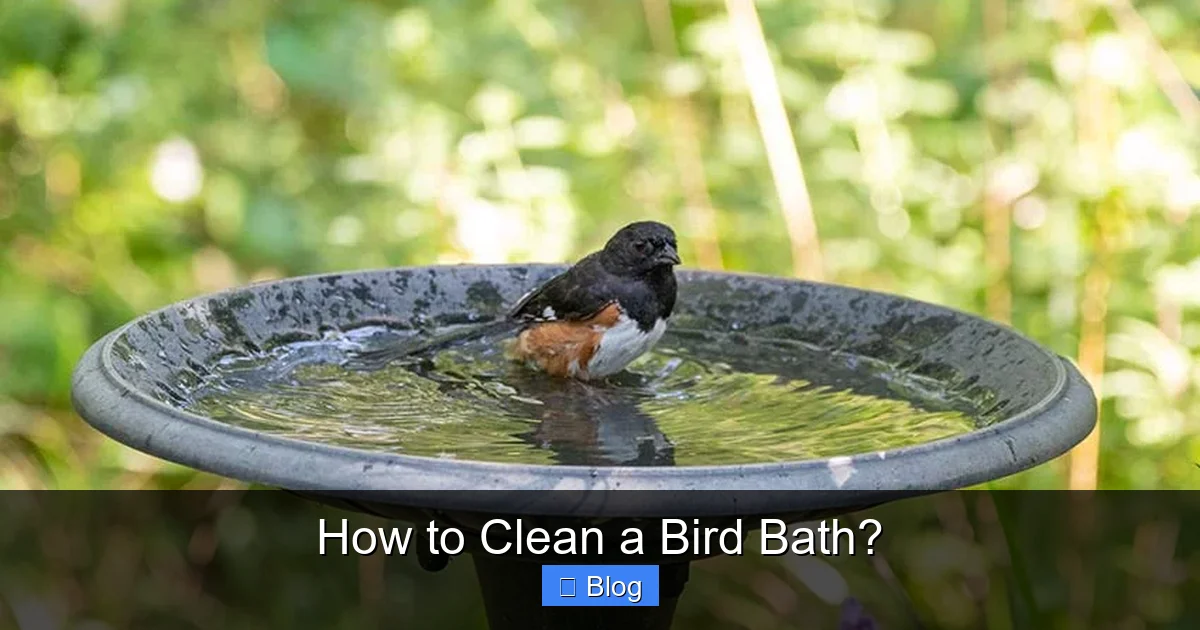
Birds are smart, and they have instincts. They’ll naturally gravitate towards clean, fresh water. If your bird bath is consistently murky and full of debris, birds will likely pass it over in favor of a cleaner source elsewhere. On the other hand, a sparkling clean bird bath sends a clear signal: “Safe and refreshing water here!” A well-maintained bird bath not only attracts a wider variety of species but also encourages them to become regular visitors, enriching your garden’s biodiversity. A clean bird bath is an inviting one.
Maintaining Aesthetic Appeal
Let’s be honest, a green, slimy bird bath doesn’t add much to the beauty of your garden. In fact, it can detract from it significantly. A clean bird bath, shimmering with fresh water, is a delightful focal point. It reflects the sky, catches the sunlight, and enhances the overall visual appeal of your outdoor space. Keeping it clean means it remains an asset to your landscape, complementing your flowers and foliage rather than standing out as an eyesore. Knowing how to clean a bird bath ensures your garden always looks its best.
Essential Tools and Supplies for the Job
Visual guide about How to Clean a Bird Bath?
Image source: ourwildyard.com
You don’t need a fancy arsenal to keep your bird bath pristine. Most of what you need you probably already have around the house. Gathering your supplies before you start will make the process of how to clean a bird bath much smoother and quicker.
Basic Cleaning Kit
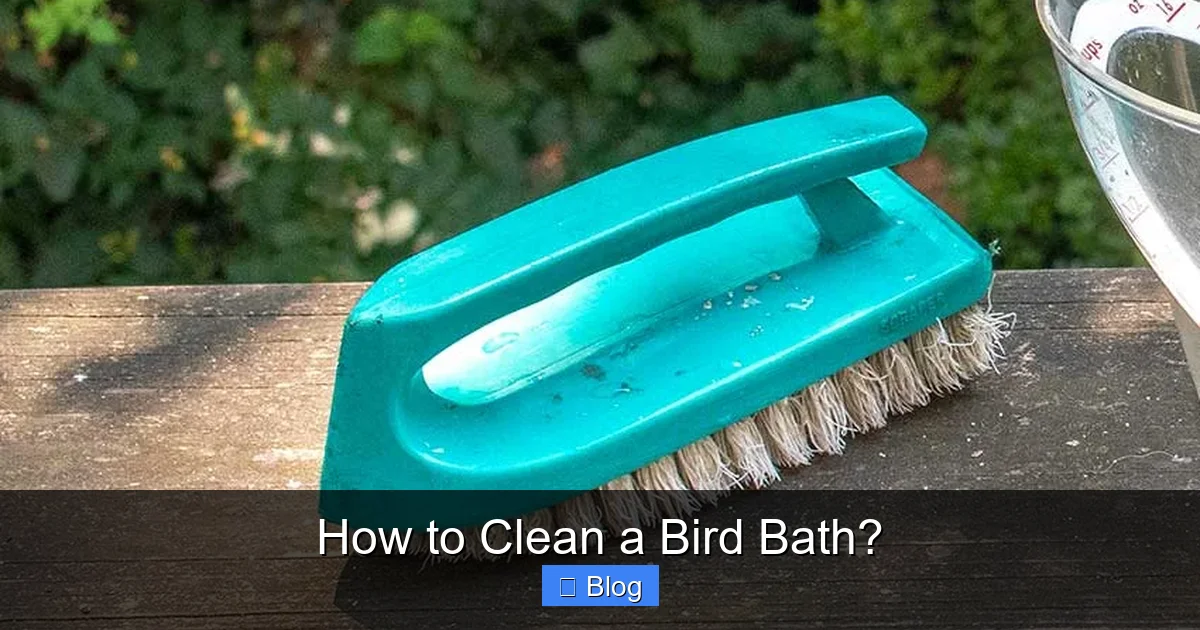
- Stiff-bristled brush: This is your primary weapon against grime and algae. Choose one with a handle for easier scrubbing. A dedicated bird bath brush is ideal, or you can repurpose an old kitchen brush (just don’t use it for dishes afterward!).
- Rubber gloves: Protect your hands from dirt, grime, and any cleaning solutions.
- Garden hose: For emptying, rinsing, and refilling.
- Scraper (optional): For really stubborn, dried-on grime or mineral deposits. An old plastic spatula or a putty knife can work wonders.
- Buckets: Handy for carrying water or mixing cleaning solutions, especially if your bird bath isn’t near a hose.
Choosing Safe Cleaning Agents
The safety of your feathered friends is paramount, so steer clear of harsh chemical cleaners, soaps, or detergents. These can leave toxic residues that are harmful to birds. Stick to natural, bird-safe options when you clean a bird bath:
- White Vinegar: An excellent natural disinfectant and deodorizer. It’s fantastic for breaking down mineral deposits and mild algae. Mix equal parts white vinegar and water for a good cleaning solution.
- Hydrogen Peroxide (3% solution): Another safe and effective disinfectant, particularly good for killing bacteria and fungi. A light spray followed by scrubbing is usually sufficient.
- Bleach (diluted solution): For deep sanitization of very dirty bird baths, a highly diluted bleach solution can be used, but extreme care must be taken with rinsing. Use 1 part bleach to 9 parts water (e.g., 1/2 cup bleach to 4.5 cups water). This should be a last resort for sanitizing, not routine cleaning.
- Baking Soda: A mild abrasive that can help scrub away grime and neutralize odors without scratching the surface. Make a paste with a little water for extra scrubbing power.
Remember, whatever you use, the most critical step is rinsing.
Step-by-Step Guide: How to Clean a Bird Bath Safely and Effectively
Now for the practical part: the actual process of how to clean a bird bath. Follow these steps for a truly sparkling and safe water source.
Step 1: Empty and Disassemble
First things first, you need to get rid of the old water. If your bird bath has a drain plug, use it. Otherwise, carefully tip the bird bath to pour out the water, aiming away from any plants that might be sensitive to algae-rich water. If your bird bath has multiple parts (like a basin that detaches from a pedestal), disassemble them. This makes it much easier to access all surfaces for thorough cleaning. This initial emptying is crucial to begin the process of how to clean a bird bath.
Step 2: Scrub Away the Grime
This is where your stiff-bristled brush comes in handy. Put on your gloves. With no water in the basin, start scrubbing all surfaces – the bottom, sides, and any decorative elements. Focus on areas with visible algae, slime, or accumulated debris. For most routine cleanings, a good vigorous scrub with plain water is often sufficient. If grime is stubborn, you can lightly dampen the brush with a solution of white vinegar and water (50/50 mix) or a paste of baking soda and water. Really put some elbow grease into it! The goal here is to physically remove all the muck.
Step 3: Sanitize (When Necessary)
After scrubbing, if your bird bath was particularly dirty, slimy, or hasn’t been cleaned in a while, you might want to sanitize it.
- Vinegar Method: Spray or pour your 50/50 white vinegar and water solution over all surfaces. Let it sit for 5-10 minutes to allow the vinegar’s acetic acid to work its magic.
- Hydrogen Peroxide Method: Spray 3% hydrogen peroxide directly onto the surfaces. Let it bubble for a few minutes.
- Bleach Method (Use with Extreme Caution): If you opt for the diluted bleach solution (1 part bleach to 9 parts water), apply it to all surfaces. Let it sit for a maximum of 5 minutes. *This method requires the most thorough rinsing possible.*
After applying your chosen sanitizer, give it another quick scrub to loosen any remaining invisible nasties.
Step 4: Rinse, Rinse, Rinse!
This is arguably the most crucial step when you clean a bird bath, especially if you’ve used any cleaning agents, even mild ones like vinegar. Any residue left behind can be harmful to birds. Use your garden hose to thoroughly rinse every inch of the bird bath, both inside and out. Rinse it multiple times, letting fresh water run over all surfaces until you’re absolutely sure no cleaning agent remains. You might even want to fill it up and empty it a couple of times with clean water to ensure complete dilution and removal of any lingering chemicals or smells.
Step 5: Air Dry and Refill
Once rinsed, it’s best to let the bird bath air dry completely in the sun. Sunlight acts as a natural sanitizer, helping to kill any residual bacteria or mold spores. If you’re in a hurry, you can wipe it down with a clean, dedicated bird bath towel (don’t use one you use for anything else!). Once completely dry, reassemble any parts, move it back to its desired location, and refill it with fresh, clean water. Now your birds have a sparkling, safe, and inviting spot to drink and bathe. You’ve successfully learned how to clean a bird bath!
Tackling Stubborn Stains and Algae
Sometimes, simply scrubbing isn’t enough. Algae and mineral deposits can be tenacious. Knowing how to clean a bird bath when it’s really challenging is key.
Dealing with Green Algae
Algae loves water and sunlight, making bird baths a prime target. Regular cleaning is the best defense.
- Brushing and Scraping: For a heavy algae buildup, start with your stiff brush. If that’s not enough, a plastic scraper can help dislodge thicker layers.
- Vinegar Soak: For really persistent algae, fill the bird bath with a 50/50 solution of white vinegar and water. Let it soak for several hours or even overnight. The acidity will help break down the algae, making it much easier to scrub away afterward. Always remember to rinse *extremely* thoroughly after any soak.
- Baking Soda Paste: Make a thick paste with baking soda and a little water. Apply it to the algaefied areas, let it sit for 15-20 minutes, then scrub vigorously with your brush. The abrasive nature of baking soda can help lift the algae without scratching the surface.
Removing Mineral Deposits and Hard Water Stains
If you live in an area with hard water, you’ll eventually notice white, crusty deposits building up on your bird bath.
- Vinegar Power: White vinegar is your best friend here. For light deposits, simply spray a concentrated amount of undiluted white vinegar onto the stains, let it sit for 10-15 minutes, then scrub with your brush. For heavier buildup, you might need to soak a paper towel in vinegar and lay it directly over the stain, allowing it to sit for an hour or more before scrubbing.
- Lemon Juice: Similar to vinegar, the citric acid in lemon juice can help break down mineral deposits. Apply directly, let sit, then scrub.
- Non-Scratch Scrubber: For very stubborn spots, a non-scratch scouring pad or a plastic scraper can be carefully used after a vinegar soak to gently lift the deposits.
Always follow these treatments with a thorough rinse.
The Power of Vinegar
It’s worth emphasizing that white vinegar is truly a superstar when you clean a bird bath. Its acetic acid content makes it effective at dissolving mineral deposits, killing many types of bacteria and fungi, and inhibiting algae growth. It’s safe, natural, inexpensive, and readily available. Just remember the thorough rinsing step!
Frequency and Best Practices for Ongoing Maintenance
Knowing how to clean a bird bath isn’t just about a one-time deep scrub; it’s about establishing a routine that keeps it consistently fresh and inviting.
Daily Tidbits
- Change the Water: This is the simplest and most effective daily task. Dump out the old water, give the basin a quick wipe with your gloved hand or a clean paper towel to remove any loose debris, and refill with fresh water. This alone prevents a huge amount of algae and bacterial buildup.
- Remove Debris: Quickly scoop out any leaves, twigs, bird droppings, or drowned insects you see floating in the water. A small net or even your hand can do the trick.
Weekly Deep Cleans
Aim for a full deep clean, following the step-by-step guide above, at least once a week. If you live in a hot, humid climate, or if your bird bath gets a lot of bird traffic, you might need to do this twice a week. Consistency is the key to preventing major buildup and ensuring bird health. This is where your full understanding of how to clean a bird bath truly shines.
Seasonal Considerations
- Summer: Hot weather accelerates algae growth and bacterial reproduction. Increase your cleaning frequency during warmer months, perhaps cleaning every 2-3 days.
- Winter: If you use a heated bird bath in winter, cleaning is still important. Although cold slows bacterial growth, melting snow and ice can introduce debris. Clean it thoroughly before freezing temperatures set in, and periodically through the winter if possible, turning off the heater for the cleaning process.
Placement Matters
The location of your bird bath can significantly impact how quickly it gets dirty.
- Shade: Placing your bird bath in a shaded area will slow down algae growth significantly, as algae thrives in sunlight. This means less frequent scrubbing for you!
- Away from Feeders: While it might seem convenient, placing a bird bath directly under a bird feeder means it will quickly become contaminated with dropped seeds, hulls, and bird droppings. Position it at least 10-15 feet away from feeders.
- Ease of Access: Choose a spot that’s easy for you to reach with a hose and a brush. If it’s a hassle, you’re less likely to clean it as often as you should.
Keeping your bird bath clean is a small effort with a big payoff. By following these simple guidelines on how to clean a bird bath, you’re not just maintaining a garden feature; you’re providing a vital, safe, and welcoming resource for the beautiful birds that grace your garden.
Remember, a little consistent effort goes a long way. You’ll be rewarded with the delightful sights and sounds of happy, healthy birds enjoying their sparkling clean oasis. Your garden will become a lively hub, and you’ll have the satisfaction of knowing you’re doing your part for local wildlife. So grab your brush, put on your gloves, and make that bird bath shine! Happy bird watching!
🎥 Related Video: How to Clean and Maintain Bird Baths
📺 GardeningClubChannel
How-to clean and care for your bird bath. Presented by the National Home Gardening Club (NHGC), …
Frequently Asked Questions
How often should I deep clean my bird bath?
You should aim to deep clean your bird bath, which includes scrubbing and sanitizing, at least once a week. In hot, humid weather or if your bird bath gets a lot of bird traffic, you might need to increase this to twice a week to keep it pristine.
What kind of brush is best for cleaning a bird bath?
A stiff-bristled brush with a handle is ideal. You can use a dedicated bird bath brush, an old kitchen brush (kept separate for this purpose), or even a toilet brush that is brand new and only used for the bird bath. The stiffness helps dislodge tough grime and algae effectively.
Can I use pressure washer to clean a bird bath?
While a pressure washer can quickly remove debris, it’s generally not recommended for bird baths made of softer materials like concrete or resin, as it can damage the surface over time. For very sturdy stone or metal, it might be an option, but manual scrubbing with a safe cleaning agent followed by thorough rinsing is usually sufficient and safer.
Why is my bird bath always green with algae?
Algae thrives in sunlight and warm, stagnant water. Your bird bath might be green due to infrequent water changes, insufficient scrubbing during cleaning, or being placed in a location that receives too much direct sunlight. Moving it to a shadier spot and increasing cleaning frequency can help significantly.
How do I prevent mosquitoes from breeding in my bird bath?
The best way to prevent mosquitoes is to change the water daily and clean the bird bath thoroughly once or twice a week. Mosquitoes need still water for about 7-10 days to complete their life cycle. Regularly refreshing and cleaning the water disrupts this cycle, preventing larvae from developing.
Are there any bird bath additives that are safe to use?
Yes, some bird bath additives are safe and designed to inhibit algae growth and repel mosquitoes without harming birds. Look for products specifically labeled as “bird bath protector” or “enzyme cleaner” for bird baths, and always follow the manufacturer’s instructions carefully. These should only supplement, not replace, regular cleaning.