
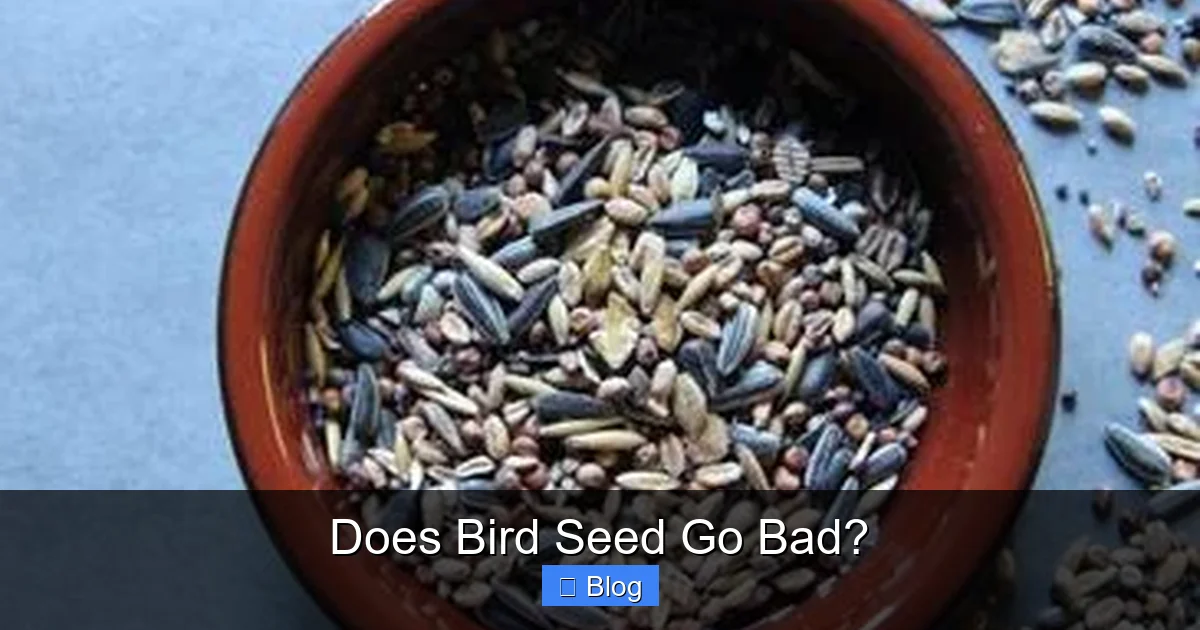
Yes, bird seed absolutely can and does go bad! Like any natural food product, it’s susceptible to moisture, mold, pests, and rancidity, especially if stored improperly. Understanding the signs of spoilage and adopting good storage practices are crucial to protect wild birds from illness and ensure your feeding efforts are beneficial.
Watching birds flock to your feeder is one of life’s simple, genuine pleasures. Their vibrant colors, cheerful chirps, and lively antics bring a touch of wild beauty right to your doorstep. As responsible bird lovers, we strive to provide a safe and nourishing haven for our feathered friends. We invest in quality feeders, choose a good location, and carefully select the right blend of seeds to attract a diverse array of species. But there’s a crucial question many of us ponder: *Does bird seed go bad*?
It’s a common misconception that because bird seed is “just seeds,” it might last indefinitely. After all, seeds are designed by nature to be dormant and resilient, right? While that’s true to an extent, the reality for commercial bird seed is quite different. The moment those seeds are harvested, processed, and packaged, they begin a journey that makes them susceptible to various forms of spoilage. Understanding this process and knowing how to keep your bird seed fresh is paramount for the health and safety of your beloved backyard birds. Let’s delve deep into the world of bird seed longevity.
Key Takeaways
- Bird Seed Spoils: Just like human food, bird seed is perishable and can go bad due to moisture, mold, pests, and rancidity, compromising its nutritional value and safety.
- Common Spoilage Signs: Look for mold (fuzzy patches, musty smell), insect infestations (weevils, moths, webs), clumping or caking, a foul or rancid odor, and faded color as indicators of bad seed.
- Moisture is the Enemy: High humidity and direct exposure to rain or condensation are primary culprits, leading to mold growth and making seed unpalatable or dangerous.
- Proper Storage is Crucial: Store bird seed in airtight, moisture-proof containers made of metal or thick plastic, kept in a cool, dry, dark place away from direct sunlight and temperature fluctuations.
- Seed Type and Shelf Life Vary: Seeds high in oil (like nyjer, sunflower) can go rancid faster than drier grains. Buying smaller quantities and rotating stock ensures freshness.
- Dangers of Bad Seed: Feeding spoiled bird seed can cause serious health issues for birds, including digestive problems, respiratory illnesses, and even death, while also attracting rodents and other pests to your yard.
- When in Doubt, Throw It Out: If you suspect your bird seed has gone bad, err on the side of caution and dispose of it responsibly to protect your avian visitors.
Quick Answers to Common Questions
How long does bird seed typically last?
Generally, bird seed can last for about 2-4 months if stored properly in a cool, dry place. High-oil seeds may have a shorter shelf life, sometimes only 1-2 months, especially once opened, while drier grains can last longer.
Can I dry out wet bird seed and reuse it?
No, once bird seed gets wet and starts to clump or show signs of mold, it’s best to discard it. Drying it out won’t remove mold toxins or bacterial contamination that may have already developed, making it unsafe for birds.
What happens if birds eat moldy seed?
Eating moldy seed can be very harmful to birds, potentially causing respiratory problems, digestive issues, neurological damage, and even death due to mycotoxins produced by the mold.
Can expired bird seed be used?
If “expired” means past a “best by” date but shows no signs of spoilage (no mold, pests, or rancid smell), it might still be okay. However, its nutritional value might be diminished. If there’s any doubt or signs of spoilage, it’s safer to discard it.
Are certain types of bird seed more prone to spoilage?
Yes, seeds high in fat or oil content, such as black oil sunflower seeds, nyjer, and safflower, are more prone to going rancid faster than lower-fat grains like millet or cracked corn. Moisture affects all seed types equally.
📑 Table of Contents
The Unseen Enemy: Why Bird Seed Goes Bad
You might be wondering, “Why does bird seed go bad in the first place?” It’s not just a matter of time; several environmental factors and biological processes contribute to its deterioration. Think of bird seed like any other natural food product you might store in your pantry – given the right conditions, it can become a breeding ground for unwanted guests and harmful substances.
Moisture and Humidity: The Root of All Evil
Without a doubt, moisture is the number one enemy of bird seed. Even a small amount of humidity can kickstart a cascade of problems. When bird seed absorbs moisture, it creates an ideal environment for mold and fungi to thrive. These microscopic invaders can rapidly colonize the seed, producing mycotoxins that are highly toxic to birds. A damp environment also encourages germination, leading to sprouts in your feeder rather than nourishment.
Pest Infestations: Uninvited Guests
Another major reason why bird seed goes bad is the unwelcome arrival of pests. Weevils, pantry moths, and various other insects are notorious for finding their way into stored grains and seeds. They lay eggs, their larvae hatch and feed on the seeds, leaving behind waste, webs, and often rendering the seed inedible or contaminated. Even small holes in packaging can be an open invitation for these persistent critters.
Rancidity: The Silent Killer
Many types of bird seed, especially those high in oils like black oil sunflower seeds, nyjer, and safflower, are prone to going rancid. This happens when the fats in the seeds oxidize, leading to a breakdown in their chemical structure. Rancid seed doesn’t just taste bad to birds; it loses its nutritional value and can become detrimental to their health, potentially causing digestive upset and other issues.
Types of Spoilage: What to Look For
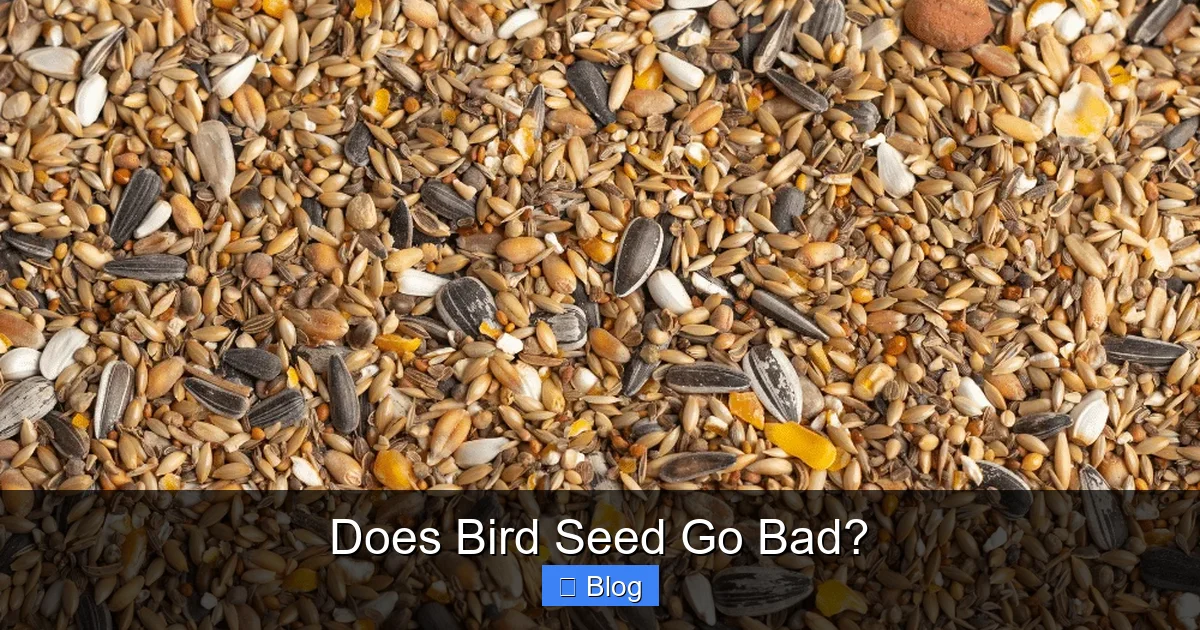
Visual guide about Does Bird Seed Go Bad?
Image source: sigloxxi.com
Knowing that bird seed can spoil is one thing, but being able to identify spoiled seed is equally important. Fortunately, there are several clear indicators that your bird seed has gone bad. Regular inspection is key to ensuring you’re offering only the best to your avian visitors.
Mold and Fungi
This is perhaps the most obvious and dangerous sign. Mold can appear as fuzzy white, green, black, or blue patches on the seeds or inside the feeder. You might also notice a distinct musty or earthy odor. Any sign of mold means the bird seed has gone bad and must be discarded immediately. Birds can get very sick from ingesting moldy seed.
Insect Infestations
Look closely for any signs of movement within the seed. You might spot small beetles (weevils), moths, or their larvae. Fine webbing, often resembling cobwebs, is another tell-tale sign of pantry moths. If you see these unwelcome guests, it’s a clear indication the bird seed has gone bad and is contaminated.
Foul or Rancid Odor
Fresh bird seed should have a mild, nutty, or earthy smell. If you detect a strong, sour, stale, or chemical odor, chances are the oils in the seed have gone rancid. This is particularly noticeable with high-fat seeds. Trust your nose – if it smells off, it probably is.
Clumping and Caking
If your bird seed is sticking together in clumps or forming a solid cake-like mass, it’s a strong sign of moisture absorption. This clumping not only indicates that the bird seed has gone bad but also makes it difficult for birds to extract from feeders, potentially leading to blockages.
Faded Color and Dust
Healthy, fresh seeds have a vibrant, natural color. If your seed looks dull, faded, or unusually dusty, it could be a sign of age or deterioration. Excessive dust can also be a byproduct of insect activity or mold growth, indicating that the bird seed has gone bad.
Factors Affecting Shelf Life
The speed at which bird seed goes bad isn’t constant; it depends on several key factors. Understanding these can help you make better purchasing and storage decisions.
Seed Type Matters
Not all bird seeds are created equal when it comes to shelf life.
- High-Oil Seeds: Black oil sunflower, nyjer, and safflower seeds are packed with fats, making them highly nutritious but also more susceptible to rancidity. They generally have a shorter shelf life, especially once opened.
- Low-Oil Grains: Millet, cracked corn, and milo tend to have a longer shelf life as they contain less fat to go rancid. However, they are still vulnerable to moisture and pests.
- Seed Blends: Blends often contain a mix of different seeds, which can make predicting their overall shelf life tricky. The most perishable component will often dictate how quickly the entire blend goes bad.
Temperature and Humidity
These two environmental factors are perhaps the most critical. Warm, humid conditions accelerate spoilage significantly.
- Temperature: Higher temperatures speed up chemical reactions, including the oxidation that leads to rancidity. They also create a more favorable environment for insect breeding and mold growth.
- Humidity: As discussed, moisture is a direct pathway to mold and clumping. Storing seed in a damp basement or garage is a recipe for disaster.
Storage Containers and Locations
The way you store your bird seed directly impacts how long it stays fresh. Poorly sealed bags or containers allow moisture in and provide easy access for pests. A garage or shed might seem like a good place, but if it experiences wide temperature swings and high humidity, your bird seed will go bad much faster.
Best Practices for Storing Bird Seed
Now that we know *does bird seed go bad* and why, let’s talk about proactive steps you can take to keep it fresh for longer. Proper storage is your best defense against spoilage and wasted money.
Choosing the Right Container
The container you use for your bird seed is critical.
- Airtight is Key: Opt for sturdy, airtight containers made of metal or thick plastic. These prevent moisture from entering and keep pests out. Galvanized trash cans with tight-fitting lids are popular for larger quantities.
- Avoid Original Bags: While convenient, the paper or thin plastic bags bird seed comes in are often not airtight or rodent-proof. Transfer the seed to a proper storage container as soon as you get it home.
- Consider Smaller Containers: If you buy in bulk, consider dividing the seed into smaller, sealed containers. This way, you only expose a portion of your supply to the air each time you refill your feeder.
Ideal Storage Location
Where you store your seed is almost as important as how.
- Cool and Dry: Aim for a location that is consistently cool and dry. A pantry, closet, or even a utility room inside your home is often better than an uninsulated garage or shed, especially in humid climates.
- Darkness Helps: Light, especially direct sunlight, can accelerate rancidity. Store containers in a dark place or use opaque containers.
- Off the Floor: Keep containers elevated off the floor to deter rodents and protect against potential flooding or ground moisture.
Buying Smart: Quantity and Quality
Your purchasing habits also play a significant role in keeping bird seed fresh.
- Buy What You Use: It’s tempting to buy giant bags for the cost savings, but if you don’t go through it quickly, you risk it going bad. A good rule of thumb is to buy no more than a 4-6 week supply, especially during warm, humid months.
- Check Dates: While not always prominently displayed, some bird seed packaging might have a “best by” date. Pay attention to it.
- Inspect Before Buying: Before you even leave the store, give the bag a quick squeeze and look. Feel for clumps, check for tears, and if possible, sniff for any off odors.
The Dangers of Feeding Bad Bird Seed
It’s not just about aesthetics or saving a few dollars; feeding spoiled bird seed can have serious, even fatal, consequences for the birds you’re trying to help.
Health Risks for Birds
- Mold Toxins (Mycotoxins): These are highly dangerous. Ingesting moldy seed can cause respiratory problems, digestive issues, neurological damage, and can be fatal, especially to smaller birds.
- Bacterial Contamination: Damp, rotting seed can harbor harmful bacteria like Salmonella, leading to illness that can spread rapidly through a bird population.
- Nutritional Deficiencies: Rancid or old seed loses its vital nutrients. Birds need these fats, proteins, and carbohydrates for energy, feather maintenance, and overall health, especially during migration or breeding seasons. Feeding them nutritionally void seed can lead to weakness and increased susceptibility to disease.
- Digestive Issues: Spoiled seed can cause upset stomachs, diarrhea, and other digestive distress, weakening birds already trying to survive in the wild.
Pest Attraction
Storing and feeding bad bird seed doesn’t just harm birds; it can attract unwelcome visitors to your property. Rodents like mice and rats are highly attracted to accessible seed and can carry diseases, create nests, and cause damage. Insects from spoiled seed can also infest your home if containers aren’t properly sealed.
Wasted Effort and Money
Ultimately, feeding bad bird seed is a waste of your effort and money. You’re buying food that won’t nourish the birds, might harm them, and could lead to more problems in your yard. The joy of bird feeding comes from knowing you’re providing a healthy, beneficial service to nature.
When in Doubt, Throw It Out
This is the golden rule for bird seed. If you have any suspicion that your bird seed has gone bad – whether it’s a slight odor, a hint of mold, or a few creepy crawlies – it’s always best to discard it. Do not compost large quantities of spoiled seed as it can attract pests to your compost pile or spread mold spores. Instead, seal it tightly in a trash bag and dispose of it in your regular household waste. Clean your feeders thoroughly with a diluted bleach solution (one part bleach to nine parts water) and rinse them completely before refilling with fresh seed.
Conclusion
The answer to “Does bird seed go bad?” is a resounding yes. It’s a perishable product that requires careful handling and storage to remain safe and nutritious for wild birds. By understanding the causes of spoilage, recognizing the signs of bad seed, and implementing proper storage techniques, you can ensure that your bird feeding efforts are truly beneficial. Keeping your seed fresh not only protects your feathered friends from illness but also makes your backyard a more inviting and healthy place for them to thrive. So, store smart, inspect often, and keep those feeders stocked with only the freshest, highest-quality sustenance, allowing you to enjoy the wonderful world of birds for years to come.
🎥 Related Video: uses of 'bird seed' 🔥💯🎯 | #shorts #youtubeshorts #viral #granny #explore
📺 Games Wave
uses of ‘bird seed’ | #shorts #youtubeshorts #viral #granny #explore.
Frequently Asked Questions
How can I tell if bird seed is rancid?
Rancid bird seed will have a strong, unpleasant odor that can be described as sour, stale, or even like old paint. It often looks dull or faded and may feel greasy. Birds usually avoid eating rancid seed, so if your feeder is being ignored, a sniff test is a good first step.
Is it safe to feed bird seed that has a few insects in it?
No, it’s not safe to feed bird seed with insects. The presence of insects indicates contamination and likely spoilage, including their waste and potential mold. Discarding the seed and thoroughly cleaning your storage container and feeder is the best course of action.
Can bird seed attract rodents if stored improperly?
Absolutely. Bird seed is a highly attractive food source for rodents like mice and rats. Improperly sealed containers or bags stored in accessible areas can lead to infestations, which can bring health risks to humans and pets, as well as damage to your property.
Should I store bird seed in the refrigerator or freezer?
Storing bird seed in the refrigerator or freezer can extend its shelf life, particularly for smaller quantities or high-oil seeds. This slows down rancidity and inhibits insect activity. Just ensure the seed is in an airtight container to prevent moisture absorption from condensation when it’s taken out.
What is the ideal temperature for storing bird seed?
The ideal temperature for storing bird seed is consistently cool, preferably below 50°F (10°C). Cooler temperatures significantly slow down the processes of rancidity, mold growth, and insect reproduction, thereby preserving the seed’s freshness and nutritional value for longer.
How often should I clean my bird feeders to prevent spoilage?
Cleaning your bird feeders regularly is crucial, especially to prevent seed spoilage and the spread of disease. It’s recommended to clean feeders every 1-2 weeks, and more often during warm or wet weather, or if you notice any signs of mold or wet seed.