
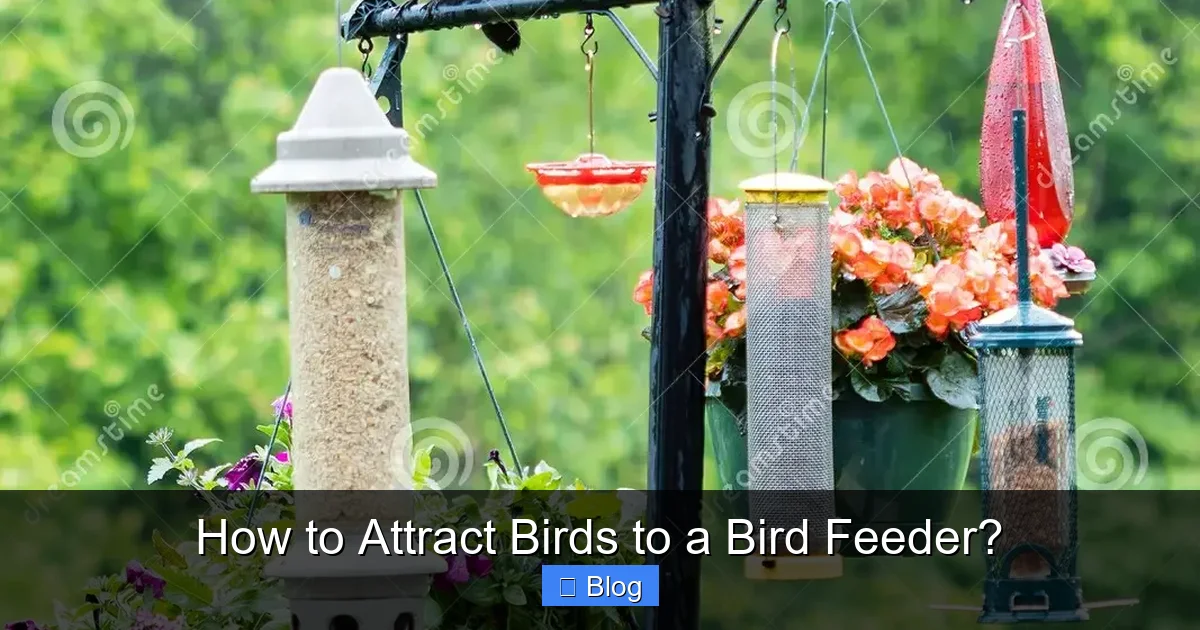
Attracting birds to a bird feeder is a delightful hobby that enriches your yard and connects you with nature. By understanding birds’ needs, choosing appropriate feeders and high-quality seeds, and ensuring optimal placement with safety in mind, you can invite a diverse array of feathered friends. Providing fresh water and natural shelter further enhances your space, making it an irresistible haven for local avian life.
How to Attract Birds to a Bird Feeder?
There’s something truly magical about watching a tiny chickadee dart to a feeder, or a vibrant cardinal perch gracefully, cracking a sunflower seed. It’s a simple pleasure that connects us with the natural world right in our own backyards. If you’ve ever dreamt of transforming your garden into a bustling avian diner, you’re in the right place! Attracting birds to a bird feeder is a rewarding journey that brings beauty, song, and a dash of wild wonder to your everyday life.
But it’s not always as simple as hanging a feeder and waiting. Birds, like all wild creatures, have specific needs and preferences. Understanding these can make all the difference between an empty feeder and one teeming with feathered visitors. From choosing the right food to creating a safe and inviting environment, every step you take helps create a haven that birds will eagerly seek out. Let’s dive into the practical, friendly advice that will help you attract birds to a bird feeder and turn your backyard into a lively bird sanctuary.
Understanding Your Audience: What Do Birds Like?
Think of yourself as a restaurateur for birds. To have a popular spot, you need to know your clientele! Different birds have different dining habits and food preferences. Knowing these will be your first step in figuring out how to attract birds to a bird feeder successfully.
Different Birds, Different Tastes
Just like humans, birds have favorite foods. A tiny finch isn’t going to be thrilled with a whole peanut, and a woodpecker won’t be satisfied with just tiny thistle seeds.
- Finches (Goldfinches, House Finches): Love small seeds like Nyjer (thistle) and hulled sunflower seeds.
- Cardinals, Grosbeaks, Titmice, Chickadees: Big fans of black oil sunflower seeds, which are easy to open and high in fat.
- Jays, Woodpeckers, Nuthatches: Enjoy larger seeds, peanuts, and suet.
- Doves, Sparrows: Often prefer millet and cracked corn, especially on ground feeders.
Beyond Seeds: A Diverse Menu
While seeds are the staple, a varied menu will attract a wider array of birds.
- Suet: A high-energy treat, especially vital in winter. Woodpeckers, nuthatches, chickadees, and even warblers love it.
- Nectar: Essential for hummingbirds. A simple sugar-water solution is perfect.
- Fruit: Orioles, tanagers, and mockingbirds might be tempted by oranges, apples, or grapes.
- Mealworms: A protein-rich snack that insectivorous birds like bluebirds and wrens adore.
Choosing the Right Feeder: Your Avian Buffet
The type of feeder you choose is just as important as the food inside it. Different feeders cater to different bird species and feeding styles. When wondering how to attract birds to a bird feeder, think about which design best suits your target guests.
Hopper Feeders
These feeders store a good quantity of seeds, keeping them dry and fresh, and dispensing them into a tray as needed.
- Pros: Accommodate a variety of seeds (especially black oil sunflower), attract many bird types, keep food dry.
- Cons: Can be prone to clogging if seeds get wet, harder to clean thoroughly.
- Best for: Cardinals, chickadees, finches, titmice.
Tube Feeders
Cylindrical feeders with small perches and feeding ports.
- Pros: Great for smaller birds, offer individual feeding spots, prevent large birds from monopolizing. Many models are easy to clean.
- Cons: Can be tricky for larger birds.
- Best for: Finches, chickadees, titmice, nuthatches.
Platform or Tray Feeders
Open trays where seeds are scattered.
- Pros: Attract a wide variety of birds, including ground feeders. Easy for birds to access food.
- Cons: Food is exposed to weather, more susceptible to squirrels and larger birds, requires daily cleaning to prevent spoilage.
- Best for: Doves, jays, sparrows, cardinals, and many others.
Suet Cages
Wire cages designed to hold suet blocks.
- Pros: Deliver high-energy food, attract insect-eating birds.
- Cons: Can attract starlings and other aggressive birds.
- Best for: Woodpeckers, nuthatches, chickadees, wrens.
Nectar Feeders
Specifically designed for hummingbirds, with red accents and small feeding ports.
- Pros: The only way to feed hummingbirds; beautiful to watch.
- Cons: Require frequent cleaning (every 2-3 days in warm weather) to prevent mold.
- Best for: Hummingbirds.
Specialized Feeders
These include thistle (Nyjer) feeders for finches, which have tiny holes, and squirrel-resistant feeders with weight-activated closures. Investing in specialized feeders can significantly increase your chances of how to attract birds to a bird feeder while deterring unwanted guests.
The Art of Placement: Where to Put Your Feeder?
You can have the best food and feeder in the world, but if it’s in the wrong spot, birds might not find it or feel safe enough to visit. Placement is a critical factor when learning how to attract birds to a bird feeder.
Safety First: Predator Protection
Birds are vulnerable while feeding. They need to feel safe from predators like cats and hawks.
- Keep Away from Cats: Position feeders where cats cannot easily ambush birds. This often means hanging them high or in open areas, away from low shrubs where cats can hide.
- Proximity to Cover: While open areas are good for spotting ground predators, birds also need quick access to dense shrubs or trees for immediate escape from aerial predators like hawks. Aim for feeders 10-15 feet from suitable cover.
- Window Safety: Birds can collide with windows. Place feeders either very close (within 3 feet) so birds don’t build up enough momentum to injure themselves, or more than 30 feet away. Window decals can also help.
Visibility and Shelter
Birds need to see the feeder to find it, but also appreciate some shelter from strong winds or harsh sun.
- Visible but Protected: A spot that’s visible from your home allows you to enjoy the birds, but also offers some protection from elements.
- Consider Sun and Wind: Avoid placing feeders where they’ll be in direct, scorching sun all day or exposed to constant strong winds, which can spoil food faster and make feeding uncomfortable.
Accessibility for You
Don’t forget yourself! You’ll need to reach the feeder regularly for refilling and cleaning.
- Easy to Reach: Place feeders where you can easily access them for maintenance without disturbing plants or struggling.
- Observation Point: Position feeders so you have a good view from a window or porch. This is, after all, part of the joy of bird feeding!
Spacing Multiple Feeders
If you have multiple feeders, space them out. This reduces competition among birds and allows more individuals to feed simultaneously.
The Importance of Food Quality and Variety
Just like you wouldn’t eat the same bland meal every day, birds appreciate variety and high-quality ingredients. The type of seed you offer directly impacts which species you attract and how healthy they remain. Understanding this is key to successfully learning how to attract birds to a bird feeder.
Black Oil Sunflower Seeds: The Universal Favorite
If you only buy one type of seed, make it black oil sunflower.
- Why it’s great: Thin shells make them easy for small birds to open, and they’re packed with healthy fats and protein.
- Attracts: Cardinals, chickadees, titmice, finches, grosbeaks, nuthatches, and many more.
Nyjer (Thistle) Seeds: Finches’ Delight
These tiny, black seeds require a special feeder with small ports.
- Why it’s great: Specifically attracts finches due to their small size.
- Attracts: American Goldfinches, Pine Siskins, Common Redpolls, and other small finches.
Safflower Seeds: A Squirrel Deterrent (Mostly!)
Some birds love safflower, while squirrels and blackbirds often don’t.
- Why it’s great: Good for deterring some unwanted feeder guests.
- Attracts: Cardinals, grosbeaks, doves, and sometimes chickadees and titmice.
Suet: Winter Energy Booster
Especially important in colder months when insects are scarce.
- Why it’s great: Provides concentrated fat and energy.
- Attracts: Woodpeckers, nuthatches, chickadees, wrens, kinglets.
Nectar: Hummingbird Fuel
A simple mixture of four parts water to one part white sugar. Avoid red dyes.
- Why it’s great: Essential energy source for hummingbirds.
- Attracts: Hummingbirds!
Cracked Corn & Peanuts: Ground Feeders & Jays
Cracked corn is great for ground-feeding birds. Unsalted peanuts (shelled or in the shell) are a treat for larger birds.
- Why they’re great: Provide energy and appeal to specific species.
- Attracts: Doves, jays, sparrows (cracked corn); jays, woodpeckers, nuthatches (peanuts).
Avoiding Fillers
Many cheap bird seed mixes contain “filler” seeds like red milo, oats, or wheat. Birds often kick these out, leading to waste and messy ground. Opt for high-quality mixes with a high percentage of black oil sunflower or specialty seeds. This is a common mistake when people are learning how to attract birds to a bird feeder.
Beyond the Feeder: Creating a Bird-Friendly Habitat
While a feeder provides food, birds need more than just meals. To truly attract birds to a bird feeder and keep them coming back, you need to think about creating a holistic habitat.
Fresh Water Source: Bird Baths
Water is just as vital as food. Birds need it for drinking and for preening their feathers.
- Year-Round Supply: A bird bath is essential. In winter, consider a heated bird bath to provide a crucial water source when natural options are frozen.
- Cleanliness: Keep the water fresh and clean. Change it daily, and scrub the bath every few days to prevent algae and bacterial growth.
- Depth: Birds prefer shallow water, generally 1-2 inches deep. You can add stones or gravel to deeper baths to create varying depths.
Natural Shelter and Nesting Sites
Birds look for safe places to rest, roost, and raise their young.
- Trees and Shrubs: Plant native trees and dense shrubs to provide cover from predators and harsh weather. Evergreens are particularly valuable in winter.
- Brush Piles: A simple brush pile in a corner of your yard can offer excellent shelter for small birds.
- Birdhouses: Choose birdhouses designed for specific species and place them in appropriate locations. Ensure they are clean and well-maintained.
Native Plants and Berries
Native plants provide natural food sources (seeds, berries, nectar, insects) that are perfectly adapted to local bird species.
- Berry Bushes: Plants like serviceberry, dogwood, and elderberry offer nutritious berries.
- Seed-Bearing Flowers: Coneflowers, sunflowers, and asters produce seeds that birds love.
- Nectar Sources: Trumpet vine, bee balm, and native salvias attract hummingbirds.
Chemical-Free Yard
Pesticides and herbicides can harm birds directly or by eliminating their insect food sources. Embrace organic gardening practices. A healthy, chemical-free ecosystem is one of the best ways how to attract birds to a bird feeder and your entire yard.
Managing Predators (Especially Cats)
Domestic cats are a significant threat to wild birds.
- Keep Cats Indoors: The most effective way to protect birds is to keep pet cats indoors, especially during peak bird activity hours.
- Bells or Leashes: If cats must go outside, bells on collars or supervised leash walks can reduce their impact.
Maintenance and Consistency: Keeping Them Coming Back
Once you’ve set up your bird feeder and seen some success, the key is to keep those feathered friends returning. Consistency and cleanliness are paramount.
Regular Cleaning: Preventing Disease
Dirty feeders are a breeding ground for bacteria and mold, which can spread diseases among birds.
- Frequency: Clean feeders every two weeks, or more often during wet weather or heavy use. Nectar feeders should be cleaned every 2-3 days.
- How to Clean: Use a brush to remove old seed and debris. Wash with a solution of one part bleach to nine parts hot water, or a specialized bird feeder cleaner. Rinse thoroughly and allow to air dry completely before refilling.
- Ground Cleaning: Rake up spilled seeds and hulls regularly from beneath feeders to prevent mold growth and deter pests.
Consistent Feeding Schedule
Birds learn where reliable food sources are. If your feeder is empty for long periods, they will look elsewhere.
- Regular Refills: Try to refill your feeders at roughly the same time each day or every few days.
- Seasonal Needs: Birds may rely more heavily on feeders during harsh winter weather or during nesting season. Adjust your feeding amounts accordingly.
Patience is a Virtue
It can take time for birds to discover a new feeder, especially if your yard hasn’t been a bird hub before. Don’t get discouraged if you don’t see immediate results. It might take a few days, or even a few weeks, for birds to find and trust your new offerings. This is a crucial aspect of how to attract birds to a bird feeder successfully.
Troubleshooting: Why Are Birds Not Visiting?
If your feeder is lonely, consider these points:
- Location: Is it safe? Visible?
- Food Quality: Is the seed fresh and appealing?
- Cleanliness: Is the feeder sparkling clean?
- Predators: Are cats or hawks lurking nearby?
- Time of Year: Natural food sources might be abundant, reducing feeder reliance.
- Patience: Have you given them enough time to find it?
Conclusion
Learning how to attract birds to a bird feeder is a journey of observation, adaptation, and immense satisfaction. By providing high-quality food in appropriate feeders, ensuring safe and strategic placement, offering fresh water, and cultivating a diverse, natural habitat, you create an irresistible invitation for your feathered neighbors. Each flitting wing, every melodious song, and the vibrant splash of color against the green of your garden will remind you of the profound joy and connection that backyard bird feeding brings. So, go ahead, set up your avian buffet, and prepare to be charmed by the wonderful world of birds right outside your window. Happy birdwatching!
Key Takeaways
- Choose the Right Feeders and Seeds: Different birds prefer different types of feeders and specific seeds. Black oil sunflower seeds are a universal favorite, while specialized feeders attract specific species like hummingbirds or finches.
- Strategic Feeder Placement is Crucial: Place feeders in a safe location, away from predators, but close enough to natural cover for quick escapes. Ensure good visibility for both you and the birds.
- Provide Fresh Water Year-Round: A reliable water source, such as a bird bath, is as important as food. Birds need water for drinking and bathing, especially during dry or freezing conditions.
- Create a Bird-Friendly Habitat: Supplement feeders by planting native shrubs, trees, and flowers that offer natural food sources, shelter, and nesting sites, transforming your yard into a complete ecosystem.
- Maintain Cleanliness and Consistency: Regularly clean your feeders to prevent the spread of diseases. Consistency in providing food and water builds trust and encourages birds to return regularly.
- Be Patient and Observe: It can take time for birds to discover new feeders. Watch for local bird activity, adjust your offerings as needed, and enjoy the process of becoming a backyard bird host.
Quick Answers to Common Questions
What is the best type of seed to start with for attracting birds to a bird feeder?
Black oil sunflower seeds are widely considered the best choice for beginners. They attract a large variety of common backyard birds due to their high oil content and thin shells, which are easy for many species to crack open.
How often should I clean my bird feeders?
You should aim to clean your bird feeders at least every two weeks, or more frequently during periods of heavy use or wet weather. Nectar feeders, specifically for hummingbirds, require cleaning every 2-3 days to prevent harmful mold growth.
What if birds aren’t coming to my feeder?
First, ensure the feeder’s location is safe from predators and visible. Check that the seed is fresh and high-quality, and that the feeder is clean. Also, remember that it can take time for birds to discover a new feeder, so patience is key.
Can I feed birds year-round, or only in certain seasons?
Yes, you can feed birds year-round! While natural food sources are more abundant in spring and summer, supplemental feeding is beneficial in all seasons, particularly during harsh winters or during nesting season when birds need extra energy.
How can I deter squirrels from monopolizing my bird feeder?
There are several methods: use squirrel-resistant feeders (weight-activated or caged), place feeders on poles with baffles, or offer safflower seeds which many squirrels dislike. You can also offer a separate squirrel feeder with corn or peanuts to divert them.
🎥 Related Video: Genius Hack: DIY Bird Feeder From a Plastic Bottle! 🐦
📺 MakerSpark
Genius Hack: DIY Bird Feeder From a Plastic Bottle! #DIY #upcycling #birdfeeder #lifehack #shorts.
Frequently Asked Questions
Is it okay to stop feeding birds once I’ve started?
While birds can find natural food sources, they do grow accustomed to reliable feeders. If you need to stop, it’s best to do so gradually or ensure other natural food sources are available, especially during harsh weather or nesting season, so they aren’t suddenly left without a food supply.
Do bird feeders attract pests like rats or mice?
Bird feeders can attract rodents if spilled seed is left to accumulate on the ground. To minimize this, use feeders that catch spills, regularly rake up fallen seeds, and avoid filling feeders with more seed than birds can consume in a day or two, especially overnight.
What is the ideal distance for a bird feeder from my house?
For safety against window collisions, position feeders either very close to windows (within 3 feet) so birds don’t build up speed, or more than 30 feet away. For general observation, a distance of 10-15 feet from a window often provides excellent viewing without being too close.
Should I provide water for birds year-round?
Yes, providing fresh water year-round is highly beneficial. Birds need water for drinking and bathing in all seasons, and a heated bird bath can be a lifesaver in winter when natural water sources are frozen, making your yard an even more attractive destination.
Are store-bought birdhouses good for attracting birds?
Some store-bought birdhouses are excellent, but quality varies. Look for houses made of durable, non-toxic materials with proper ventilation, drainage holes, and easy cleaning access. Ensure the entrance hole size is appropriate for the target species to prevent larger birds or predators from entering.
What about feeding suet in summer?
You can offer suet in summer, but choose “no-melt” suet varieties specifically formulated to withstand warmer temperatures. Regular suet can become rancid or melt and stick to birds’ feathers in hot weather, potentially harming them.