
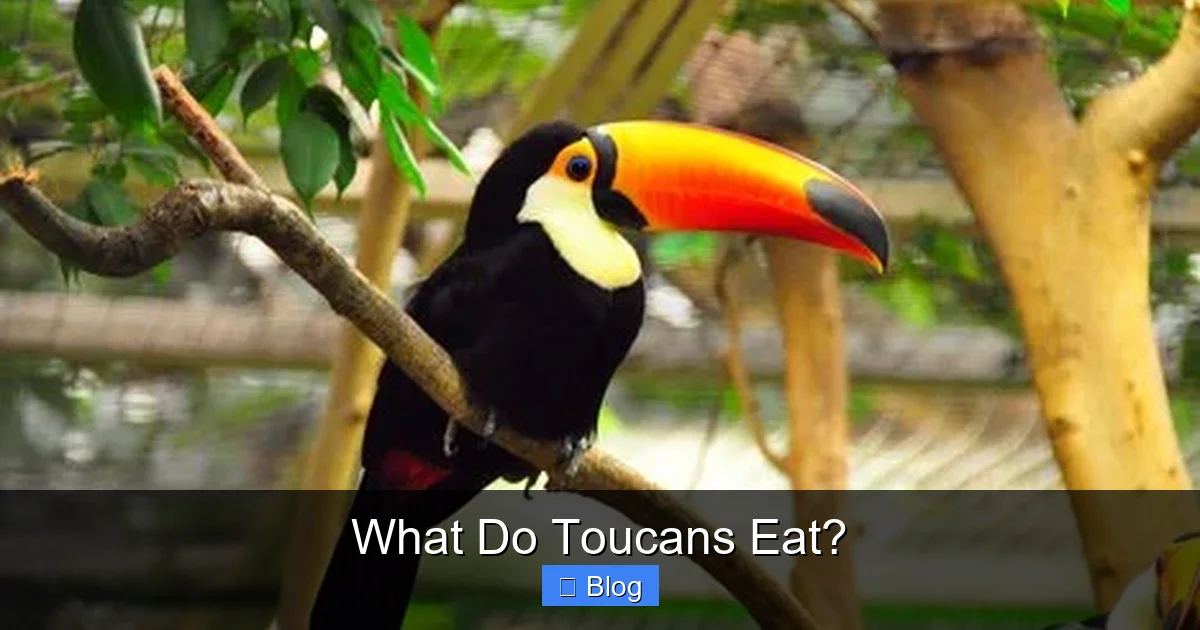
Toucans are captivating omnivores, famous for their vibrant plumage and enormous beaks. While their diet is predominantly fruit-based, making them crucial seed dispersers, what do toucans eat also includes a variety of protein sources like insects, small reptiles, and even bird eggs. Understanding their natural eating habits is key to providing a balanced diet for toucans in human care, emphasizing low-iron fruits and specially formulated pellets to prevent health issues.
The rainforests of Central and South America are home to some of the world’s most spectacular birds: the toucans. With their dazzling, colorful plumage and those undeniably enormous, brightly painted beaks, toucans are truly iconic. They capture our imagination, often appearing in cartoons, advertisements, and wildlife documentaries, always exuding an air of tropical charm. But beyond their striking appearance, many people wonder about the specifics of their daily lives, especially something as fundamental as their diet.
“What do toucans eat?” is a question that often comes up, and the answer is far more fascinating and complex than simply assuming they peck at a few berries. Their diet is incredibly diverse, reflecting their adaptability and their crucial role within the intricate web of their rainforest habitat. Understanding what toucans eat helps us appreciate not only their unique physiology, particularly that famous beak, but also their ecological importance as nature’s gardeners.
Key Takeaways
- Omnivorous Diet: Toucans are omnivores, meaning their diet consists of both plant matter and animal matter, though fruit is their primary food source.
- Fruit is Fundamental: A vast majority of a toucan’s diet, especially in the wild, is comprised of fresh, ripe fruits from tropical trees and vines.
- Protein Sources Are Crucial: Beyond fruit, toucans actively hunt for insects, spiders, small lizards, snakes, and even raid nests for eggs and chicks to meet their protein needs.
- Specialized Beak: Their large, lightweight beak is perfectly adapted for reaching fruit on slender branches and for peeling and handling various food items, not for brute force.
- Low-Iron Diet in Captivity: Toucans in human care require a specialized low-iron diet to prevent iron storage disease (hemochromatosis), which is common in many toucan species.
- Seed Dispersal Role: By consuming fruits and later excreting the seeds, toucans play a vital ecological role as significant seed dispersers in tropical rainforest ecosystems.
- Hydration and Digestion: Toucans primarily get their hydration from fruit, but access to fresh water is also important. They do not require grit for digestion like many other birds.
Quick Answers to Common Questions
What is the primary food source for toucans?
The primary food source for toucans, both in the wild and in captivity, is fresh, ripe fruit, making up the vast majority of their diet.
Are toucans strictly fruit-eaters?
No, toucans are omnivores. While fruit is dominant, they also consume a significant amount of protein from insects, small reptiles, and bird eggs.
Why do toucans need a low-iron diet in captivity?
Toucans in captivity require a low-iron diet to prevent hemochromatosis, or iron storage disease, which is a common and serious health issue for many toucan species.
What is the toucan’s beak used for in feeding?
The toucan’s large, lightweight beak is used to delicately pluck fruits from branches, manipulate food items, and capture small prey, reaching items that might otherwise be inaccessible.
Do toucans help the environment by eating fruit?
Yes, toucans play a crucial ecological role as seed dispersers. By eating fruits and passing the seeds, they help propagate plants and maintain the biodiversity of rainforests.
📑 Table of Contents
The Toucan’s Omnivorous Palate: More Than Just Fruit
While toucans are famous for their love of fruit, referring to them as purely frugivorous (fruit-eating) would be an oversimplification. In reality, toucans are omnivores. This means their diet is a healthy mix of both plant material and animal protein, allowing them to thrive in varied conditions and nutritional needs throughout the year.
Fruit: The Cornerstone of Their Diet
If you ask a toucan what their favorite meal is, chances are “fruit” would be at the top of their list. A significant portion of what do toucans eat, often up to 80-90% in the wild, consists of fresh, ripe, and often vibrantly colored tropical fruits. These can include a vast array of species like figs, berries, palm fruits, grapes, cherries, and various other soft, fleshy fruits found in their native habitats.
Toucans are particularly adept at finding ripe fruit, often using their keen eyesight to spot the best treats from afar. They will carefully pluck the fruit from branches, sometimes using their dexterous beaks to peel tougher skins before swallowing the fruit whole. The high water content in fruits provides much of their necessary hydration, and the sugars offer vital energy for their active lifestyle.
Protein Power: Insects and Small Prey
To maintain good health and especially during breeding seasons when protein demands are higher, toucans supplement their fruit-heavy diet with a surprising amount of animal protein. This is where the “omnivore” label truly comes into play. What do toucans eat for protein?
* Insects: A common and easily accessible protein source, toucans readily consume a variety of insects such as grasshoppers, crickets, beetles, caterpillars, and even spiders. They are skilled at plucking these small creatures from foliage or snatching them mid-air.
* Small Vertebrates: Toucans are opportunistic hunters. They will prey on small lizards, geckos, and even snakes when the opportunity arises. Their long beak allows them to catch and manipulate these creatures effectively.
* Eggs and Chicks: Perhaps one of the more surprising elements of their diet, toucans are known to raid the nests of other birds, consuming eggs and even young nestlings. This behavior, while seemingly harsh, provides a crucial protein boost, especially for parent toucans feeding their own young.
Occasional Treats: Nectar and Flowers
While not a staple, toucans have been observed occasionally consuming nectar from certain flowers. This provides a quick sugar boost, similar to how hummingbirds feed, though toucans are not specialized nectar-feeders. They might also nibble on flower petals or tender young leaves, likely for supplementary nutrients or roughage.
The Marvelous Beak: A Tool for Foraging
Visual guide about What Do Toucans Eat?
Image source: birdsflight.com
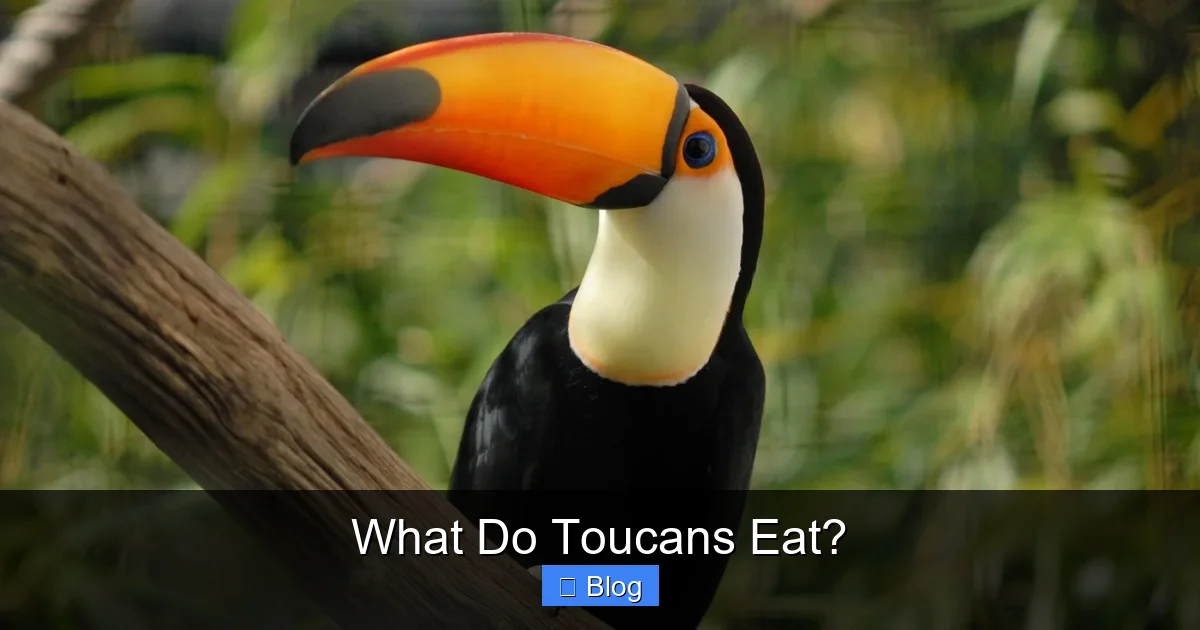
The toucan’s beak is arguably its most defining feature, famous for its size and vibrant colors. However, many people mistakenly believe it’s heavy and used for cracking nuts or for powerful defense. In reality, the beak is a masterpiece of evolution, perfectly adapted to what do toucans eat.
Lightweight and Strong
Despite its impressive size, the toucan’s beak is incredibly lightweight. It’s not solid bone but a hollow structure made of keratin (the same material as our fingernails), reinforced by a matrix of spongy bone struts. This ingenious design provides strength without adding significant weight, which is crucial for a flying bird. If the beak were solid, it would make flight arduous and balance difficult.
Reaching for Ripe Goodies
The long reach of the beak is paramount for foraging. Toucans use it to access fruits on the ends of slender branches that might not support their body weight. They can delicately pluck individual fruits, sometimes even from thorny plants, without getting injured. The serrated edges along the beak’s sides, though not true teeth, help them grip food items. Once captured, the toucan tips its head back, allowing the food to slide down its throat. This dexterity also allows them to snatch insects from leaves or branches with surprising precision.
What Toucans Eat in the Wild: A Natural Buffet
In their natural rainforest habitats, toucans have access to an incredibly diverse array of food sources. Their diet shifts with the seasons, adapting to what fruits are ripe and what protein sources are abundant.
Seasonal Availability and Diversity
Rainforests are incredibly biodiverse, and this means a constantly changing menu for toucans. During peak fruiting seasons, their diet will be heavily tilted towards fresh produce. When fruits are scarcer, they become more reliant on insects, small reptiles, and bird eggs to meet their nutritional requirements. This adaptability is key to their survival and widespread distribution across various rainforest ecosystems. They are not picky eaters in terms of species; if it’s edible and available, they’ll likely give it a try.
Regional Differences
The specific types of fruits and insects that form a toucan’s diet can vary significantly depending on their geographical location. A toucan in the Amazon might primarily consume fruits from palms and fig trees, while one in the cloud forests of Costa Rica might have access to different berry-producing shrubs and unique insect species. This highlights the generalist nature of their feeding habits, allowing them to thrive across a broad range of tropical environments.
Feeding Toucans in Captivity: A Balanced Approach
For toucans kept as pets or in zoos, providing a diet that closely mimics what do toucans eat in the wild is paramount for their health and longevity. However, there are some critical considerations, particularly regarding iron.
The Importance of a Low-Iron Diet
One of the most crucial aspects of feeding toucans in captivity is ensuring a low-iron diet. Many toucan species are highly susceptible to hemochromatosis, also known as iron storage disease. This condition occurs when the bird’s body absorbs too much iron, which then accumulates in organs like the liver, leading to severe health problems and even death.
Because of this, standard bird pellets designed for other species are often unsuitable for toucans. Specialized low-iron toucan pellets have been developed to provide essential nutrients without the risk of iron overload. These pellets should form the foundation of a captive toucan’s diet.
Recommended Fruits and Vegetables
Even with specialized pellets, fresh fruits and vegetables are vital for a captive toucan’s diet, offering variety, mental stimulation, and additional nutrients. When selecting fruits, prioritize those that are naturally low in iron.
* Low-Iron Fruits: Papaya, melon (cantaloupe, honeydew), berries (blueberries, raspberries, blackberries), grapes, bananas, apples (without seeds), pears, pineapple, mango, cherries (pitted).
* Moderate-Iron Fruits (feed sparingly): Oranges, kiwi, peaches, plums.
* High-Iron Fruits (avoid or feed very rarely): Raisins, prunes, dried fruits.
Ensure all fruits are fresh, ripe, and thoroughly washed. Cut them into manageable pieces appropriate for the toucan’s size – typically bite-sized pieces that can be swallowed whole.
Vegetables, while less appealing to many toucans than fruit, can also offer important vitamins and minerals. Offer leafy greens like romaine lettuce, endive, and bell peppers (all colors). Avoid spinach and other dark leafy greens high in oxalates, which can inhibit calcium absorption.
Essential Protein Sources
Even in captivity, toucans need protein. Cooked lean meats (chicken or turkey), hard-boiled eggs, or commercially available insect-based bird foods can provide this. Live insects like mealworms or crickets can also be offered as treats, providing both nutrition and enrichment. Always ensure protein sources are fresh and properly prepared. A small amount of low-iron softbill diet (another type of specialized bird food) can also be used.
Avoiding Harmful Foods
Just like with any pet, certain foods are toxic or harmful to toucans and should be strictly avoided:
* Avocado: Highly toxic to most birds.
* Chocolate: Contains theobromine, toxic to birds.
* Caffeine: Found in coffee, tea, and soda; toxic.
* Alcohol: Never give alcohol to any pet.
* Processed Human Foods: High in salt, sugar, and unhealthy fats.
* Fruit Seeds/Pits: Many contain cyanide-producing compounds (e.g., apple seeds, cherry pits).
* Dairy Products: Birds are generally lactose intolerant.
* Onions and Garlic: Can cause blood disorders.
Always research any new food before offering it to your toucan, and consult with an avian veterinarian for specific dietary advice.
Hydration and Digestion: Keeping Toucans Healthy
Beyond the food itself, proper hydration and digestive health are vital for a toucan’s well-being.
Water Sources
In the wild, toucans get a significant amount of their hydration from the water-rich fruits they consume. However, they also drink from puddles, dew on leaves, and natural water sources. In captivity, fresh, clean water must always be available. Use a shallow dish or a sipper bottle, ensuring it’s cleaned daily to prevent bacterial growth. Toucans also enjoy bathing, which is good for their feather health, and this often involves splashing in their water dish.
The Role of Grit and Gut Health
Unlike many seed-eating birds that require grit (small stones) to help grind food in their gizzards, toucans do not need grit. Their diet of soft fruits, insects, and small prey is easily digestible without mechanical grinding. Their digestive system is adapted to process these softer foods efficiently. Focusing on a balanced, fresh diet is the best way to support their gut health. Probiotics for birds, if recommended by an avian vet, can sometimes be beneficial, especially during times of stress or illness.
The Toucan’s Role in the Ecosystem: Seed Dispersal
Understanding what do toucans eat reveals their profound impact on their environment. Toucans are incredibly important seed dispersers.
Nature’s Gardeners
When a toucan eats fruit, it typically swallows the seeds whole. The seeds pass through its digestive tract largely intact and are then expelled in its droppings, often far from the parent plant. This process is crucial for forest regeneration and biodiversity. By moving seeds to new locations, toucans help colonize new areas, promote genetic diversity within plant populations, and ensure the continued growth and health of the rainforests they inhabit. Without seed dispersers like toucans, many plant species would struggle to reproduce effectively, leading to a decline in forest health.
In essence, the toucan’s colorful beak isn’t just for show; it’s a vital tool for their survival, allowing them to exploit a diverse diet that ranges from sweet fruits to savory proteins. And in doing so, they become indispensable architects of the very ecosystems they call home.
Understanding “what do toucans eat” provides a deeper appreciation for these magnificent birds, highlighting their adaptability, ecological significance, and the specialized care they require when living outside their natural environment. From the lush rainforest canopy to a carefully managed aviary, a toucan’s diet is a testament to its vibrant life.
🎥 Related Video: All About Toucans
📺 Next Generation Science
toucans #ngscience #birthday https://ngscience.com Fun video all about Toucans. This video can be used as part of the NGSS …
Frequently Asked Questions
Do toucans eat seeds or nuts?
Toucans primarily eat the fleshy part of fruits and generally swallow small seeds whole, which then pass through their digestive system. They do not typically crack open or consume hard nuts or large seeds.
What types of fruits are best for toucans?
For toucans, soft, ripe, and low-iron fruits are best. Examples include papaya, melon, berries, grapes, bananas, and apples (without seeds). High-iron fruits like dried fruits should be avoided or given sparingly.
Can toucans eat meat?
Yes, toucans can and do eat meat, as they are omnivores. In the wild, this includes insects, small lizards, and even bird eggs or chicks. In captivity, cooked lean chicken or commercially prepared insect protein can be offered.
How often should a toucan be fed?
Toucans have a fast metabolism, so they typically need to be fed multiple times a day, usually two to three times. Fresh fruit should be offered daily, supplemented with low-iron pellets and protein sources.
Is it safe to give toucans human food scraps?
Generally, it is not safe to give toucans human food scraps. Many human foods are too high in salt, sugar, fat, or contain ingredients that are toxic to birds, such as avocado, chocolate, or caffeine.
Do toucans need supplements in their diet?
If a toucan is on a well-balanced diet of low-iron pellets and fresh fruits, additional supplements are often not necessary. However, always consult an avian veterinarian who can assess individual needs and recommend specific supplements if required.