
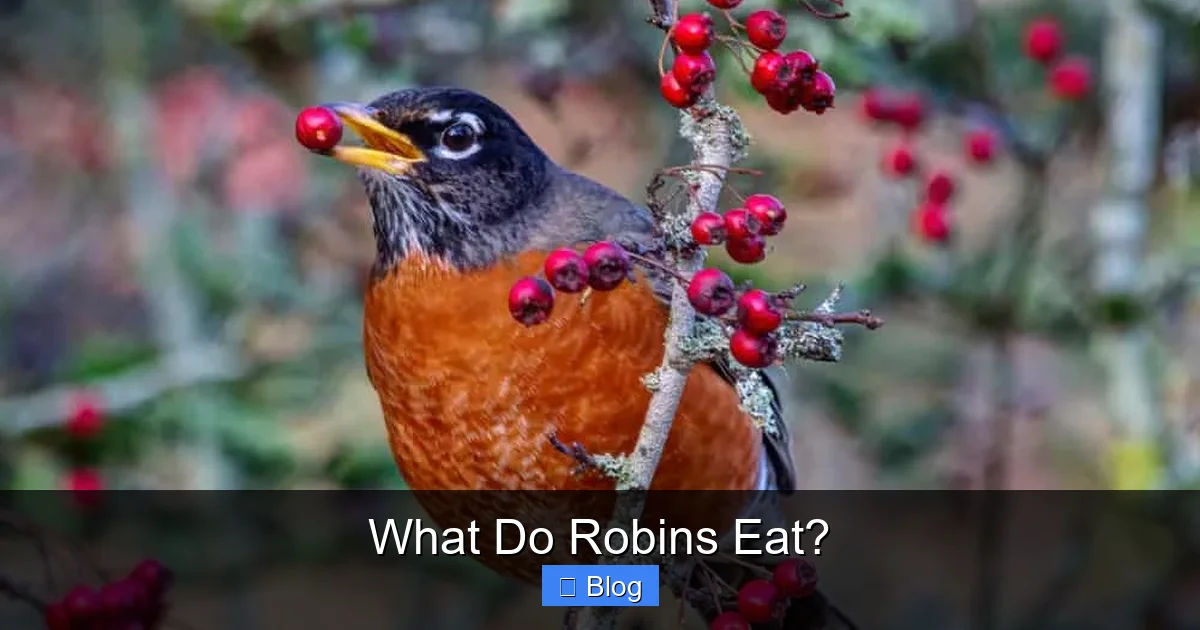
Robins are true omnivores with a remarkably varied diet, adapting their meals to seasons and availability. While famous for pulling up earthworms, they also feast on a wide array of insects, berries, fruits, and even some seeds. Understanding what do robins eat is key to appreciating their role in our ecosystems and supporting them responsibly in our gardens.
What Do Robins Eat?
The sight of a robin hopping across a lawn, head cocked, then suddenly tugging a wriggling earthworm from the soil, is one of the most iconic images of spring and indeed, any garden. These charming birds, with their bright red breasts and confident demeanor, are a beloved part of our natural world. They’re often the first birds we learn to identify, and their cheerful songs herald the dawn. But have you ever stopped to wonder, beyond that famous earthworm snack, what exactly do robins eat?
It turns out that the robin’s diet is far more diverse and fascinating than many people realize. They are not picky eaters; instead, they are highly adaptable omnivores, changing their menu with the seasons, the availability of food sources, and even their life stage. Understanding their dietary habits gives us a deeper appreciation for these industrious birds and helps us know how best to support them, especially as our gardens and natural spaces change.
This comprehensive guide will dive deep into the varied menu of the American Robin (and generally, other robin species globally share similar broad dietary traits). We’ll explore their primary food sources, how their diet shifts throughout the year, what baby robins eat, and what you can do to attract and safely feed these delightful birds in your own backyard. So, let’s explore the intriguing question: What do robins eat?
Key Takeaways
- Omnivorous Diet: Robins consume a wide range of foods, primarily earthworms and insects, but also supplement their diet with fruits, berries, and sometimes seeds, making them true omnivores.
- Seasonal Adaptation: Their diet changes significantly with the seasons. Spring and summer focus on protein-rich invertebrates, while autumn and winter see an increase in fruits and berries when insects are scarce.
- Baby Robins’ Diet: Nestlings require a diet almost exclusively of soft, protein-rich insects and worms to support rapid growth, brought to them by their parents.
- Important Garden Inhabitants: Robins help control garden pests by consuming large quantities of insects, contributing to a healthy garden ecosystem.
- Responsible Feeding: If you wish to supplement their diet, offer appropriate foods like live mealworms, specific fruits, and suet, but always prioritize natural foraging and avoid harmful human foods.
- Habitat Matters: Providing a bird bath, dense shrubs for shelter, and an organic, pesticide-free garden environment is often more beneficial than supplemental feeding alone.
Quick Answers to Common Questions
What is the main food for robins?
The main food for robins, especially during spring and summer, consists of earthworms and a wide variety of insects such as caterpillars, beetles, grasshoppers, and spiders.
Do robins eat birdseed?
Robins are not primarily seed-eaters like finches. While they might occasionally pick at softened seeds or those mixed in suet, they prefer insects, worms, and fruits. Their beaks are not designed for cracking hard seeds.
What should you not feed robins?
You should avoid feeding robins bread, salty foods, avocado, chocolate, dairy products, or any processed human foods, as these offer little nutritional value and can be harmful or toxic.
Can robins eat fruit?
Yes, robins regularly eat fruit, especially berries. They consume a variety of wild berries like serviceberries, cherries, elderberries, and also cultivated fruits like chopped apples or grapes, particularly in autumn and winter.
What do baby robins eat?
Baby robins eat almost exclusively soft-bodied, protein-rich invertebrates, primarily earthworms (broken into pieces by parents) and caterpillars, which are brought to them by their parents.
📑 Table of Contents
The Robin’s Primary Diet: Worms and Insects
When most people ask, “What do robins eat?”, their minds immediately jump to earthworms. And for good reason! Earthworms are a cornerstone of the robin’s diet, especially during the warmer months. However, their insectivorous tendencies go far beyond just worms, making them vital allies in pest control for any gardener.
The Earthworm Hunter
Robins possess incredible hearing and sight, which they use to locate earthworms just beneath the surface of the soil. You’ll often see them running a few steps, stopping abruptly, cocking their head to one side, and then suddenly jabbing their beak into the ground. This characteristic hunting style is highly effective. Earthworms provide a rich source of protein and moisture, crucial for robins, particularly when they are raising young. The availability of earthworms largely dictates where robins will forage, favoring moist, loamy soils over dry, sandy ones. A healthy, chemical-free lawn is an earthworm haven, and thus, a robin’s paradise.
A Buffet of Insects
While earthworms are famous, a vast array of other invertebrates makes up a significant portion of what robins eat. During spring and summer, when insects are abundant, robins switch gears, becoming formidable insect predators. Their diet includes:
- Beetles: Both adults and larvae.
- Caterpillars: A favorite, especially during nesting season when soft, protein-rich food is vital for nestlings.
- Grasshoppers and Crickets: Easy to spot and catch in open areas.
- Spiders: An excellent source of protein.
- Snails and Slugs: Found in damp areas, providing moisture and nutrients.
- Ants and Termites: Often consumed when foraging on the ground.
Robins are not just ground foragers; they also readily snatch flying insects right out of the air or pluck them from foliage. This diverse insect diet highlights their adaptability and their important ecological role in controlling insect populations.
Seasonal Shifts in Insect Prey
The availability of insects naturally fluctuates with the seasons. In spring, after migrating or enduring winter, robins eagerly seek out emerging insects to replenish energy reserves. Summer is the peak season for insect consumption, especially when feeding hungry chicks. As autumn approaches and temperatures drop, insect activity wanes. This environmental change forces robins to adjust what they eat, leading to a greater reliance on other food sources.
Beyond Bugs: Fruits, Berries, and Seeds
Visual guide about What Do Robins Eat?
Image source: birdhelpful.com
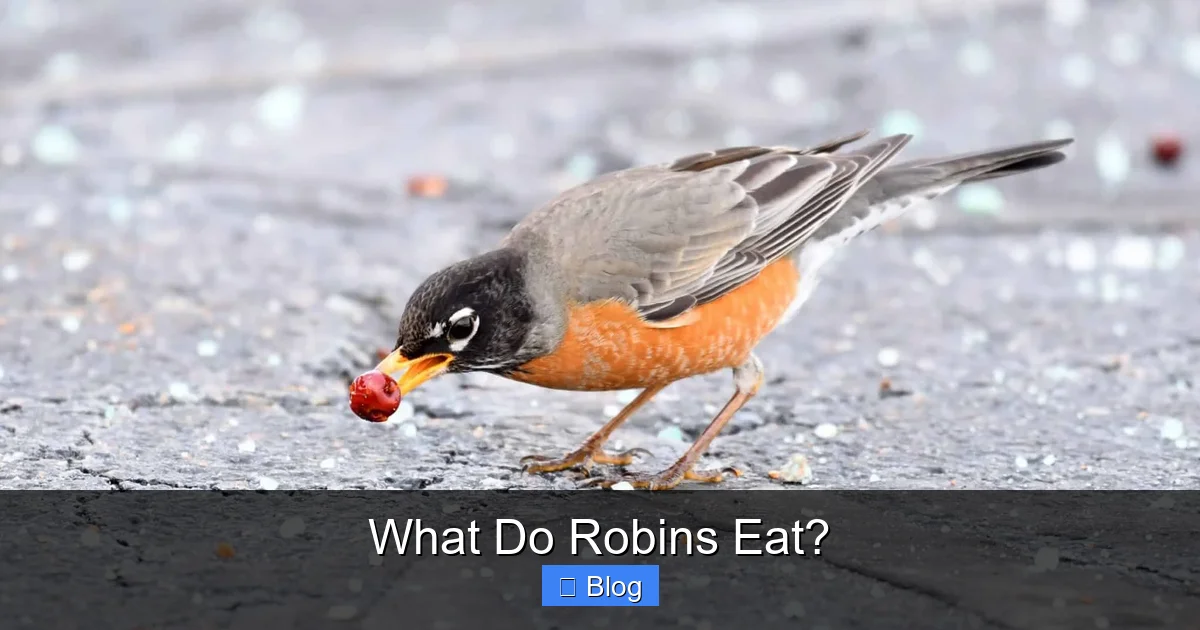
Although robins are well-known for their insect-eating prowess, their diet isn’t solely carnivorous. They are opportunistic omnivores, and when insects become scarce or during certain times of the year, they turn their attention to plant matter. This adaptability is key to their survival and widespread success. So, what do robins eat when worms and bugs are harder to find?
Berry Bonanza
Berries are a critically important food source for robins, especially from late summer through winter. They provide essential carbohydrates and fats, helping robins build up energy reserves for migration or to survive cold weather. Many native shrubs and trees produce berries that are perfectly suited for a robin’s palate. Some of their favorites include:
- Serviceberries: One of the first berries to ripen in spring.
- Cherries: Both wild and cultivated varieties.
- Elderberries: A rich source of energy.
- Dogwood Berries: Often a winter staple.
- Juniper Berries: Provide sustenance when other foods are scarce.
- Honeysuckle Berries: Although some varieties can be invasive, robins still consume them.
- Sumac Berries: Persist into winter, offering a last resort.
Planting native berry-producing shrubs and trees in your garden is an excellent way to support robins and other wild birds, offering a natural and sustainable food source.
Fruitful Discoveries
Beyond berries, robins also consume larger fruits, particularly those that have fallen to the ground or are easily accessible. They will peck at apples, pears, grapes, and even squash or pumpkins left out after harvest. While not their primary food source, these fruits offer a quick energy boost and hydration. A robin might be spotted carefully picking at a rotting apple on the ground, utilizing every available food opportunity. This further answers the question of “What do robins eat?” by showing their broad palate.
Opportunistic Seed Eaters
While not primarily seed-eaters like finches or sparrows, robins will occasionally consume small seeds, especially if other food sources are scarce. They typically prefer softer seeds or those found within fruits. For instance, they might ingest seeds along with the flesh of a berry or fruit. In backyard settings, they might also sample suet mixes or softened wild bird seed if other options are limited. However, you won’t typically see a robin cracking open sunflower seeds at a feeder; their beaks aren’t designed for it.
Dietary Needs Through Life Stages
The robin’s diet isn’t static; it evolves significantly from when they are helpless nestlings to independent adults. Each life stage presents different nutritional demands, and robins adapt what they eat to meet these crucial requirements. Understanding these shifts helps us appreciate the intricate life cycle of these birds.
What Do Baby Robins Eat?
This is a critical question for any budding bird enthusiast. Baby robins, or nestlings, have an incredibly fast growth rate. To support this rapid development, their diet must be almost exclusively protein-rich. Therefore, what do robins eat in their infancy? Their parents bring them a steady stream of soft, easily digestible invertebrates.
- Soft-bodied Insects: Caterpillars, spiders, and insect larvae are ideal.
- Earthworm Segments: Parents will pull up worms and often tear them into manageable pieces for their chicks.
It is vital that well-meaning humans *never* offer baby robins bread, crackers, or other human foods. These items lack the necessary nutrients and can cause digestive issues or even starvation. The parents know best and work tirelessly to provide the perfect diet.
Fueling Breeding Adults
During the breeding season (spring and early summer), adult robins need an immense amount of energy. Not only are they foraging for themselves, but they are also constantly hunting for their hungry brood. This period sees an intense focus on protein-rich foods: earthworms, beetles, grasshoppers, and especially caterpillars. Female robins, in particular, require extra calcium for egg production, often obtained from insect exoskeletons. Their constant activity during this time means their diet is heavily skewed towards easily caught, energy-dense invertebrates.
Winter Survival Strategies
As the days shorten and temperatures plummet, the ground freezes, making earthworms and many insects inaccessible. This is when the robin’s omnivorous nature truly shines. What do robins eat in winter when their primary food sources are buried or dormant? They shift their diet heavily towards fruits and berries that persist on trees and shrubs. Native plants like sumac, winterberry, dogwood, and juniper become vital food reservoirs. Robins also become more adventurous, occasionally visiting bird feeders for suet or small pieces of fruit. They might also forage in leaf litter for dormant insects or insect eggs. In very harsh conditions, some robins may migrate south, while others tough it out, relying on these alternative food sources.
Attracting Robins to Your Garden: Food and Habitat
If you love watching robins and want to encourage them to visit your garden, understanding “what do robins eat” is the first step. Creating a robin-friendly environment involves more than just putting out food; it’s about providing a holistic habitat.
Best Foods to Offer
While robins are excellent at finding their own food, supplemental feeding can be helpful, especially during harsh weather or in urban areas where natural food sources might be limited.
- Live Mealworms: A top favorite! Robins absolutely adore live mealworms, which provide excellent protein. You can offer them in a shallow dish or on a platform feeder.
- Suet: Especially suet cakes formulated with insects or berries. Robins will peck at suet from feeders, particularly in winter.
- Chopped Fruit: Small pieces of apples, grapes, berries (like blueberries or raspberries), and even softened raisins can be placed on a ground feeder or platform. Avoid citrus fruits and anything processed.
- Water: While not food, fresh, clean water in a bird bath is essential for drinking and bathing, making your garden much more appealing.
Always offer food in moderation and ensure feeders are kept clean to prevent the spread of disease. Remember, the goal is to supplement, not replace, their natural foraging habits.
Water and Shelter are Key
Beyond food, two critical components attract robins:
- Fresh Water: A bird bath, kept clean and filled with fresh water daily, is a magnet for robins, especially on hot days or during dry spells. They love to drink and bathe.
- Shelter: Dense shrubs, evergreen trees, and thick hedges provide safe nesting sites, protection from predators, and refuge from harsh weather. Planting native species like serviceberry, dogwood, or juniper offers both shelter and food.
A garden that provides these elements, alongside natural food sources, will be far more attractive to robins than one that just offers a feeder.
Creating a Worm-Friendly Garden
The best way to ensure a steady supply of what robins eat is to cultivate a healthy, organic garden.
- Avoid Pesticides: Chemical pesticides kill off the insects and worms that robins depend on, disrupting the natural food chain. Embrace organic gardening practices.
- Healthy Soil: Amend your soil with compost and organic matter to encourage a thriving earthworm population.
- Leaf Litter: Allow some areas of your garden to have undisturbed leaf litter. This provides habitat for insects and spiders, which in turn become robin food.
- Mowing Habits: Mow less frequently or leave some areas unmown to encourage insect life and provide cover.
By fostering a rich, biodiverse ecosystem in your garden, you create a natural pantry for robins.
What NOT to Feed Robins (and Why)
While it’s tempting to share your snacks with backyard birds, not all human foods are safe or beneficial for robins. In fact, some can be quite harmful. Knowing what to avoid is just as important as knowing what do robins eat safely.
Harmful Human Foods
Many common human foods are inappropriate for robins:
- Bread and Baked Goods: These offer little nutritional value, fill the bird’s stomach, and can lead to malnutrition. They also swell in the stomach, causing discomfort.
- Salty Foods: Salt is toxic to birds, disrupting their electrolyte balance and leading to dehydration or kidney problems.
- Avocado: Contains persin, a fungicidal toxin that can be fatal to many bird species.
- Chocolate: Contains theobromine, which is toxic to birds (and many other animals).
- Dairy Products: Birds are lactose intolerant and cannot digest milk, cheese, or other dairy, leading to digestive upset.
- Processed Foods: Anything with artificial colors, preservatives, or high sugar content is detrimental to their health.
Stick to natural, unprocessed foods specifically recommended for birds if you choose to supplement their diet.
Avoiding Processed Treats
Even seemingly harmless items like heavily processed birdseed mixes or sugary treats can be problematic. Robins evolved to eat whole, natural foods. Their digestive systems are not equipped for the complex ingredients found in human-made processed items. These foods can lead to nutritional deficiencies, digestive problems, and even illness. When considering what do robins eat, always think natural first.
The Importance of Natural Foraging
The best approach for supporting robins is to encourage natural foraging. A bird that relies too heavily on supplemental feeding may lose its natural hunting instincts or become dependent, especially if the feeder is not consistently maintained. By providing a healthy, biodiverse garden environment with native plants, plenty of insects, and fresh water, you empower robins to thrive naturally. This ensures they continue their vital role in our ecosystem and maintain their wild instincts.
Regional Variations and Adaptations
While the general principles of “what do robins eat” hold true across their range, there can be interesting regional and environmental variations in their diet. Robins are remarkably adaptable birds, and their foraging habits can reflect the specific resources available in different geographical areas or habitats.
Geographic Dietary Differences
For American Robins, their diet can vary slightly depending on whether they live in the northern parts of their range, where winters are severe, or in the milder southern regions. Northern robins might rely more heavily on persistent berries and suet during the long, cold months. Those in more temperate climates might have access to a broader range of insects for a longer part of the year. Similarly, different species of robins around the world (like the European Robin) have diets tailored to their local environments, though most retain a strong preference for invertebrates.
Urban vs. Rural Diets
The environment also plays a role. Robins living in pristine rural areas with lush forests and meadows might have access to a wider variety of wild insects and berries. Urban and suburban robins, however, adapt to their surroundings. They might become more frequent visitors to gardens with bird feeders, rely more on cultivated fruits, or even learn to forage in surprising places like parks and commercial landscapes. They might become bolder, accustomed to human presence, and opportunistic in seeking out food sources in altered environments. Understanding what do robins eat in these varied settings highlights their incredible resilience.
Conclusion
From their iconic earthworm hunts to their resourceful foraging for berries in the depths of winter, the American Robin truly is a master of adaptation when it comes to finding food. Understanding “what do robins eat” reveals them to be not just simple garden birds, but complex omnivores whose diet shifts with the seasons, their life stage, and the environment around them.
They are invaluable members of our ecosystem, diligently controlling insect populations in our gardens and parks. By recognizing their dietary needs – a rich supply of insects and worms during warm months, supplemented by fruits and berries when the ground freezes – we can better appreciate their role. More importantly, we can take practical steps to support them.
This means cultivating a healthy, pesticide-free garden that encourages a thriving insect population, planting native berry-producing shrubs, and providing clean water. While offering supplemental foods like live mealworms or chopped fruit can be a kind gesture, always prioritize creating a natural habitat that empowers robins to find their own food.
So, the next time you see a robin confidently surveying your lawn, remember the diverse and dynamic menu that sustains this beloved bird. Their ability to thrive on such a wide array of foods is a testament to their adaptability and an enduring charm of the natural world right outside our windows.
🎥 Related Video: What Do Robins Eat? The BEST Foods For American Robins
📺 Worldwide Birder
Tune in to discover how you can turn your yard into an American Robin paradise. See robins feeding at a berry buffet here: …
Frequently Asked Questions
Do robins eat mealworms?
Absolutely! Robins love mealworms, especially live ones, which are an excellent source of protein. Offering live mealworms in a shallow dish is one of the best ways to attract and feed robins in your garden, particularly during nesting season or cold weather.
What kind of berries do robins like?
Robins enjoy a wide variety of berries. Some of their favorites include serviceberries, cherries, elderberries, dogwood berries, and junipers. Planting native berry-producing shrubs can provide a natural and sustainable food source for them.
Is it okay to feed robins bread?
No, it is not okay to feed robins bread. Bread offers very little nutritional value and can fill their stomachs, leading to malnutrition. It can also swell in their digestive system, causing discomfort and health problems.
Do robins eat ants?
Yes, robins do eat ants. While not their primary food source, ants are part of their diverse insect diet. Robins will readily forage for ants on the ground, especially when other insects are also present.
How do robins find worms?
Robins primarily find worms using a combination of keen eyesight and excellent hearing. They hop, stop, cock their heads to the side, and listen for the subtle movements of worms beneath the soil, then quickly jab their beaks into the ground to pull them out.
What do robins eat in winter?
In winter, when earthworms and insects are scarce or frozen, robins shift their diet significantly. They primarily eat berries that persist on shrubs and trees, such as sumac, dogwood, and juniper. They might also visit feeders for suet or small pieces of fruit.