While robins are primarily insectivores, feasting on worms and grubs, the answer to ‘do robins eat bird seed?’ is more nuanced than a simple no. They are not typical seed-eaters, but during harsh winters or when natural food is scarce, they might sample softer seeds like sunflower hearts or rolled oats. To truly attract and nourish robins, focus on offering mealworms, fruit, suet, and a healthy, worm-rich garden, as these are closer to their natural preferences.
Do Robins Eat Bird Seed?
Welcome to the wonderful world of backyard bird feeding! If you’re like many bird enthusiasts, you love watching the vibrant life that visits your feeders. From acrobatic chickadees to colorful finches, each species brings its own charm. But there’s one beloved bird, often seen hopping across lawns, that sparks a common question among bird lovers: “Do robins eat bird seed?”
American Robins, with their iconic reddish-orange breasts and cheerful song, are truly a delight to observe. They’re often among the first birds you notice in your garden as spring arrives, diligently pulling worms from the soil. Given their ubiquity, it’s natural to wonder if they’d be interested in the smorgasbord you’ve laid out at your bird feeder. The short answer? Not typically, at least not in the way many other birds do. But like most things in nature, the full answer is a little more nuanced and fascinating!
Let’s dive deep into the robin’s natural diet, explore why bird seed isn’t usually on their menu, and discover the best ways to truly make your garden a haven for these captivating ground foragers. Understanding their preferences will not only satisfy your curiosity but also help you provide the best possible support for your feathered friends.
Key Takeaways
- Primary Diet: Robins are mainly insectivores, relying heavily on earthworms, grubs, and insects found in soil and on the ground.
- Seed Aversion: They generally do not eat hard bird seed, lacking the strong, conical beaks characteristic of true granivores (seed-eating birds).
- Occasional Seed Consumption: In times of scarcity, particularly harsh winters, or when soft seed options are readily available, robins *might* consume softer seeds like sunflower hearts, rolled oats, or millet.
- Preferred Supplemental Foods: To effectively attract and support robins, offer foods closer to their natural diet, such as live or dried mealworms, suet, chopped fruit, and berries.
- Habitat is Key: Providing a healthy garden rich in worms and insects, along with fresh water and safe shrubbery, is far more effective for attracting robins than a seed feeder alone.
- Feeder Type Matters: If offering supplemental food, use platform feeders, ground feeders, or spread food directly on the ground, as robins prefer to forage horizontally.
- Patience and Observation: Understanding robins’ unique dietary needs and observing their behavior will help you best support these beloved backyard visitors.
Quick Answers to Common Questions
Can robins survive winter without bird seed?
Yes, robins primarily adapt their diet in winter to focus more on berries and fruits, along with any accessible invertebrates. While supplemental feeding can help, they are naturally equipped to find food in winter without relying on typical bird seed.
What is a robin’s favorite food?
A robin’s absolute favorite food is earthworms. They are also highly fond of a variety of insects and larvae, which provide essential protein, especially during breeding season.
Why don’t robins typically visit my seed feeder?
Robins don’t typically visit seed feeders because their beaks are designed for probing soft ground and catching insects, not for cracking hard seeds. They also prefer to forage on flat surfaces rather than perching on small feeder ports.
Are dried mealworms good for robins?
Yes, dried mealworms are an excellent supplemental food for robins. They offer high protein and are a close match to their natural insect diet. Soaking them in warm water before offering makes them even more appealing.
What kind of feeder should I use for robins?
For robins, platform feeders or ground feeders are ideal. These types of feeders provide a flat, stable surface that mimics their natural ground-foraging behavior, making them feel more comfortable and secure while eating.
📑 Table of Contents
The Robin’s Natural Diet: A Deep Dive
To truly understand why the question “do robins eat bird seed?” isn’t a simple yes or no, we first need to appreciate what robins *naturally* eat. Robins are primarily insectivorous, meaning insects and other invertebrates form the bulk of their diet. They are classic ground feeders, known for their distinctive stop-and-go foraging style.
Primary Food Sources: Worms and Insects
The image of a robin tugging a wriggling earthworm from the soil is iconic for a reason! Earthworms are a cornerstone of the robin’s diet, especially during the breeding season when they need protein-rich food for their growing chicks. Beyond worms, robins feast on a wide array of insects, including:
- Grubs
- Caterpillars
- Beetles
- Grasshoppers
- Spiders
- Snails
They use their keen eyesight and excellent hearing to locate prey, often cocking their heads to listen for movement underground before striking. This ground-foraging behavior dictates much of their diet and their interactions with your yard.
Seasonal Dietary Shifts: Berries and Fruits
While insects and worms are paramount, robins are also opportunistic omnivores. As the seasons change, especially in late summer, fall, and winter, their diet shifts to include more plant-based foods. They become quite fond of berries and small fruits, which provide essential carbohydrates and fats when insects are scarce. Some of their favorites include:
- Cherries
- Serviceberries
- Blackberries
- Raspberries
- Juniper berries
- Poison ivy berries (yes, they eat those!)
- Grapes
- Apples (soft, chopped pieces)
This seasonal flexibility is crucial for their survival, allowing them to adapt to changing food availability throughout the year.
Foraging Behavior
Robins typically forage on open lawns, in gardens, and on the edges of woodlands. Unlike birds that perch at feeders and crack seeds, robins spend most of their feeding time on the ground. Their beaks are designed for probing soft soil and grabbing squishy prey, not for hulling hard seeds. This fundamental difference in foraging behavior and beak structure is a major reason why the answer to “do robins eat bird seed?” is often ‘not really.’
Do Robins Eat Bird Seed? The Nuance Behind the Answer
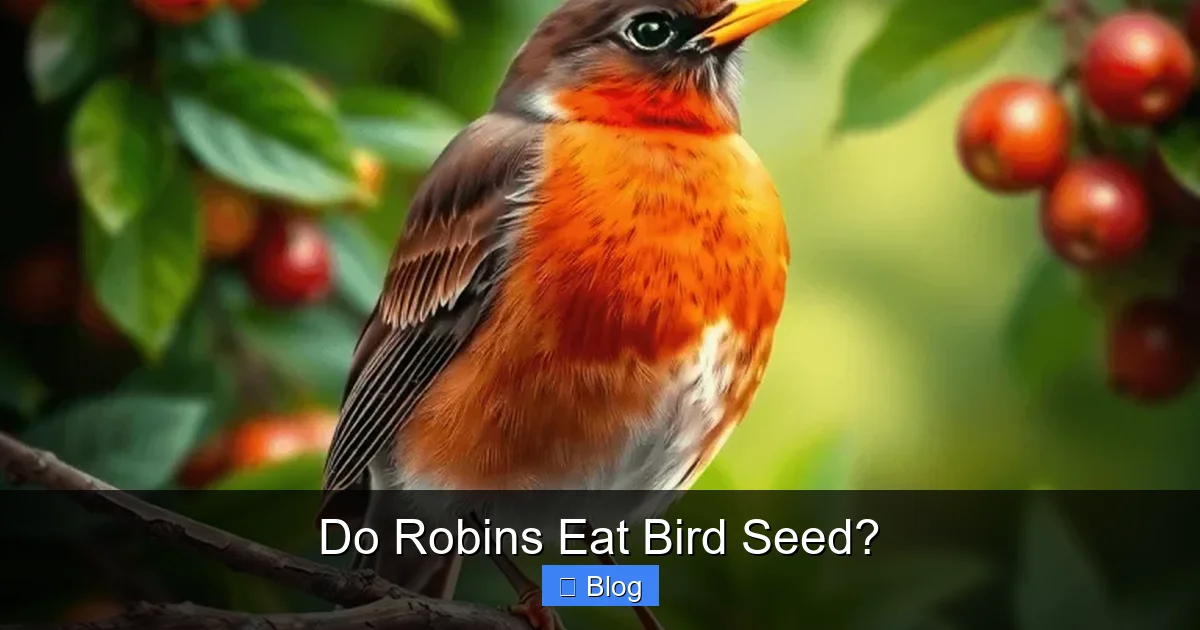
Visual guide about Do Robins Eat Bird Seed?
Image source: birdsmaster.com
Now for the million-dollar question: do robins eat bird seed? As we’ve hinted, it’s not a straightforward “no,” but it’s certainly not a resounding “yes” either. Robins are not typical seed-eating birds.
Why Seed Isn’t Their First Choice
Most bird seeds, like black oil sunflower, striped sunflower, safflower, and milo, have hard outer shells. Birds that specialize in eating seeds, like finches, cardinals, and sparrows, have strong, conical beaks perfectly adapted for cracking these tough shells. Robins, on the other hand, possess a more slender, probing beak designed for snatching worms and soft-bodied insects. Trying to crack a sunflower seed would be like trying to eat a steak with a spoon – it’s just not practical or efficient for them.
Furthermore, robins are not agile clingers like chickadees or titmice, nor do they comfortably balance on small perches like finches. They prefer to feed on flat surfaces, which makes most hanging seed feeders less appealing or even inaccessible.
When They Might Take a Second Look
So, if their beaks aren’t built for it and their natural instinct isn’t geared towards seeds, when might robins eat bird seed?
- Harsh Winter Conditions: This is perhaps the most common scenario. When the ground is frozen solid or covered in thick snow, earthworms and insects become inaccessible. In such dire circumstances, a robin facing starvation might become less picky and investigate other food sources.
- Extreme Scarcity of Natural Food: Even outside of winter, if natural food sources (worms, insects, berries) are unusually scarce due to drought, pesticide use, or other environmental factors, a hungry robin might be more inclined to try something new.
- Availability of “Soft” Seeds: If you offer seeds that don’t require much effort to eat, such as de-hulled sunflower hearts (also known as sunflower chips), shelled peanuts, or rolled oats, a robin is more likely to give them a try. These foods mimic the softer texture of the berries and insects they naturally consume.
- Curiosity/Opportunism: Robins are intelligent and adaptable birds. They might simply observe other birds at a feeder and, out of curiosity or sheer opportunism, decide to sample some of the easier-to-eat offerings.
It’s important to remember that even if you see a robin occasionally pecking at bird seed, it’s likely a supplemental meal rather than a primary food source. They’re trying to make do, not thriving on it.
The Role of Seed Type
The type of “bird seed” you offer significantly impacts whether a robin will show interest. As a rule, the harder and larger the seed, the less likely a robin is to eat it. Small, soft, or already shelled options are their best, albeit rare, bet.
What Kind of “Bird Seed” Do Robins Prefer (If Any)?
Okay, so robins generally don’t eat hard bird seed. But if you’re determined to offer them something at a feeder, what are the best options that might tempt them, and what truly works to attract them?
Sunflower Hearts and Chips
If you really want to try offering seeds, sunflower hearts (also called chips or shelled sunflower) are your best bet. These are sunflower seeds that have already had their hard shells removed. This makes them much easier for a robin to consume, as they don’t have to worry about cracking the shell. They’re high in fat and protein, making them a nutritious option if a robin does decide to partake.
Millet and Oats
Smaller, softer grains like white millet or rolled oats might also be appealing to robins, especially if scattered on the ground or in a platform feeder. These grains are easier to digest than hard seeds. However, they are still not a primary draw for robins.
Nyjer (Thistle) Seed? Unlikely.
Nyjer seed, often called thistle seed, is a tiny, oil-rich seed beloved by finches. However, robins are highly unlikely to eat it. It’s too small, and the specialized feeders used for Nyjer (thistle feeders) are designed for clinging birds, not ground foragers.
Mealworms: The Robin Magnet
Forget bird seed – if you want to attract robins, *mealworms* are the undisputed champions! Both live and dried mealworms are a high-protein, insect-based treat that perfectly aligns with a robin’s natural diet.
- Live Mealworms: These are irresistible to robins, especially during breeding season. Offer them in a shallow, smooth-sided dish so they can’t crawl out.
- Dried Mealworms: A convenient alternative, dried mealworms can be rehydrated slightly by soaking them in warm water for a few minutes before offering, making them even more palatable.
Many people who offer mealworms find that robins are among the first to arrive, often becoming quite tame as they learn where to find this delicious snack.
Suet and Fruit: Winter Treats
During colder months, suet can be an excellent energy source for robins. Look for suet cakes that contain dried fruits or mealworms, as these will be more appealing than plain suet.
Chopped fresh fruit, such as apples, oranges, or grapes, and especially softened berries, are also very popular with robins, particularly in the fall and winter when natural berries might be scarce. Ensure fruit is in small, manageable pieces.
How to Attract Robins to Your Yard (Without Just Bird Seed)
Instead of focusing solely on the question “do robins eat bird seed?”, let’s shift our perspective to what *truly* makes your yard attractive to robins. Creating a robin-friendly habitat goes far beyond a feeder.
Offer Their Favorite Foods (Beyond Seed)
As discussed, prioritize mealworms, chopped fruit, and suet over hard bird seed.
- Mealworms: Offer live or rehydrated dried mealworms in a shallow dish placed on the ground or a platform feeder.
- Fruit: Scatter small pieces of apple, orange, or berries on the ground or in a ground feeder.
- Suet: Provide suet cakes in a feeder, ideally one that allows ground feeding or easy access for robins.
Remember, consistency is key! If they know where to find these treats, they’ll keep coming back.
Provide Fresh Water
Water is just as crucial as food for all birds, including robins, for both drinking and bathing.
- Bird Bath: A shallow bird bath (no more than 2-3 inches deep) is ideal. Robins love to splash around!
- Moving Water: A dripper or small fountain can be especially attractive, as the sound and movement of water catch their attention.
- Winter Water: In colder climates, a heated bird bath can be a lifesaver, providing essential water when natural sources are frozen.
Place your bird bath in an open area but near cover so robins feel safe from predators.
Create a Safe Habitat (Shrubs and Trees)
Robins need places to feel secure, to roost, and to build their nests.
- Shrubs and Hedges: Dense shrubs and hedges provide excellent cover from predators and shelter from harsh weather.
- Trees: Mature trees offer nesting sites and additional roosting spots. They also attract insects, providing natural food.
- Brush Piles: A small, tidy brush pile in a quiet corner of your yard can offer valuable escape cover and foraging opportunities.
The more natural your landscaping, the more appealing it will be to robins.
Garden Practices That Benefit Robins
Your gardening choices have a significant impact on whether robins will frequent your yard.
- Reduce Pesticide Use: Since worms and insects are their primary food, using pesticides in your garden directly harms their food supply. Opt for organic pest control methods or embrace a slightly buggier garden.
- Leaf Litter: Allow a layer of leaf litter to remain under shrubs and trees. This creates a habitat for insects and other invertebrates that robins love to forage for.
- Compost Pile: A well-maintained compost pile is a magnet for worms and insects, making it a robin’s paradise.
- Plant Native Species: Native plants often host a greater variety of insects and produce berries that are naturally palatable to local bird species. Consider planting native fruit-bearing shrubs and trees like serviceberry, dogwood, or elderberry.
By adopting these practices, you’re not just providing a meal; you’re creating an entire ecosystem that supports robins and many other beneficial wildlife species.
Setting Up a Bird Feeder for Robins: Best Practices
If you’ve decided to offer supplemental foods like mealworms or softened fruits to robins, setting up your feeding station correctly is crucial. Remember, robins aren’t typically inclined to eat bird seed from hanging feeders, so your approach needs to be different.
Choose the Right Feeder Type (Platform, Ground)
Forget the tube feeders and suet cages that require clinging. Robins prefer to feed with their feet firmly on a flat surface.
- Platform Feeders: These are ideal. A sturdy platform feeder, elevated a few feet off the ground, provides a wide, stable surface for robins to land and peck.
- Ground Feeders: Even better, a ground feeder (a shallow tray or dish placed directly on the ground) perfectly mimics their natural foraging style.
- Scattered Food: The simplest method is to scatter small amounts of mealworms, chopped fruit, or rolled oats directly on a clean patch of lawn or patio.
Always ensure the feeding area is clear of snow or debris if offering food on the ground.
Placement is Key
Where you place your robin feeding station matters for their safety and comfort.
- Open but Near Cover: Robins like to have an open view to spot predators, but also quick access to dense shrubs or trees for escape if danger approaches.
- Away from Predators: Keep feeders away from areas where cats might lurk. Placing feeders in the middle of a lawn with surrounding shrubs offers a good balance.
- Visible from a Window: For your enjoyment, place it where you can easily observe them without disturbing them.
Keep it Clean
Hygiene is paramount when feeding any birds, but especially when offering fresh foods like fruit and mealworms, which can spoil quickly.
- Regular Cleaning: Clean feeders frequently with a mild bleach solution (1 part bleach to 9 parts water), rinse thoroughly, and dry completely.
- Fresh Food Daily: Only put out enough perishable food (mealworms, fruit) for one day. Remove any uneaten portions at the end of the day to prevent spoilage, mold, and attracting pests.
- Rotate Feeding Spots: If scattering food on the ground, try to vary the spots to prevent a build-up of waste and discourage disease.
A clean feeding environment helps prevent the spread of diseases among your backyard birds.
Supplementing with Natural Foraging Areas
While feeders are great for observation and providing supplemental food, remember that your garden’s natural health is the ultimate robin attractor.
- Healthy Soil: Nurture your soil with compost and avoid harsh chemicals to encourage a thriving population of earthworms and beneficial insects.
- Native Plants: Plant native berry-producing shrubs and trees. These provide natural food sources that require no maintenance from you and are perfectly adapted to your local ecosystem.
- Wild Patches: Consider leaving a small area of your garden a bit “wilder” with longer grass, leaf litter, or naturalized plants. These areas become foraging grounds for robins.
By integrating these practices, you provide a holistic haven for robins, addressing both their direct food needs and their broader habitat requirements.
Conclusion
So, do robins eat bird seed? The journey through their diet and habits reveals that while they are not traditional seed-eaters due to their beak structure and foraging style, they *can* be observed consuming softer seeds like sunflower hearts or rolled oats, especially when natural food is scarce. However, their primary diet remains a delicious mix of earthworms, insects, and seasonal fruits and berries.
If your goal is to attract and truly support American Robins in your backyard, shift your focus from conventional bird seed. Instead, prioritize offering protein-rich mealworms (a robin’s favorite!), chopped fresh fruit, and suet. More importantly, cultivate a healthy, pesticide-free garden with plenty of accessible fresh water and protective cover. By understanding and catering to their natural inclinations, you’ll not only answer the question of “do robins eat bird seed?” with a nuanced perspective but also transform your yard into an irresistible paradise for these cherished harbingers of spring. Happy birdwatching!
🎥 Related Video: Robin – feeding on Ultiva® Spring Delight bird seed mix
📺 GardenBird
https://www.gardenbird.co.uk/ultiva-spring-delight-limited-edition.html A cute robin feeding on our premium Spring Delight bird …
Frequently Asked Questions
Do robins eat black oil sunflower seeds?
Robins generally do not eat black oil sunflower seeds. These seeds have hard shells that robins’ beaks are not adapted to crack. While they might occasionally peck at them out of curiosity or extreme hunger, it’s not a preferred or efficient food source for them.
Can I leave cut-up apples out for robins?
Yes, leaving cut-up, soft apples or other fruits like grapes and oranges is an excellent way to attract robins, especially during cooler months. Ensure the pieces are small enough for them to easily consume and replace them daily to prevent spoilage.
Do robins eat suet?
Yes, robins can eat suet, especially varieties that contain insects or berries. Suet provides essential fats and energy, particularly beneficial during cold weather when other food sources are scarce. Offer it in a shallow tray or suet feeder accessible from a flat surface.
Is it bad to give robins bread?
It is generally not recommended to give robins bread. Bread offers very little nutritional value and can fill them up, preventing them from seeking out their naturally nutritious diet of worms, insects, and berries. It can also cause digestive issues.
What time of day do robins typically feed?
Robins are typically most active at dawn and dusk, but they will forage throughout the day, especially during cooler parts of the morning and late afternoon. They are early risers, often among the first birds you hear and see as the sun comes up.
Should I worry if robins aren’t visiting my seed feeder?
No, you shouldn’t worry if robins aren’t visiting your seed feeder. It’s perfectly normal as seed is not a primary part of their diet. Instead, focus on providing natural food sources in your garden, fresh water, and other robin-friendly habitat elements to attract them.