
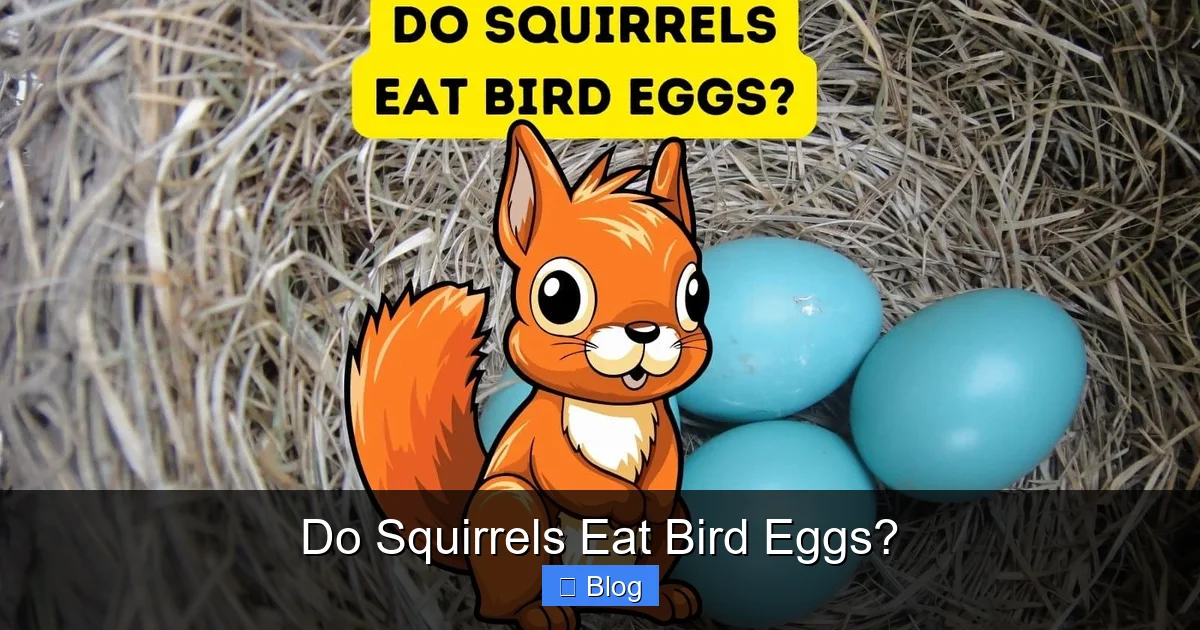
Yes, squirrels do eat bird eggs, although it’s not their primary food source. These agile omnivores are opportunistic feeders, often turning to eggs for a vital protein boost, especially when their usual diet of nuts and seeds is scarce or during breeding season. Understanding this natural behavior helps you protect backyard bird nests while appreciating the complex dynamics of your local wildlife.
Have you ever spent a quiet afternoon observing the lively theater of your backyard? Perhaps you’ve watched a busy robin flitting to and from its nest, diligently caring for its precious cargo. Or maybe you’ve been amused by the acrobatic antics of a squirrel, scampering up trees and burying nuts with tireless energy. It’s a peaceful scene, full of nature’s simple wonders.
But sometimes, a shadow falls over this idyllic picture. A nest might suddenly appear empty, or disturbed, leaving you to wonder: what happened to those tiny, fragile eggs? If your gaze then drifts to the resident squirrels, a common and unsettling question might pop into your mind: “Do squirrels eat bird eggs?” It’s a natural query, often accompanied by a sense of surprise, perhaps even a touch of betrayal, if you’ve grown fond of your bushy-tailed neighbors.
The relationship between squirrels and birds in our gardens is far more complex than a simple rivalry for bird feeder spoils. While we often see them as cute, harmless nut-gatherers, squirrels are, in fact, incredibly adaptable and resourceful creatures. They possess a diverse diet that often surprises people. So, let’s peel back the layers of this fascinating natural interaction and get to the bottom of whether your local squirrels are indeed raiding bird nests for a meal. The answer might change how you view these ubiquitous backyard residents forever.
Key Takeaways
- Squirrels are Opportunistic Omnivores: While nuts and seeds are their staple, squirrels will consume a variety of foods, including bird eggs, when the opportunity arises.
- Eggs Provide Vital Nutrients: Bird eggs are a rich source of protein and fats, which are especially crucial for squirrels during periods of high energy demand like breeding season or winter preparation.
- Not Their Primary Diet: Eating bird eggs is generally a supplementary behavior, not a regular or preferred part of their diet, often triggered by food scarcity.
- Identifying the Culprit: Look for signs like an empty or disturbed nest, broken eggshells below, or direct observation of a squirrel near a nest. Remember other predators exist too.
- Protecting Nests is Possible: Strategies include using baffles on poles, pruning access branches, planting thorny shrubs, and maintaining a diverse, bird-friendly backyard.
- It’s Natural Behavior: While distressing to witness, a squirrel eating bird eggs is a natural part of the ecosystem’s food web.
- Focus on Coexistence: The goal should be to deter, not harm, and to promote a healthy balance between all the wildlife in your garden.
Quick Answers to Common Questions
Do all types of squirrels eat bird eggs?
Most common squirrel species, such as Grey, Red, and Fox Squirrels, are opportunistic omnivores and will eat bird eggs if the opportunity arises. It’s a general behavior across many squirrel types, driven by nutritional needs.
Is it common for squirrels to eat bird eggs?
While squirrels do eat bird eggs, it’s not their primary or most common food source. It happens opportunistically, often when other preferred foods are scarce or when a squirrel needs extra protein, such as during breeding season.
How can I tell if a squirrel, and not another animal, ate the bird eggs?
Look for specific clues like jagged, chewed eggshell fragments beneath the nest. Squirrels often leave a messier scene than, say, a snake (which swallows eggs whole) or a crow (which might make a cleaner puncture). Direct observation is the most conclusive.
Do squirrels eat baby birds as well as eggs?
Yes, unfortunately, some squirrels will also prey on nestling birds. Like eggs, young birds are a rich source of protein and fat, and squirrels may take advantage of them if they are accessible and undefended.
Will feeding squirrels keep them from eating bird eggs?
While providing squirrels with their own designated food source (like a squirrel feeder with nuts and corn) might reduce their inclination to seek out other foods due to hunger, there’s no guarantee it will completely stop them from opportunistically raiding a bird nest if one is easily accessible.
📑 Table of Contents
- The Unveiling Truth: Do Squirrels Really Eat Bird Eggs?
- Why a Squirrel Might Raid a Nest: Understanding Their Dietary Drivers
- Identifying the Culprit: How to Know if a Squirrel is to Blame
- Protecting Your Backyard Birds: Practical Deterrent Strategies
- The Bigger Picture: Coexisting with Nature
- Conclusion
The Unveiling Truth: Do Squirrels Really Eat Bird Eggs?
Let’s get straight to the point: the answer to “Do squirrels eat bird eggs?” is a resounding yes. While it might be a disheartening discovery for bird lovers, it’s an established fact within the world of wildlife biology. Squirrels, particularly common species like the Eastern Grey Squirrel, Red Squirrel, and Fox Squirrel, are classified as omnivores. This means their diet isn’t exclusively plant-based, but also includes animal matter when available and necessary.
Their primary diet consists of nuts, seeds, fruits, fungi, and buds. However, they are also highly opportunistic. This opportunism extends to insects, small invertebrates, and yes, even bird eggs and nestlings. Think of it this way: if an easily accessible, high-protein food source presents itself, a squirrel, driven by natural instincts for survival, is likely to take advantage of it. Bird nests, especially those within easy climbing reach, represent just such an opportunity.
Understanding Squirrels as Opportunistic Omnivores
The term “opportunistic” is key here. Squirrels don’t typically hunt for bird nests as their main food acquisition strategy. Instead, if they stumble upon a nest during their regular foraging routes, and if the adult birds are absent or unable to defend it effectively, the eggs become a viable food source. This behavior is driven by efficiency. It takes less energy for a squirrel to raid an unattended nest than to dig up dozens of buried nuts or forage for tiny seeds over a large area.
Different species of squirrels exhibit similar dietary flexibility. For instance, the small but feisty Red Squirrel is known for being particularly aggressive and territorial, and they too will consume eggs and nestlings. It’s a testament to their adaptability and crucial role in the ecosystem, even if that role sometimes involves interactions we find less appealing.
Why a Squirrel Might Raid a Nest: Understanding Their Dietary Drivers
So, we know that squirrels do eat bird eggs. But what compels them to do so? It’s not out of malice or a desire to specifically harm birds. This behavior is rooted deeply in their nutritional needs and survival instincts. Understanding these drivers helps us view the situation through a more objective, ecological lens.
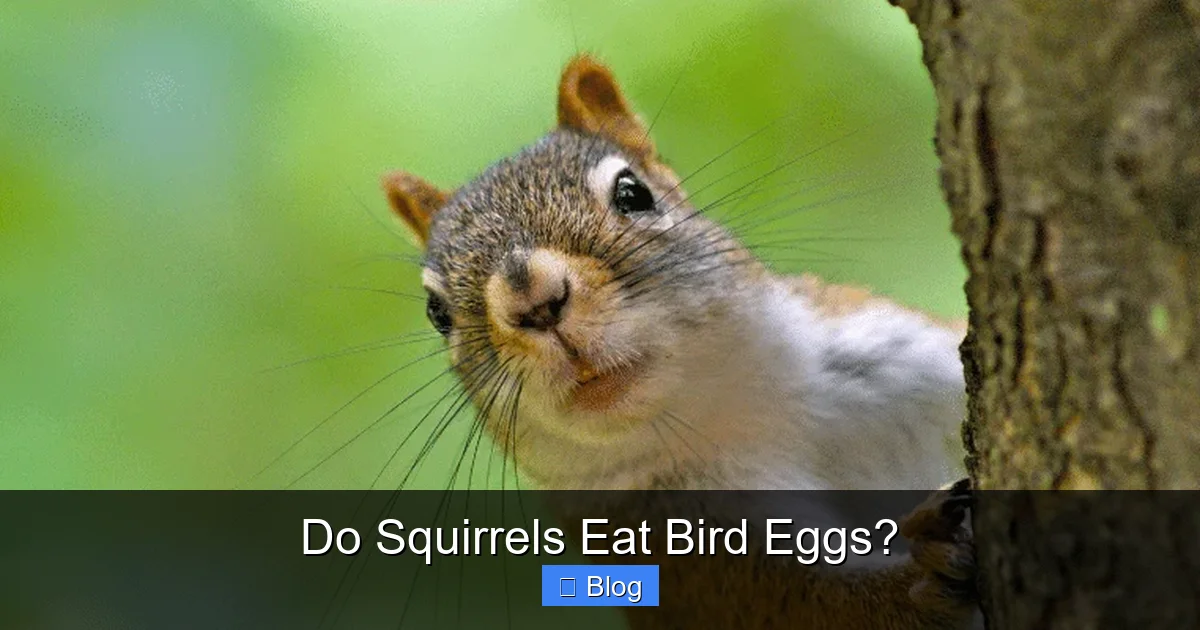
Visual guide about Do Squirrels Eat Bird Eggs?
Image source: birdsphere.com
Nutritional Needs: Protein and Fat Power
Bird eggs are a powerhouse of nutrition. They are incredibly rich in protein and fats, two vital macronutrients that squirrels require, often in significant quantities. For a squirrel, especially during certain times of the year, accessing such a concentrated source of energy and building blocks for their bodies can be a matter of survival. For example, a female squirrel nursing a litter of young needs an immense amount of protein to produce milk. Finding a clutch of bird eggs is like hitting a nutritional jackpot.
Similarly, during the lean months of late winter or early spring, when nuts and seeds from the previous autumn might be depleted and new plant growth hasn’t fully emerged, eggs can bridge a crucial dietary gap. This is a period of scarcity, and any readily available food source is valuable. This is a common time to ask, “Do squirrels eat bird eggs?” because they might be more desperate for varied food.
Scarcity of Preferred Foods
When their usual preferred foods — nuts, seeds, berries, and fungi — become scarce, squirrels must broaden their culinary horizons. This scarcity can be due to environmental factors like a poor harvest year for acorns, or simply the natural ebb and flow of seasons. Urban and suburban environments, while often providing abundant food in feeders, can also have periods where natural food sources are harder to come by, pushing squirrels to explore other options.
Opportunism: The Path of Least Resistance
Squirrels are incredibly efficient. They are always calculating the energy cost versus the nutritional gain of any foraging activity. If a bird’s nest is poorly concealed, easily accessible, or if the parent birds are not actively defending it, it becomes an easy meal. This “path of least resistance” often leads them to bird nests. They are not predators in the typical sense, like a hawk actively hunting, but rather scavengers and foragers who take advantage of what’s presented to them.
Instinctive Behavior
Ultimately, consuming eggs and sometimes even nestlings is an instinctive behavior for squirrels. It’s part of their natural omnivorous diet, honed over generations for survival in diverse environments. While it might be difficult for us to witness, it’s a testament to nature’s intricate and sometimes harsh realities. This natural instinct is why, when people ask, “Do squirrels eat bird eggs?” the answer is rarely a simple “no.”
Identifying the Culprit: How to Know if a Squirrel is to Blame
When a bird’s nest is disturbed, it’s natural to feel concerned and want to know what happened. While squirrels are certainly on the list of potential culprits for eating bird eggs, they aren’t the only ones. Many other animals also prey on bird nests. So, how can you tell if a squirrel was the one responsible?
Signs of a Squirrel Egg Heist
- Empty or Damaged Nests: The most obvious sign is an empty nest where eggs once were, or a nest that looks dishevelled and torn. Squirrels aren’t particularly tidy eaters.
- Broken Eggshells Below: You might find fragments of eggshells on the ground directly below the nest. Squirrels will often carry an egg away to a safer spot to eat it, but sometimes they’ll consume it right at the nest, or drop pieces. The shells might appear gnawed or broken unevenly.
- Absence of Adult Birds: If parent birds suddenly abandon a nest, especially one with eggs, it can be a sign of disturbance. However, abandonment can also be due to other factors, so it’s not a definitive clue on its own.
- Direct Observation: The most conclusive evidence is, of course, seeing a squirrel near the nest, particularly if it’s exhibiting unusual interest or if you catch it in the act. This is rare, as squirrels are wary, but it does happen.
- Nest Location: Squirrels are arboreal and excellent climbers. If the nest is in a tree or shrub with easy access from branches or nearby structures, it makes a squirrel a strong suspect.
Ruling Out Other Suspects
It’s important to remember that many other animals also eat bird eggs. Without direct evidence, it can be hard to pinpoint the exact predator. Here are some other common nest predators:
- Jays and Crows: These intelligent birds are notorious nest predators. They often leave a neater-looking nest and sometimes carry off whole eggs or nestlings.
- Snakes: Non-venomous snakes like rat snakes are expert climbers and will swallow eggs whole, leaving no trace other than an empty nest.
- Raccoons and Opossums: These nocturnal mammals are highly opportunistic and will raid nests. They often leave a messy nest and might even pull it apart.
- Cats: Domestic and feral cats are significant predators of both adult birds and nestlings, though they are less likely to consume eggs.
- Other Mammals: Weasels, skunks, and even larger rodents can sometimes be culprits.
Distinguishing squirrel damage from other predators often comes down to the type of breakage on eggshells and the general mess left behind. Squirrels might leave behind jagged, chewed shell fragments, whereas a bird might puncture an egg cleanly.
Protecting Your Backyard Birds: Practical Deterrent Strategies
While understanding that squirrels eating bird eggs is a natural behavior, it’s also completely understandable to want to protect the bird nests in your garden. There are several ethical and practical strategies you can employ to make your backyard a safer haven for nesting birds, without harming your squirrel population.
Encourage Safe Nest Placement
Birds often choose nesting sites based on perceived safety. You can influence this by:
- Planting Thorny Shrubs: Dense, thorny bushes like roses, hawthorn, or barberry provide natural protection. Predators like squirrels are less likely to navigate sharp thorns to reach a nest.
- Providing Dense Foliage: Encourage birds to nest in thick, bushy areas rather than exposed spots. Pruning strategy can also help; avoid over-pruning dense cover during nesting season.
Install Predator Baffles
If birds are nesting near bird feeder poles or other accessible poles (like clothesline poles) that squirrels can easily climb, installing a baffle can be highly effective. A baffle is a cone-shaped or dome-shaped barrier that prevents squirrels from climbing up. Ensure it’s wide enough (at least 18 inches) and positioned at least 5 feet off the ground.
Limit Access to Nesting Trees
Squirrels are incredible acrobats, jumping from branch to branch with ease. If a bird’s nest is in a tree or large shrub that has branches extending close to your house, fences, or other structures, consider pruning those branches. Creating a gap of several feet can make it much harder for squirrels to reach the nest without a risky jump.
Manage Your Bird Feeders Responsibly
While feeders bring birds to your yard, they also attract squirrels. Keeping squirrels well-fed with designated squirrel feeders (placed away from bird feeders and nesting areas) might reduce their inclination to seek out other food sources, like eggs. Ensure bird feeders are squirrel-proof or use foods squirrels dislike, such as safflower seeds, which many birds enjoy but squirrels generally don’t.
Regular Monitoring and Observation
Simply being aware of what’s happening in your garden can help. If you notice a squirrel showing unusual interest in a particular area where a nest is located, you might be able to intervene subtly. For example, by gently shooing the squirrel away (without stressing the parent birds). This isn’t always practical, but sometimes a watchful eye can make a difference. Remember, the goal is deterrence, not direct confrontation or harm.
Consider Nesting Boxes with Predator Guards
If you put up nesting boxes for cavity-nesting birds, choose designs that incorporate predator guards – extended entrances or metal plates around the opening that make it harder for squirrels (and other predators) to reach inside. The hole size should also be appropriate for the target bird species, small enough to deter larger predators. This can be an excellent way to protect the future of birds who might otherwise be asking themselves, “Do squirrels eat bird eggs?” in their own unfortunate experience.
The Bigger Picture: Coexisting with Nature
Understanding that squirrels eating bird eggs is a part of the natural world can be challenging to accept, especially for those of us who cherish our backyard birds. However, it’s crucial to remember that every creature in our ecosystem plays a role, and these interactions are part of nature’s delicate balance. Squirrels are not “bad” for engaging in natural behaviors; they are simply trying to survive and thrive, just like the birds.
Accepting Nature’s Cycles
The circle of life in our backyards is dynamic. While we might find the predation of bird eggs upsetting, it’s a natural cycle that has occurred for millennia. Not every egg will hatch, and not every chick will fledge, regardless of squirrel activity. Predators help keep populations in check, ensuring the strongest survive and maintaining ecological health. When you observe the wildlife, and think “Do squirrels eat bird eggs?” remember that it’s part of a bigger picture.
Focusing on Ethical Deterrence
Our role as stewards of our backyards should focus on ethical deterrence rather than eradication or harm. The strategies mentioned above aim to make it more difficult for squirrels to access nests, thereby tipping the scales slightly in favor of the birds, without disrupting the overall ecosystem or causing undue harm to any species. We want to protect, not persecute.
Appreciating Biodiversity
Ultimately, having both squirrels and birds in your yard contributes to its biodiversity and richness. Each species brings its own unique behaviors, sounds, and contributions to the environment. Learning about these interactions, even the less pleasant ones, deepens our appreciation for the complexity and resilience of nature. It teaches us patience, observation, and a greater understanding of the wild world right outside our windows.
So, the next time you see a squirrel, remember that while they might occasionally consume bird eggs, they are also busy planting trees, aerating soil, and providing endless entertainment. Their presence, like that of all wildlife, adds vibrancy to our lives and teaches us valuable lessons about coexistence.
Conclusion
So, do squirrels eat bird eggs? Yes, they do. This often surprising fact reveals a deeper truth about the natural world: it’s a complex web of interactions where every creature is driven by instincts for survival. Squirrels are opportunistic omnivores, and bird eggs provide a vital source of protein and fat, especially during times of scarcity or high nutritional need. This behavior, while potentially distressing to human observers, is a perfectly natural part of their diet and role in the ecosystem.
Understanding the “why” behind this behavior allows us to move past judgment and towards proactive, ethical solutions. By implementing strategies like predator baffles, careful landscaping, and responsible feeder management, we can help protect nesting birds and increase their chances of successful breeding. These actions don’t aim to eliminate squirrels but to create a backyard environment where both our cherished birds and our energetic squirrels can coexist as harmoniously as possible.
Ultimately, a backyard rich in diverse wildlife is a gift. It encourages us to observe, learn, and appreciate the intricate dance of nature right on our doorsteps. By accepting the realities of the wild, and doing our part to support all its inhabitants, we foster a healthier, more vibrant ecosystem for everyone.
🎥 Related Video: Do Squirrels Eat Bird Eggs? – The Wild Life Explorer
📺 The Wild Life Explorer
Do Squirrels Eat Bird Eggs? In this informative video, we will explore the fascinating world of squirrels and their dietary habits, …
Frequently Asked Questions
Are squirrels considered a major threat to bird populations?
While squirrels do eat bird eggs and sometimes nestlings, they are generally not considered a major threat to overall bird populations. Birds face many threats, including habitat loss, pesticides, and other predators, which often have a larger impact.
What time of year are bird eggs most vulnerable to squirrels?
Bird eggs are most vulnerable during the spring and early summer nesting seasons when birds are actively breeding. This is also a time when squirrels, particularly pregnant or nursing females, have increased protein and energy demands.
Can bird parents defend their nests against squirrels?
Sometimes, parent birds will bravely attempt to defend their nests against squirrels, mobbing or dive-bombing them. However, squirrels are larger and stronger, so these defenses are not always successful, especially if the squirrel is determined.
Do squirrels destroy nests even if they don’t eat the eggs?
Squirrels primarily interact with nests for food. If they disturb a nest and find it empty or unappealing, they might move on without causing further destruction. However, their foraging activity can inadvertently damage the nest structure.
Is it cruel to deter squirrels from bird nests?
No, it’s not cruel to ethically deter squirrels from bird nests. These deterrents (like baffles or thorny bushes) simply redirect their natural foraging behavior without causing harm. It’s a way for humans to help balance the ecosystem in their immediate environment.
Should I remove squirrels from my yard if they eat bird eggs?
Removing squirrels is often an ineffective and unnecessary measure, as new squirrels will likely move in. Focusing on deterrent strategies to protect nests is a more sustainable and humane approach to managing backyard wildlife interactions.