
Yes, owls do eat birds, making them opportunistic and highly effective avian predators. Their diet is incredibly varied, encompassing a wide range of animals from small mammals and insects to reptiles and amphibians, with birds forming a significant, though often underestimated, part of their carnivorous menu. Understanding their dietary habits reveals the complex role owls play in their ecosystems and how they adapt to various food sources.
Do Owls Eat Birds?
That mysterious hoot in the night often sparks wonder. Is it a signal? A territorial call? For many backyard bird enthusiasts, that sound can also bring a nagging question: “Do owls eat birds?” It’s a completely natural concern. We love our feathered friends, and the thought of a nocturnal predator swooping in can be unsettling.
Owls are fascinating creatures. They are known for their silent flight, piercing eyes, and incredible hunting prowess. Their image as wise, silent hunters is legendary. But what exactly do they hunt? While we often picture them snatching mice or voles, the truth about their diet is far more varied and complex than many realize. So, let’s dive deep and explore the answer to this common query.
Prepare to uncover the dietary secrets of these magnificent birds of prey. We’ll look at which owls are more likely to target avian prey, how they manage to catch such agile creatures, and what scientific evidence supports this aspect of their diet. By the end of this article, you’ll have a clear understanding of whether owls eat birds and the crucial role this plays in their survival and the broader ecosystem.
Key Takeaways
- Yes, Owls Eat Birds: It’s a common and natural part of their diverse carnivorous diet across many species.
- Opportunistic Predators: Owls are not picky eaters; they hunt what is available, varying their diet by season, location, and prey abundance.
- Species-Specific Diets: While many owls consume birds, larger species like Great Horned Owls are more prone to taking larger avian prey, whereas smaller owls might target songbirds.
- Specialized Hunting Techniques: Owls use silent flight, acute hearing, and excellent night vision to successfully ambush and capture birds, often at night or during twilight hours.
- Evidence in Pellets: The presence of bird feathers, bones, and beaks in owl pellets provides conclusive scientific evidence that owls regularly consume avian prey.
- Ecological Importance: By preying on birds, owls contribute to natural population control, often targeting weaker or less vigilant individuals, thus playing a vital role in ecosystem health.
- Coexistence is Key: While owls do eat birds, their impact on overall bird populations is typically balanced; understanding their role helps bird lovers appreciate these magnificent predators.
Quick Answers to Common Questions
Do all owl species eat birds?
No, while many owl species do eat birds, it’s not universal. The extent to which birds are part of an owl’s diet varies greatly by species, geographic location, and the availability of other prey.
What types of birds do owls usually hunt?
Owls are opportunistic, so they hunt a wide variety of birds. Larger owls often target game birds, ducks, and even other raptors, while smaller owls tend to prey on songbirds like sparrows, finches, and starlings.
How do owls catch birds at night?
Owls use a combination of silent flight, acute hearing, and excellent low-light vision to ambush birds. They often strike when birds are roosting or sleeping, taking them by surprise.
Is it common to find bird remains in owl pellets?
Yes, it is quite common to find bird remains, such as feathers, bones, and beaks, in owl pellets, especially for species known to frequently prey on birds like the Great Horned Owl.
Do owls pose a significant threat to overall bird populations?
Generally, no. Owls are part of a natural ecosystem balance. While they do consume birds, their predation typically doesn’t cause a significant decline in overall bird populations, as birds have evolved high reproductive rates to compensate.
📑 Table of Contents
The Truth Revealed: Do Owls Really Eat Birds?
Let’s get straight to the point: Yes, owls do eat birds. It’s a definite and well-documented aspect of their diet. While they are famously known for preying on small mammals like rodents, rabbits, and shrews, many owl species are also opportunistic predators that won’t hesitate to add birds to their menu when the opportunity arises. This isn’t just an occasional snack; for some species, birds can form a significant portion of their food intake.
Masters of Adaptation
Owls are incredible survivors. Their ability to adapt to different environments and food sources is one of their greatest strengths. They are not picky eaters in the way some specialized predators might be. Instead, an owl’s diet is largely dictated by what is most available and easiest to catch in its habitat. If birds are abundant, particularly vulnerable ones, they become a viable food source. This adaptability is what makes them so successful across various landscapes, from dense forests to open grasslands and even urban areas. When you ask, “Do owls eat birds?” the answer is often tied to what’s available where that owl lives.
A Diverse Palate
Think of an owl’s diet as a smorgasbord. Depending on the species, location, and time of year, their meals can include insects, fish, amphibians, reptiles, and of course, a variety of mammals and birds. For example, a Great Horned Owl living near a waterfowl nesting area might frequently prey on ducks or geese. A smaller Screech Owl in a suburban backyard might catch a sparrow or a starling. This diverse palate ensures their survival even when a primary food source, like rodents, becomes scarce. The fact that owls eat birds showcases their broad predatory capabilities.
Which Owl Species are Most Likely to Hunt Birds?
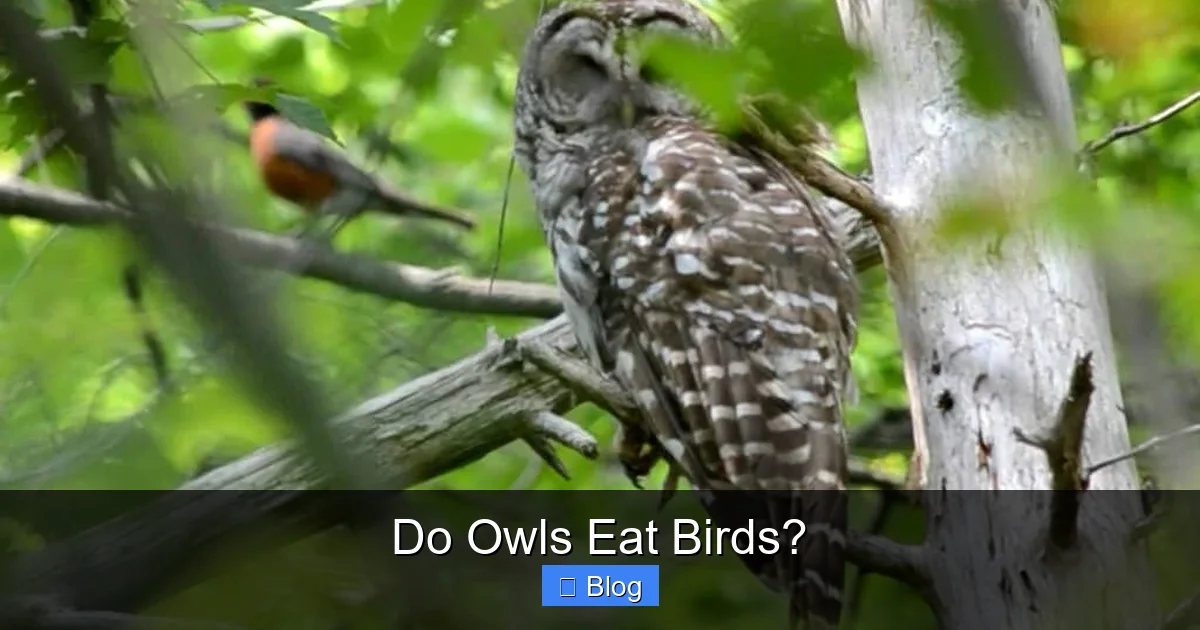
Visual guide about Do Owls Eat Birds?
Image source: nature-mentor.com
While many owl species are capable of eating birds, some are more predisposed to it than others. The size of the owl often plays a significant role in the size and type of bird it will target.
Great Horned Owls: Apex Avian Hunters
If there’s one owl species synonymous with bird predation, it’s the Great Horned Owl (Bubo virginianus). These large, powerful owls are true apex predators in their ecosystems. They are known to hunt an astonishing array of prey, and birds are high on their list. They will take everything from small songbirds to larger game birds like ducks, geese, and even other raptors, including smaller owls. Their strong talons and powerful grip make them incredibly effective at subduing even robust avian prey. When people wonder, “Do owls eat birds?” the Great Horned Owl is often the first example that comes to mind for its formidable hunting skills.
Barred Owls and Their Wetland Wonders
Barred Owls (Strix varia) are another species that frequently includes birds in their diet. Often found in mature forests near water, they are excellent hunters of amphibians, reptiles, and small mammals. However, they also regularly prey on woodland birds. Their hunting prowess extends to water birds, and they have been observed catching ducks and other waterfowl, especially during nesting season when birds might be more vulnerable.
Smaller Owls, Smaller Birds
It’s not just the big owls that prey on birds. Smaller owl species, like the Eastern and Western Screech Owls (Megascops asio and Megascops kennicottii) and Northern Pygmy-Owls (Glaucidium gnoma), also hunt birds. Their avian targets are typically smaller, like sparrows, finches, starlings, or even small woodpeckers. Northern Pygmy-Owls, in particular, are known for being quite bold diurnal (daytime) hunters, making them a significant threat to small birds active during the day. So, even the cute, tiny owls do eat birds.
The Art of the Avian Hunt: How Owls Catch Birds
Catching a bird, especially one in flight, seems like a monumental task. Birds are quick, agile, and have excellent eyesight. Yet, owls consistently succeed. Their success is due to a suite of highly specialized adaptations that make them incredibly efficient hunters.
Silent Flight and Pinpoint Accuracy
One of the most remarkable adaptations of most owl species is their silent flight. Their feathers have unique serrations on the leading edges and a soft, velvety texture on the trailing edges. These features break up turbulent airflow, allowing them to fly almost silently. This “stealth mode” is crucial for approaching unsuspecting prey, including birds, without being detected until it’s too late. Combine this with their exceptional hearing – some owls can locate prey solely by sound in complete darkness – and their powerful, razor-sharp talons, and you have a perfect bird-hunting machine.
Nocturnal vs. Diurnal Hunting
Most owls are nocturnal, meaning they hunt at night. This gives them an advantage over many diurnal birds that are active during the day and roost at night. A sleeping bird, while still partially alert, is far more vulnerable than one actively feeding or flying. However, some owls, like the Snowy Owl (Bubo scandiacus) and Northern Hawk Owl (Surnia ulula), are primarily diurnal or crepuscular (active at dawn and dusk). These owls have different strategies, often relying on open-country hunts or surprise attacks on perching birds. Even for daytime hunters, the question “Do owls eat birds?” is answered with a resounding yes.
Ambush and Surprise Tactics
Owls are masters of ambush. They typically perch silently on a branch, observing their surroundings with their keen eyesight. Once prey is spotted, they launch into their silent flight, often catching the bird by surprise. Sometimes, owls will even enter birdhouses or nest boxes to snatch roosting birds or young nestlings. This opportunistic behavior highlights their effectiveness in securing a meal, proving that owls eat birds using clever and often unexpected tactics.
Beyond the Hunt: Evidence in Owl Pellets
One of the most compelling pieces of scientific evidence that confirms owls eat birds comes from analyzing their pellets. Owl pellets are essentially indigestible remains of their meals that are regurgitated. They provide a fascinating snapshot into an owl’s diet.
What Are Owl Pellets?
Unlike many other predatory birds that pluck feathers or tear apart prey before swallowing, owls often swallow their prey whole or in large chunks, especially smaller items. Their digestive system is designed to separate the digestible parts (flesh, organs) from the indigestible parts (bones, fur, feathers, insect exoskeletons). These indigestible bits are then compacted into a tight, oblong pellet in their gizzard and later regurgitated. Finding these pellets beneath an owl’s roosting or nesting site is a common way for researchers and enthusiasts to study their diet.
Unraveling the Secrets of a Meal
Each owl pellet is a treasure trove of information. By carefully dissecting and identifying the contents of these pellets, scientists can determine exactly what an owl has been eating. This method is incredibly accurate and provides long-term data on dietary patterns. If you’ve ever wondered, “Do owls eat birds?” a look inside a pellet will often give you a definitive answer.
Identifying Bird Remains
When bird remains are present in an owl pellet, they are often easily identifiable. You might find small bird skulls, tiny leg bones, beaks, and, most commonly, distinct feathers. The structure and color of the feathers can often help identify the species of bird that was consumed. This direct evidence leaves no doubt: owls regularly consume birds as part of their varied diet. It’s a natural process that has been occurring for millennia.
Why Owls Eat Birds: Ecological Role and Impact
The fact that owls eat birds isn’t just a curiosity; it’s a vital part of their ecological role and contributes to the overall health of ecosystems. Predation is a fundamental force in nature, and owls are critical players.
Population Control and Ecosystem Balance
As predators, owls help keep prey populations in check. This includes bird populations. While it might sound harsh, predation is a natural and necessary mechanism for maintaining healthy ecosystems. Owls often target the most vulnerable individuals – the sick, old, weak, or inexperienced. By removing these individuals, they help prevent the spread of disease, reduce competition for resources, and ensure that only the strongest and most adaptable birds reproduce. This strengthens the overall genetic fitness of the bird populations they prey upon. It’s a grim but essential aspect of “Do owls eat birds?”
Impact on Bird Populations
For bird lovers, the thought of owls eating birds can be concerning. However, it’s important to remember that owls rarely pose a significant threat to the overall health or stability of any widespread bird species population. Nature has a delicate balance. Bird populations have evolved alongside predators like owls for millions of years. Most bird species have high reproductive rates that can compensate for predation losses. Localized impacts might occur, especially in areas with very high owl density or during nesting season, but generally, owls are a natural part of the predation cycle, not an ecological disaster for birds.
Protecting Backyard Birds: Practical Tips for Bird Lovers
If you’re a bird enthusiast and are concerned about owls preying on your backyard visitors, there are several practical steps you can take to help minimize the risk, while still appreciating these magnificent predators. While you can’t stop nature entirely, you can create a safer environment.
Owl-Friendly Landscapes
One of the best ways to protect your backyard birds is to provide them with plenty of dense cover. Shrubs, evergreen trees, and brush piles offer safe havens where small birds can quickly retreat from predators. Position bird feeders and bird baths close to these cover areas so birds don’t have far to fly to find shelter. Avoid large, open expanses around feeders that make birds easy targets. Additionally, consider motion-activated lights near roosting areas, which can sometimes deter nocturnal predators.
Deterring Predators Naturally
While owls do eat birds, you can make your yard less appealing for them to hunt. Prune dead branches from trees near your feeders, as these often serve as prime perches for owls to spot prey. Ensure birdhouses are designed with predator guards on the entrance holes to protect nesting birds and fledglings. You can also hang reflective tape or old CDs near feeders; the flashing movement can sometimes startle owls away, though this is not a foolproof solution. Remember, owls are protected, so any deterrence must be harmless to the owl.
Observing, Not Interfering
Ultimately, the natural world is a complex web of life. While owls eat birds, it’s a fundamental part of their existence. The best approach is often to observe and appreciate both the hunter and the hunted. Understanding their behavior can help you enjoy your backyard wildlife even more. Enjoy the beauty of your songbirds, and marvel at the silent majesty of an owl. Coexistence is key to a thriving natural environment.
Conclusion
So, do owls eat birds? The answer is a clear and unequivocal yes. From the mighty Great Horned Owl to the diminutive Screech Owl, many species include birds as a regular part of their diet. This predation is not random; it is driven by opportunity, seasonal availability, and the owl’s incredible adaptations for silent flight and precise hunting.
Scientific evidence, particularly from the study of owl pellets, conclusively shows that birds are a consistent food source for many owl populations. This isn’t a detrimental force, but rather a vital component of ecosystem health, helping to regulate bird populations and promote the survival of the fittest.
As bird lovers, understanding this natural cycle helps us appreciate the intricate balance of nature. We can take steps to provide safer spaces for our backyard birds, but we must also respect the critical role owls play as predators. The next time you hear that haunting hoot in the night, remember the owl’s mastery of its environment and its place in the grand tapestry of life, including its natural tendency to consume birds.
🎥 Related Video: Wood Owl Eating 1
📺 BTB Falconry
Frequently Asked Questions
What time of day are owls most likely to hunt birds?
Most owls are nocturnal, so they are most likely to hunt birds during the night, especially at dusk and dawn. However, some species, like the Northern Pygmy-Owl and Snowy Owl, are active during the day and will hunt birds then.
Can owls hunt birds larger than themselves?
While less common, some large owl species, particularly the Great Horned Owl, are powerful enough to successfully hunt and kill birds larger than themselves, such as ducks, geese, and even small turkeys, particularly if the prey is vulnerable.
How can I protect my backyard birds from owls?
You can help protect backyard birds by providing dense shrubs and evergreen trees for cover, positioning feeders close to these safe havens, and ensuring birdhouses have predator guards. Avoid creating large, open areas around feeders that expose birds.
Do owls primarily target healthy birds or weaker ones?
Owls, like many predators, often target the weakest, sickest, oldest, or least vigilant individuals in a population. This natural selection process helps maintain the overall health and strength of bird populations.
Are there any specific seasons when owls eat more birds?
Owls tend to eat more birds when other primary food sources, like rodents, are scarce. This can vary by season, with increased bird predation sometimes observed during nesting seasons when young birds are vulnerable or during harsh winters when other prey is harder to find.
What scientific evidence confirms owls eat birds?
The most conclusive scientific evidence comes from the analysis of owl pellets. Researchers regularly find identifiable bird remains, including feathers, bones, and beaks, in pellets, directly confirming that owls have consumed avian prey.