
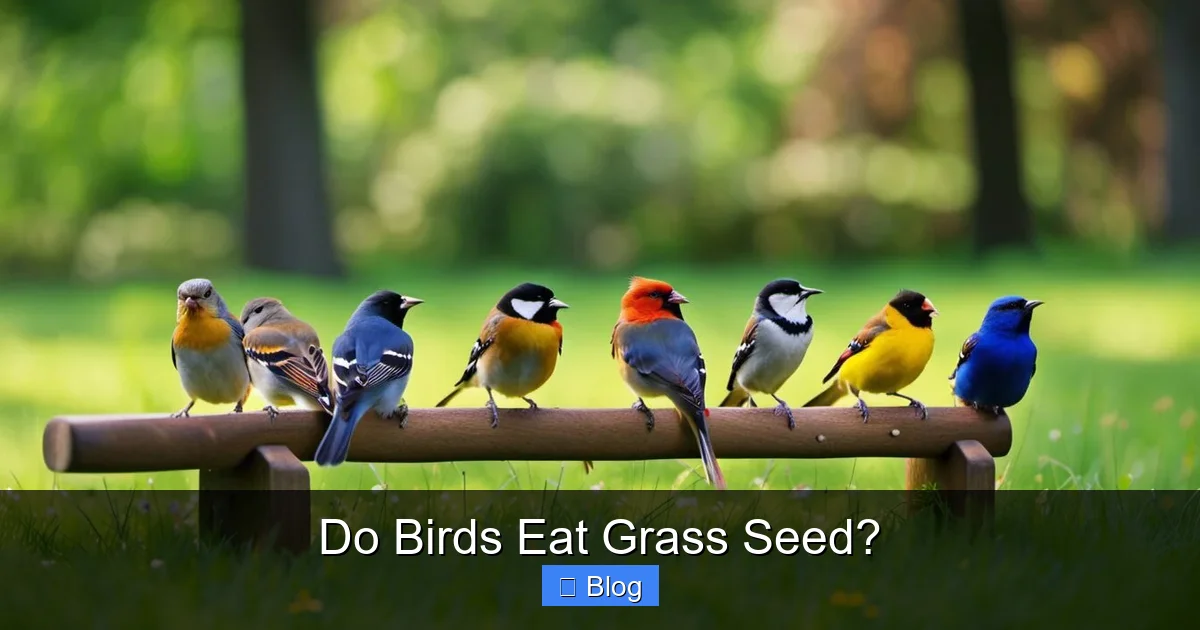
Yes, birds absolutely eat grass seed, and it’s a common challenge for anyone trying to establish a new lawn. These feathered friends view freshly sown grass seed as an easy, nutritious meal. Understanding their attraction and implementing smart, deterrent strategies are key to protecting your investment and ensuring a lush, green lawn.
Starting a new lawn or repairing bare patches can be an exciting project. You envision a lush, green carpet, perfect for bare feet and backyard barbecues. You carefully prepare the soil, spread your chosen grass seed, and water it diligently, full of hope for that vibrant transformation. But then, you notice them. Your feathered friends, those lovely birds you usually enjoy watching, seem to be having a feast right on your freshly sown ground.
This brings us to a question many homeowners ponder with a mix of frustration and curiosity: “Do birds eat grass seed?” The simple, undeniable answer is a resounding *yes*. Birds are not only capable of eating grass seed; many common species actively seek it out as a readily available and nutritious food source. This can turn your lawn project into a battle between your green ambitions and nature’s hungry inhabitants.
Understanding why birds are so drawn to your carefully chosen seeds, and, more importantly, what you can do about it, is crucial for lawn care success. This article will dive deep into the world of birds and grass seed, exploring their natural behavior, the impact on your lawn, and practical, effective strategies to protect your investment and achieve the beautiful lawn you’re dreaming of. Let’s explore how to strike a balance between nurturing your lawn and respecting the local wildlife.
Key Takeaways
- Birds Love Grass Seed: Many common bird species, from sparrows to doves, readily consume grass seed, treating it as an abundant food source, especially when exposed on the soil surface.
- Impacts Lawn Success: Bird predation can significantly reduce the germination rate of your grass seed, leading to patchy, uneven lawn growth and wasted effort and money.
- Attraction Factors: Birds are drawn to grass seed primarily because it’s an easy-to-access, high-energy food source, particularly in newly disturbed soil where seeds are visible.
- Prevention is Crucial: To protect your grass seed, proactive measures are essential, ranging from physical barriers to visual deterrents and smart sowing techniques.
- Variety of Strategies: Successful protection often involves a combination of methods, such as using netting, reflective tape, straw mulch, deeper planting, and offering alternative food sources.
- Patience and Persistence: Protecting newly sown grass seed from birds requires consistent effort and patience until the seeds germinate and the seedlings establish themselves beyond a bird’s easy reach.
Quick Answers to Common Questions
Do all birds eat grass seed?
No, not all bird species eat grass seed, but many common ground-feeding birds like sparrows, finches, and doves are highly attracted to it as an easy food source.
How long do I need to protect my grass seed from birds?
You should protect your grass seed until it has germinated and the seedlings are established, typically for about 2-4 weeks after sowing, or until the grass is several inches tall.
Does straw mulch prevent birds from eating grass seed?
Yes, a thin layer of weed-free straw mulch can help camouflage grass seeds and make them less visible and accessible to birds, while also aiding in moisture retention.
Will birds eat grass seed if it’s mixed with topsoil?
Birds are less likely to find and eat grass seed that is properly raked into the top 1/4 to 1/2 inch of soil, as they prefer seeds easily visible on the surface.
Is it okay if a few birds eat some grass seed?
A few birds eating a small amount of seed is usually not a problem, but consistent predation by a flock can significantly reduce germination rates and lead to patchy lawn growth.
📑 Table of Contents
The Simple Answer: Yes, They Do!
Let’s cut right to the chase: yes, birds absolutely eat grass seed. It’s one of the most common reasons people struggle to get new lawns established. To birds, especially those that are ground feeders, your freshly scattered grass seed looks like a banquet laid out just for them. It’s easy to find, easy to pick up, and packed with energy. They don’t see it as your future lawn; they see it as a delicious, free meal.
Why Grass Seed is Appealing to Birds
Birds are incredibly efficient at finding food. Grass seed, particularly when it’s uncovered or lightly covered, presents an easy target. It’s often high in carbohydrates and fats, providing essential energy for their daily activities, especially during migration, nesting, or colder months. Think of it as nature’s fast food – readily available and requiring minimal effort to acquire. They don’t need to forage deep or hunt; it’s just there, waiting.
Common Bird Species That Love Grass Seed
While many birds are opportunistic eaters, certain species are particularly fond of grass seed and are often the culprits you’ll spot in your yard.
- Sparrows: House sparrows are notorious for their voracious appetites and their love for all kinds of seeds, including grass seed. They’re common visitors to suburban yards.
- Finches: American Goldfinches and House Finches, while often enjoying thistle seed, won’t turn down a good grass seed buffet.
- Doves: Mourning doves are ground feeders and are very adept at spotting and eating seeds scattered on the surface.
- Juncos: Dark-eyed juncos are common winter visitors who are primarily ground feeders and will happily munch on any seeds they find.
- Robins: While known for eating worms, robins also consume seeds and berries, making them potential grass seed snackers, especially if other food sources are scarce.
- Quail: In certain regions, quail species are significant consumers of various seeds, including grass seeds.
These birds, among others, have keen eyesight and excellent foraging instincts, making them formidable opponents when you’re trying to grow a new lawn. They can quickly decimate a freshly seeded area, leaving you with patchy results.
The Impact of Birds on Your Lawn Project
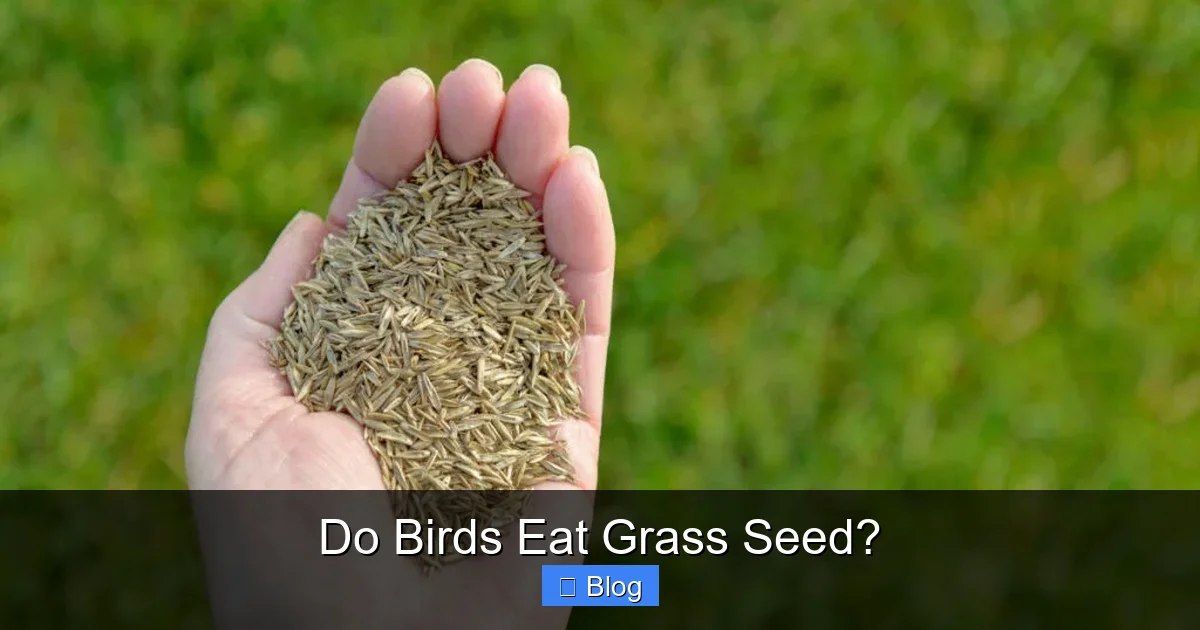
Visual guide about Do Birds Eat Grass Seed?
Image source: birdstracker.com
The problem with birds eating grass seed goes beyond just seeing a few feathered friends enjoying a snack. Their activities can have significant negative impacts on your entire lawn project, affecting both the aesthetics and your wallet.
Wasted Seed and Uneven Growth
The most immediate and visible consequence is the loss of your valuable grass seed. Each seed consumed by a bird is a seed that won’t germinate and contribute to your lush lawn. If birds are particularly active in certain areas, they can create significant bare patches. This leads to an uneven, spotty lawn, which is definitely not the smooth green carpet you envisioned. You might end up with clumps of grass in some areas and barren soil in others, making your lawn look neglected and unfinished.
The Cost Factor
Grass seed isn’t free. High-quality varieties, especially, can be quite an investment. When birds eat a substantial portion of your seed, you’re essentially throwing money away. You might find yourself needing to reseed certain areas, which means buying more seed, spending more time, and using more water. This adds up quickly, increasing the overall cost and effort of your lawn project. It’s a frustrating cycle that can be easily avoided with the right strategies.
Understanding Bird Behavior: Why They’re Attracted
To effectively deter birds from your grass seed, it helps to understand *why* they find it so irresistible in the first place. It’s not personal; it’s just nature at work.
Easy Food Source
Birds are constantly searching for food. Your freshly spread grass seed, particularly if it’s sitting on top of the soil, is an incredibly easy and accessible food source. They don’t have to dig, hunt, or compete fiercely for it. It’s essentially a free buffet, making it a very appealing option compared to searching for worms or insects. This ease of access is a primary driver of their attraction.
Instinct and Opportunism
Birds are driven by instinct. Their survival depends on finding and consuming enough food to maintain their energy levels, especially during demanding times like breeding season, migration, or cold weather. They are opportunistic feeders, meaning they will take advantage of any available food source. Your newly seeded lawn, with its vast expanse of exposed seeds, is simply too good an opportunity to pass up.
The Allure of Freshly Sown Areas
When you prepare your soil for seeding, you often loosen the top layer. This can expose not only your grass seed but also small insects, worms, or other organic matter that birds might be looking for. Birds learn quickly that freshly disturbed soil often means easy pickings. The combination of exposed soil and visible seeds creates an irresistible magnet for many species.
Effective Strategies to Protect Your Grass Seed
Now that we know birds love grass seed and why, let’s talk about how to protect your investment. The good news is that there are many effective, bird-friendly methods you can use. Often, a combination of these strategies yields the best results.
Physical Barriers: Netting and Row Covers
One of the most effective ways to prevent birds from eating your grass seed is to create a physical barrier.
- Bird Netting: This is a highly effective method. You can drape lightweight bird netting directly over the seeded area or suspend it over hoops to create a small tunnel. Make sure the edges are secured to the ground so birds can’t sneak underneath. It allows sunlight and water through but keeps birds out.
- Straw or Hay Mulch: A thin layer of weed-free straw or hay can help camouflage the seeds and make them less visible to birds. It also helps retain moisture, aiding germination. The key is to apply it thinly enough (about 1/4 inch) so that grass seedlings can still push through easily. Too much mulch will smother your new grass.
Deterrents: Scarecrows and Reflective Tape
Visual and auditory deterrents can scare birds away by making them feel unsafe or uncomfortable.
- Scarecrows: While traditional scarecrows might seem old-fashioned, a strategically placed one can work. For better results, move it around every few days so birds don’t get used to its presence.
- Reflective Tape or Mylar Balloons: Shiny, reflective objects like Mylar balloons or strips of reflective tape (often called bird scare tape) can be very effective. The flashing light and movement in the wind can disorient and frighten birds. Hang these on stakes around your seeded area.
- Decoys: Plastic owls or hawks can sometimes deter smaller birds. Again, moving them periodically is key to preventing birds from realizing they aren’t real threats.
Seed Treatment: Coating and Mixing
Some seed treatments can make grass seed less appealing or harder for birds to access.
- Coated Grass Seed: Some manufacturers offer grass seed that is coated with a repellent or a brightly colored dye. While the dye doesn’t harm birds, it makes the seeds stand out and sometimes signals an unpleasant taste, causing birds to avoid them.
- Mixing with Soil: One of the simplest methods is to ensure your grass seed is adequately covered with soil. After broadcasting, gently rake the seeds into the top 1/4 to 1/2 inch of soil. This makes it much harder for birds to find and pick up the seeds, as they prefer surface feeding.
Smart Sowing Techniques: Timing and Depth
How and when you sow your seeds can also significantly impact their vulnerability.
- Optimal Sowing Depth: As mentioned, burying the seeds slightly makes them less visible and accessible. A light raking or rolling after spreading can help embed them.
- Over-seeding vs. New Lawn: If you’re overseeding an existing lawn, the existing grass provides some natural camouflage. For a new lawn, the bare soil makes seeds much more vulnerable.
- Timing Your Seeding: Try to seed when bird activity might be lower, though this can be hard to predict. Generally, early spring or early fall are ideal for grass growth, but also times when birds are actively foraging for energy. Consider shorter germination times for your chosen grass variety; the quicker it sprouts, the less time it’s vulnerable.
Distraction Feeding: Offering Alternatives
If you enjoy having birds in your yard, you can offer them an alternative food source away from your newly seeded areas.
- Bird Feeders: Set up a bird feeder with their favorite seeds (like black oil sunflower seeds or mixed birdseed) in a different part of your yard. The idea is to draw their attention away from the grass seed. This strategy works best if the feeder is placed some distance from your lawn project.
Creating an Uninviting Environment
Sometimes, making the area generally less appealing to birds can help.
- Regular Human Presence: Simply being present in your yard can deter birds, as they often avoid areas with human activity. While not a permanent solution, frequent visits to your seeded area might keep them away temporarily.
- Wind Chimes or Rustling Objects: Unusual noises can sometimes startle birds and make an area seem less safe.
Best Practices for Successful Lawn Seeding
Protecting your grass seed from birds is just one piece of the puzzle for a successful lawn. Combining deterrents with excellent lawn care practices will maximize your chances of a lush, healthy turf.
Soil Preparation is Key
A well-prepared seedbed is fundamental. Ensure your soil is properly aerated, free of weeds, and has the right pH balance. Amend it with compost or other organic matter if needed to provide the best environment for seed germination and root development. Good soil health means quicker, stronger grass growth, reducing the vulnerability window for your seeds.
Watering Wisely
Consistent moisture is critical for germination. Keep the seeded area continuously damp, but not waterlogged, for the first few weeks. Light, frequent watering is better than heavy, infrequent watering, which can wash away seeds or encourage disease. Proper watering also helps the seeds settle into the soil, making them less visible to birds.
Patience and Persistence
Growing a new lawn takes time and patience. Even with the best preparation and protection, it can take several weeks for seeds to germinate and the new grass to become established. Continue your bird deterrent strategies until the grass is several inches tall and robust enough to withstand minor pecking. Don’t give up if you see a few birds; keep applying your chosen methods consistently.
Coexisting with Wildlife: A Balanced Approach
While protecting your investment in grass seed is important, it’s also worth remembering that birds are a natural and often beneficial part of our ecosystem. They help control insect populations and add beauty to our surroundings. The goal isn’t to eliminate birds from your yard, but rather to redirect their attention during a critical period for your lawn.
By implementing humane deterrents and offering alternative food sources, you can successfully grow your lawn while still enjoying the presence of local wildlife. It’s about finding a balanced approach that respects both your gardening efforts and the natural world around you. After all, a healthy, vibrant lawn can eventually become a safe and attractive habitat for many beneficial creatures, including birds, once it’s established.
Conclusion
So, “do birds eat grass seed?” Absolutely, they do! It’s a natural behavior that can pose a significant challenge for anyone trying to establish a new lawn. However, with the right knowledge and a proactive approach, you can successfully protect your grass seed and achieve the lush, green lawn you desire.
By understanding why birds are attracted to your seeds and implementing a combination of physical barriers, visual deterrents, smart sowing techniques, and even distraction feeding, you can significantly reduce their impact. Remember, the key is to be persistent with your methods until your new grass has firmly taken root. A little effort now will save you a lot of frustration and expense down the road, paving the way for a beautiful, thriving lawn that you can enjoy for years to come.
🎥 Related Video: How To Prevent Birds From Eating Grass Seed
📺 GardenBound
Struggling to keep birds from feasting on your freshly sown grass seed? In this helpful video, we share effective strategies for …
Frequently Asked Questions
How quickly can birds decimate a newly seeded lawn?
Birds can decimate a newly seeded lawn surprisingly quickly, often within a few hours to a day, especially if a flock of ground-feeding birds discovers the exposed seeds. Their keen eyesight and efficient foraging can lead to significant seed loss before germination even begins.
Are there any bird-repellent sprays safe for grass seed?
While some commercial bird repellents exist, many are not specifically formulated for grass seed or may have varying effectiveness. Some grass seeds come pre-coated with harmless repellents or brightly colored dyes that make them less appealing to birds.
Does regular watering help deter birds from grass seed?
Regular, light watering is essential for germination and can also help settle the seeds deeper into the soil, making them less visible and accessible to birds. However, watering alone is not a primary bird deterrent and should be combined with other protective measures.
Can I use a scarecrow to protect my grass seed?
Yes, scarecrows can be a visual deterrent, but their effectiveness often decreases as birds become accustomed to them. To maximize success, move the scarecrow every few days and combine it with other deterrents like reflective tape or netting.
What is the best time of day to sow grass seed to avoid birds?
Sowing grass seed in the late afternoon or evening can give the seeds a few hours of darkness before birds are most active in the morning. However, consistent protection methods are more crucial than the time of day for sowing, as birds will find the seeds eventually.
Are there specific types of grass seed less attractive to birds?
Generally, birds are attracted to most types of grass seed due to their nutritional content. However, very fine fescue seeds might be slightly less appealing than larger rye or bluegrass seeds. Pre-coated or dyed seeds are specifically designed to be less attractive.