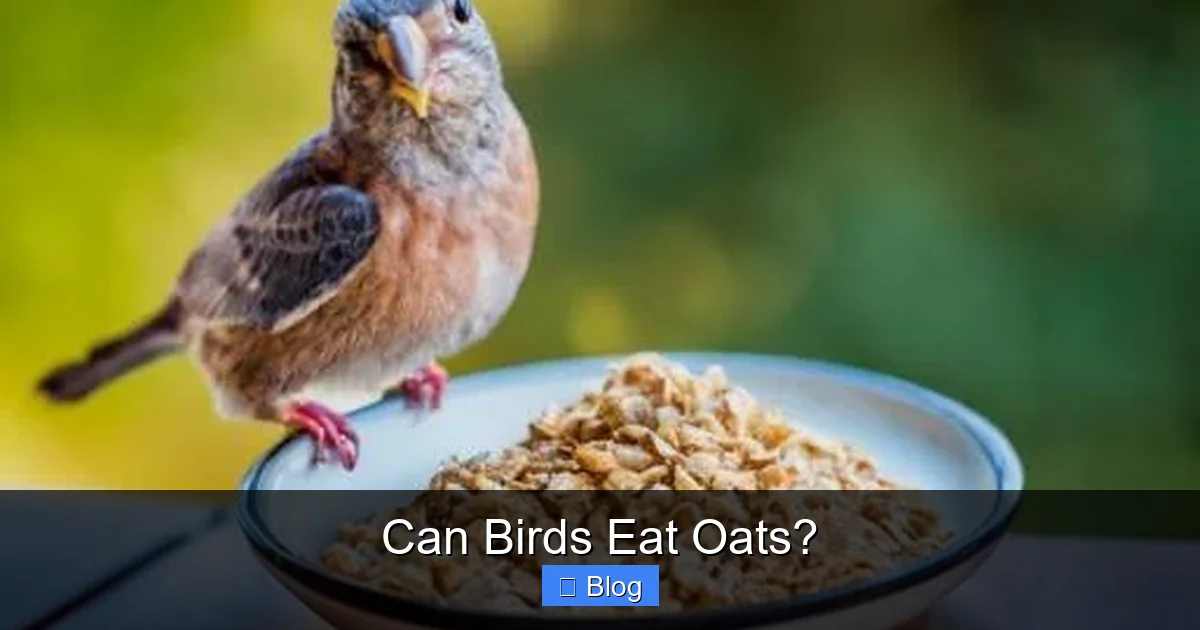
Yes, birds can eat oats, and they can be a nutritious supplement to their diet! Uncooked, plain oats (like rolled or steel-cut) are generally safe and provide valuable energy and fiber. However, it’s crucial to avoid instant, flavored, or cooked oats, which can pose health risks or become a sticky mess. Always offer oats sparingly and as part of a varied diet.
There’s a special joy in seeing birds flock to your backyard, their vibrant colors and cheerful songs adding life to your day. Many of us love to put out feeders, eager to offer our feathered friends a little something extra. But as you pour your morning cereal, a common question might flutter into your mind: “Can birds eat oats?” It’s a natural thought, especially since oats are a staple for many humans, packed with goodness.
The short answer is yes, birds can eat oats – with some very important caveats. Not all oats are created equal when it comes to bird feeding, and how you offer them makes a huge difference. Just like you wouldn’t give a toddler a whole steak, you can’t just throw any old oats out for birds and expect them to thrive. This comprehensive guide will walk you through everything you need to know, from the nutritional benefits to the potential pitfalls, ensuring you can offer oats safely and effectively to your avian visitors.
Key Takeaways
- Yes, birds can eat oats, but only certain types: Plain, uncooked rolled oats or steel-cut oats are safe. Avoid instant, flavored, or cooked oats at all costs.
- Oats offer nutritional benefits: They provide carbohydrates for energy, fiber for digestion, and some essential vitamins and minerals, especially valuable during colder months.
- Portion control and hygiene are crucial: Offer oats sparingly as a supplement, not a primary food source. Spread them thinly to prevent mold and spoilage, and clean feeding areas regularly.
- Cooked oats are a major NO: Cooked oats can become sticky around a bird’s beak, hindering their ability to eat, fly, or preen, and can harbor bacteria if left out.
- Avoid flavored or sweetened oats: These contain additives, sugar, and artificial ingredients harmful to birds. Stick to plain, unadulterated oats.
- Oats are best for ground-feeding birds: Species like doves, sparrows, juncos, and quail often enjoy picking up oats scattered on the ground or in low tray feeders.
- Always ensure a varied diet: While oats are a good treat, they should complement a diverse diet of seeds, nuts, fruits, and insects for optimal bird health.
Quick Answers to Common Questions
Can I give birds instant oatmeal?
No, you should never give birds instant oatmeal. These oats are highly processed, often contain added sugars and flavors harmful to birds, and can swell rapidly in their digestive systems or become a sticky, dangerous mess when wet.
Are cooked oats safe for birds?
No, cooked oats are not safe for birds. They become sticky and can gum up a bird’s beak and feathers, hindering their ability to eat, fly, or keep warm. Cooked food also spoils quickly, becoming a breeding ground for harmful bacteria.
What kind of oats are best for birds?
Plain, uncooked rolled oats (old-fashioned oats) or steel-cut oats are the best and safest choices for birds. Ensure they are free from any additives, flavorings, or sweeteners.
How often can I give birds oats?
Oats should be offered sparingly as a supplement, not a primary food source. A small handful scattered thinly every few days, especially during colder weather, is usually sufficient when combined with other bird-friendly foods.
Do oats attract specific types of birds?
Yes, oats are particularly attractive to ground-feeding birds such as doves, sparrows, juncos, and quail. They also appeal to some smaller songbirds when mixed with other seeds.
📑 Table of Contents
- The Nutritional Powerhouse: Why Oats Are Good for Birds
- The Nitty-Gritty: Which Types of Oats Are Safe?
- How to Serve Oats Safely and Attractively
- Potential Risks and Important Considerations
- Who Benefits Most? Attracting Specific Species with Oats
- Beyond Oats: What Else Can You Offer for a Diverse Bird Diet?
- Conclusion
The Nutritional Powerhouse: Why Oats Are Good for Birds
When prepared and offered correctly, oats can be a wonderful, energy-rich addition to a bird’s diet. Think of oats as a healthy snack or a nutritional supplement, rather than a primary food source. They bring several benefits to the table for our feathered friends.
Key Nutrients in Oats
Oats are well-regarded for their wholesome nutritional profile, and many of these benefits translate to birds too. They are primarily a good source of:
- Carbohydrates: This is the big one! Oats are packed with complex carbohydrates, which are vital for providing sustained energy. Birds, especially in colder months or during migration, need a lot of energy to maintain their body temperature, fly, and forage.
- Fiber: Both soluble and insoluble fiber are present in oats. Fiber is essential for healthy digestion, helping to keep their digestive systems running smoothly.
- Vitamins and Minerals: While not a complete multivitamin, oats do contain trace amounts of B vitamins (like thiamine), manganese, phosphorus, magnesium, iron, and zinc. These micronutrients play roles in various bodily functions, from energy metabolism to bone health.
- Protein and Healthy Fats: Oats contain a modest amount of protein and healthy fats, which are also crucial for overall health, muscle maintenance, and feather quality.
Energy Boost for Busy Birds
Imagine a tiny bird trying to survive a freezing winter night. Its metabolism is incredibly high, burning through calories just to stay warm. Or picture a migratory bird on a long journey, needing fuel for thousands of miles. This is where the energy from oats becomes incredibly valuable. The complex carbohydrates in oats release energy slowly, providing a steady supply that helps birds endure harsh conditions and strenuous activities. Offering oats during winter can be a real lifesaver for many species.
Digestive Benefits
Just like for humans, the fiber in oats can aid a bird’s digestive system. A healthy gut is crucial for nutrient absorption and overall well-being. The gentle bulk provided by oats can help maintain regularity and support a diverse gut microbiome, which is increasingly recognized as vital for immune function.
The Nitty-Gritty: Which Types of Oats Are Safe?
This is where understanding the difference between oat types becomes critical. Not all oats are created equal when it comes to bird safety. Choosing the wrong type can actually be harmful, so pay close attention to this section.
Visual guide about Can Birds Eat Oats?
Image source: birdbonica.com
Raw, Uncooked Oats: The Best Choice
When we say “oats” for birds, we’re almost always talking about plain, uncooked, unprocessed oats. These are the safest and most beneficial option. The key is “plain” – no added ingredients whatsoever.
Rolled Oats vs. Steel-Cut Oats
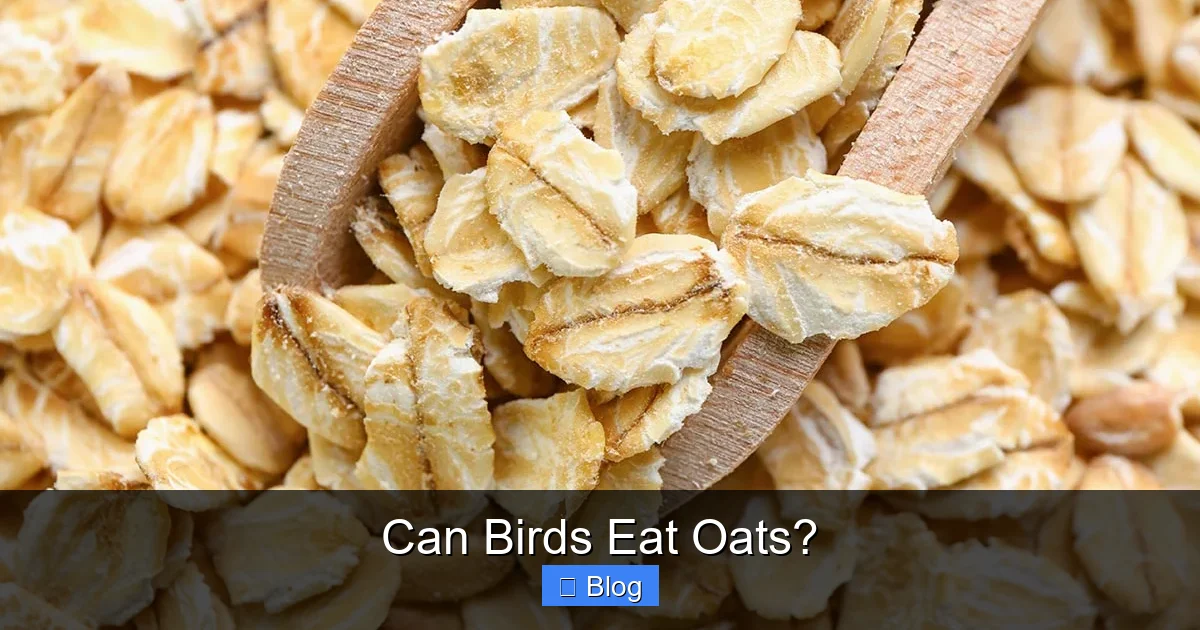
- Rolled Oats (Old-Fashioned Oats): These are oat groats that have been steamed, flattened by large rollers, and then lightly toasted. They are perhaps the most common and ideal type of oat to offer birds. Their flat, relatively soft texture makes them easy for most birds to eat and digest.
- Steel-Cut Oats (Irish Oats): These are whole oat groats that have been cut into two or three pieces with steel blades. They are less processed than rolled oats and have a chewier texture. Birds can eat steel-cut oats, but they might be a bit harder for smaller birds to manage. If you have them on hand, they are still a perfectly acceptable choice.
Avoid Instant or Flavored Oats
This is a major point of caution. Never offer instant, flavored, or quick-cooking oats to birds. Here’s why:
- Instant/Quick-Cooking Oats: These oats are pre-cooked, dried, and then rolled very thinly so they cook faster. While this is convenient for humans, it makes them highly absorbent. When birds eat them, they can rapidly absorb moisture in their digestive system, potentially swelling and causing blockages. More importantly, when left outside, they can quickly turn into a sticky, gooey mess if they get wet, which can be dangerous for birds.
- Flavored Oats: This includes varieties like “apple cinnamon,” “maple brown sugar,” or any other pre-packaged, sweetened oat product. These contain added sugars, salt, artificial flavors, and preservatives that are completely unsuitable and harmful for birds. Their digestive systems are not equipped to handle such ingredients, which can lead to illness or even death.
Cooked Oats: A Cautionary Tale
Even if you cook plain, rolled oats without any additives, it’s generally recommended to avoid offering cooked oats to wild birds.
- Stickiness: Cooked oats, especially as they cool, become incredibly sticky and gluey. This can get matted around a bird’s beak, making it difficult for them to eat, drink, or preen their feathers. Feathers matted with sticky food lose their insulating properties, putting the bird at risk of hypothermia.
- Bacterial Growth: Cooked food left outside can quickly become a breeding ground for harmful bacteria and mold, especially in warm or damp conditions. This can spread diseases among bird populations.
So, stick to raw, plain, uncooked oats. It’s the safest and most beneficial way to incorporate them into your bird feeding routine.
How to Serve Oats Safely and Attractively
Now that you know which oats are safe, let’s talk about the best practices for offering them. Proper presentation and hygiene are key to ensuring oats are a treat, not a hazard.
Spreading Them Out
The best way to offer oats is to scatter a small amount thinly on a clean, flat surface. This could be:
- A ground feeding tray: These low-profile feeders are perfect for ground-feeding birds.
- A clean patio or deck: Make sure the surface is free of other debris or chemicals.
- A patch of bare ground: In an area away from dense foliage where predators might hide.
Spreading them thinly prevents large clumps from forming, reduces the risk of spoilage, and ensures that multiple birds can access them without excessive competition or crowding.
Mixing with Seed Blends
You can also mix a small quantity of plain, uncooked oats into your regular birdseed blend. This works well in platform feeders or large hopper feeders. The oats will blend in with the other seeds, making them less likely to clump and providing an added nutritional boost to your existing feeding station.
Oat Feeder Creations (Use with Caution)
While platform and ground feeders are ideal, some people experiment with hanging feeders. If you use a tube feeder with very large openings, oats might dispense, but smaller openings could lead to clogging, especially if the oats get damp. Mesh feeders designed for peanuts could also potentially hold oats, but again, ensure they don’t get wet and become sticky.
What to Avoid: Large Piles and Wet Oats
- Avoid large piles: Never dump a large pile of oats in one spot. This encourages competition, can lead to aggressive behavior, and makes it easier for mold and bacteria to grow in the lower layers that aren’t accessed.
- Protect from moisture: Oats are highly absorbent. Even plain, uncooked oats can become moldy or grow bacteria if they get wet and sit for too long. Place feeders or scattering areas under an awning, tree, or roof to offer some protection from rain and snow.
- Don’t offer in tube feeders with small openings: As mentioned, oats can clog these feeders and prevent birds from accessing other seeds, or they can become damp and spoiled inside the tube.
Potential Risks and Important Considerations
While oats can be beneficial, responsible feeding means being aware of potential risks. A little caution goes a long way in keeping your backyard birds healthy.
The Problem with Cooked Oats
Reiterating this point because it’s so important: cooked oats are a serious hazard. Their sticky consistency can adhere to a bird’s beak and feathers. This can be debilitating:
- Impaired eating and drinking: A sticky beak makes it hard for a bird to pick up other food or even drink water.
- Flight impairment: Matted feathers, especially on the wings, can make flying difficult or impossible.
- Loss of insulation: Clean, fluffed feathers trap air, providing insulation. Sticky, matted feathers lose this ability, making birds vulnerable to hypothermia in cold weather.
- Bacterial infection: Food stuck to a bird’s face can also lead to skin irritation or bacterial infections.
Mold and Spoilage Prevention
Any organic material left outdoors is susceptible to mold and bacterial growth, and oats are no exception. Moldy food is extremely dangerous for birds, potentially causing respiratory issues, digestive problems, or even death. To prevent this:
- Feed small amounts: Only put out as much as birds can consume in a day, especially in warm or humid weather.
- Regular cleaning: Clean your feeders and feeding areas frequently. Scrub ground feeders and trays with a diluted bleach solution (1 part bleach to 9 parts water), rinse thoroughly, and allow them to air dry completely before refilling.
- Rotate feeding spots: If scattering on the ground, try to use different spots to prevent accumulation of waste and pathogens.
Choking Hazards: Large Clumps
While rolled and steel-cut oats are generally small and manageable, large clumps of oats (especially if they’ve gotten damp and stuck together) could potentially pose a choking risk, particularly for smaller birds. This is another reason to spread oats thinly.
Balancing the Bird Diet: Oats as a Supplement, Not a Staple
Remember, oats should always be considered a supplement or a treat, not the primary food source for wild birds. A bird’s natural diet is incredibly varied, consisting of different seeds, insects, berries, and nectar, depending on the species. Relying too heavily on any single food item, even a good one like oats, can lead to nutritional deficiencies.
Think of it this way: a human can live on bread, but they wouldn’t be truly healthy. Birds need a diverse diet to get all the vitamins, minerals, proteins, and fats they require for optimal health, reproduction, and survival. Always offer oats alongside a high-quality birdseed mix and other natural foods.
Hygiene is Key
Maintaining a clean feeding environment is paramount. Beyond cleaning feeders, regularly rake or sweep up discarded hulls and droppings around feeding stations. This prevents the spread of diseases and discourages pests like rodents. When handling bird feeders or food, always wear gloves and wash your hands thoroughly afterward.
Who Benefits Most? Attracting Specific Species with Oats
While many birds might try oats, certain species are more likely to appreciate them. Knowing this can help you tailor your offerings and attract the birds you want to see.
Ground Feeders’ Delight
Oats are particularly appealing to birds that naturally forage on the ground. These include:
- Doves (Mourning Doves, Eurasian Collared-Doves): These gentle birds are classic ground feeders and often readily consume scattered oats.
- Sparrows (House Sparrows, American Tree Sparrows, Song Sparrows): Common visitors to most backyards, sparrows are generally opportunistic eaters and will often take to oats.
- Juncos (Dark-eyed Juncos): Often winter visitors, juncos are primarily ground feeders and appreciate small seeds and grains like oats.
- Quail (California Quail, Bobwhite Quail): If you live in an area with quail, they will almost certainly be interested in oats scattered on the ground.
- Towhees (Eastern Towhees, Spotted Towhees): These energetic scratchers are also good candidates for ground-offered oats.
Smaller Birds’ Preference
Smaller songbirds like chickadees, titmice, and finches might also nibble on oats, especially if they are finely rolled. However, they are often more attracted to black oil sunflower seeds or nyjer. Blue Jays and other larger birds might also consume oats, but they typically prefer larger seeds and nuts.
Seasonal Considerations
Oats are particularly beneficial during colder months. The high carbohydrate content provides much-needed energy to help birds stay warm and active when natural food sources are scarce and insects are less available. In spring and summer, while still a safe treat, birds might be more focused on protein-rich insects for raising their young, and fresh fruits and berries. Offering oats year-round is fine, but their importance may vary seasonally.
Beyond Oats: What Else Can You Offer for a Diverse Bird Diet?
Since oats are a supplement, it’s a good idea to ensure you’re offering a diverse array of other foods to support your backyard birds. A balanced diet ensures they receive all necessary nutrients.
Seeds and Nuts
- Black Oil Sunflower Seeds: The undisputed champion of bird feeding. High in fat and protein, adored by most seed-eating birds.
- Striped Sunflower Seeds: Larger, harder shells, favored by larger birds like cardinals and jays.
- Safflower Seeds: A favorite of cardinals, grosbeaks, and titmice, and often disliked by squirrels and blackbirds.
- Nyjer (Thistle) Seeds: Tiny, high-oil seeds perfect for finches (goldfinches, house finches, purple finches) in specialized feeders.
- Peanuts (shelled, unsalted): High in fat and protein, loved by jays, woodpeckers, chickadees, and nuthatches. Offer them chopped or in a peanut feeder.
Fruits and Berries
Many birds enjoy fresh or dried fruits. Offer small pieces of apples, oranges, grapes, or berries like blueberries and raisins. Just ensure they are unsweetened and free of pits or large seeds.
Mealworms and Suet
- Mealworms (live or dried): An excellent source of protein, especially appreciated by insectivorous birds like bluebirds, robins, and wrens.
- Suet: Blocks of rendered animal fat (often mixed with seeds, nuts, or berries) provide concentrated energy, particularly crucial in winter. Favored by woodpeckers, nuthatches, chickadees, and wrens.
Fresh Water
Often overlooked, a reliable source of fresh, clean water is just as important as food. A bird bath can attract a wider variety of birds than food alone, providing both a drink and a place to bathe. Keep it clean and filled year-round, using a heater in winter if temperatures drop below freezing.
Conclusion
So, can birds eat oats? Absolutely, yes, they can, and they can even benefit from them! Just remember that the key lies in offering the right kind of oats—plain, uncooked, rolled, or steel-cut varieties—and always in moderation. Avoid instant, flavored, or cooked oats, as these can pose serious health risks to your feathered friends. By adhering to safe feeding practices, maintaining good hygiene, and ensuring oats are just one part of a diverse and balanced diet, you can safely enjoy the presence of happy, healthy birds in your backyard.
Feeding birds is a rewarding hobby that connects us with nature. By making informed choices, you contribute not just to their immediate sustenance but to their overall well-being. Keep those feeders clean, those oats raw, and enjoy the show!
🎥 Related Video: Can Birds Eat Oats or Oatmeal? 🥣 Safe Feeding Guide for Pet & Wild Birds
📺 Petrus van Tonder
Can birds eat oats or oatmeal safely? Our other bird health videos: …
Frequently Asked Questions
What are the primary benefits of offering oats to birds?
Oats provide essential carbohydrates for energy, which is especially crucial during cold weather or migration. They also contain fiber for digestive health and some beneficial vitamins and minerals, contributing to a bird’s overall well-being.
Can oats get stuck in a bird’s beak or throat?
Uncooked, plain rolled or steel-cut oats are generally small and soft enough not to get stuck. However, large clumps of oats, especially if they become wet and sticky, could pose a choking hazard or interfere with a bird’s beak function.
Is there any risk of oats attracting pests like rodents?
Yes, any food left out for birds can attract rodents, especially if left in large piles or overnight. To minimize this risk, offer small amounts of oats that birds can consume quickly, and clean up any uneaten food at the end of the day, particularly from ground feeding areas.
Should I remove oat hulls or shells before offering them to birds?
No, there’s no need to remove oat hulls or shells. Rolled and steel-cut oats are already processed to be easily digestible for birds. Birds are naturally equipped to handle the minimal “hull” remaining on these types of oats or to discard any parts they can’t digest.
Can I offer oats to baby birds?
It’s generally best to avoid offering oats to baby birds. Nestlings and fledglings require a very specific diet, primarily high-protein insects, for rapid growth. While adult birds can process oats, it’s not ideal for the delicate digestive systems of young birds.
What should I do if I accidentally put out the wrong type of oats?
If you realize you’ve put out instant, flavored, or cooked oats, remove them immediately and thoroughly clean the feeding area. Monitor your feeders closely in the future to ensure only safe foods are offered, preventing potential harm to visiting birds.