
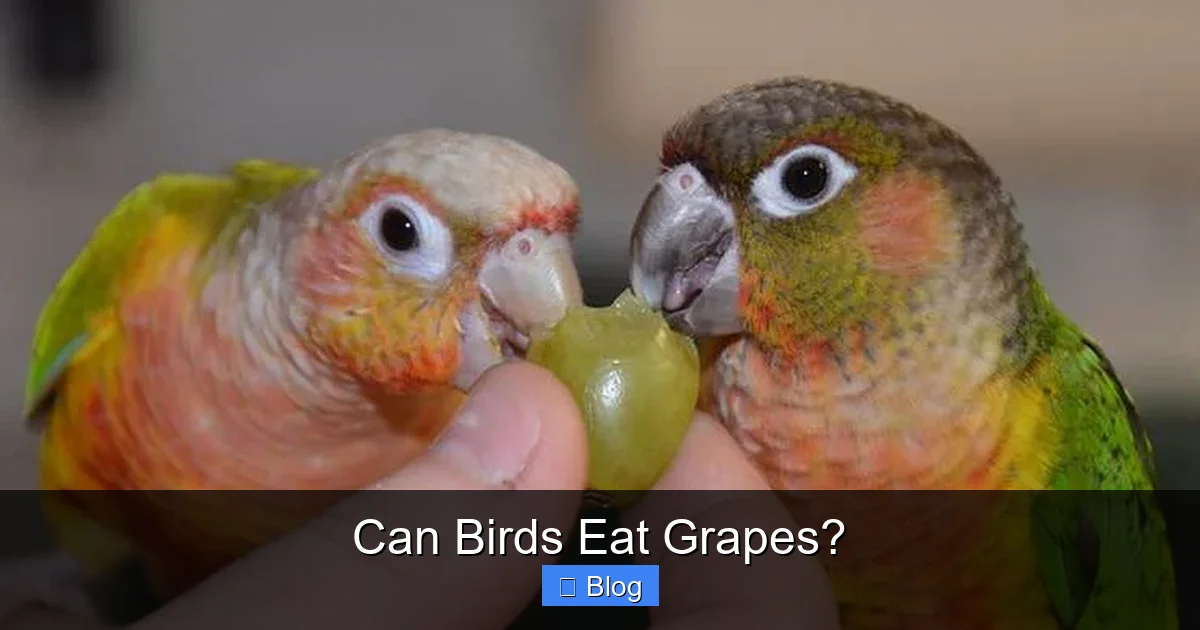
Yes, birds can eat grapes, but with important caveats! While grapes offer healthy nutrients like vitamins and antioxidants, they must be properly prepared by washing thoroughly, removing seeds, and cutting into small, manageable pieces to prevent choking. Always offer grapes in moderation as part of a balanced diet, not as a primary food source.
Can Birds Eat Grapes?
You’ve got a beautiful bunch of grapes sitting on your counter, perhaps for a snack, or maybe even to make some delicious jam. As you reach for one, you glance over at your feathered friend, who’s watching you with intense curiosity. A common question immediately pops into mind: “Can birds eat grapes?” It’s a fantastic question, and one that many bird owners ponder when considering sharing human foods with their beloved pets. We all want the best for our birds, ensuring they get a nutritious and safe diet, and navigating the world of bird-safe foods can sometimes feel a bit like a puzzle.
The good news is, for the most part, the answer is yes! Many birds can indeed enjoy grapes as a delightful and healthy treat. However, like with many human foods, there are important caveats, safety precautions, and preparation steps you need to follow before offering these juicy morsels to your avian companion. It’s not just about tossing a whole grape into their cage; responsible bird ownership means understanding the nuances of what’s good for them and what could potentially cause harm. Let’s dive deep into the world of grapes and birds, exploring the benefits, risks, and the best ways to serve this popular fruit.
Think of it like this: while a human might enjoy a whole grape straight off the vine, a small parrot or a finch has very different digestive and physical needs. Understanding these differences is crucial to ensure that sharing a grape becomes a joyful bonding experience rather than a cause for concern. From proper washing to seed removal and appropriate portion sizes, we’re going to cover everything you need to know to safely and happily incorporate grapes into your bird’s diet. So, let’s peel back the layers and discover how to make grapes a beneficial addition for your feathered friend!
Key Takeaways
- Yes, in Moderation: Grapes are generally safe for most birds when offered as an occasional treat, not a staple.
- Preparation is Key: Always wash grapes thoroughly to remove pesticides and potential contaminants.
- Seed Removal is Crucial: Remove all seeds from grapes, especially for smaller birds, as they can be a choking hazard or contain trace amounts of potentially harmful compounds.
- Choking Hazard: Cut grapes into small, bite-sized pieces appropriate for your bird’s size to prevent choking.
- Nutritional Benefits: Grapes offer vitamins C and K, antioxidants, and water, contributing to a bird’s overall health.
- Observe Your Bird: Introduce grapes slowly and monitor your bird for any adverse reactions, discontinuing if they show signs of discomfort.
- Wild vs. Pet Birds: While pet birds can be given prepared grapes, it’s generally best to let wild birds forage naturally or offer bird-specific seed mixes.
Quick Answers to Common Questions
Can I give my bird whole grapes?
No, you should never give your bird whole grapes. They pose a significant choking hazard, especially for smaller birds. Always cut grapes into small, bite-sized pieces appropriate for your bird’s size.
Do I need to wash grapes before giving them to my bird?
Yes, absolutely! Grapes should be thoroughly washed under cool, running water to remove pesticides, dirt, and any other contaminants that could be harmful to your bird.
Are grape seeds dangerous for birds?
While grape seeds are not considered highly toxic like apple seeds, they can still be a choking hazard, especially for smaller birds. It’s always best practice to remove all seeds before offering grapes to your bird.
How often can I give my bird grapes?
Grapes should be given in moderation as an occasional treat, not a daily staple. A few small pieces, a couple of times a week, is generally a good guideline, depending on your bird’s size and overall diet.
Can wild birds eat grapes?
While some wild birds might forage for grapes, it’s generally not recommended to offer them whole grapes due to pesticide concerns and choking hazards. If you feed wild birds, stick to high-quality birdseed or specific feeder fruits meant for them.
📑 Table of Contents
- The Sweet Truth: Grapes Are Generally Safe, But with Conditions
- How to Safely Prepare Grapes for Your Feathered Friend
- Which Birds Can Eat Grapes? Species-Specific Considerations
- Are All Grape Varieties Equal? What About Raisins?
- Beyond Grapes: Other Safe Fruits for Your Bird
- When NOT to Feed Grapes & Signs of Trouble
- Conclusion: Happy Birds and Healthy Grapes
The Sweet Truth: Grapes Are Generally Safe, But with Conditions
When you ask, “Can birds eat grapes?”, the short answer is usually yes, but with a big emphasis on “how.” Grapes are a popular and delicious fruit for humans, and they can be a nutritious snack for many bird species too. They are packed with essential nutrients, including vitamins C and K, and a good amount of antioxidants. These can contribute positively to your bird’s immune system, bone health, and overall well-being. Plus, their high water content makes them a hydrating treat, especially on warm days.
However, the safety of feeding grapes isn’t just about their nutritional profile; it’s also about potential risks and proper preparation. Just because a food is natural doesn’t automatically make it safe for every creature, especially one as delicate as a bird. We need to be vigilant about a few key factors to ensure that what we offer is truly beneficial.
Why Grapes Can Be Good for Birds (Nutritional Benefits)
Grapes aren’t just tasty; they bring a good array of nutrients to the table. Here’s a quick look at why they can be a healthy addition to your bird’s diet:
- Vitamins: Grapes are a good source of Vitamin C, which is vital for immune function, and Vitamin K, important for blood clotting and bone health.
- Antioxidants: These powerful compounds help fight off free radicals in the body, potentially reducing the risk of certain diseases and supporting overall cellular health.
- Water Content: With a high water content, grapes can help keep your bird hydrated, which is particularly beneficial for birds that don’t drink a lot of water or during hotter weather.
- Natural Sugars: While these should be given in moderation, the natural sugars in grapes can provide a quick energy boost.
Potential Risks and What to Watch Out For
Despite their benefits, there are several reasons why you need to be cautious when offering grapes. Understanding these risks is crucial to answering the question, “Can birds eat grapes safely?”
- Pesticides: Grapes are often treated with pesticides. These chemicals can be highly toxic to birds, even in small amounts. This is why thorough washing is non-negotiable.
- Choking Hazard: A whole grape, especially for smaller birds, is a perfect size to cause choking. Their round, slippery nature makes them particularly dangerous.
- Seeds: While grape seeds aren’t widely considered toxic to birds in the same way apple seeds are, they can still pose a choking hazard. For very small birds, they might also contain trace amounts of compounds that are best avoided. Removing them is the safest practice.
- High Sugar Content: Grapes are naturally sweet due to their sugar content. Too much sugar can lead to weight gain, digestive upset, and other health issues for birds, just like it can for humans. Moderation is key.
- Mold or Spoilage: Always ensure the grapes you offer are fresh and free from mold. Moldy fruits can cause serious illness in birds.
How to Safely Prepare Grapes for Your Feathered Friend
Okay, so we’ve established that the answer to “Can birds eat grapes?” is a conditional yes. Now comes the all-important “how.” Proper preparation is not just a suggestion; it’s an absolute requirement for the safety and health of your bird. Skipping these steps could turn a beneficial treat into a dangerous one. Let’s walk through the process, step by step, to make sure your bird enjoys grapes in the safest possible way.
Step-by-Step Grape Preparation
Following these simple steps will ensure your grapes are bird-friendly:
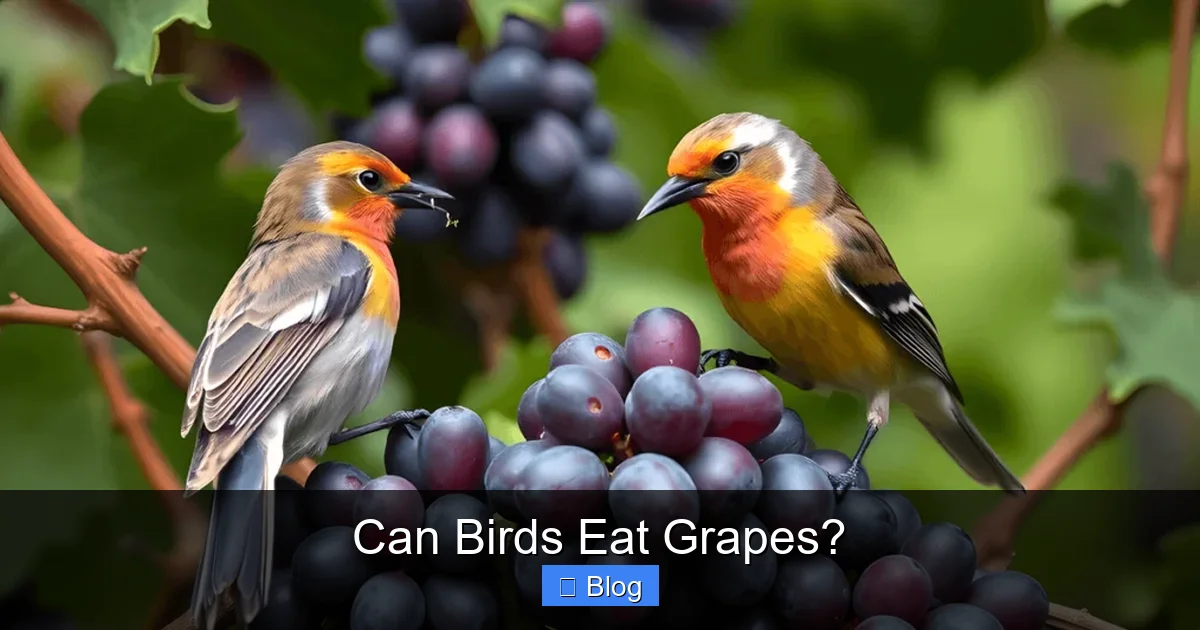
Visual guide about Can Birds Eat Grapes?
Image source: birdsspotter.com
- Wash Thoroughly: This is arguably the most critical step. Even if grapes look clean, they can carry pesticide residues, dirt, or bacteria. Rinse them under cool, running water for at least 30-60 seconds. You can also use a produce wash specifically designed to remove pesticides, but always rinse extensively afterwards.
- Remove All Seeds: While not definitively toxic like apple seeds (which contain cyanide), grape seeds can be a choking hazard, especially for smaller birds. For larger birds, they might just swallow them, but it’s always safer to remove them. Simply cut the grape in half or quarters and use a small spoon or your fingers to scoop out the seeds. Seedless varieties are, of course, easier!
- Cut into Appropriate Sizes: This step is crucial for preventing choking. A whole grape is too large for most birds.
- For small birds (finches, canaries, budgies, cockatiels): Cut grapes into very tiny, pea-sized or even smaller pieces.
- For medium birds (conures, quakers): Quarter the grapes, ensuring each piece is manageable.
- For large birds (African greys, Amazons, cockatoos, macaws): Halve or quarter the grapes, depending on the bird’s beak size and eating habits. Watch them closely the first few times to gauge their ability to handle the pieces.
- Serve Fresh: Only offer fresh grapes. Never give your bird grapes that are bruised, discolored, moldy, or have been sitting out for too long.
- Introduce Slowly and in Moderation: When first introducing grapes, offer only a tiny piece. See how your bird reacts. If they enjoy it and show no signs of digestive upset, you can offer them occasionally. Remember, grapes should always be a treat, not a meal replacement. A few small pieces a few times a week is usually sufficient, depending on your bird’s size and overall diet.
Why Organic Grapes Might Be a Better Choice
Given the concern about pesticides, choosing organic grapes can offer an extra layer of safety. Organic grapes are grown without synthetic pesticides, herbicides, or fertilizers. While they still need to be washed thoroughly to remove dirt and any natural contaminants, they significantly reduce the risk of pesticide exposure, making the answer to “Can birds eat grapes?” even more confidently “yes” when they’re organic.
Which Birds Can Eat Grapes? Species-Specific Considerations
The question “Can birds eat grapes?” isn’t a one-size-fits-all answer for every avian species. What’s safe and appropriate for a large macaw might be a choking hazard for a tiny finch. Understanding your bird’s size, natural diet, and unique digestive system is key to making informed feeding choices. Let’s explore some species-specific considerations.
Pet Birds: From Finches to Macaws
Most common pet bird species can enjoy grapes, provided they are prepared correctly.
- Small Birds (Finches, Canaries, Budgies, Lovebirds): For these tiny feathered friends, grapes must be cut into extremely small, almost minced pieces. Think smaller than a pea. Their delicate digestive systems also mean that moderation is extra important. A tiny piece or two a few times a week is plenty.
- Medium Birds (Cockatiels, Conures, Quakers, African Greys): These birds can handle slightly larger pieces, typically quartered grapes. Again, make sure seeds are removed. Grapes can be a fun treat and a good source of hydration.
- Large Birds (Amazons, Cockatoos, Macaws): Larger parrots can manage grapes halved or quartered. Their strong beaks can handle the texture, but removing seeds is still a good practice to avoid any potential issues. They might even enjoy holding a larger piece in their foot!
Regardless of size, always introduce new foods slowly and observe your bird for any signs of discomfort or allergy. Every bird is an individual, and what one bird loves, another might refuse or react poorly to.
Wild Birds: To Feed or Not to Feed Grapes?
When it comes to wild birds, the question “Can birds eat grapes?” shifts slightly. While many wild bird species, like robins, orioles, and even some jays, might naturally forage for grapes or other berries, it’s generally recommended to be cautious about offering grapes to wild birds in your yard.
- Natural Diet is Best: Wild birds have adapted to find their own food sources. Their diet often includes a variety of insects, seeds, fruits, and nectar unique to their environment.
- Pesticide Concerns: You can’t control whether wild birds consume grapes that have been sprayed with pesticides.
- Lack of Preparation: You can’t prepare grapes for wild birds (wash, de-seed, cut) in the same way you would for a pet bird. Offering whole grapes could pose a choking hazard.
- Attracting Pests: Fruit left out can attract rodents and insects, which might be undesirable in your yard.
If you do wish to provide supplemental food for wild birds, sticking to high-quality birdseed mixes, suet, or fresh, clean water is usually the safest and most beneficial approach. If you insist on feeding fruit, small pieces of apple or berries are sometimes offered, but always research the specific species you are trying to attract and prioritize their natural diet.
Are All Grape Varieties Equal? What About Raisins?
You might be wondering if the color or type of grape makes a difference when considering if birds can eat grapes. Red, green, black – does it matter? And what about dried grapes, like raisins? Let’s explore these variations to ensure you’re making the best choices for your feathered friend.
Red, Green, or Black Grapes: Is There a Difference?
Generally speaking, the color of the grape doesn’t significantly change its suitability for birds. Red, green, and black grapes all share similar nutritional profiles and potential risks. The key considerations remain the same:
- Wash Thoroughly: Regardless of color, pesticide residues are a concern.
- Remove Seeds: If the grapes have seeds, they need to be removed.
- Cut Appropriately: Always cut into small, manageable pieces.
- Moderation: All grape varieties are high in natural sugars and should be given as an occasional treat.
Some sources suggest that darker grapes (red or black) might have slightly higher antioxidant levels, but these differences are minor in the context of a bird’s overall diet, which should be primarily pellets or a high-quality seed mix supplemented with a variety of fresh produce.
Organic vs. Non-Organic Grapes: A Clear Winner
As touched upon earlier, when considering “Can birds eat grapes?” from a safety perspective, organic grapes are definitely preferred. Conventionally grown grapes are often listed on the “Dirty Dozen” list, meaning they tend to have higher levels of pesticide residues due to their thin skin and cultivation methods. Choosing organic grapes, while often a bit pricier, significantly reduces this risk, making them a safer option for your bird.
Raisins: Dried Grapes – Yes or No?
Raisins are simply dried grapes, so nutritionally, they are concentrated versions of grapes. This means they are also safe for birds in very small quantities, but with even stricter precautions:
- Highly Concentrated Sugar: Drying removes water, concentrating the natural sugars. Raisins are much higher in sugar than fresh grapes, so they should be offered even more sparingly.
- Choking Hazard: Raisins are small and sticky, making them a significant choking hazard, especially for smaller birds. They must be cut into even tinier pieces than fresh grapes.
- Sulfite Concern: Some raisins are treated with sulfites as a preservative, which can be harmful to birds. Always choose organic, unsulfured raisins if you decide to offer them.
- Stickiness: The stickiness of raisins can make them messy and potentially problematic for some birds’ beaks.
Given these concerns, fresh grapes are generally a better and safer choice than raisins. If you do offer raisins, ensure they are organic, unsulfured, thoroughly washed, and cut into minuscule pieces.
Beyond Grapes: Other Safe Fruits for Your Bird
While we’re discussing “Can birds eat grapes?”, it’s helpful to remember that variety is the spice of life for birds too! A diverse diet ensures your feathered friend gets a wide spectrum of nutrients. Grapes are a good addition, but they shouldn’t be the only fruit your bird enjoys. Offering a range of bird-safe fruits can make mealtime more exciting and nutritionally complete.
A Rainbow of Bird-Safe Fruits
Here are some other excellent fruit options you can consider adding to your bird’s diet, always remembering proper washing, seed removal (where applicable), and cutting into small pieces:
- Apples: A classic favorite. Always remove the core and seeds, as apple seeds contain cyanide.
- Berries (Blueberries, Raspberries, Strawberries): These are packed with antioxidants and vitamins. Blueberries are often a big hit! Cut larger berries like strawberries into small pieces.
- Melons (Cantaloupe, Honeydew, Watermelon): Great for hydration, especially on hot days. Remove all seeds and skin.
- Bananas: Soft and easy for many birds to eat. Offer in small slices.
- Oranges & Other Citrus (Mandarins, Clementines): High in Vitamin C. Offer small segments, removing any seeds. Some birds don’t like the tartness.
- Mango: A tropical delight, full of vitamins. Remove the large pit and skin.
- Pomegranate: Birds often love picking out the juicy arils (seeds). Offers good hydration and antioxidants.
Always introduce new fruits one at a time and in small quantities to observe your bird’s reaction. A varied diet, rich in fresh produce, along with a high-quality pellet or seed mix, is the cornerstone of a healthy life for your bird.
When NOT to Feed Grapes & Signs of Trouble
Knowing when and how to feed grapes is important, but equally crucial is knowing when to hold back and what signs might indicate a problem. Even if the general answer to “Can birds eat grapes?” is yes, there are specific situations where they should be avoided or where you need to seek veterinary advice.
Situations to Avoid Giving Grapes
- Spoiled or Moldy Grapes: Never, ever give your bird grapes that show any signs of spoilage, mold, or unusual odor. Mold toxins can be extremely dangerous and even fatal to birds.
- Grapes from Unknown Sources: If you’re unsure about the origin of the grapes (e.g., found on the ground, growing wild in an area you don’t know), it’s best to avoid them due to potential pesticide contamination or other toxins.
- Birds with Specific Health Issues: If your bird has a known health condition, particularly diabetes or kidney issues, consult your avian vet before introducing any new fruits, especially those high in sugar like grapes.
- If Your Bird Shows Disinterest or Aversion: Don’t force your bird to eat grapes if they clearly don’t like them. There are plenty of other healthy treats they can enjoy.
Signs Your Bird Might Be Having Trouble After Eating Grapes
While grapes are generally safe, always monitor your bird, especially after introducing a new food. If you observe any of the following signs after your bird has eaten grapes (or any new food), stop feeding the item immediately and consult your avian veterinarian:
- Digestive Upset:
- Diarrhea or unusually loose droppings.
- Vomiting or regurgitation (beyond normal social regurgitation).
- Loss of appetite.
- Lethargy or Weakness: Your bird seems unusually tired, less active, or weak.
- Changes in Behavior:
- Fluffed feathers (when not sleeping).
- Difficulty breathing or unusual breathing patterns.
- Lack of interest in usual activities.
- Excessive preening or feather picking.
- Physical Discomfort: Any signs of pain or discomfort.
These symptoms could indicate a reaction to the grapes, an underlying health issue, or even a choking incident that wasn’t immediately apparent. Prompt veterinary attention is always the best course of action.
Conclusion: Happy Birds and Healthy Grapes
So, can birds eat grapes? Absolutely, yes! But as we’ve thoroughly explored, it’s not quite as simple as just handing over a whole bunch. The journey from vine to beak requires a few careful, loving steps to ensure your feathered friend reaps all the delicious benefits without encountering any risks. From diligent washing to precise cutting and seed removal, your thoughtful preparation makes all the difference in turning a common fruit into a safe and enriching treat.
Remember, grapes, like any other treat, should only constitute a small part of your bird’s overall diet. A well-balanced diet for most pet birds primarily consists of high-quality pellets or a balanced seed mix, supplemented with a diverse array of fresh vegetables, fruits, and occasional safe proteins. Grapes, when offered in moderation and prepared correctly, can be a fantastic addition to that healthy variety, providing valuable vitamins, antioxidants, and a welcome burst of hydration and flavor.
By following these guidelines, you can confidently share a small, prepared grape with your avian companion, knowing you’re providing a safe and enjoyable snack. Always listen to your bird, introduce new foods slowly, and never hesitate to consult your avian veterinarian with any concerns. Your attentiveness and care are the most important ingredients in your bird’s happy and healthy life. Enjoy sharing those juicy, sweet moments with your beloved feathered friend!
🎥 Related Video: 5 Fruit budgies can eat .☘️☘️#budgies #shorts#parakeet #birds
📺 shiro and millie(shorts)
Fruit budgies can eat .☘️☘️#budgies #shorts#parakeet #birds.
Frequently Asked Questions
What are the main benefits of feeding grapes to birds?
Grapes offer several nutritional benefits for birds, including vitamins C and K, and beneficial antioxidants. They also have a high water content, which can aid in hydration, especially during warmer weather or for birds that don’t drink much water on their own.
Are all grape colors safe for birds?
Yes, red, green, and black grapes are all generally safe for birds. The color does not significantly impact their suitability. The most important factors are proper washing, seed removal, and cutting them into small pieces, regardless of the grape’s hue.
Can parrots eat grapes?
Yes, most parrot species, from small budgies to large macaws, can eat grapes. The key difference lies in the preparation: smaller parrots need grapes cut into much tinier pieces to prevent choking, while larger parrots can handle slightly bigger portions, always de-seeded and washed.
Is it better to give organic grapes to birds?
It is definitely better to offer organic grapes to birds if possible. Organic grapes are grown without synthetic pesticides, which can be highly toxic to birds. While all grapes need thorough washing, organic varieties significantly reduce the risk of pesticide exposure.
What should I do if my bird eats a whole grape?
If your bird accidentally eats a whole grape, especially a small bird, monitor them very closely for signs of choking, such as gasping, head bobbing, or difficulty breathing. If you observe any distress, contact your avian veterinarian immediately. For larger birds, while still not ideal, the risk is lower, but observation for digestive upset is still warranted.
Can birds eat raisins instead of fresh grapes?
While raisins are dried grapes and not inherently toxic, they are much higher in concentrated sugar and can be a greater choking hazard due to their stickiness and small size. If offered, they must be unsulfured, organic, thoroughly washed, and cut into extremely tiny pieces, given very sparingly.