

Feeding bread to birds, while a common practice, is actually detrimental to their health. Bread offers little nutritional value, acting as empty calories that can lead to malnutrition, digestive issues, and developmental problems. Instead, opt for natural, species-appropriate foods like seeds, fruits, and insects to truly support your feathered friends.
There’s a quaint, almost nostalgic image that many of us hold dear: strolling through a park or by a pond, scattering pieces of bread to a flurry of eager birds. It feels like a harmless, even kind, gesture, a simple way to connect with nature and lend a helping hand to our feathered friends. After all, bread is food, and birds need food, right?
This common practice, however, comes with a surprising twist. While it seems innocent on the surface, the truth about whether bread is good for birds is far more complex, and frankly, quite concerning. What appears to be a benevolent act can, in fact, cause significant harm to the very creatures we’re trying to help. This article will dive deep into the science and practical realities, explaining why bread is generally not a suitable food source for birds and what you can offer instead to truly support their health and well-being.
Key Takeaways
- Nutritional Deficiency: Bread provides empty calories and very little of the essential nutrients (proteins, fats, vitamins, minerals) birds need for survival and good health.
- Digestive Problems: The high carbohydrate and low fiber content in bread can cause bloating, crop impaction, and lead to a feeling of fullness without proper nourishment.
- “Angel Wing” Deformity: A diet primarily of bread can contribute to bone and feather development issues, particularly in waterfowl, leading to irreversible deformities like “angel wing.”
- Environmental Issues: Leftover bread can attract pests, promote disease spread, and pollute waterways, negatively impacting both birds and their habitats.
- Behavioral Changes: Birds can become dependent on human feeding, losing their natural foraging instincts and potentially becoming aggressive towards each other.
- Healthy Alternatives Exist: Opt for natural, species-appropriate foods such as black oil sunflower seeds, nyjer seeds, suet, mealworms, fresh fruits, and vegetables to support bird health.
- Responsible Feeding: Always research local bird species and their dietary needs, and ensure feeding stations are clean and free from mold or harmful substances.
Quick Answers to Common Questions
Can birds digest bread?
Birds can technically swallow and pass bread, but their digestive systems are not designed to efficiently extract nutrients from it, leading to poor digestion and minimal nutritional benefit.
What happens if a bird eats too much bread?
Eating too much bread can lead to a feeling of false fullness, malnutrition, bloating, and in severe cases, crop impaction. It deprives them of essential nutrients needed for survival.
Is whole wheat bread better for birds than white bread?
While whole wheat bread might offer slightly more fiber and some nutrients for humans, it still poses the same fundamental problems for birds – high in carbohydrates, low in essential fats and proteins, and overall nutritionally inadequate.
Do birds like eating bread?
Yes, birds will often readily eat bread because it’s an easy, calorie-dense food. However, “liking” it does not mean it’s good for them, similar to how humans might enjoy fast food but know it’s not healthy for regular consumption.
What is “angel wing” and how is it related to bread?
“Angel wing” is a debilitating wing deformity in waterfowl, often caused by a diet too high in carbohydrates and protein but lacking essential vitamins and minerals during development. Bread’s nutritional profile contributes significantly to this condition.
📑 Table of Contents
- The Nutritional Truth: Why Bread Falls Short for Birds
- Digestive Issues and Health Risks Associated with Bread
- Environmental and Behavioral Consequences of Bread Feeding
- What About Different Types of Bread? Is Any Bread Good for Birds?
- So, What *Can* You Feed Birds? Healthy Alternatives They’ll Love!
- Best Practices for Responsible Bird Feeding
- Conclusion: Choose Wisely for Our Feathered Friends
The Nutritional Truth: Why Bread Falls Short for Birds
Let’s get straight to the point: Is bread good for birds? The short answer is a resounding no. Bread, in almost all its forms, offers very little nutritional value for birds. Think of it as the junk food of the bird world.
Empty Calories and Lack of Essential Nutrients
Birds, like all living creatures, require a balanced diet rich in proteins, fats, carbohydrates, vitamins, and minerals to thrive. These nutrients power their incredibly active lifestyles, support their metabolism, aid in feather development, and maintain their immune systems. Bread, primarily made from refined carbohydrates, is largely composed of “empty calories.” This means it provides energy but lacks the vital nutrients birds desperately need.
- Low Protein: Protein is crucial for muscle development, feather growth, and egg production. Bread contains very little.
- Low Fat: Birds need healthy fats for energy, especially during cold weather and migration. Bread offers minimal beneficial fats.
- Low Vitamins and Minerals: Essential vitamins (like A, D, E) and minerals (like calcium, phosphorus) are nearly absent in bread, leading to potential deficiencies.
- High Sodium: Many breads contain added salt, which can be harmful to birds in large quantities as their tiny bodies aren’t equipped to process it.
Imagine if a child only ate potato chips. They would feel full, but their body wouldn’t get the nutrients needed for growth and health. It’s the same principle for birds. Eating bread can fill them up, leaving no room for the truly nutritious foods they need to forage for.
Digestive Issues and Health Risks Associated with Bread
Beyond the lack of nutrients, feeding bread to birds can directly lead to various health problems. Their digestive systems are simply not designed to process it.
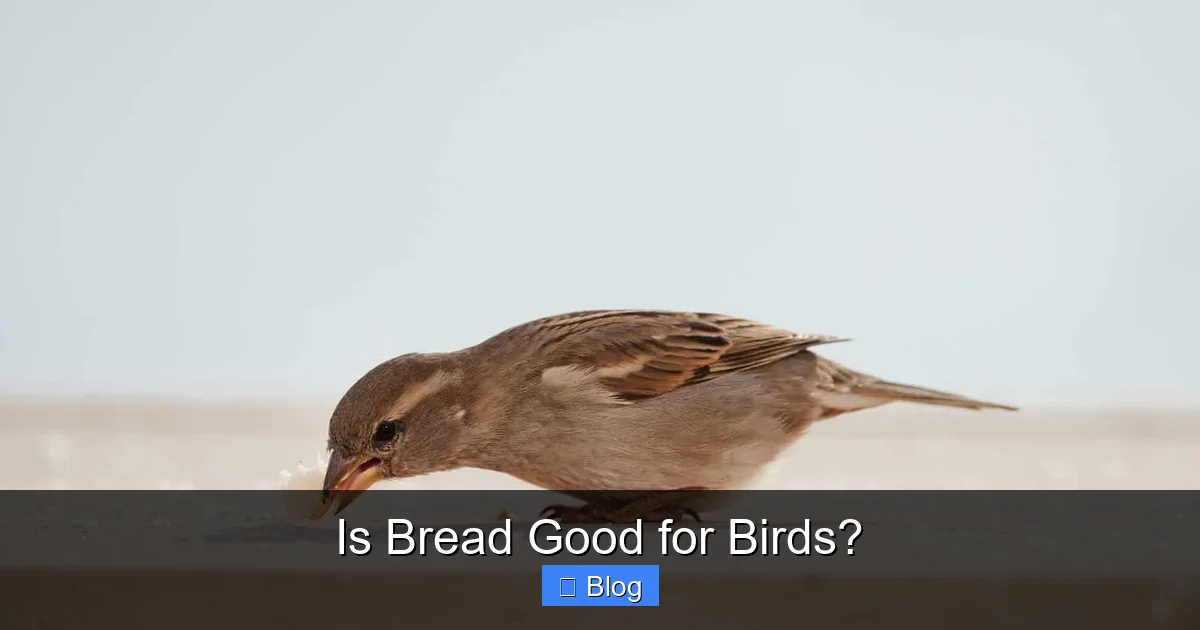
Visual guide about Is Bread Good for Birds?
Image source: wildbirdscoop.com
Bloating and Crop Impaction
When birds eat bread, it can swell in their digestive tract, particularly in their crop – a pouch used for temporarily storing food before digestion. This swelling can cause bloating and discomfort, leading to a feeling of false fullness. If a bird fills its crop with bread, it may not seek out other, more nutritious foods, leading to malnutrition over time. In severe cases, particularly with dry bread, it can lead to crop impaction, where the bread forms a solid mass that the bird cannot digest, which can be fatal.
Malnutrition and Developmental Problems
A diet heavily reliant on bread can lead to chronic malnutrition. Young birds are especially vulnerable. Without proper nutrients, chicks may develop poorly, leading to weaker bones, stunted growth, and compromised immune systems. This weakens their ability to survive in the wild.
“Angel Wing” in Waterfowl
One particularly tragic consequence of feeding bread to waterfowl (ducks, geese, swans) is a condition called “angel wing.” This is a severe and irreversible deformity where one or both of a bird’s wings twist outwards instead of lying flat against the body. It’s primarily caused by a diet too high in carbohydrates and protein and too low in essential vitamins (like D and E) and minerals (like calcium and manganese) during critical growth periods. Bread’s nutritional profile perfectly matches this problematic diet. Birds with angel wing cannot fly, making them extremely vulnerable to predators and unable to migrate, significantly reducing their chances of survival.
Environmental and Behavioral Consequences of Bread Feeding
The impact of feeding bread extends beyond individual bird health, affecting entire ecosystems and bird populations.
Dependency and Loss of Natural Foraging Skills
When birds are consistently fed by humans, especially easy-to-access foods like bread, they can become dependent on this readily available food source. This can cause them to lose their natural instinct to forage for appropriate wild foods, reducing their ability to survive independently. If human feeding stops, these birds may struggle to find food and starve. It also disrupts their natural migration patterns if they rely on human handouts instead of preparing for long journeys.
Aggression and Overcrowding
Areas where birds are regularly fed bread often attract large numbers of birds, leading to overcrowding. This can increase competition for food and territory, resulting in aggressive behavior among birds that wouldn’t normally interact so closely. Fights can break out, leading to injuries and stress.
Spread of Disease
Overcrowding also facilitates the rapid spread of diseases. When many birds congregate in one spot, they are more likely to transmit parasites and pathogens to each other. Leftover, soggy bread can also become a breeding ground for harmful bacteria and mold, which can make birds very sick if ingested.
Water Pollution and Pest Attraction
Uneaten bread, particularly around ponds and lakes, can sink and decompose. This decomposition process consumes oxygen in the water, which is vital for fish and other aquatic life. It can also lead to an increase in harmful algae blooms, degrading water quality and impacting the entire aquatic ecosystem. Furthermore, discarded bread attracts unwanted pests like rats, mice, and insects, which can carry their own diseases and become a nuisance to humans and a threat to birds.
What About Different Types of Bread? Is Any Bread Good for Birds?
You might be wondering if certain types of bread are better than others. Perhaps whole wheat bread, or a crust, or stale bread?
White, Whole Wheat, Seeded – All Problematic
Unfortunately, the answer remains largely the same across the board. While whole wheat bread might seem like a healthier option for humans, offering more fiber and some nutrients than white bread, it still contains high levels of carbohydrates and lacks the comprehensive nutritional profile birds need. The same goes for seeded bread – while the seeds themselves are good, the bread holding them is not. Even stale bread poses the same issues and can potentially harbor mold if left out too long.
The bottom line is that the fundamental composition of bread – its high carbohydrate content, low protein and fat, and lack of essential micronutrients – makes it unsuitable for birds, regardless of its type. Adding ingredients like sugar, salt, or preservatives (common in many commercially produced breads) only makes it worse.
So, What *Can* You Feed Birds? Healthy Alternatives They’ll Love!
Now that we understand why bread is not good for birds, let’s focus on what truly benefits them! There are many fantastic, bird-friendly foods you can offer that provide real nutritional value.
Seeds: A Bird’s Best Friend
Seeds are the cornerstone of a healthy bird feeding station. Different bird species prefer different types of seeds, so offering a variety is best:
- Black Oil Sunflower Seeds (BOSS): These are often called the “king” of bird seeds. They have thin shells, making them easy for most birds to crack, and are packed with healthy fats and protein.
- Nyjer (Thistle) Seeds: Tiny and rich in oil, these are a favorite of finches (like goldfinches) and siskins. They require a special feeder.
- Safflower Seeds: A good choice if you want to deter squirrels and larger, more aggressive birds, as many smaller birds like cardinals and grosbeaks enjoy them.
- Millet: Often found in mixed seed blends, millet is a small seed preferred by ground-feeding birds like sparrows, juncos, and doves.
Suet: Energy for the Cold
Suet is rendered animal fat, and it’s an excellent high-energy food, especially valuable during colder months when birds need extra calories to stay warm. You can buy suet cakes (often mixed with seeds or nuts) and place them in special suet feeders. Woodpeckers, nuthatches, chickadees, and wrens love suet.
Nuts: A Special Treat
Unsalted, shelled peanuts or chopped walnuts and pecans are great sources of protein and healthy fats. Offer them in a specialized nut feeder or on a platform feeder. Just be sure they are unsalted and unroasted.
Fruits and Vegetables: A Healthy Boost
Many birds enjoy fresh fruits and vegetables. Offer small pieces of:
- Apples: Cored and chopped.
- Oranges: Halved or sliced.
- Grapes: Halved.
- Berries: Blueberries, raspberries, cranberries.
- Melon: Small pieces (no seeds).
- Corn: Cracked corn or corn on the cob (unsalted, raw).
- Peas and Carrots: Small, cooked pieces.
Always remove any uneaten fruit or vegetables quickly to prevent spoilage and mold growth.
Insects: Natural Protein Powerhouses
Many backyard birds are insectivores or omnivores. Offering live or dried mealworms is a fantastic way to provide essential protein, especially for species like bluebirds, robins, and wrens. You can find mealworms at most pet stores or online.
Best Practices for Responsible Bird Feeding
Feeding birds can be a wonderful hobby, but it’s important to do it responsibly to ensure you’re helping, not harming. Remember, the question “Is bread good for birds?” has a clear answer, so let’s apply that knowledge positively.
Hygiene is Key
Regularly clean your bird feeders with a mild bleach solution (one part bleach to nine parts water), rinse thoroughly, and let them dry completely before refilling. This prevents the buildup of harmful bacteria and mold, which can make birds sick.
Fresh Food, Small Portions
Only put out as much food as birds can eat in a day or two to prevent spoilage. Remove any uneaten or damp food promptly. Stale or moldy food is dangerous for birds.
Provide Fresh Water
A source of fresh, clean water is just as important as food. A bird bath, regularly cleaned and refilled, will attract a wider variety of birds.
Observe and Learn
Take the time to observe the birds that visit your feeders. What do they prefer? Are there specific species that seem to be struggling? Learning about your local bird populations will help you tailor your feeding efforts for maximum benefit.
Avoid Attracting Pests
Keep the area around your feeders clean to deter rodents. Store bird seed in pest-proof containers.
Conclusion: Choose Wisely for Our Feathered Friends
The intention behind offering bread to birds often comes from a place of kindness and a desire to help. However, as we’ve explored, the answer to is bread good for birds? is a firm no. What seems like a harmless treat can lead to severe nutritional deficiencies, digestive problems, developmental deformities like “angel wing,” and broader ecological issues such as dependency, disease spread, and pollution.
Instead of reaching for that loaf of bread, choose to provide truly beneficial foods like seeds, suet, nuts, and fresh fruits. By making informed choices, maintaining clean feeding stations, and understanding the specific needs of our local bird populations, we can ensure that our efforts genuinely support the health and survival of these beautiful and vital creatures. Let’s feed them well, and watch them thrive!
🎥 Related Video: Is Bread Good For Birds?
📺 ColesWildBirdProducts
http://coleswildbird.com/ Is it alright to feed birds bread? Richard Cole, bird expert, will let you know. Visit http://coleswildbird.com/ …
Frequently Asked Questions
What are the immediate risks of feeding bread to birds?
The immediate risks include bloating and digestive discomfort as the bread swells in their crop. In very young or already weakened birds, it can lead to immediate energy crashes or even choking if the pieces are too large and dry.
Can feeding bread to birds affect their ability to fly?
Yes, especially in waterfowl, a diet predominantly of bread can lead to “angel wing,” a permanent deformity that prevents birds from flying. In other birds, chronic malnutrition from a bread-heavy diet can weaken muscles and bones, impacting their flight capabilities over time.
Is it ever okay to feed a tiny amount of bread to birds as a treat?
While a tiny, occasional crumb might not cause immediate harm, it’s generally best to avoid feeding bread altogether. It establishes an unhealthy expectation and reinforces the idea that it’s suitable food, which could lead others to feed larger, more harmful amounts.
What is the best type of bird feeder for healthy bird food?
The best type of feeder depends on the food you’re offering and the birds you want to attract. Tray or platform feeders work well for mixed seeds and nuts, tube feeders for sunflower and nyjer, and suet cages for suet blocks. Always ensure feeders are easy to clean.
How can I encourage birds to eat healthier options instead of bread?
Simply stop offering bread and instead consistently provide high-quality, nutritious alternatives like black oil sunflower seeds, suet, or mealworms. Birds will eventually learn where the good food is and adapt their foraging habits to these healthier options.
Does feeding bread to birds contribute to environmental pollution?
Yes, uneaten bread can significantly contribute to environmental pollution. When it decomposes in water, it reduces oxygen levels and can foster harmful algal blooms, impacting aquatic life. On land, it attracts pests like rats and can contribute to the spread of diseases.