
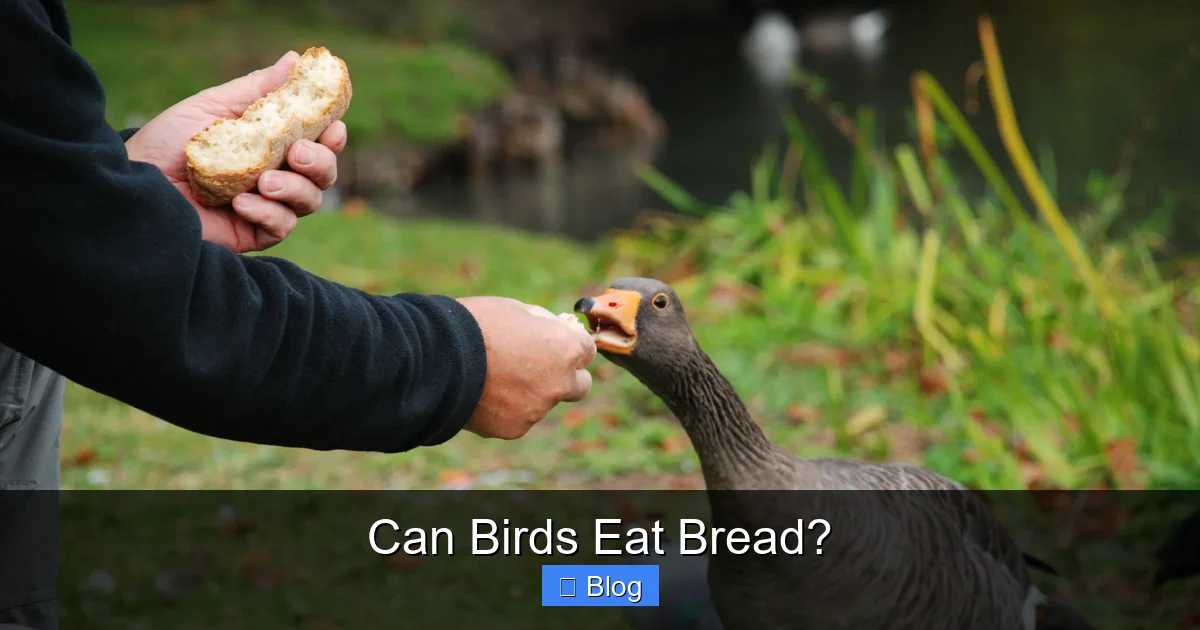
Feeding birds bread, while a common practice, is generally not recommended. Bread offers very little nutritional value for birds, essentially filling their tiny stomachs with empty calories that can lead to malnutrition and digestive problems. It’s far better to offer natural, nutrient-rich foods that truly support their health and well-being.
The sight of a bird pecking at a piece of bread you’ve tossed their way might seem harmless, even heartwarming. For generations, people have shared their leftovers with feathered friends, particularly pigeons, ducks, and geese in parks and gardens. It’s a tradition, a simple act of kindness that connects us with nature. But beneath this seemingly innocent gesture lies a complex question with significant implications for avian health: Can birds eat bread?
While birds might readily consume bread, the short answer, supported by increasing scientific consensus and wildlife expert advice, is: it’s generally not a good idea. In fact, offering bread can be detrimental to their well-being. This article will delve deep into why bread isn’t a suitable food source for birds, exploring the nutritional deficiencies, potential health risks, and environmental impacts. More importantly, we’ll guide you toward better, healthier alternatives so you can continue to enjoy feeding birds responsibly and beneficially.
Understanding what birds truly need to thrive is crucial for anyone who loves watching these magnificent creatures. Let’s unravel the facts about bread and discover how you can become a truly helpful friend to your local bird population, ensuring they receive the sustenance they need to lead long, healthy lives.
Key Takeaways
- Bread is Nutritionally Poor: Bread provides minimal essential nutrients like protein, fats, and vitamins that birds need for energy, growth, and survival. It’s mostly empty calories.
- Risk of Malnutrition: Filling up on bread can leave birds feeling full without absorbing vital nutrients, leading to malnutrition, especially in developing young birds.
- Digestive Issues: Dry bread can expand in a bird’s stomach, potentially causing crop impaction or blockages. Moldy bread is toxic and dangerous.
- “Angel Wing” Deformity: A diet high in carbohydrates and low in essential vitamins (like Vitamin D, E, and manganese), often seen when waterfowl are fed large amounts of bread, can contribute to “angel wing,” a permanent wing deformity.
- Environmental Concerns: Uneaten bread can attract rodents and pests, promote the growth of harmful algae in water, and pollute natural habitats.
- Behavioral Changes: Regular feeding of bread can make birds dependent on human handouts, reducing their natural foraging instincts and ability to find food independently.
- Healthy Alternatives Exist: Instead of bread, offer suitable alternatives like black oil sunflower seeds, nyjer seeds, millet, cracked corn, fresh fruit pieces, suet, or mealworms for a truly beneficial treat.
Quick Answers to Common Questions
Can wild birds eat bread safely?
No, wild birds cannot eat bread safely. While they might consume it, bread offers little nutritional value and can lead to malnutrition, digestive issues, and a dependency on human handouts, hindering their natural foraging abilities.
What happens if a bird eats too much bread?
If a bird eats too much bread, it can experience malnutrition due to empty calories, digestive blockages (crop impaction), and in young waterfowl, a debilitating condition called “angel wing” that prevents flight.
Is all bread bad for birds, including whole wheat?
Yes, all types of bread, including whole wheat, white, and brown bread, are generally considered bad for birds. While whole wheat might offer slightly more fiber, it still lacks the essential nutrients birds need and poses the same risks of crop impaction and malnutrition.
What should I feed birds instead of bread?
Instead of bread, offer nutritious alternatives like black oil sunflower seeds, nyjer seeds, cracked corn, white millet, unsalted peanuts, fresh fruit pieces, suet, or live or dried mealworms.
Can very small pieces of bread be given to birds?
Even very small pieces of bread should be avoided. While less likely to cause immediate impaction, they still offer negligible nutritional value and contribute to the overall problem of birds filling up on empty calories. It’s always better to offer a truly beneficial food item.
📑 Table of Contents
The Harsh Truth: Why Bread is Bad for Birds
While birds *can* technically ingest bread, it offers very little in the way of beneficial nutrition. Think of it like a human eating only fast food – it might fill you up, but it won’t provide the vitamins, minerals, and other essential nutrients your body needs to function properly. For birds, this problem is magnified due to their high metabolism and specific dietary requirements.
Empty Calories and Nutritional Deficiency
Bread is primarily composed of carbohydrates, lacking the vital proteins, healthy fats, vitamins, and minerals that birds require. These nutrients are essential for energy, feather growth, strong bones, reproductive success, and overall immune function. When a bird fills its stomach with bread, it feels full but doesn’t get the necessary building blocks for health. This is particularly problematic for young birds, who need a nutrient-dense diet for proper development. An ongoing diet of bread can lead to severe malnutrition, leaving them weak, susceptible to disease, and unable to thrive. It’s like offering a child a plate of candy instead of a balanced meal; it tastes good, but it starves them of what they truly need.
Digestive Problems and Crop Impaction
Birds have unique digestive systems. Many species have a “crop,” a pouch in their esophagus where food is softened and stored before digestion. Dry bread, when ingested, can absorb moisture and swell significantly within the crop or stomach. This expansion can lead to a condition known as crop impaction, a painful and often fatal blockage that prevents the bird from consuming or digesting other foods. Even if it doesn’t cause a full blockage, the dense, doughy consistency of wet bread can be difficult for their system to process efficiently.
Mold and Contamination Risks
Leaving bread out in the elements quickly leads to it becoming moldy. Moldy bread is extremely dangerous for birds, as it can contain mycotoxins which are toxic and can cause serious illness or death. Even stale bread can harbor harmful bacteria that can make birds sick. Often, people unknowingly offer stale or moldy pieces, thinking it’s better than nothing, but in reality, it’s far worse.
Specific Risks to Waterfowl: The “Angel Wing” Deformity
Visual guide about Can Birds Eat Bread?
Image source: birdbonica.com
One of the most widely recognized and heartbreaking consequences of feeding bread to birds, especially ducks and geese, is a condition called “angel wing.” This is a permanent deformity where one or both wings twist outwards, preventing the bird from flying.
What is Angel Wing?
Angel wing, also known as carpal valgus, occurs when the last joint of the wing (the carpus) is malformed and causes the primary flight feathers to point sideways instead of lying flat against the body. It’s a metabolic bone disease primarily caused by a diet too high in calories and protein (relative to other nutrients), and deficient in essential vitamins like D and E, and minerals such as manganese. Bread, being high in carbohydrates and low in these critical nutrients, perfectly fits the profile of a diet that contributes to this condition.
How Bread Contributes to Angel Wing
When young waterfowl are fed bread during their crucial developmental stages, they grow too quickly, and their bones and feathers develop improperly. The rapid, unbalanced growth, coupled with a lack of vital nutrients, puts immense stress on their developing skeletal system. The wing bones become weak and twisted, leading to the irreversible angel wing deformity. Affected birds cannot fly, making them vulnerable to predators, unable to migrate, and less likely to find natural food sources, significantly impacting their quality of life and survival chances. While bread isn’t the *sole* cause, it is a major contributing factor due to its poor nutritional profile when offered in abundance.
Behavioral and Environmental Consequences
The problems with feeding bread extend beyond individual bird health. It can have broader ecological and behavioral impacts on bird populations and their surrounding environments.
Dependency and Loss of Natural Foraging Skills
When birds are regularly fed bread by humans, they can become dependent on these easy handouts. This reduces their natural foraging instincts and skills, which are crucial for finding diverse, natural food sources. If human feeding suddenly stops, these birds may struggle to find food independently, especially during harsh weather conditions or when natural food is scarce. This dependency can alter migration patterns and even population distributions, as birds congregate in areas where food is readily available, often leading to overcrowding and increased competition.
Overcrowding and Disease Spread
Concentrations of birds in areas with frequent bread feeding can lead to overcrowding. This close proximity increases stress levels among birds and facilitates the rapid spread of diseases. A single sick bird can quickly infect an entire flock, leading to localized epidemics that can decimate populations. Pathogens in droppings left by large numbers of birds can also contaminate the environment.
Pest Attraction and Pollution
Uneaten bread doesn’t just sit there; it attracts unwanted guests. Rodents like rats and mice, as well as insects, are drawn to easy food sources. These pests can carry diseases and become a nuisance to humans and a threat to birds. Furthermore, when bread is tossed into water bodies for ducks and geese, it doesn’t always get eaten. The soggy pieces can decompose, leading to an increase in harmful algae blooms. These blooms deplete oxygen levels in the water, harming fish and other aquatic life, and can produce toxins that are dangerous to birds and other animals. This pollution disrupts the delicate balance of aquatic ecosystems.
What *Can* Birds Eat? Healthy Alternatives to Bread
So, if you want to feed birds, what are the best options? The key is to offer foods that mimic their natural diet, providing the essential nutrients they need. Here are some excellent, bird-safe alternatives:
Seeds: The Gold Standard
* Black Oil Sunflower Seeds (BOSS): These are hands down the most popular and nutritious seeds for a wide variety of birds. Their thin shells are easy for smaller birds to crack, and their high oil content provides excellent energy.
* Nyjer (Thistle) Seeds: A favorite of finches (like goldfinches and house finches), these tiny, black seeds are rich in oil. They require a special feeder to prevent waste.
* White Millet: Primarily enjoyed by ground-feeding birds such as sparrows, juncos, and doves.
* Cracked Corn: Another good option for ground feeders and larger birds like jays and doves. Use in moderation as it can attract pests.
* Safflower Seeds: A good alternative for cardinals, grosbeaks, and doves, as squirrels and blackbirds typically don’t like them.
Fruits and Vegetables: A Healthy Treat
* Fresh Fruit Pieces: Offer small pieces of apples (remove seeds), berries (blueberries, raspberries), grapes (halved), or oranges. These provide vitamins and hydration.
* Vegetable Scraps: Cooked peas, corn (off the cob), or even finely chopped carrots can be offered in tiny amounts. Avoid anything seasoned or processed.
Suet: High-Energy Fat Source
Suet is rendered animal fat, an excellent high-energy food, especially valuable during cold winter months. It’s available in cakes or plugs and is a favorite of woodpeckers, nuthatches, chickadees, and wrens. Make sure to use suet specifically designed for birds, as human suet often contains salt and seasonings.
Insects and Worms: Natural Protein
* Mealworms: Dried or live mealworms are a fantastic source of protein, especially appreciated by insectivorous birds like bluebirds, robins, and wrens, and are great for feeding parents during nesting season.
* Cricket Pieces: Similar to mealworms, these offer vital protein.
Other Safe Options
* Peanuts (Unsalted, Unshelled): Offer whole or shelled unsalted peanuts for jays, woodpeckers, and nuthatches. Never use flavored or roasted peanuts intended for human consumption.
* Oats (Rolled or Quick): Plain, uncooked oats (not instant oatmeal with additives) can be offered to some ground feeders.
* Nectar: For hummingbirds, a simple solution of 1 part white sugar to 4 parts water (boiled and cooled) in a clean hummingbird feeder is perfect. Never use honey or artificial sweeteners.
Responsible Bird Feeding Practices
Once you know *what* to feed, it’s equally important to know *how* to feed birds responsibly. Your goal should always be to supplement their natural diet, not replace it.
Moderation is Key
Offer small quantities of food at a time. This prevents spoilage and discourages pests. If food remains uneaten after a day or two, reduce the amount you’re offering.
Keep Feeders Clean
Regularly clean your bird feeders with a mild bleach solution (1 part bleach to 9 parts water), rinse thoroughly, and air dry completely. This prevents the buildup of bacteria, mold, and other pathogens that can cause disease. Dirty feeders are disease hotspots.
Choose the Right Location
Place feeders in a safe location, away from potential predators like cats, and ideally near natural shelter (trees or shrubs) where birds can escape. Ensure you have clear sightlines to enjoy watching them!
Provide Fresh Water
A clean, fresh water source is just as important as food. A bird bath, regularly cleaned and refilled, will attract a wider variety of birds and help them stay hydrated and clean.
Avoid Processed and Human Foods
Steer clear of foods like chips, cookies, chocolate, salted nuts, avocado, onions, garlic, coffee grounds, and anything containing artificial sweeteners or dyes. These are harmful or even toxic to birds. Stick to natural, raw, and unprocessed foods.
Consider the Season
Adjust your feeding efforts based on the season. Birds often need more high-energy foods like suet and seeds in winter, while insects and fruits are more available in warmer months. In spring, nesting birds benefit greatly from protein-rich options like mealworms.
Observe and Learn
Pay attention to which birds visit your feeders and what they prefer. This will help you tailor your offerings to the local avian population, making your feeding efforts more effective and enjoyable. If you notice sick birds, stop feeding immediately and clean your feeders thoroughly to prevent further spread of illness.
Conclusion: Be a Responsible Friend to Birds
The question “Can birds eat bread?” might seem simple, but the answer reveals a deeper responsibility. While our intentions are often good, feeding birds bread does more harm than good, contributing to nutritional deficiencies, physical deformities like angel wing, and broader environmental problems. It’s a classic case of misplaced kindness.
Fortunately, there are many safe, healthy, and beneficial ways to support your local bird populations. By offering a variety of appropriate foods like seeds, fruits, suet, and mealworms, and by practicing responsible feeding habits – keeping feeders clean and offering food in moderation – you can truly enhance the lives of these beautiful creatures. Let’s shift away from outdated practices and embrace methods that genuinely contribute to the health and vitality of our feathered friends. Your birds will thank you for it, not just with their presence but with their vibrant health.
🎥 Related Video: Can Birds Eat Bread? The Surprising Truth About Bread’s Impact on Birds 🐦🥖 #birdingtips #birding
📺 BirdingNow
Wondering if it’s okay to feed bread to birds in your backyard? Birds might peck at bread eagerly, but is it really good for them?
Frequently Asked Questions
Is it okay to feed ducks bread occasionally?
It is generally best to avoid feeding ducks bread even occasionally. While a tiny amount might not cause immediate harm, it sets a precedent for dependency and can contribute to the “angel wing” deformity in young birds, which is irreversible.
Why do birds eat bread if it’s bad for them?
Birds eat bread because they are opportunistic feeders and it’s an easy, readily available source of calories. However, their instincts don’t tell them what is nutritionally beneficial for their long-term health, only what provides immediate energy.
Can bread make birds sick?
Yes, bread can make birds sick. It can cause malnutrition, digestive blockages, and if moldy, can lead to fatal poisoning due to mycotoxins. A poor diet can also weaken their immune system, making them more susceptible to other illnesses.
Are breadcrumbs safe for birds?
Breadcrumbs are not safe for birds for the same reasons whole bread is not. They still lack essential nutrients and can cause issues like crop impaction when moistened in a bird’s digestive system. They also quickly become moldy when left outside.
What are the best seeds to feed garden birds?
The best seeds for garden birds are black oil sunflower seeds, nyjer (thistle) seeds for finches, and white millet for ground feeders. A good quality wild bird seed mix that is heavy on these seeds and light on fillers like milo is also a good option.
Does feeding birds bread attract pests?
Yes, feeding birds bread, especially in large quantities, often attracts pests like rats, mice, and various insects. These pests are drawn to easy food sources and can become a nuisance while also potentially spreading diseases to birds and humans.