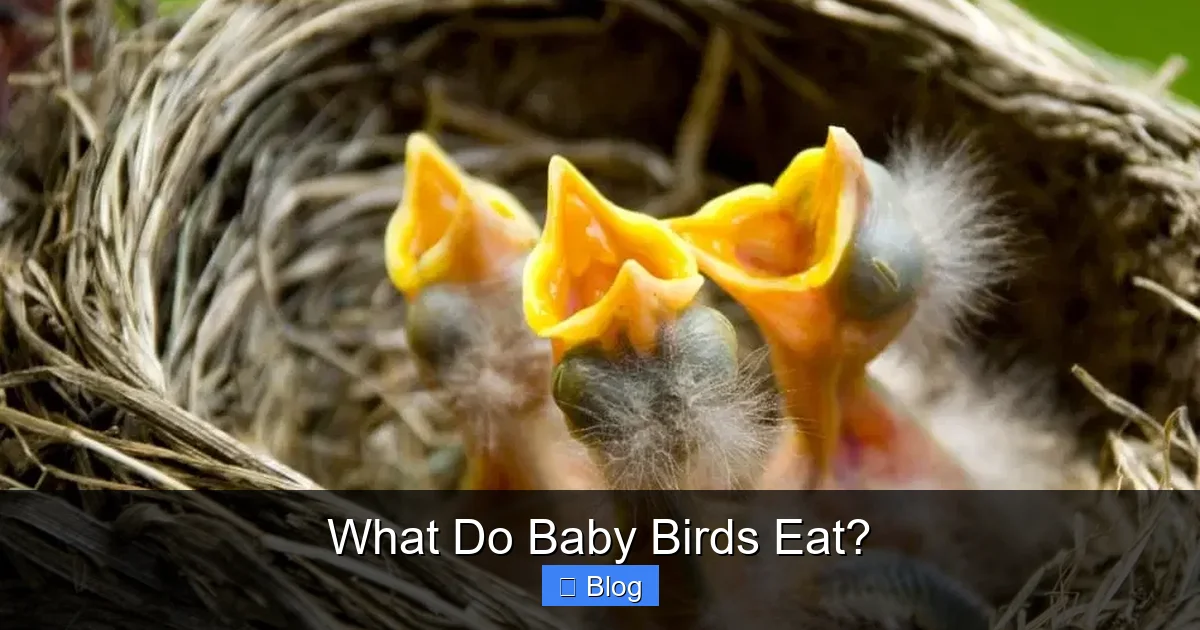
Baby birds have incredibly specific dietary needs that vary by species, age, and development stage. Primarily, most nestlings rely on a diet rich in protein, often consisting of insects like caterpillars, crickets, and spiders, brought to them by their diligent parents. As they grow, their diet might shift to include seeds, berries, or even nectar, always provided by their adult caregivers until they fledge and learn to forage independently.
What Do Baby Birds Eat?
Have you ever stumbled upon a tiny, chirping bundle of feathers, perhaps a clumsy fledgling hopping about, or an even tinier, almost naked nestling tucked precariously out of its nest? It’s an encounter that stirs something primal within us – a strong urge to help. And often, the first question that springs to mind is: “What do baby birds eat?”
This is a wonderful question, and understanding the answer is absolutely crucial for the well-being of these fragile creatures. Baby birds grow at an astonishing rate, sometimes doubling their weight in just a few days! This rapid development demands an incredibly specific and nutrient-rich diet, usually delivered with tireless dedication by their parent birds. While our intentions are good, human intervention often does more harm than good, especially when it comes to feeding. Let’s delve into the fascinating world of avian diets and discover what do baby birds eat in the wild.
The answer to “what do baby birds eat?” isn’t a simple one-size-fits-all. Just like human babies have different needs than toddlers or teenagers, baby birds of different species and at various stages of development require distinct types of food. From protein-packed insects to tiny seeds and sweet nectar, nature has perfectly designed the menu for each little one. Our journey into this topic will equip you with the knowledge to appreciate their intricate diets and, more importantly, to know how best to act if you ever encounter a baby bird in need.
Key Takeaways
- Dietary Diversity: What baby birds eat varies significantly by species, from insect-heavy meals to seeds, fruits, or even nectar.
- Protein Power: For most species, especially during their early, rapid growth phases, baby birds require a diet extremely rich in protein, primarily supplied by insects.
- Parents Know Best: Adult birds are experts at finding and delivering the precise nutrition their young need; human intervention with feeding is almost always detrimental without professional guidance.
- Never Feed Bread or Milk: These common human foods are harmful, lacking essential nutrients, and can cause severe digestive problems or aspiration in baby birds.
- Stage-Specific Needs: The diet and feeding frequency change as a baby bird develops from a helpless hatchling to a mobile fledgling learning to forage independently.
- Fledgling vs. Nestling: A healthy fledgling found outside the nest generally does not need help, while a nestling (featherless or with sparse feathers) requires immediate assistance, ideally from a wildlife rehabilitator.
- Professional Help is Key: If you find an orphaned or injured baby bird, the best course of action is always to contact a licensed wildlife rehabilitator, as they have the expertise to provide proper care.
Quick Answers to Common Questions
What is the primary food source for most baby birds?
For the vast majority of baby songbirds, insects (like caterpillars, crickets, and spiders) are the primary food source due to their high protein and fat content essential for rapid growth.
Can I feed a baby bird bread?
No, you should never feed a baby bird bread. It offers no nutritional value, can swell in their stomachs, cause blockages, and is a choking hazard.
What’s the difference between a nestling and a fledgling?
A nestling is a very young, often featherless or sparsely feathered bird that is confined to the nest. A fledgling is an older baby bird, mostly feathered, that has left the nest and is learning to fly and forage, but is still cared for by its parents.
Should I give water to a found baby bird?
No, giving water directly to a baby bird with a dropper is very dangerous as it can easily enter their lungs, causing fatal aspiration pneumonia. Baby birds get enough hydration from the food their parents provide.
Who should I call if I find an orphaned baby bird?
If you find an orphaned or injured baby bird, you should immediately contact a licensed wildlife rehabilitator in your area. They have the expertise and proper resources to provide specialized care.
📑 Table of Contents
The Universal Truth: Parents Know Best
The most fundamental truth about what baby birds eat is that their parents are the absolute experts. They dedicate themselves entirely to finding, preparing, and delivering the precise nutrition their offspring require. This parental care is a marvel of nature, showcasing incredible instinct and tireless effort.
The Dedicated Parent Feeders
Imagine a tiny parent bird, barely larger than your thumb, making hundreds of foraging trips a day. That’s the reality for many species. Male and female parent birds often work together, constantly searching for food. They understand instinctively what do baby birds eat for optimal growth and health. They aren’t just bringing any food; they’re bringing the *right* food. This commitment ensures the babies receive a consistent supply of nourishment tailored to their exact needs.
How Parents Deliver the Goods
Most baby birds are fed through a process called regurgitation or by directly receiving whole or partially processed food items. The parent bird collects food, sometimes storing it in a pouch called a gular sac or crop, and then brings it back to the nest. When a baby bird gapes (opens its mouth wide and brightly colored inside), the parent carefully places the food directly into its throat. This method ensures the food is swallowed efficiently and safely. The skill involved in this is extraordinary – adult birds instinctively know how to avoid choking their young, a precision humans often lack.
Why Parental Care is Irreplaceable
The diet provided by parent birds offers an unparalleled balance of proteins, fats, carbohydrates, vitamins, and minerals. Replicating this exact nutritional profile is nearly impossible for humans. Moreover, parents also teach their fledglings essential foraging skills. They demonstrate how to identify edible items, where to find them, and how to capture them if they are insects. This learning phase is critical for survival once the young birds become independent. Without this vital teaching, even if a baby bird is fed, its chances of long-term survival in the wild are significantly reduced. Understanding what baby birds eat involves recognizing the entire ecosystem of parental care.
A Smorgasbord of Sustenance: What Do Baby Birds Eat (By Type)?
The question “what do baby birds eat?” becomes more complex when considering the vast diversity of bird species. Different birds have evolved to thrive on different diets, and their babies reflect this specialization.
Insectivores: The Protein Powerhouses
For the vast majority of songbirds – robins, wrens, sparrows, warblers, and swallows, to name just a few – insects form the cornerstone of their baby birds’ diets. Why insects? They are packed with protein, fats, and other essential nutrients crucial for rapid growth and feather development. Caterpillars, crickets, grasshoppers, spiders, beetles, and various insect larvae are common menu items. Parent birds often soften these insects or remove hard parts before feeding them to their young. This emphasis on protein answers what do baby birds eat during their most critical developmental stage.
Practical Example: A pair of American Robins might bring thousands of earthworms and beetle grubs to their nestlings over the course of just a few weeks. The high protein content ensures the babies grow strong muscles and develop robust feathers quickly, preparing them for their first flight.
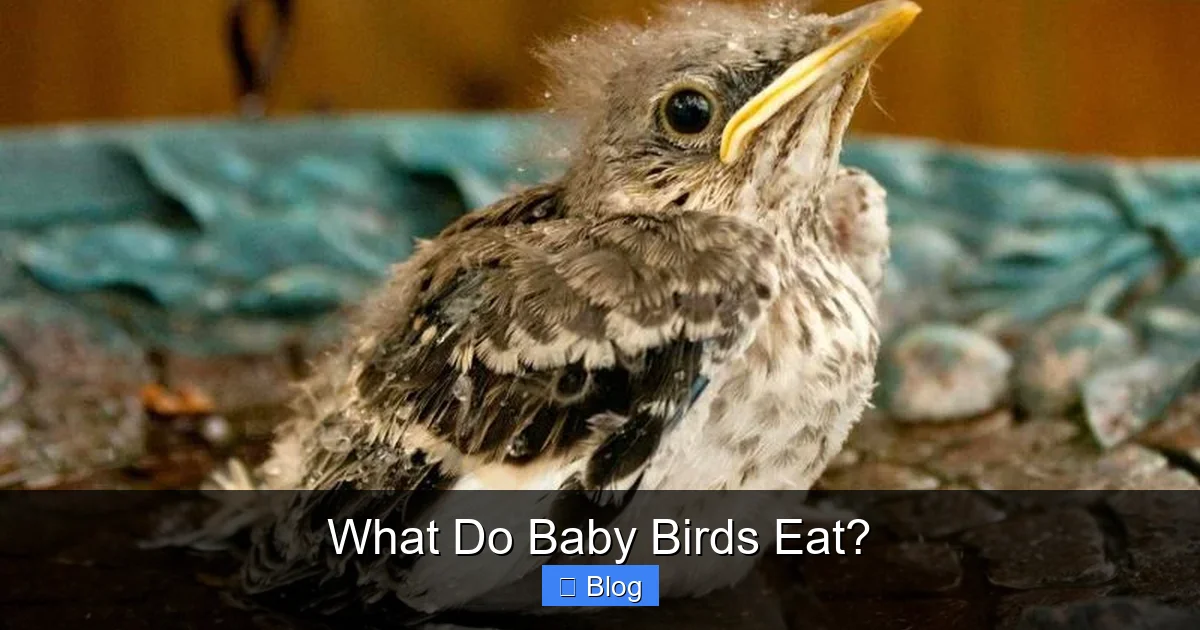
Visual guide about What Do Baby Birds Eat?
Image source: dailybirder.com
Granivores: Seed Eaters
While adult granivores (seed-eating birds like finches, sparrows, and doves) primarily eat seeds, their babies often start with a mix of insects and softened seeds. As they grow, their diet shifts more towards seeds. Parent birds will typically hull and often soften seeds in their crop before regurgitating them for their young. This process makes the seeds digestible for the babies. So, what do baby birds eat if they’re seed-eaters? A combination, shifting over time.
Frugivores: Fruit Lovers
Birds like orioles, cedar waxwings, and certain thrushes are frugivores, meaning fruit makes up a significant portion of their diet. Their babies will also be fed fruits, often mashed or partially digested by the parents, alongside a healthy dose of insects for protein. The insects are especially vital in the early stages, while fruits provide sugars and other vitamins as they mature.
Nectarivores: Sweet Sips
Hummingbirds are a perfect example of nectarivores. Their diet, both as adults and babies, primarily consists of nectar. However, even hummingbird babies need protein for growth. Parent hummingbirds will catch tiny insects and spiders, regurgitating them along with nectar for their young. So, for a hummingbird, what do baby birds eat? Nectar, but always supplemented with those tiny insect protein bombs.
Carnivores/Piscivores: The Hunters
Birds of prey (like hawks and owls) and fish-eating birds (like ospreys and kingfishers) feed their young exactly what they catch for themselves: meat. This could be small mammals, other birds, reptiles, or fish. The parents tear off small, manageable pieces of flesh for their hatchlings, gradually providing larger pieces as the babies grow stronger. These species demonstrate a very clear answer to what do baby birds eat – miniature versions of adult meals.
Stage by Stage: Dietary Needs as They Grow
A baby bird’s diet isn’t static. It changes significantly as they progress from a helpless hatchling to an independent adult. This evolution in what do baby birds eat is fascinating.
Hatchlings: Tiny, Helpless, and Hungry
Newly hatched birds are often featherless or have only sparse down. They are completely dependent on their parents. Their digestive systems are incredibly delicate. At this stage, what do baby birds eat? Mostly soft, easily digestible insects or regurgitated food that has been pre-processed by the parents. They need constant feeding – every 15-20 minutes during daylight hours for many species! This frequent intake of high-protein food allows for their astounding growth.
Nestlings: Rapid Growth, Constant Demand
As hatchlings grow into nestlings, they start developing feathers, their eyes open, and they become more active. Their appetite seems insatiable! The parents continue to bring large quantities of insects, worms, and sometimes seeds or berries, depending on the species. This is the period of most rapid growth and feather development, so the diet remains intensely protein-focused. Understanding what do baby birds eat at this stage is all about understanding their incredible energy demands.
Fledglings: Learning to Forage
Fledglings are young birds that have left the nest but are not yet fully independent. They often have full feathers and can hop, flutter, and take short flights. During this stage, parents are still actively feeding them, but they also begin to teach their young how to forage for themselves. The parents might drop food items near the fledgling, encouraging it to pick them up, or demonstrate how to hunt for insects or crack seeds. What do baby birds eat at this stage? A mix of parent-provided meals and self-found snacks, with the balance shifting towards self-sufficiency. This transition is crucial for their survival.
The Dangers of Human Intervention: What NOT to Feed Baby Birds
This is where good intentions can go very wrong. While it’s tempting to feed a found baby bird, offering the wrong food is incredibly dangerous, and almost always fatal. Knowing what do baby birds eat naturally helps us understand why human food is so harmful.
Why Bread is Bad
This is perhaps the most common mistake. People often think bread is a benign and readily available food. However, bread, crackers, and similar baked goods are nutritional wasteland for baby birds. They offer virtually no protein, fat, or essential vitamins. They can fill a baby bird’s stomach, leading to a false sense of fullness while providing no sustenance. Moreover, bread can swell in the bird’s digestive system, causing blockages, and its texture can make it very difficult to swallow, posing a choking hazard.
Milk, Water, and Other Liquids: Aspiration Risks
Another common misconception is that baby birds need water or milk. Birds do not drink milk; they lack the enzymes to digest lactose, so milk will cause severe digestive upset. Giving water directly to a baby bird with a dropper is extremely dangerous. Baby birds have a trachea (windpipe) opening at the base of their tongue. It’s incredibly easy for liquid to enter their lungs, leading to aspiration pneumonia, which is often fatal. Baby birds typically get all the hydration they need from the moisture in the food their parents provide.
The Perils of Pet Food and Scraps
While commercial pet foods (cat kibble, dog food) might seem like they contain protein, they are formulated for mammals, not birds. They often contain preservatives, spices, high salt content, and ingredients that are indigestible or even toxic to baby birds. Human food scraps – anything from cooked meat to sugary cereals – are equally inappropriate and harmful. They lack the precise balance of nutrients and can introduce bacteria or toxins.
The Importance of Nutritional Balance
The bottom line is that a baby bird’s diet needs to be precisely balanced in terms of macronutrients and micronutrients. A diet lacking protein or certain vitamins will lead to deformities, stunted growth, and organ failure. Even if a baby bird survives being fed improper food, it will likely suffer from long-term health issues and be unable to thrive in the wild. This stark reality underscores why understanding what do baby birds eat naturally is so vital.
What to Do If You Find a Baby Bird
So, you’ve found a baby bird. Before you do anything, take a deep breath. Your first instinct might be to feed it, but as we’ve learned, that’s almost always the wrong first step. The best action depends on whether it’s a nestling or a fledgling.
Is It Truly Orphaned? (Nestling vs. Fledgling)
- Nestling: A nestling is a very young bird, often featherless or with only sparse down, unable to hop or perch. If you find a nestling on the ground, it has almost certainly fallen from its nest. Its parents are likely nearby, frantically searching for it.
- Fledgling: A fledgling is an older baby bird, mostly or fully feathered, that can hop, flutter, and take short flights. Fledglings are meant to be on the ground as they learn to fly and forage. Their parents are typically nearby, keeping an eye on them and continuing to feed them, even if you don’t immediately see the adults.
The “Hands-Off” Approach
For fledglings, the best approach is often to leave them alone. If the fledgling is in immediate danger (e.g., in the middle of a road, near a cat), you can gently move it to a safe, sheltered spot nearby, perhaps under a bush or in a tree branch, where its parents can still find it. Then, observe from a distance for an hour or two. You’ll likely see the parents return.
For nestlings, if you can locate the nest and safely return the bird to it, that’s the best option. It’s a myth that parent birds will reject a baby bird touched by humans; most birds have a poor sense of smell. If the nest is destroyed or unreachable, create a makeshift nest (like a small basket with drainage holes, lined with grass) and secure it as close to the original nest site as possible in a tree. Then, watch for parent birds to return.
When to Seek Professional Help (Rehabilitators)
If a baby bird is visibly injured, bleeding, lethargic, cold, covered in ants, or if you’ve observed for several hours and are certain the parents are not returning (for a nestling), it’s time to call a professional. This is the crucial moment where understanding what do baby birds eat leads directly to seeking expert care. Contact a licensed wildlife rehabilitator in your area immediately. They have the expertise, proper equipment, and specialized diets to give the baby bird the best chance of survival. A quick search online for “wildlife rehabilitator near me” or “baby bird rescue [your city]” should yield results. Your local animal shelter or humane society can also often provide contact information.
Temporary Care Before Professional Help
If you must transport a baby bird to a rehabilitator, here’s how to do it safely:
- Provide Warmth: Place the bird in a small box or container (with ventilation holes) lined with a soft cloth. Place a warm (not hot) water bottle or a heating pad set on low under one half of the box.
- Keep it Dark and Quiet: This reduces stress. Do not handle the bird unnecessarily.
- Absolutely No Food or Water: Resist the urge to feed or water the bird. This can do more harm than good, as we’ve discussed. The most important thing at this stage is warmth and minimizing stress until it reaches a professional.
Conclusion
The question “what do baby birds eat?” opens a window into the incredible complexities of nature and the dedicated parenting strategies of birds. From protein-rich insects for the rapidly growing nestlings to carefully processed seeds or nectar for specialized species, every diet is a masterpiece of evolution.
Our role, as caring observers, is primarily one of non-interference. While our hearts prompt us to feed a seemingly helpless baby bird, the best thing we can often do is to respect the expertise of its parents or, in truly dire situations, to connect it with a licensed wildlife rehabilitator. These professionals possess the specific knowledge of what do baby birds eat, how to provide it safely, and how to prepare them for a return to their natural habitat. By understanding and respecting their delicate dietary needs, we can play our part in ensuring these tiny marvels have the best possible chance to grow, fledge, and thrive in the wild.
🎥 Related Video: From Spoon to Smile. Hand-Feeding My Baby Cockatiel’s Precious Meal.
📺 Cute funny birds shorts
Get ready to have your heart melted! In this video, I’m hand-feeding my little baby cockatiel with a spoon, and the cuteness is off …
Frequently Asked Questions
Do all baby birds eat the same thing?
No, what baby birds eat varies significantly by species. While most songbirds primarily consume insects for protein, species like finches may eat softened seeds, hummingbirds consume nectar and tiny insects, and raptors eat meat.
How often do parent birds feed their babies?
Parent birds feed their babies incredibly frequently, often every 15-20 minutes from dawn till dusk for many species. This constant supply of food is necessary to fuel their rapid growth and development.
Is it true that parents will abandon a baby bird if a human touches it?
No, this is a common myth. Most birds have a poor sense of smell and will not abandon their young if a human has touched them. If you can safely return a nestling to its nest, the parents will almost certainly continue to care for it.
What should I *never* feed a baby bird?
You should never feed a baby bird bread, crackers, milk, water directly with a dropper, human food scraps, or pet food. These items are nutritionally inappropriate, can cause digestive issues, choking, or aspiration, and are often fatal.
How can I attract birds with suitable food for their babies?
To help support parent birds in feeding their young, you can plant native plants that host caterpillars and other insects, or offer bird feeders with high-protein options like live mealworms. Avoid pesticides in your garden to protect the natural insect food supply.
Can I raise a baby bird myself?
It is generally illegal and almost always detrimental to attempt to raise a baby bird yourself without proper licensing and training. Baby birds have extremely specialized dietary, environmental, and developmental needs that only licensed wildlife rehabilitators can effectively meet, giving them the best chance for survival in the wild.