
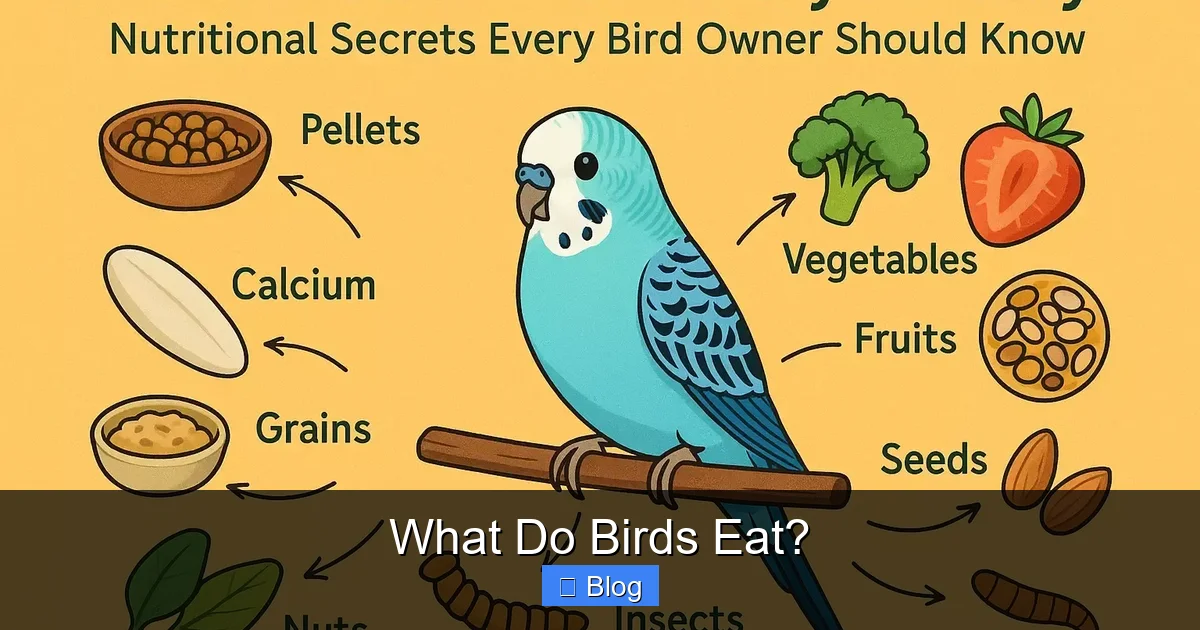
What do birds eat? The answer is incredibly diverse, depending on species, habitat, and season. From tiny seeds and juicy berries to protein-rich insects and even small vertebrates, birds have specialized diets adapted to their unique needs. Understanding these natural food sources and how to offer appropriate, safe foods helps us support our feathered friends responsibly.
What Do Birds Eat?
Have you ever paused to watch a bird in your backyard, perhaps a tiny chickadee meticulously picking at a feeder, or a robin industriously tugging a worm from the lawn? It’s a common, delightful sight, and it often sparks a simple yet profound question: what do birds eat?
The answer, as fascinating as the birds themselves, isn’t just one thing. It’s a vibrant tapestry woven from species-specific needs, seasonal availability, habitat, and even individual preferences. From the smallest hummingbird sipping nectar to the majestic hawk soaring with its prey, birds display an incredible diversity in their diets. Understanding what birds eat helps us appreciate their place in nature and, for those who love to attract them, how to offer responsible and beneficial nourishment. So, let’s embark on a journey to discover the incredible culinary world of our feathered friends!
The Incredible Diversity of Bird Diets
The question of “what do birds eat” is truly a gateway to understanding their entire ecology. There’s no single answer because the bird world is a vast, diverse place, and each species has evolved unique dietary strategies to thrive in its specific environment.
Generalists vs. Specialists
Some birds are true generalists, like crows and starlings. These adaptable eaters can consume almost anything – seeds, fruits, insects, scraps of human food, and even carrion. Their flexible diets allow them to survive in a wide range of habitats, from dense forests to bustling urban centers.
On the other end of the spectrum are the specialists. Think of a hummingbird, with its long, slender beak perfectly designed for reaching nectar deep inside flowers. Or a crossbill, whose unique, overlapping beak mandibles are ideal for prying open pine cones to extract seeds. These birds rely on specific food sources, making them more vulnerable to habitat changes or food scarcity, but also incredibly efficient at what they do.
How Diet Shapes a Bird’s Life
A bird’s diet isn’t just about what it eats; it influences everything about its life.
- Beak Shape: A strong, conical beak for cracking seeds (finches), a sharp, hooked beak for tearing meat (raptors), or a thin, pointed beak for probing for insects (woodpeckers) are all perfect examples of dietary adaptations.
- Digestive System: Birds have specialized digestive systems. Granivorous (seed-eating) birds have strong gizzards to grind tough seeds, while frugivorous (fruit-eating) birds have quicker digestive tracts to process fruits efficiently.
- Foraging Behavior: How a bird finds its food is also dictated by its diet. Some birds forage on the ground, others in trees, some hunt in flight, and still others dive into water.
- Migration: For many migratory species, the availability of food sources dictates their annual journeys. They follow the bounty of seasonal foods across continents.
So, when we ask “what do birds eat,” we’re really asking about their very essence and how they fit into the natural world.
Natural Food Sources for Birds
Let’s dive into the delicious details of what birds eat in their natural habitats. These are the foods they’ve evolved to consume and rely upon for survival and reproduction.
Seeds and Grains: The Powerhouses
Many birds are granivores, meaning their primary diet consists of seeds and grains. These are excellent sources of energy and fats, crucial for maintaining body temperature, especially in colder months.
- Examples of Seed Eaters: Finches, sparrows, jays, cardinals, doves, and various ground-feeding birds.
- Common Seeds: Sunflower seeds (black oil sunflower is a favorite), millet, nyjer (thistle) seeds, safflower, and cracked corn. Different seeds attract different species due to their size, hardness, and nutritional content.
Fruits and Berries: Nature’s Sweet Treats
Frugivorous birds enjoy the natural sugars, vitamins, and antioxidants found in fruits and berries. These are especially vital during late summer and autumn, providing energy for migration and storing fat for winter.
- Examples of Fruit Eaters: Robins, cedar waxwings, orioles, mockingbirds, and many types of thrushes.
- Common Fruits: Serviceberries, elderberries, wild grapes, dogwood berries, sumac, and chokecherries. Many garden fruits like apples, pears, and plums are also enjoyed.
Insects and Other Invertebrates: Essential Protein
Insectivorous birds rely on insects and other invertebrates for protein, especially during breeding season when growing chicks need a lot of nourishment. Insects also provide essential fats, vitamins, and minerals.
- Examples of Insect Eaters: Warblers, swallows, flycatchers, woodpeckers, nuthatches, and bluebirds. Even seed-eating birds will often supplement their diet with insects, particularly during nesting.
- Common Invertebrates: Caterpillars, beetles, ants, spiders, grasshoppers, crickets, flies, and worms.
Nectar and Pollen: Sweet Energy Boosts
Nectar is a sugary liquid produced by flowers, providing a quick source of energy. Pollen offers some protein and micronutrients.
- Examples of Nectar Eaters: Hummingbirds are the most famous nectar feeders, but orioles also enjoy it.
- Plant Sources: Trumpet vine, bee balm, cardinal flower, and many other tubular flowers.
Small Vertebrates: The Hunter’s Feast
Carnivorous birds, often known as raptors, are skilled hunters that prey on other animals. Their diets are rich in protein and fat.
- Examples of Vertebrate Eaters: Hawks, owls, eagles, falcons, and shrikes.
- Common Prey: Small mammals (mice, voles, rabbits), small birds, reptiles (lizards, snakes), amphibians (frogs), and fish.
Carrion and Scavenging: Nature’s Clean-up Crew
Some birds play a crucial role as scavengers, consuming the carcasses of dead animals. This helps clean up the environment and prevents the spread of disease.
- Examples of Scavengers: Vultures (turkey vultures, black vultures), eagles, and some gulls.
- Food Source: Deceased animals found in their habitat.
This wide array of natural foods illustrates just how perfectly adapted birds are to their environments, and just how important a healthy ecosystem is for their survival.
Seasonal Changes and Dietary Needs
The answer to “what do birds eat” isn’t static; it shifts dramatically with the seasons. Birds are incredibly opportunistic, adapting their diets to whatever is most abundant and provides the necessary nutrients for their current life stage.
Spring and Summer: Breeding and Growth
During spring and summer, the focus for most birds is reproduction. Building nests, laying eggs, and raising chicks require immense energy and specific nutrients.
- High Protein for Chicks: Young birds grow incredibly fast and need a diet rich in protein for feather development and muscle growth. This is why insect populations are so crucial during these months. Even birds that are primarily seed-eaters as adults will switch to feeding their chicks insects.
- Fats for Energy: Adult birds also need high-energy foods to fuel their constant foraging, nest building, and chick feeding.
- Fruits and Berries: As summer progresses, ripe fruits and berries become available, offering essential sugars and vitamins.
Autumn and Winter: Survival and Energy
As temperatures drop and natural food sources become scarcer, birds shift their dietary focus to survival and energy storage.
- Fat Storage for Migration: Many species prepare for long migratory journeys in autumn, needing to consume vast amounts of high-fat foods to fuel their flight.
- Warmth and Energy: Resident birds must find calorie-dense foods to maintain their body temperature in cold weather. Seeds and nuts, packed with fats and carbohydrates, become incredibly important. Suet, a rendered fat product, is a popular offering at feeders during these months for exactly this reason.
- Water: During winter, access to unfrozen water can be a challenge but is absolutely vital.
Understanding these seasonal variations helps us grasp the dynamic nature of bird diets and the critical role different food sources play throughout the year.
What About Feeding Birds in Your Backyard?
Many people love to attract birds to their backyards, and it’s a wonderful way to connect with nature. But knowing “what do birds eat” is vital for responsible backyard feeding. While feeders can supplement natural diets, they should never replace them.
The Right Seeds for the Right Birds
Not all birdseed is created equal, and different types attract different species.
- Black Oil Sunflower Seeds: Often called the “king” of birdseed, these are tiny, thin-shelled, and high in oil. They attract a wide variety of birds, including cardinals, chickadees, finches, titmice, and jays.
- Nyjer (Thistle) Seeds: These tiny, black seeds are a favorite of small finches like American Goldfinches, Pine Siskins, and Common Redpolls. They require a special feeder with small ports.
- White Proso Millet: This small, round seed is a favorite of ground-feeding birds such as sparrows, juncos, and doves.
- Safflower Seeds: A good option if you want to deter squirrels and blackbirds, as many birds like cardinals, grosbeaks, and titmice enjoy them, but squirrels often don’t.
- Cracked Corn: Attracts jays, doves, sparrows, and other ground feeders. Be mindful that it can also attract less desirable critters like mice and rats if not managed well.
- Seed Mixes: Be wary of cheap mixes that contain a lot of “filler” like red milo or wheat. Birds often kick these out, leading to waste and potential spoilage on the ground. Look for mixes primarily featuring black oil sunflower, white proso millet, and shelled peanuts.
Offering Other Treats: Suet, Nectar, and Fruit
Beyond seeds, there are other excellent options to broaden the appeal of your feeding station.
- Suet: Blocks or cakes of rendered animal fat (often beef fat) are an incredible energy source, especially in winter. Woodpeckers, nuthatches, chickadees, and wrens adore suet. You can find plain suet or varieties mixed with nuts, seeds, or insects.
- Nectar: For hummingbirds, a simple solution of sugar water (4 parts water to 1 part white granulated sugar) in a clean hummingbird feeder is perfect. Never use honey or artificial sweeteners. Orioles also enjoy nectar, often with a slightly weaker solution (6 parts water to 1 part sugar).
- Fruit: Sliced oranges, apples, or grapes can attract orioles, tanagers, and mockingbirds. Offer these on a platform feeder or impaled on a spike.
- Mealworms: Live or dried mealworms are a high-protein treat that bluebirds, wrens, chickadees, and robins can’t resist, especially during breeding season.
Foods to Avoid (And Why)
Just as important as knowing what birds eat is knowing what they absolutely should not eat.
- Bread Products: While birds might eat bread, crackers, or donuts, these are essentially “empty calories.” They fill a bird’s stomach without providing essential nutrients, which can lead to malnutrition and even “angel wing” deformities in ducks and geese.
- Avocado: The skin and pit contain persin, a fungicidal toxin that can be fatal to some birds. While the flesh might be less toxic, it’s best to avoid it entirely.
- Chocolate: Contains theobromine, which is toxic to many animals, including birds.
- Salted Nuts/Foods: Birds have different sodium requirements than humans. High levels of salt can lead to dehydration and kidney problems.
- Spoiled or Moldy Food: Aflatoxins from mold can be deadly to birds. Always discard any damp, moldy, or rancid seed or suet.
- Cooked Foods: Often contain ingredients (like salt, sugar, or spices) that are harmful to birds.
Important Considerations for Responsible Feeding
Feeding birds responsibly is about more than just what you offer; it’s also about how you offer it.
- Cleanliness is Key: Regularly clean your feeders (every 1-2 weeks, more often in wet weather) with a dilute bleach solution (1 part bleach to 9 parts water) or a specialized bird feeder cleaner. Rinse thoroughly and let them dry completely. This prevents the spread of diseases like salmonellosis and avian pox.
- Fresh Food: Don’t let seed sit in feeders for too long, especially in damp conditions. Discard old seed and replace it with fresh.
- Predator Awareness: Place feeders in a location where birds have a clear view of approaching predators (like cats or hawks) and can quickly escape to cover. Avoid placing feeders too close to windows to prevent collisions.
- Squirrel and Pest Control: Use baffles, squirrel-proof feeders, or offer safflower seed to deter squirrels, rats, and other unwanted visitors.
- Native Plants: The best “feeder” is often a garden full of native plants that provide natural seeds, berries, nectar, and host insects, offering a continuous and varied food supply.
Water: The Often-Forgotten Essential
While we often focus on “what do birds eat,” it’s crucial not to overlook the equally vital need for fresh water. Birds need water for two primary reasons: drinking and bathing.
Beyond Hydration: Bathing and Preening
Birds don’t just drink water; they also bathe in it to keep their feathers clean and supple. Clean feathers are essential for insulation against cold and rain, and for efficient flight. Regular bathing helps dislodge parasites and keeps their plumage in top condition.
A bird bath, kept clean and filled with fresh water, can be as attractive to birds as a feeder, sometimes even more so! In winter, a heated bird bath can be a lifesaver when all other water sources are frozen.
Conclusion
The world of “what do birds eat” is incredibly diverse, intricate, and utterly fascinating. From the tiniest seed to the largest insect, every morsel plays a role in the survival and thriving of our feathered companions. Their dietary adaptations, seasonal shifts in eating habits, and the clever ways they find nourishment are all testaments to their resilience and evolutionary success.
By understanding the natural diets of birds and committing to responsible feeding practices in our backyards, we can play a positive role in their lives. Offering high-quality, appropriate foods and ensuring access to clean water helps sustain these beautiful creatures, allowing us to continue enjoying their vibrant presence for years to come. So next time you see a bird, take a moment to appreciate the journey of its meal and the incredible life it supports.
Key Takeaways
- Diverse Diets: What birds eat varies significantly by species, habitat, and season, ranging from seeds and insects to fruit, nectar, and even small animals.
- Adaptations are Key: A bird’s beak shape, digestive system, and foraging behavior are perfectly adapted to its specific diet, making some generalists and others specialists.
- Seasonal Shifts: Bird diets change with the seasons; for instance, high-protein insects are crucial in spring for breeding, while energy-rich seeds and fats are vital for winter survival.
- Natural Food Sources are Best: For wild birds, natural foods like native seeds, berries, and insects are the most nutritious and beneficial.
- Responsible Backyard Feeding: If feeding backyard birds, offer appropriate, high-quality foods like black oil sunflower seeds, suet, and fresh water, and always keep feeders clean to prevent disease.
- Foods to Avoid: Never offer bread, avocado, chocolate, salted foods, or anything moldy, as these can be harmful or lack nutritional value.
- Water is Essential: Fresh, clean water for both drinking and bathing is just as crucial as food, especially during extreme weather.
Quick Answers to Common Questions
What do baby birds eat?
Baby birds (chicks) primarily eat a high-protein diet of insects and other invertebrates, brought to them by their parents. This rapid growth requires a lot of protein for feather and muscle development.
Do birds eat bread?
While birds might peck at bread, it offers very little nutritional value and can be harmful. It fills their stomachs without providing essential nutrients, leading to malnutrition, and can also cause physical deformities in water birds.
Can birds eat fruit?
Yes, many birds enjoy fresh fruits and berries. Species like robins, orioles, and cedar waxwings regularly consume various fruits, which provide sugars, vitamins, and antioxidants. Always offer fresh, unsalted, and unpreserved fruit.
Do all birds eat seeds?
No, not all birds eat seeds. While many common backyard birds are granivores (seed-eaters), others are insectivores (eat insects), frugivores (eat fruit), nectarivores (eat nectar), or carnivores (eat meat), each adapted to their specific diet.
What should I never feed birds?
You should never feed birds avocado (toxic), chocolate (toxic), salted foods (can cause dehydration), anything moldy (can be fatal), or bread products (no nutritional value). Always stick to natural, appropriate foods.
🎥 Related Video: What do birds eat?
📺 The Grass People
To understand what you should feed birds and when, it is important to know their lifecycle and purpose. Their eating habits will …
Frequently Asked Questions
What types of seeds are best for backyard birds?
The best and most popular seed for backyard birds is black oil sunflower seed because its thin shell makes it easy to crack and its high oil content provides excellent energy. Other good options include nyjer (thistle) for finches and white proso millet for ground feeders like doves and sparrows.
How often should I clean my bird feeders?
Bird feeders should be cleaned regularly, ideally every one to two weeks, and more frequently during wet weather or if there’s any sign of mold or spoilage. Use a dilute bleach solution (1 part bleach to 9 parts water) or a specialized cleaner, then rinse thoroughly and dry completely to prevent the spread of diseases.
Is it safe to feed birds during the summer?
Yes, it is safe to feed birds during the summer, but it’s crucial to maintain cleanliness to prevent bacterial growth in warm, humid conditions. Feeders can supplement the abundant natural food sources and offer a convenient water source, especially when insects are less available due to pesticides.
Do birds need water in addition to food?
Absolutely! Water is just as vital as food for birds. They need it for drinking to stay hydrated and for bathing to keep their feathers clean and properly insulated. Providing a clean, fresh bird bath year-round can be a huge benefit to local bird populations.
What attracts hummingbirds to a feeder?
To attract hummingbirds, use a specialized hummingbird feeder filled with a simple sugar water solution (four parts water to one part white granulated sugar). Red feeders are often more attractive, and planting red or tubular flowers nearby can also help entice them.
Can squirrels eat bird food, and how can I deter them?
Yes, squirrels are notorious for eating bird food, often monopolizing feeders. To deter them, use squirrel-proof feeders with cages or baffles, offer safflower seeds (which squirrels often dislike), or place feeders strategically away from jumping-off points like trees or fences.