
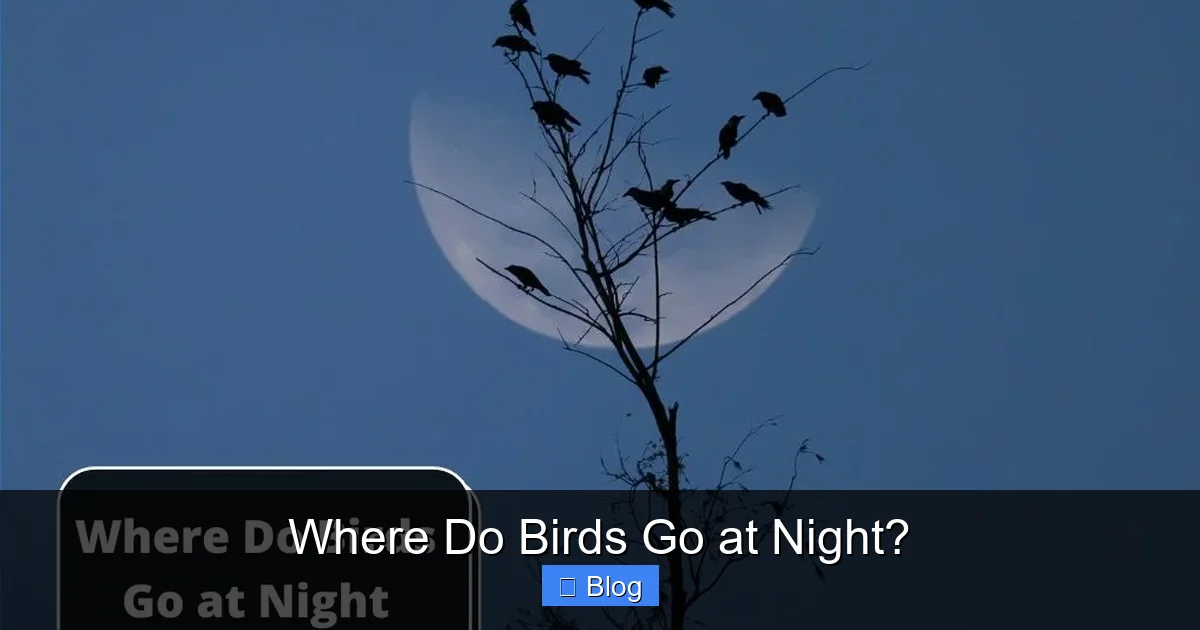
When the sun sets and twilight descends, many people naturally ask, where do birds go at night to rest and stay safe? Birds don’t just “sleep” like us; they find secure roosting spots, often huddling together for warmth and protection against predators. These clever creatures adapt their nighttime habits based on species, season, and environment, ensuring their survival until dawn.
As the sun dips below the horizon, painting the sky with oranges and purples, a quiet question often flits through our minds: where do birds go at night? During the day, our feathered friends are everywhere – chirping in the trees, darting across the lawn, or soaring high above. But come dusk, they seem to vanish, leaving many of us to wonder about their secret nighttime lives.
It’s a charming mystery, isn’t it? Unlike us, birds don’t have cozy beds with pillows and blankets. Their survival depends on finding the perfect spot to spend the night, a place where they can be safe from predators, sheltered from the elements, and ready to greet the dawn chorus. Let’s embark on a fascinating journey to uncover the hidden world of birds after dark and discover exactly where do birds go at night.
Key Takeaways
- Roosting is More Than Just Sleeping: Birds seek out specific “roosting” locations for the night, prioritizing safety, warmth, and protection from the elements over simply finding a place to close their eyes.
- Safety in Numbers is Key: Many smaller bird species form communal roosts, gathering in large groups to share body heat, detect predators more easily, and deter threats through sheer numbers.
- Diverse Nighttime Habitats: Birds utilize a wide variety of roosting spots, from dense trees and shrubs to tree cavities, nest boxes, cliff ledges, and even open water, depending on their species and environment.
- Predator Avoidance is Paramount: A bird’s primary concern when choosing a nighttime roost is to avoid predators like owls, raccoons, snakes, and cats, leading them to concealed or inaccessible locations.
- Weather Protection is Crucial: Roosts also provide shelter from harsh weather conditions, helping birds conserve energy and stay warm during cold nights or dry during rain and snow.
- Species-Specific “Bedtimes”: Different bird species have distinct roosting behaviors; while songbirds seek cover, raptors might prefer high, open perches, and nocturnal birds like owls become active.
- How You Can Help: You can support local bird populations by creating bird-friendly yards with dense native plantings, providing nest boxes, and minimizing outdoor light pollution.
Quick Answers to Common Questions
Do birds sleep through the night?
Yes, most diurnal (day-active) birds sleep through the night. They enter a state of reduced activity and awareness, though often remaining semi-alert to predators. Nocturnal birds, like owls, are awake at night and sleep during the day.
How do birds stay warm at night?
Birds stay warm at night by fluffing their feathers to trap air, tucking their heads under a wing, shivering to generate heat, and choosing sheltered roosting spots. Many also huddle together in communal roosts to share body warmth, especially in cold weather.
Can birds sleep while flying?
While some migratory birds are thought to be able to enter a state of “unihemispheric slow-wave sleep” (sleeping with one half of their brain while the other remains active) during flight, this is not true “sleep” as we know it. Most birds require a stationary roost for proper rest.
Do birds use their old nests to sleep in?
Generally, no. Birds build nests specifically for breeding and raising young. Once the young have fledged, the nest is typically abandoned. While some species might use cavities or birdhouses for roosting, an old, often dirty or broken nest is rarely used for overnight sleep.
What is a bird’s “roost”?
A roost is a place where birds settle down to rest or sleep for the night. It’s specifically chosen for safety from predators, shelter from the elements, and to conserve energy, rather than just any random spot to perch.
📑 Table of Contents
- The Art of Roosting: More Than Just Sleeping
- Finding the Perfect Bedroom: Choosing Roosting Spots
- The Dangers of Night: Threats Birds Face While Sleeping
- Different Birds, Different Bedtimes: Species-Specific Habits
- Seasonal Shifts: Roosting Through the Year
- How You Can Help Your Feathered Neighbors
- Conclusion
The Art of Roosting: More Than Just Sleeping
When we talk about where birds go at night, we’re really talking about “roosting.” Roosting isn’t just about sleeping; it’s a strategic act of survival. Birds need a safe place to rest, conserve energy, and remain hidden until morning. This decision is crucial for their well-being.
Why Roost Together? Safety in Numbers
Many bird species, especially smaller ones like sparrows, starlings, and finches, form communal roosts. Imagine hundreds, even thousands, of birds gathering in a single large tree or dense thicket! This isn’t just a party; it’s a clever survival strategy. There are several reasons why birds prefer to roost in groups:
- Predator Detection: With more eyes and ears, there’s a higher chance of spotting a predator, like an owl or a cat, before it gets too close. If one bird sounds an alarm, the whole flock is alerted.
- Shared Warmth: Huddling together helps birds conserve body heat, especially on cold winter nights. They can share warmth, which is vital when temperatures drop.
- Information Exchange: Some scientists believe communal roosts might also be places where birds share information about good feeding grounds. It’s like a bird social network!
- Dilution Effect: In a large group, the chance of any single bird being caught by a predator decreases. There are simply too many targets.
Think about starlings putting on their incredible murmurations at dusk – those swirling aerial ballets are often leading to a massive communal roost where they’ll spend the night.
Types of Roosts: Communal vs. Solitary
While communal roosts are common, not all birds choose to sleep in a crowd. Some birds, like many raptors (hawks, eagles) or solitary owls, prefer to roost alone. They might select a high, inaccessible branch with good visibility, allowing them to spot any approaching danger from afar. Their size and powerful defenses often mean they don’t need the “safety in numbers” approach as much as smaller birds do. The type of roost a bird chooses heavily depends on its species, size, typical habitat, and predator risks.
Finding the Perfect Bedroom: Choosing Roosting Spots
So, where do birds go at night, specifically? The answer varies greatly, but all choices prioritize safety, concealment, and shelter. Let’s explore some popular bird bedrooms.
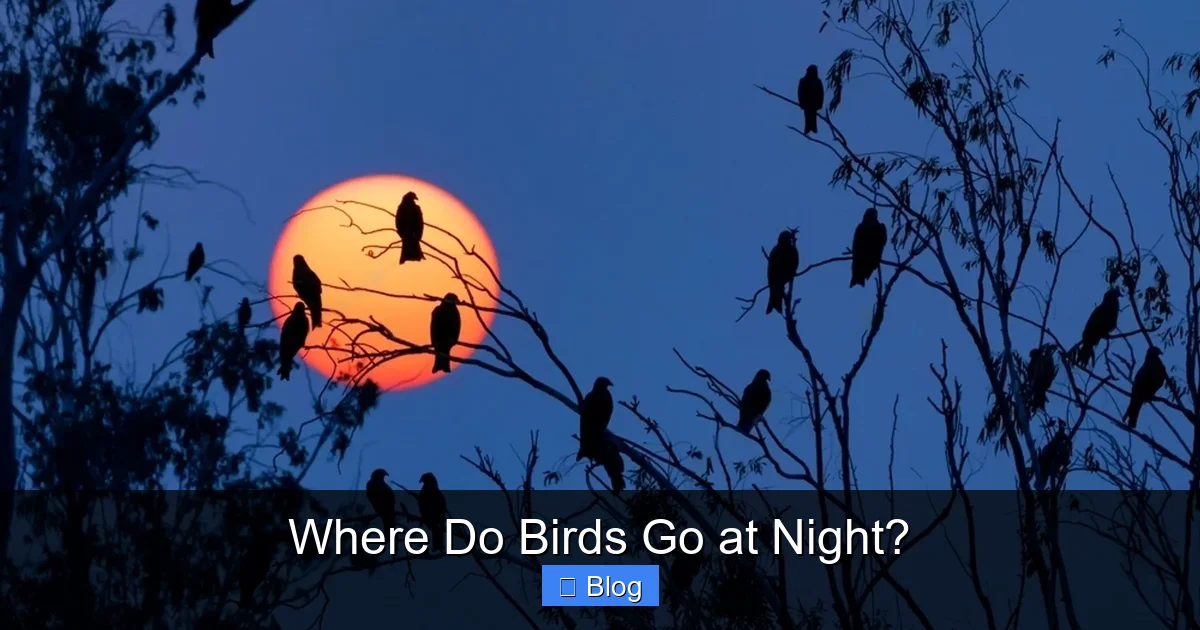
Visual guide about Where Do Birds Go at Night?
Image source: petsmartgo.com
Trees and Shrubs: The Classic Choice
For countless bird species, dense trees and shrubs are the ultimate nighttime refuge. Evergreen trees like pines and spruces are particularly favored because their needles provide excellent year-round cover. Deciduous trees, even without leaves, can still offer suitable spots, especially if they have many small branches that predators find difficult to navigate. Birds often wedge themselves deep within the foliage, making them nearly invisible.
- Example: Small songbirds like sparrows, finches, and robins often seek out thick hedges, dense bushes, or the inner branches of large oak trees.
Cavities and Nests: Cozy Hideaways
Some birds prefer to snuggle up in enclosed spaces. Tree cavities, old woodpecker holes, or even birdhouses and nest boxes can provide excellent overnight shelters. These enclosed spaces offer superior protection from both predators and harsh weather conditions, creating a warm, dry microclimate. In winter, several small birds might even huddle together inside a single cavity or box.
- Example: Chickadees, titmice, nuthatches, and even some small owls will use tree cavities. House wrens and bluebirds are known to use nest boxes for roosting outside of breeding season.
Water and Wetlands: For Aquatic Species
For ducks, geese, swans, and other waterfowl, open water can be the safest place to spend the night. Predators on land are much less of a threat when you’re floating in the middle of a lake or pond. These birds can sleep with one eye (or even half their brain) alert, ready to paddle away at the first sign of danger. They often gather in large flocks on the water.
- Example: Mallards, Canada geese, and various species of ducks will drift on calm waters, often tucking their heads under a wing to sleep.
Urban Environments: Adapting to Our World
Birds living in cities and suburbs have adapted ingeniously to find suitable roosting spots among human structures. This includes rooftops, building ledges, eaves, bridge girders, and even outdoor light fixtures. These spots can offer protection from ground predators and sometimes even warmth from the buildings themselves. Urban birds often use the same strategies as their wild counterparts, seeking dense cover or inaccessible heights.
- Example: Pigeons often roost on building ledges, swallows under bridge arches, and house sparrows in dense ornamental shrubs or under eaves.
The Dangers of Night: Threats Birds Face While Sleeping
The night isn’t just for resting; it’s also a time of heightened danger for many birds. When birds choose where do birds go at night, they are constantly weighing these risks.
Predators on the Prowl
Many predators are nocturnal, meaning they are active at night. Owls, raccoons, opossums, foxes, snakes, and domestic cats are all potential threats to sleeping birds. This is why birds put so much effort into finding concealed or inaccessible roosting spots. A good roost reduces the chance of becoming an easy meal.
- Tip: Keep your outdoor cats indoors, especially at night, to protect local bird populations.
Weather Woes: Staying Warm and Dry
Cold winds, rain, snow, and freezing temperatures can be deadly for small birds. Losing too much body heat, known as hypothermia, is a constant threat. A good roost provides shelter from these elements. Dense foliage, tree cavities, or even huddling together in a communal roost all help birds conserve precious energy and stay warm and dry through the night.
- Fact: During winter, birds may shiver to generate heat and fluff up their feathers to trap insulating air. A sheltered roost is critical to support these efforts.
Human Interference: Light Pollution and Disturbance
Our human activities can also impact where birds go at night. Excessive outdoor lighting, known as light pollution, can disorient migratory birds and disrupt the natural rhythms of local species. Noise and physical disturbances can force birds from their chosen roosts, exposing them to greater risks. It’s important for us to be mindful of our impact.
Different Birds, Different Bedtimes: Species-Specific Habits
Just like people, different types of birds have different “bedtimes” and preferences for where do birds go at night.
Passerines: Small Birds, Big Roosts
Most small songbirds, or passerines, are diurnal, meaning they are active during the day. When night falls, they seek out the densest available cover – thick shrubs, evergreen trees, or even tall grasses. Many form communal roosts as discussed earlier, sometimes traveling significant distances from their feeding grounds to these safe havens.
- Example: American robins often gather in large flocks in mature deciduous trees in parks or suburban areas.
Raptors: Solitary Sleepers
Diurnal raptors like hawks and falcons generally roost alone or in small family groups. They prefer high, sturdy perches that offer a wide view of their surroundings, allowing them to remain vigilant. During the breeding season, they will roost near their nests.
- Example: A red-tailed hawk might choose the topmost branch of the tallest tree in an open field, scanning for any movement.
Waterfowl: Open Water Safety
As mentioned, ducks, geese, and other waterfowl typically find safety on open water bodies. This strategy keeps them out of reach of most terrestrial predators. They can often be seen floating calmly, sometimes even in very cold conditions, relying on their insulating feathers.
Owls and Nightjars: The Night Shift
While most birds are settling down, nocturnal birds like owls and nightjars are just waking up! They spend their days quietly roosting, often camouflaged against tree trunks or tucked away in dense foliage. When the sun sets, they emerge to hunt. Their daytime roosts are chosen for maximum concealment from diurnal predators like hawks and crows, who might harass them.
- Example: A great horned owl might roost silently in a dense pine tree, while a common nighthawk might rest on a broad tree branch or even a gravel rooftop.
Seasonal Shifts: Roosting Through the Year
Where do birds go at night can also change with the seasons. Birds adapt their roosting behaviors to cope with varying temperatures, food availability, and breeding demands.
Winter Warmth: Huddling for Survival
Winter presents the greatest challenge for birds. Short days mean less time to find food, and long, cold nights demand effective strategies to conserve energy. Communal roosts become even more crucial for warmth. Birds will seek out the most sheltered spots possible, often switching from summer roosts to denser, more protected areas.
- Example: In severe winter weather, small cavity-nesters like chickadees might share a tree hollow or a roosting box to combine their body heat.
Breeding Season: Protecting the Young
During spring and summer, when birds are raising their young, roosting behaviors shift. Parents will often roost very close to their nests to protect eggs and chicks. Once the young fledge, family groups may roost together for a while before the young become independent.
Migration: Stopovers and Rest
For migratory birds, roosting during their long journeys is about finding safe stopover points. They need places where they can rest, refuel, and protect themselves from unexpected predators or bad weather before continuing their arduous travels. These stopover roosts can be critical for their survival.
How You Can Help Your Feathered Neighbors
Now that you know where do birds go at night, you might be wondering how you can support them. Even in your own backyard, you can make a big difference!
Provide Shelter and Food
One of the best ways to help birds is to create a bird-friendly habitat. Plant native trees and shrubs that offer dense cover. Evergreens are particularly valuable for winter roosting. Leave snags (dead trees) if safe to do so, as they can provide natural cavities. Supplementing with bird feeders, especially in winter, ensures birds have enough energy to survive cold nights.
Keep Your Yard Bird-Friendly
Avoid using pesticides that can harm birds or their insect food sources. Provide a fresh water source, like a bird bath. Consider adding a roosting box, which is similar to a nest box but designed specifically for overnight shelter, often with the entrance hole at the bottom to better trap heat.
Minimize Light Pollution
Turn off unnecessary outdoor lights at night, or use motion-sensor lights. Direct outdoor lighting downwards and use warm-colored bulbs. This helps reduce disorientation for migratory birds and allows nocturnal species to hunt more effectively.
Observe Responsibly
If you discover a bird roost, enjoy it from a distance. Avoid disturbing birds, especially at night, as flushing them from their roost can expose them to danger and waste their precious energy. Let them sleep peacefully!
Conclusion
The question of where do birds go at night unveils a world of incredible adaptations, complex social behaviors, and clever survival strategies. From the communal huddles in dense thickets to the solitary vigil on a high branch, each bird’s nighttime routine is a testament to its resilience and instinct. They are constantly seeking that perfect balance of safety, warmth, and concealment.
The next time you watch the last robin disappear into the twilight, you’ll know it’s not simply gone. It’s found its own unique bedroom, preparing for another day of flight and song. By understanding and respecting their needs, we can all play a part in ensuring our feathered friends have a safe and restful night.
🎥 Related Video: Where Do Birds Go at Night? Discover the Most Common Sleeping Spots For Birds
📺 A-Z-Animals
If you’re out in the wilderness at night, you may see bats, mosquitoes, and other flying creatures. However, it’s pretty uncommon to …
Frequently Asked Questions
Do birds truly “sleep” like humans?
Birds do sleep, but it’s often a lighter and more vigilant form of sleep than humans experience. They can enter different sleep stages, including REM sleep, but frequently practice unihemispheric slow-wave sleep, allowing one half of their brain to rest while the other remains somewhat alert to detect threats.
How do birds stay balanced while sleeping on a branch?
Birds have a special physiological mechanism that helps them stay balanced. When a bird squats down to perch, tendons in its legs automatically pull its toes inward, causing them to clamp tightly around the branch. This “perching reflex” allows them to grip firmly without conscious effort, even while asleep.
Do all birds sleep at night?
Most birds are diurnal, meaning they are active during the day and sleep at night. However, nocturnal birds like owls, nightjars, and some shorebirds are active at night and sleep during the day. Their bodies and senses are adapted for nighttime activity.
What makes a roosting spot “safe”?
A safe roosting spot typically offers concealment from predators (dense foliage, cavities), protection from the elements (shelter from wind, rain, cold), and often inaccessibility (high branches, water, human structures). Being part of a large communal roost also adds to safety through shared vigilance.
Do birds snore?
While birds don’t have vocal cords like humans, they can make soft sounds during sleep, sometimes described as a low chattering or light gurgling. However, these are generally not considered snoring in the human sense, which is caused by vibrations of soft tissue in the airway.
Can light pollution harm birds at night?
Yes, light pollution can significantly harm birds at night. It can disorient migratory birds, causing them to fly off course or collide with buildings. For resident birds, artificial light can disrupt natural sleep-wake cycles, interfere with foraging patterns, and make them more vulnerable to nocturnal predators.