
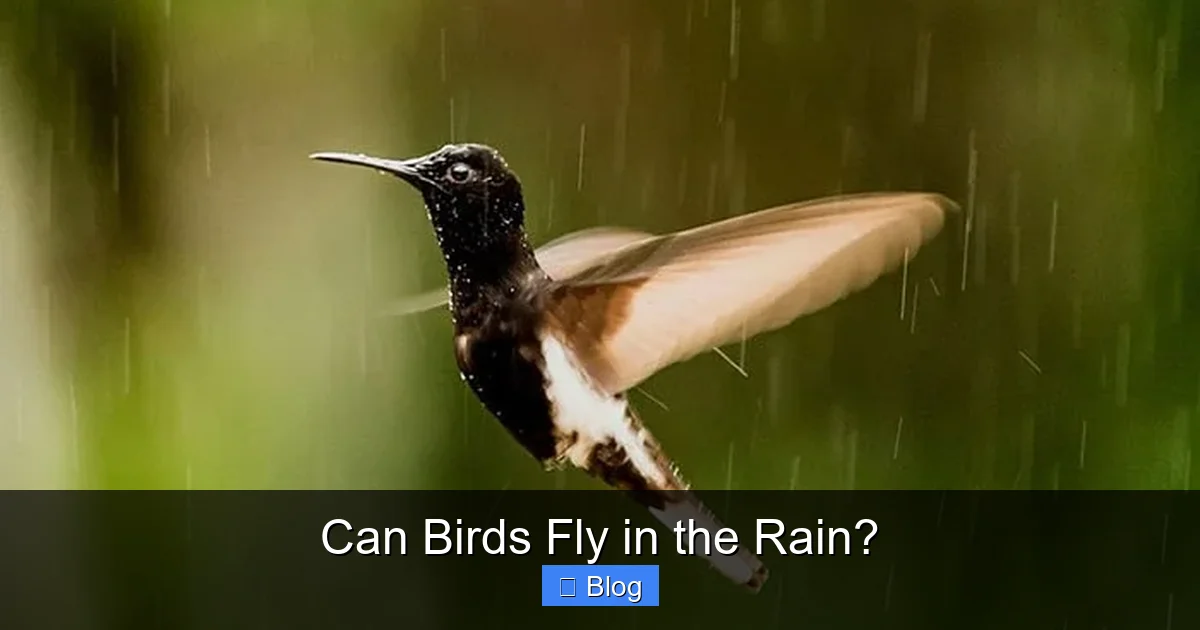
Yes, birds can fly in the rain, but their ability varies greatly depending on the rain’s intensity and the bird species. While light drizzle might not deter them from essential activities like foraging, heavy downpours pose significant challenges, making flight energetically costly and dangerous. Birds possess remarkable adaptations like waterproof feathers and meticulous preening habits to cope with wet conditions, yet often opt for sheltered perches during severe storms rather than flying.
Can Birds Fly in the Rain?
The common sight of birds soaring through the sky is one of nature’s simple joys. But what happens when the heavens open up? Have you ever paused during a sudden shower and wondered, “Can birds fly in the rain?” It’s a question that many of us ponder, perhaps while watching a robin huddle under a bush or a pigeon taking cover. The answer isn’t a simple yes or no; it’s a fascinating tale of evolutionary adaptations, survival instincts, and the incredible resilience of our feathered friends.
Birds are master aviators, equipped with bodies perfectly designed for flight. However, water is heavy, and it can dramatically alter the aerodynamics and thermal regulation critical for a bird’s survival. Imagine trying to run a marathon in a soaking wet, heavy coat – that’s somewhat akin to the challenge a bird faces when attempting to fly through a downpour. This complex interaction between birds and wet weather reveals a lot about their natural behaviors and the ingenious ways they’ve evolved to cope with environmental challenges.
So, let’s dive deep into the world of avian meteorology. We’ll explore the science behind their waterproof feathers, understand why some birds brave the elements while others seek immediate shelter, and discover the hidden dangers and surprising strengths that dictate whether and when birds fly in the rain. Get ready to uncover the secrets of how these winged creatures manage to navigate a wet world, and put the question “Can birds fly in the rain?” to rest.
Key Takeaways
- Varying Ability: Birds’ capacity to fly in the rain differs by species and rain intensity; light rain is manageable, heavy rain is often avoided.
- Feather Adaptations: Their feathers are naturally designed with complex barbules and oils, creating a waterproof barrier to repel water and maintain insulation.
- Preening is Crucial: Birds regularly preen to realign feathers and spread oil from their uropygial gland, ensuring their plumage remains watertight and functional.
- Energy Cost and Danger: Flying in heavy rain is energetically demanding due to increased weight and drag, and it poses risks like hypothermia, reduced visibility, and lightning.
- Seeking Shelter: During significant rainfall, most birds prioritize finding sheltered spots in dense foliage, tree cavities, or under eaves to conserve energy and stay dry.
- Essential Flight: Despite the challenges, birds may fly in the rain for critical needs such as escaping predators, finding food, or protecting their nests.
- Species Differences: Waterfowl and seabirds are better equipped for wet conditions, while smaller passerines are more vulnerable to the effects of rain.
Quick Answers to Common Questions
Can all birds fly in the rain?
No, not all birds can or will fly in the rain. Their ability largely depends on the intensity of the rain and their specific species’ adaptations. While waterfowl are well-suited, smaller birds often avoid it.
Do birds get wet when they fly in the rain?
Their outer contour feathers are designed to repel water, so they generally don’t get soaked through immediately. However, in heavy rain, some water can cling to feathers, increasing weight, and if waterproofing fails, their insulating down feathers can get wet.
Why do some birds fly in heavy rain?
Birds usually only fly in heavy rain out of urgent necessity, such as escaping a predator, searching for critical food sources when conditions are prolonged, or returning to a nest to protect their young.
What happens if a bird gets too wet?
If a bird’s feathers become saturated, it can lose its ability to insulate effectively, leading to rapid body heat loss (hypothermia). This can weaken the bird, making it unable to fly and potentially leading to death.
Where do birds go during a severe rainstorm?
During severe rainstorms, birds typically seek shelter in dense foliage, tree cavities, under the eaves of buildings, or in other protected spots that offer cover from wind and rain. They hunker down to conserve energy and stay dry.
📑 Table of Contents
The Basics: Bird Anatomy and Feathers
To truly understand if birds can fly in the rain, we first need to appreciate the incredible design of their feathers. Feathers are not just for flight; they are also a bird’s primary defense against the elements, acting as insulation, camouflage, and a waterproof barrier. Without properly functioning feathers, a bird would quickly become waterlogged, lose body heat, and be unable to fly.
Feather Structure: The Waterproof Marvel
A bird’s plumage is a marvel of natural engineering. Each feather is made up of a central shaft with barbs extending from it. These barbs have smaller structures called barbules, which interlock like tiny zippers. This intricate network creates a dense, overlapping surface that effectively repels water. Think of it as a tightly woven fabric where water beads up and rolls off rather than soaking in.
The outermost layer of feathers, known as the contour feathers, provides the primary waterproofing. These feathers are smooth and overlap like shingles on a roof. Beneath them, down feathers provide insulation, trapping air close to the bird’s body to maintain its warmth. If the contour feathers become soaked, the down feathers underneath can also get wet, leading to a rapid loss of body heat – a condition known as hypothermia. This is why keeping their outer feathers dry is so incredibly important for birds that might need to fly in the rain.
Preening: The Bird’s Personal Raincoat Service
Even with their naturally repellent structure, feathers need maintenance to stay waterproof. This is where preening comes in. Preening is a meticulous grooming behavior where birds use their beaks to clean, rearrange, and condition their feathers. During preening, birds access a special gland located near the base of their tail called the uropygial gland, or preen gland. This gland produces an oily, waxy substance.
The bird takes this oil on its beak and carefully applies it to its feathers, working it from the base to the tip. This oil acts as a natural waterproofing agent, enhancing the feathers’ ability to repel water. It also helps to keep the feathers flexible and healthy, preventing them from becoming brittle or damaged. Regular preening is essential for a bird’s survival, especially for those that frequently encounter water, like ducks and geese. A well-preened bird stands a much better chance if it needs to fly in the rain.
When Birds Do Fly in the Rain
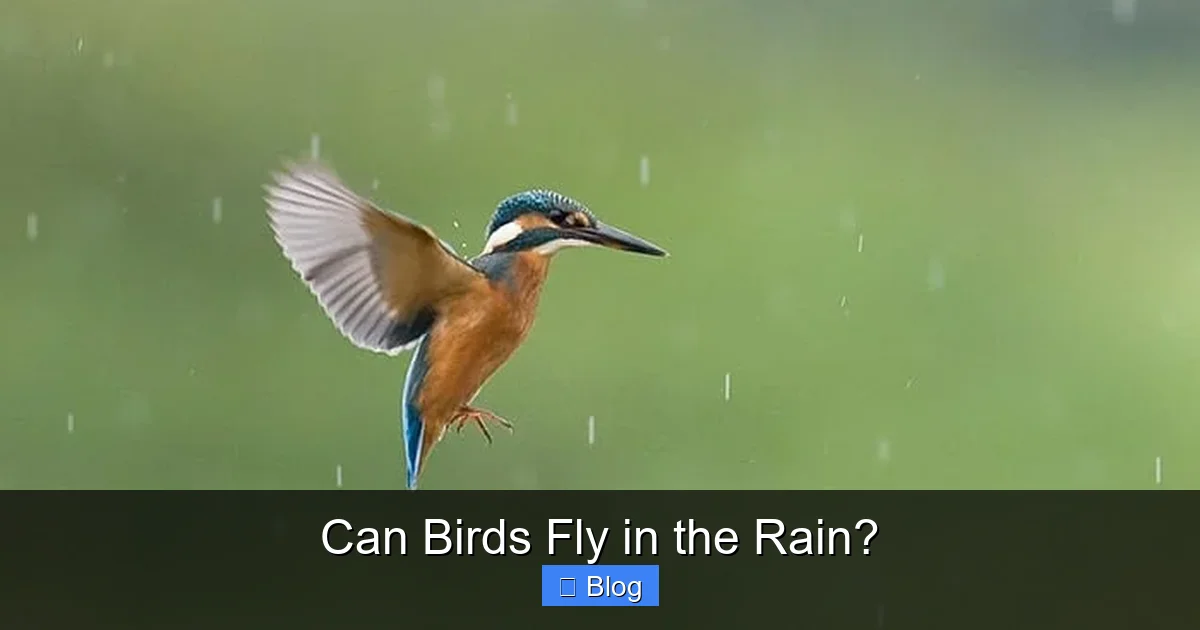
Visual guide about Can Birds Fly in the Rain?
Image source: birdingdepot.com
So, given all these amazing adaptations, when exactly *do* birds fly in the rain? It’s not a universal answer, as conditions and individual species play a huge role.
Light Rain vs. Heavy Downpour
For most birds, a light drizzle or a gentle shower is often manageable. Small songbirds might continue foraging for food, hopping between branches, or even making short flights to a bird feeder. Ducks and other waterfowl, with their superior waterproofing, might barely notice light rain at all, continuing their activities on the water or in the air without much concern. Their bodies are specially adapted for life in and around water, making them far less susceptible to getting waterlogged.
However, when the rain intensifies into a heavy downpour or a full-blown storm, the story changes dramatically. The sheer volume and force of the water make flight much more challenging and dangerous. For many species, especially smaller birds, flying in heavy rain becomes too energetically costly and risky.
Urgent Needs: Food, Shelter, and Escape
Despite the challenges, there are compelling reasons why a bird might still choose to fly in the rain, even a heavy one. Survival often dictates their actions.
* Finding Food: If a bird’s food source is scarce, and the rain is prolonged, it might be forced to venture out to find sustenance. Hunger can outweigh the risks of flying in wet weather, especially for birds feeding young in a nest.
* Seeking Shelter: Sometimes, a bird’s current location offers no adequate shelter, forcing it to fly to a safer, drier spot. This could be a desperate dash for a tree cavity, dense thicket, or human-made structure.
* Escaping Predators: A bird might be surprised by a predator and have no choice but to take flight, even in the middle of a torrential downpour. Survival instinct kicks in, overriding the discomfort and danger of the rain.
* Protecting Nests: Parent birds might fly back and forth to their nests to tend to eggs or chicks, even if it’s raining. Their parental instincts often outweigh personal discomfort or risk.
In these critical situations, you might observe birds making short, direct flights, hunkering down immediately upon reaching their destination. It’s a testament to their incredible drive to survive and protect their young, even when flying in the rain is far from ideal.
The Challenges and Dangers of Flying in Rain
While birds are equipped with impressive adaptations, flying in the rain is still a significant challenge. It comes with several inherent dangers that birds instinctively try to avoid whenever possible.
Increased Weight and Drag
Water is heavy. Even with their waterproofing, some water can still cling to the feathers, especially during a heavy downpour. This added weight makes a bird heavier, requiring more energy to lift off and stay airborne. Furthermore, the layer of water on their feathers disrupts the smooth airflow over their wings, increasing drag. Imagine trying to swim with all your clothes on; the resistance is much higher. For a bird, increased drag means they have to flap harder and expend much more energy to maintain flight speed and altitude. This can quickly lead to exhaustion, which is a critical concern for small birds with limited energy reserves.
Reduced Visibility
Heavy rain dramatically reduces visibility. For birds that rely heavily on their eyesight to navigate, spot predators, or locate food, this can be a serious problem. Flying through a curtain of rain makes it harder to see obstacles like trees, power lines, or even other birds. It also makes them more vulnerable to predators that might have better low-visibility hunting techniques, or simply make it harder for them to spot a safe landing zone. This is a key reason why many birds choose to stay grounded when the rain is really coming down.
Hypothermia Risks
Maintaining a constant body temperature is vital for birds, as their metabolism requires high energy levels. Their feathers, especially the down feathers, act as excellent insulation. However, if the outer contour feathers become soaked through, water can penetrate to the downy underlayer. Once wet, down feathers lose their ability to trap air efficiently, leading to rapid heat loss. This can quickly result in hypothermia, a dangerously low body temperature that can be fatal, especially for smaller birds who have a higher surface area to volume ratio and lose heat faster. The colder the rain and the stronger the wind, the greater the risk.
Lightning and Wind Hazards
Thunderstorms bring more than just rain; they also bring lightning and strong winds. Lightning strikes are a direct threat to any creature caught out in the open, especially those in the air. Strong winds, on the other hand, can make controlled flight nearly impossible. Birds can be buffeted around, blown off course, or even forced into obstacles. Gusts can exceed their flight speed and control capabilities, making any attempt to fly extremely perilous. It’s simply not safe for most birds to fly in the rain when these additional weather elements are present.
Where Do Birds Go During a Storm?
Given the dangers, it’s clear that most birds prefer not to fly in the rain, particularly when it’s heavy or stormy. So, where do they go to stay safe and dry? Birds are incredibly adept at finding shelter.
Seeking Sheltered Perches
During a rain shower, birds will typically seek out the most sheltered spots they can find. This often means deep within dense trees or shrubs, where the canopy provides a natural umbrella. Coniferous trees, with their thick needles and branches, are particularly good at shedding water and offering protection.
You might also spot birds hunkering down under the eaves of buildings, beneath porch roofs, or even inside open garages or sheds. Any place that offers a dry overhead cover is a prime spot. They will often fluff up their feathers to create an insulating air pocket and conserve body heat while waiting for the rain to pass. They become remarkably still, minimizing movement to save energy and avoid disturbing their protective feather layer.
Communal Roosts and Nests
Many bird species have communal roosting sites where they gather in large numbers, particularly during colder or wetter weather. These roosts, often in dense stands of trees, provide collective warmth and safety. Being close together helps them conserve body heat and offers some protection from the elements.
Nests, especially well-constructed ones, also offer a degree of shelter for parent birds and their young. While a nest might not be entirely waterproof, it often provides enough protection to keep the immediate occupants drier and warmer than being completely exposed. Parent birds will often sit tightly on their chicks or eggs, using their own bodies to shield them from the rain.
Ground Cover and Dense Foliage
For ground-dwelling birds or those that prefer to stay low, dense undergrowth, thickets, and even tall grasses can offer significant protection from rain and wind. They might burrow deep into leafy debris or find cover under fallen logs. Even a small rock overhang or a slight depression in the ground can provide enough shelter to make a difference during a passing shower. Birds are ingenious at finding these natural havens to avoid having to fly in the rain.
Observing Birds During Wet Weather
When the rain starts, it offers a unique opportunity to observe bird behavior. Instead of seeing them soar, you’ll witness their survival instincts in action.
What to Look For
Pay attention to how different species react. You’ll notice that ducks, geese, and gulls might continue their activities relatively unfazed, perhaps even enjoying the fresh water. Contrast this with small songbirds like sparrows or finches, which will often vanish from open areas, seeking the densest cover they can find.
Look for birds that are fluffed up, appearing rounder than usual. This is a sign they are trying to trap air within their feathers for insulation. You might also spot them perched motionless, eyes scanning, conserving energy, and waiting for a break in the weather. Sometimes, just after a rain shower, birds become incredibly active, emerging to feed on worms brought to the surface or insects knocked down by the rain. This is often the safest time for them to fly after the rain, as the immediate danger has passed.
How You Can Help
As humans, we can certainly lend a helping hand to our feathered friends during wet weather.
* Provide Shelter: Planting dense shrubs and trees in your yard offers natural shelter. Birdhouses, especially those with good drainage and proper construction, can also provide refuge.
* Offer Food: Keeping bird feeders stocked with high-energy foods like suet, black oil sunflower seeds, or mealworms can be a lifesaver. Birds burn more calories trying to stay warm and dry, so readily available food reduces the need for them to fly in the rain to forage.
* Ensure Fresh Water: While it might seem counterintuitive during rain, a clean bird bath can be important. Rainwater can be temporary, and a reliable source of fresh, clean water is always appreciated for drinking and preening.
* Keep Your Distance: During storms, birds are stressed and vulnerable. Avoid disturbing them in their sheltered spots. Let them rest and conserve energy without added stress.
By understanding the challenges and providing some simple assistance, we can help birds navigate the difficulties of wet weather, ensuring they have the best chance to survive and thrive.
Conclusion
So, can birds fly in the rain? The definitive answer is complex, but generally, yes, they can, but with significant caveats. While their incredible feather structure and meticulous preening habits provide excellent waterproofing, flying in heavy rain is energetically demanding and fraught with dangers like hypothermia, reduced visibility, and strong winds. Most birds, especially smaller species, will opt for the safety of shelter during anything more than a light drizzle.
From the mighty albatross soaring over stormy seas to the tiny wren hunkering down in a shrub, each bird species has evolved its own strategies for coping with wet weather. They demonstrate remarkable resilience and adaptability, always prioritizing survival and energy conservation. The next time you see a bird weathering a storm, you’ll have a deeper appreciation for the intricate science and sheer determination that allows them to endure, even when the skies open up. It’s a powerful reminder of nature’s ingenuity and the ongoing struggle for survival that plays out right in our backyards.
🎥 Related Video: Birds build nests in a unique way to protect their eggs from salamanders. #wildlife #animals #birds
📺 Blanche Hyatt
Frequently Asked Questions
What makes bird feathers waterproof?
Bird feathers have a complex structure with tiny barbules that interlock, creating a tight, overlapping surface. Birds also preen a waxy oil from their uropygial gland onto their feathers, which enhances their water-repellent properties.
Do different bird species handle rain differently?
Yes, absolutely. Waterfowl like ducks and geese are highly adapted to wet environments and are often seen unfazed by rain. Smaller passerine birds, such as sparrows or finches, are more vulnerable and typically seek immediate shelter during rain.
Is it harder for birds to fly when their feathers are wet?
Yes, significantly. Water adds weight to their feathers, requiring more energy to lift off and stay airborne. It also disrupts the smooth airflow over their wings, increasing drag and making flight less efficient and much more demanding.
Can birds get hypothermia from rain?
Yes, birds are at risk of hypothermia if their feathers become waterlogged, especially their insulating down feathers. Once wet, these feathers lose their ability to trap air, causing the bird to rapidly lose body heat, which can be fatal.
What should I do if I find a wet, struggling bird after a rainstorm?
If you find a wet, visibly struggling bird, gently place it in a dry, warm, quiet box with ventilation. Do not try to feed it. Contact a local wildlife rehabilitator immediately for advice and assistance, as the bird may be hypothermic or injured.
Do birds enjoy taking baths in the rain?
While birds often bathe in puddles or bird baths, they typically do not “bathe” by flying directly in the rain. They might use rain-filled leaves or puddles for cleaning after a shower, but deliberate flight *during* a heavy rain for bathing is not common due to the risks involved.