
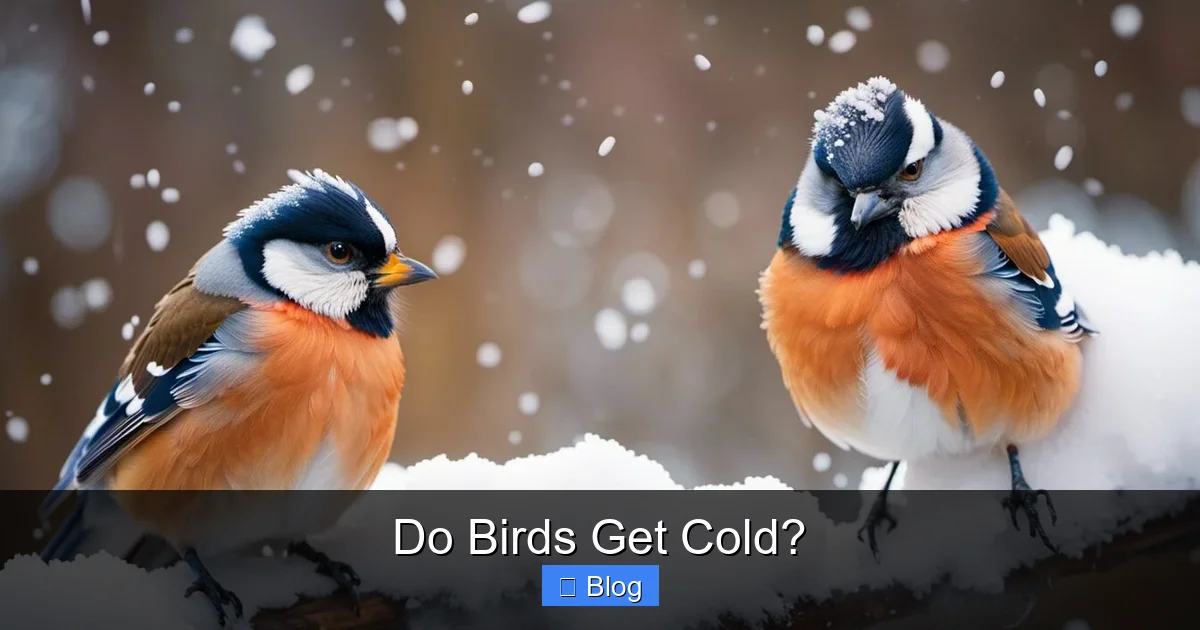
Do birds get cold? Yes, they absolutely do! Despite their seemingly fragile nature, birds possess an incredible array of biological adaptations and behavioral strategies to withstand freezing temperatures. From their insulating feathers and high metabolism to clever actions like shivering, huddling, and seeking shelter, birds are remarkably resilient survivors of the cold, though winter still presents significant challenges to their survival.
Do Birds Get Cold?
Have you ever looked out your window on a crisp winter day, perhaps while sipping a warm drink, and wondered about the tiny, bustling birds hopping through the snow? It’s a common thought: do birds get cold? Their small size and delicate appearance might lead you to believe they’re constantly shivering, or perhaps even immune to the chill. It’s a question that sparks both curiosity and a deep sense of empathy for our feathered neighbors.
The simple answer is a resounding “yes,” birds absolutely get cold. Just like humans, birds are warm-blooded animals, meaning they need to maintain a consistent internal body temperature, often much higher than ours (around 105-107°F or 40-42°C!). This high internal temperature is vital for their bodily functions, but it also means they are constantly battling heat loss to their surroundings, especially when temperatures plummet. So, while they do get cold, the more interesting story is *how* they manage not just to survive, but often thrive, in conditions that would send us indoors bundling up.
Birds are true marvels of adaptation, equipped with a fantastic array of biological tools and clever behavioral strategies designed specifically to combat the cold. From their amazing insulating feathers to their unique circulatory systems and resourceful habits, they are masters of winter survival. Understanding these incredible adaptations not only answers the question, “do birds get cold?” but also deepens our appreciation for these resilient creatures and highlights how we can lend a helping hand when they need it most.
Key Takeaways
- Birds Get Cold: Yes, birds feel the cold just like us, but they have evolved an extraordinary suite of adaptations to cope with low temperatures.
- Feather Power: Their feathers are their primary defense, providing exceptional insulation by trapping warm air close to their bodies.
- High Metabolism: Birds maintain a very high body temperature thanks to a rapid metabolism, which demands a constant supply of energy from food.
- Smart Behaviors: They employ various behaviors like fluffing feathers, shivering, huddling together, seeking sheltered spots, and even entering a state of torpor to conserve energy.
- Fuel is Key: Access to high-energy food sources is critical for birds to generate the body heat needed to survive prolonged cold periods.
- Human Help Matters: Providing reliable food, unfrozen water, and safe shelter can significantly improve a bird’s chances of surviving the harshest winter conditions.
- Recognize Distress: Learn to identify signs of a cold-stressed bird, such as lethargy or puffed-up immobility, and know when it’s appropriate to seek professional help.
Quick Answers to Common Questions
Do birds migrate solely because of cold?
Not solely. While escaping cold is a benefit, migration is primarily driven by the availability of food sources and suitable breeding grounds, which often diminish in northern climates during winter.
Can I bring a cold bird inside to warm it up?
Generally, no. Bringing a wild bird indoors can cause extreme stress, and they require specialized care. It’s best to contact a local wildlife rehabilitator for advice rather than attempting to help directly.
What is torpor in birds?
Torpor is a temporary, controlled state of reduced metabolic activity and body temperature that some birds enter to conserve energy during very cold nights or periods of food scarcity. It’s like a shallow, short-term hibernation.
How do birds’ feet not freeze when standing on ice?
Birds use a physiological adaptation called countercurrent heat exchange. Arteries carrying warm blood to their feet run alongside veins carrying cold blood back, allowing heat to transfer and cool the arterial blood before it reaches the feet, minimizing heat loss.
Should I feed birds in winter?
Yes, feeding birds in winter can be a huge help. Providing high-energy foods like black oil sunflower seeds and suet can supplement their natural diet and give them the extra calories needed to stay warm and survive.
📑 Table of Contents
- The Science of Keeping Warm: Avian Physiology
- Behavioral Strategies: How Birds Act to Stay Warm
- Fueling the Fire: The Importance of Food and Water
- Different Birds, Different Needs: Adaptation Variations
- How You Can Help Your Feathered Friends Survive the Cold
- Recognizing a Bird in Distress
- Conclusion
The Science of Keeping Warm: Avian Physiology
When we ask, “do birds get cold?” we’re really asking about their physiological ability to withstand dropping temperatures. Birds possess several amazing biological features that are crucial for maintaining their high body heat.
High Metabolism and Body Temperature
At the core of a bird’s cold-weather survival is its incredibly high metabolic rate. Birds burn energy at a furious pace, which generates a lot of internal heat. This rapid metabolism is what allows them to sustain body temperatures significantly higher than most mammals. Think of it like a tiny, efficient furnace constantly running. This high metabolic rate also means they need a lot of fuel, a topic we’ll explore soon!
The Magic of Feathers: Insulation Powerhouse
If you’ve ever seen a bird on a cold day, you’ve probably noticed it looks a bit… fluffy. This isn’t just for show; it’s a vital survival strategy. Feathers are a bird’s primary defense against the cold, acting as an incredibly efficient insulating layer.
There are two main types of feathers that contribute to this warmth:
- Contour Feathers: These are the stiff outer feathers that give a bird its shape and color. While they offer some protection from wind and moisture, their main role in cold weather is to create a smooth outer layer that traps air beneath.
- Down Feathers: Hidden beneath the contour feathers, down feathers are soft, fluffy, and incredibly dense. These feathers are like nature’s best insulation, creating millions of tiny air pockets that trap warm air close to the bird’s body and prevent cold air from penetrating. When a bird “fluffs up,” it’s essentially increasing the depth of this downy layer, trapping even more air and boosting its insulation.
Birds also spend a lot of time preening, carefully zipping their feathers together and coating them with oil from a gland near their tail. This preening keeps their feather structure intact and creates a waterproof barrier, which is essential because wet feathers lose their insulating properties and can lead to hypothermia.
Countercurrent Heat Exchange: The Feet Problem Solver
One of the most common questions related to “do birds get cold?” often focuses on their feet. How do those tiny, unfeathered feet not freeze solid when birds stand on ice and snow? The answer is a brilliant physiological adaptation called countercurrent heat exchange.
Here’s how it works: the arteries carrying warm blood from the bird’s body down to its feet run right alongside the veins carrying cold blood back up from the feet. As the warm arterial blood flows past the cold venous blood, heat is transferred from the arteries to the veins. This means the blood reaching the feet is already cooled, minimizing heat loss to the environment. Conversely, the blood returning to the body has already been warmed by the arterial blood, so the bird doesn’t get a sudden rush of icy cold blood entering its core. This system ensures that the bird’s feet stay just above freezing, saving precious body heat.
Behavioral Strategies: How Birds Act to Stay Warm
Beyond their impressive physiology, birds employ a range of clever behaviors to cope with the cold. These actions are just as critical as their biological adaptations when answering the question, “do birds get cold?” and surviving winter.
Fluffing Up and Shivering
We touched on fluffing up earlier, but it bears repeating. By erecting their feathers, birds create a thicker layer of trapped air, enhancing their insulation. It’s like putting on an extra down jacket!
When fluffing isn’t enough, birds will shiver. Shivering is an involuntary muscle contraction that rapidly generates heat. It’s an effective short-term solution for warming up, but it expends a lot of energy, highlighting the critical need for ample food.
Huddling for Warmth
Many bird species, especially smaller ones, will huddle together in dense groups when temperatures drop. Think of a pile of chickadees or house sparrows snuggled tightly together. This communal body heat significantly reduces the surface area exposed to the cold for each individual bird, conserving warmth. Each bird in the huddle benefits from the others’ radiated body heat.
Seeking Shelter and Sun
Birds are masters of finding the warmest spots. They’ll seek shelter from wind and snow in dense bushes, evergreen trees, tree cavities, nest boxes, or even under the eaves of buildings. These protected locations offer insulation and a break from harsh winds, which dramatically increase heat loss.
On sunny winter days, you might see birds basking in the sun, especially if they are dark-colored. The sun’s warmth can provide a much-needed energy boost and help raise their body temperature.
Torpor: A Deeper Sleep
For some species, particularly small birds like hummingbirds or chickadees, surviving extremely cold nights might involve entering a state called torpor. Torpor is a controlled hypothermia, where a bird significantly lowers its body temperature and metabolic rate. This reduces the energy needed to stay warm, essentially putting their bodies on “standby” mode. While in torpor, birds are less responsive and vulnerable, but it’s a life-saving strategy when food is scarce and temperatures are dangerously low. As dawn breaks and temperatures rise, they gradually warm up and become active again.
Fueling the Fire: The Importance of Food and Water
All these amazing adaptations and behaviors come at a cost: energy. This is why food is arguably the single most important factor determining whether a bird can survive the cold. Without enough fuel, no amount of fluffing or shivering will save them. So, when considering, “do birds get cold?” we must also think about what they eat.
Constant Foraging: A Winter Necessity
Birds in winter are constantly on the lookout for food. Their high metabolism means they need to eat almost continuously throughout the day to replenish their energy stores. A small bird might lose up to 10% of its body weight overnight, making morning foraging a race against time and cold.
High-Energy Foods
To generate the necessary internal heat, birds seek out high-calorie, high-fat foods. Seeds, nuts, and suet are particularly valuable. These foods provide concentrated energy that can be quickly converted into warmth. Insectivorous birds face a tougher challenge as insects are scarce in winter, pushing some to switch to seeds or hibernate in specific areas.
Access to Water (Even in Winter)
It’s easy to forget about water when everything is frozen, but birds need to stay hydrated even in cold weather. Water is essential for digestion and metabolic processes. Birds will often eat snow or ice, but this uses up valuable energy to melt it internally. Access to liquid water is a huge advantage for them.
Different Birds, Different Needs: Adaptation Variations
Not all birds face the cold in the same way. The question, “do birds get cold?” can have slightly different implications depending on the species and their particular strategies.
Migratory Birds: Flying Away from the Cold
Perhaps the most obvious way birds deal with cold is to simply avoid it altogether. Many species are migratory, meaning they fly thousands of miles to warmer climates when winter approaches. This instinct is driven by the availability of food and suitable breeding grounds, not solely by temperature, but escaping the brutal cold is a major benefit.
Resident Birds: Built for Winter
Other birds are year-round residents, meaning they tough out the winter. These are the birds we most commonly see employing the adaptations and behaviors we’ve discussed. Species like chickadees, cardinals, jays, and woodpeckers are prime examples of resident birds that are perfectly equipped for winter living. Their bodies are built for it, and their behaviors are honed for survival in their local climate.
Waterfowl: Special Challenges and Solutions
Waterfowl, like ducks and geese, face unique challenges when temperatures drop. They spend a lot of time in icy water, yet their feathers provide incredible waterproofing thanks to specialized oils that repel water. This keeps their downy underlayers dry and insulating. Their countercurrent heat exchange system in their legs and feet is also highly advanced, allowing them to stand on ice or swim in frigid waters without freezing.
How You Can Help Your Feathered Friends Survive the Cold
Understanding the challenges birds face when they get cold naturally leads to the question: what can we do to help? Our actions can make a real difference in the survival rates of local bird populations, especially during harsh winters.
Provide Food: The Right Kind, The Right Way
This is perhaps the most impactful thing you can do.
- Offer High-Energy Options: Black oil sunflower seeds are a favorite and excellent source of fat. Suet cakes are also fantastic, packed with calories and fat, crucial for maintaining body heat. Peanuts (unsalted, shelled or in the shell) are another high-energy option.
- Keep Feeders Full: Birds quickly learn where reliable food sources are. Keeping feeders consistently stocked, especially in the morning and late afternoon, helps them refuel after a cold night and prepare for the next.
- Clean Feeders: Regularly clean your feeders to prevent the spread of diseases. Use a mild bleach solution (1 part bleach to 9 parts water), rinse thoroughly, and allow to dry completely.
Offer Water: Unfrozen Hydration
Providing a source of unfrozen water is just as vital as food.
- Bird Baths with Heaters: An inexpensive bird bath heater can keep water liquid even on the coldest days. This is an enormous help, as birds can spend precious energy melting ice or snow.
- Change Water Frequently: If you don’t have a heater, commit to changing the water in your bird bath multiple times a day to prevent it from freezing solid.
Create Shelter: Safe Havens
Natural and artificial shelters offer crucial protection from wind and cold.
- Plant Evergreens: Dense evergreen trees and shrubs provide excellent natural shelter from wind and snow.
- Leave Brush Piles: A brush pile in a corner of your yard can offer small birds a safe, insulating hideaway.
- Install Roosting Boxes: Unlike nesting boxes, roosting boxes are designed to provide shelter overnight. They often have an entrance hole near the bottom and no perch, allowing heat to rise and multiple birds to huddle inside.
Avoid Harmful Practices
While well-intentioned, some actions can actually harm birds.
- Don’t Bring Birds Indoors: Unless advised by a wildlife rehabilitator, do not bring a cold bird indoors. Sudden changes in temperature can be shocking, and they often need specialized care you can’t provide.
- Keep Cats Indoors: Domestic cats are a significant threat to birds, especially when birds are already weakened by cold or focused on foraging.
Recognizing a Bird in Distress
Even with all their amazing adaptations, some birds will struggle. Knowing the answer to “do birds get cold?” also means recognizing when they’ve lost the battle.
Signs of a Cold-Stressed Bird
Look out for these indicators:
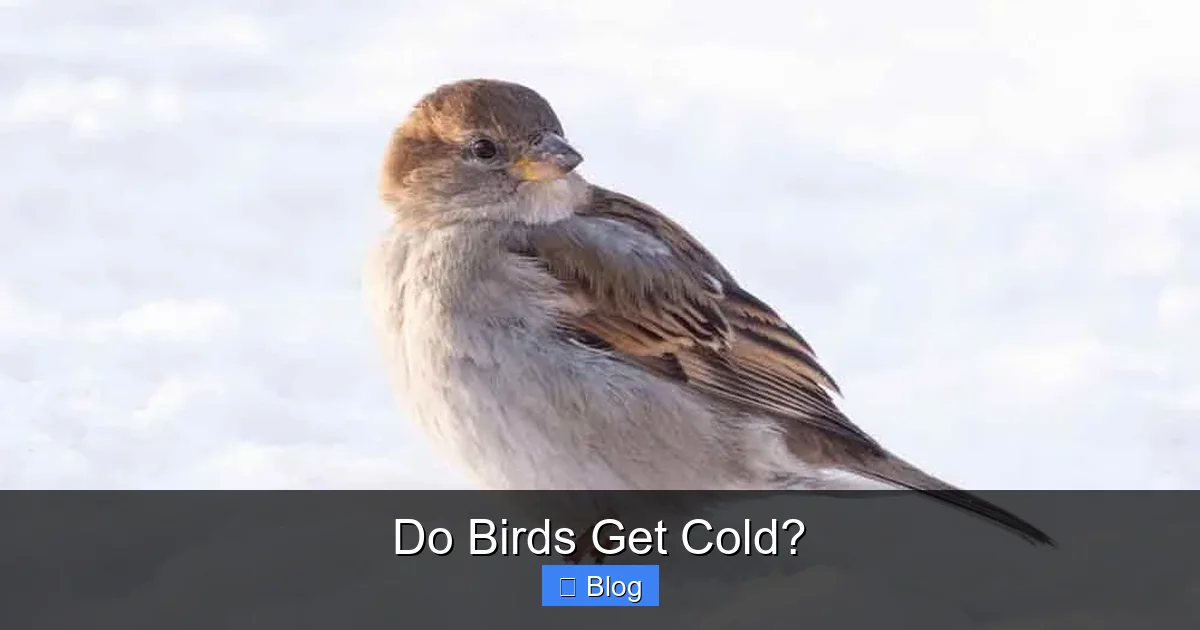
Visual guide about Do Birds Get Cold?
Image source: weknowbirds.com
- Excessive Puffiness: While some puffiness is normal, a bird that remains puffed up and inactive for a long time might be struggling to retain heat.
- Shivering Continuously: Prolonged, intense shivering is a sign that the bird’s metabolic rate is working overtime and might be failing to keep up.
- Lethargy and Immobility: A bird that is unusually still, slow to react, or appears sleepy during the day could be in trouble.
- Drooping Wings or Tail: This can indicate weakness or hypothermia.
- Eyes Closed or Half-Closed: Another sign of extreme weakness or illness.
What to Do (and What Not to Do)
If you observe a bird showing these signs, it’s natural to want to help. However, direct intervention can often do more harm than good.
- Observe First: Give the bird some space and observe from a distance. Sometimes, they are just resting.
- Call a Professional: The best course of action is to contact a local wildlife rehabilitator or animal rescue organization. They are trained to assess the situation and provide appropriate care.
- Avoid Handling: Handling a wild bird can cause immense stress, potentially injuring the bird or yourself.
Conclusion
So, do birds get cold? Absolutely. But the remarkable story isn’t just that they feel the chill, it’s about their incredible resilience and the astonishing ways they’ve evolved to cope with it. From their perfectly designed insulating feathers and high-octane metabolism to their clever behavioral strategies like huddling and finding shelter, birds are a testament to nature’s ingenuity.
Winter presents a daunting challenge for our feathered friends, a constant test of their ability to find food, conserve energy, and stay warm. By understanding their needs, we can play a crucial role in their survival. Providing reliable sources of high-energy food, access to unfrozen water, and safe roosting sites can make all the difference, transforming a struggle for survival into a chance to thrive. Let’s continue to watch, appreciate, and assist these tiny powerhouses as they bravely face the cold.
🎥 Related Video: Sunshine was sick 🙁
📺 Alen AxP
Watch my video here https://youtu.be/G3EqlmcDFCg SUBSCRIBE HERE: https://bit.ly/1MhbNy8 DISCORD: …
Frequently Asked Questions
What temperature is too cold for birds?
There isn’t a single “too cold” temperature for all birds, as their tolerance varies by species and adaptations. However, temperatures consistently below freezing, especially with wind and precipitation, significantly increase the challenge for most birds, requiring them to expend much more energy to stay warm.
Do all birds shiver?
Yes, shivering is a common physiological response across many bird species to generate heat. It’s an involuntary muscle contraction that rapidly produces warmth when other methods of heat retention aren’t sufficient, but it also consumes a lot of energy.
Can birds survive without food in cold weather?
No, not for long. Birds have a very high metabolism and burn calories rapidly to maintain their body temperature. In cold weather, they need a constant supply of high-energy food to survive, and even a single day without adequate food can be life-threatening for smaller birds.
How do birds keep their eggs warm in winter?
Birds typically do not lay eggs in the winter. Most species breed in spring and summer when temperatures are warmer and food is abundant. For the few species that might nest early, the parent bird (usually the female) incubates the eggs by sitting on them, transferring her body heat directly.
Is it true birds can freeze to death?
Yes, sadly, birds can and do freeze to death. While they have incredible adaptations, prolonged exposure to extreme cold, especially without sufficient food, water, or shelter, can overwhelm their ability to generate and conserve heat, leading to hypothermia and death.
What kind of food is best for birds in winter?
High-energy, high-fat foods are best for birds in winter. Excellent choices include black oil sunflower seeds, suet cakes, peanuts (unsalted), nyjer seeds for finches, and cracked corn. These provide the essential calories and fats needed to fuel their metabolism and stay warm.