

Birds employ a fascinating array of strategies to survive the cold, demonstrating nature’s incredible adaptability. They fluff their feathers for superior insulation, utilize remarkable metabolic processes like shivering and countercurrent heat exchange, and adapt their behavior by roosting, seeking shelter, and consuming high-energy foods. Understanding how birds stay warm in winter reveals their resilience and inspires us to support them.
How Do Birds Stay Warm in Winter?
As winter’s icy grip tightens, painting the world in shades of white and grey, many of us reach for our coziest sweaters, crank up the heat, and dream of warmer days. Yet, out in the frosty landscape, our feathered friends flutter and chirp, seemingly unfazed by the biting cold. They don’t have thermal underwear or heated homes, so it’s natural to wonder: How do birds stay warm in winter?
The answer is a beautiful symphony of sophisticated adaptations, remarkable physiology, and clever behaviors honed over millennia. Birds are true masters of winter survival, equipped with an impressive toolkit that allows them to brave even the harshest conditions. From their incredible feather coats to their metabolic furnaces and astute choices in shelter and food, every aspect of their lives is geared towards maintaining their delicate body temperature.
Join us on a fascinating journey to explore the incredible ways these resilient creatures thrive when the mercury drops. We’ll uncover the secrets behind their ability to endure freezing temperatures, providing insight into the marvels of the natural world and perhaps even inspiring a greater appreciation for the small, feathery residents of our winter landscapes. Understanding how birds stay warm in winter gives us a glimpse into the tenacious spirit of life itself.
Key Takeaways
- Feather Insulation is Key: Birds use their down and contour feathers to create an exceptional insulating layer, trapping warm air close to their bodies and protecting against wind and moisture.
- Metabolic Boosters: A naturally high metabolism, combined with controlled shivering, helps birds generate internal heat constantly, turning food into energy to fight the cold.
- Behavioral Brilliance: Strategies like fluffing feathers, tucking heads, communal roosting, seeking shelter, and even sunbathing are crucial behavioral adaptations that conserve or gain heat.
- Countercurrent Heat Exchange: A unique physiological adaptation in their legs and feet allows birds to minimize heat loss from their extremities, keeping them from freezing even on ice.
- Food is Fuel: Maintaining high-energy fat reserves and consistently finding high-calorie foods like seeds, nuts, and suet is vital for powering their internal heating systems throughout winter.
- Strategic Torpor: Some birds enter a controlled state of hypothermia called torpor to dramatically reduce their metabolic rate and conserve energy during extreme cold or food scarcity.
- Shelter Seeking: Finding natural cavities, dense vegetation, or even man-made birdhouses provides essential refuge from wind, precipitation, and predators, helping birds stay warm in winter.
Quick Answers to Common Questions
How do birds primarily insulate themselves against the cold?
Birds primarily use their feathers, particularly soft down feathers, to trap layers of warm air close to their bodies, providing excellent insulation against low temperatures and wind.
What is the main purpose of birds fluffing up their feathers in winter?
By fluffing up their feathers, birds increase the amount of air trapped within their plumage, which enhances the insulating layer and helps them retain body heat more effectively.
How do birds keep their feet from freezing on ice or snow?
Birds utilize a physiological adaptation called countercurrent heat exchange, where warm arterial blood transfers heat to cold venous blood in their legs and feet, minimizing heat loss from their extremities.
What is torpor, and why do some birds use it in winter?
Torpor is a temporary, controlled state of reduced metabolic activity and lowered body temperature that some birds enter to conserve energy during extremely cold periods or when food is scarce.
Why is a high-energy diet crucial for birds in winter?
A high-energy diet, rich in fats and calories, is crucial because birds need a constant supply of fuel to maintain their high metabolic rate and generate enough internal heat to stay warm.
📑 Table of Contents
The Marvel of Feathers: Nature’s Ultimate Winter Coat
Think of a bird’s feathers not just as beautiful adornments, but as a meticulously engineered winter wardrobe. Feathers are arguably the most critical component in answering how birds stay warm in winter. They provide unparalleled insulation, creating a lightweight yet incredibly effective barrier against the cold.
Down vs. Contour Feathers: A Two-Layer System
Birds possess different types of feathers, each playing a specific role. The outer layer consists of contour feathers, which are stiff, overlapping, and give the bird its streamlined shape. These feathers act like a windbreaker and raincoat, shedding precipitation and blocking harsh winds. Beneath this protective outer shell lies the secret weapon: down feathers. These fluffy, soft feathers lack barbs that interlock, allowing them to create a dense, chaotic matrix. This structure is a master at trapping air – and still air is one of the best insulators known. The more air trapped among the down feathers, the better the insulation, much like the layers of air in a down jacket keep us warm.
The Art of Preening: Maintaining Feather Integrity
For feathers to work effectively, they must be in pristine condition. Birds spend a significant amount of time preening, using their beaks to meticulously clean and rearrange their feathers. During preening, they also distribute oil from a gland near their tail (the uropygial gland) over their feathers. This oil not only keeps feathers flexible but also makes them water-resistant, which is crucial. Wet feathers lose their insulating properties rapidly, making a bird vulnerable to hypothermia. A well-oiled, perfectly arranged feather coat is paramount for a bird to stay warm in winter.
Fluffing Up for Warmth: A Simple Yet Effective Trick
You’ve likely seen a small bird looking noticeably rounder on a cold day. This isn’t just a trick of the light; it’s a deliberate action. When cold, birds fluff up their feathers. By doing this, they increase the volume of trapped air within their down layer, significantly enhancing its insulating capacity. It’s like adding an extra layer of insulation to their personal winter coat. The difference between a sleek, cold bird and a puffed-up, warm bird can be striking, showcasing an immediate and visible way how birds stay warm in winter.
Metabolic Miracles: Internal Heating Systems
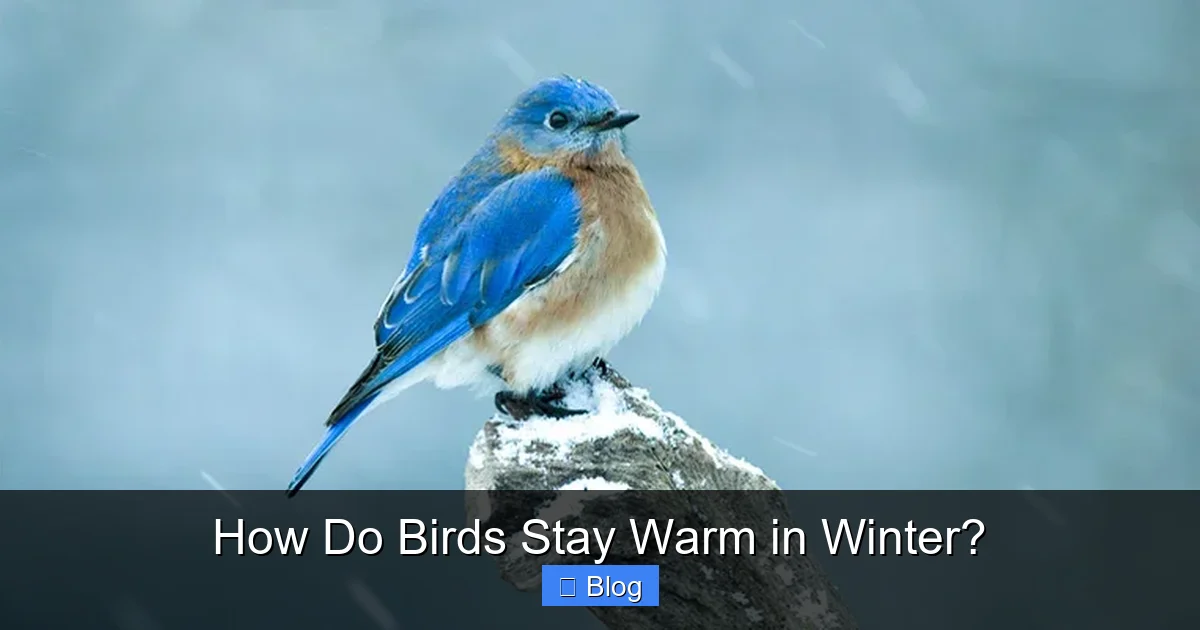
Visual guide about How Do Birds Stay Warm in Winter?
Image source: theworldsrarestbirds.com
While feathers provide excellent external protection, birds also have incredible internal mechanisms for generating and conserving heat. Their physiology is a powerhouse, constantly working to maintain a high body temperature, often around 105-110°F (40-43°C), even when external temperatures plummet.
High Metabolism and Shivering: Fueling the Furnace
Birds have a naturally high metabolic rate, meaning their bodies are constantly burning energy to produce heat. This is why they need to eat so frequently, especially in winter. When the ambient temperature drops significantly, their metabolism kicks into overdrive, and they begin to shiver. Just like humans, a bird’s shivering is an involuntary muscle contraction that generates heat. Small, rapid tremors in their muscles consume energy and release warmth, acting as a crucial internal heater when passive insulation isn’t enough. It’s a demanding process, requiring a lot of energy, but it’s essential for how birds stay warm in winter.
Countercurrent Heat Exchange in Legs and Feet: A Cold-Proof Design
One of the most astonishing adaptations is the bird’s ability to keep its unfeathered legs and feet from freezing, even when standing on ice or snow. This is achieved through a marvel of vascular engineering called countercurrent heat exchange. Arteries carrying warm blood from the bird’s body to its feet run immediately alongside veins carrying cold blood back from the feet. As the warm arterial blood flows downwards, it transfers much of its heat to the colder venous blood flowing upwards. By the time the arterial blood reaches the feet, it’s already significantly cooled, minimizing heat loss to the environment. Conversely, the venous blood returning to the body is pre-warmed, preventing a sudden drop in core body temperature. This elegant system ensures that only minimally warmed blood reaches the extremities, reducing heat loss while keeping tissues from freezing.
Torpor: A Strategic Energy Saver
For some species, especially smaller birds with higher metabolic demands and limited food sources, there’s an even more extreme strategy: torpor. Torpor is a controlled, temporary state of hypothermia, similar to hibernation but shorter-term, often lasting only a night. During torpor, a bird significantly lowers its body temperature, heart rate, and metabolic rate, sometimes by as much as 90%. This dramatically reduces the energy needed to stay warm. Hummingbirds are famous for this, but chickadees, swifts, and poorwills also utilize it. While effective, rousing from torpor takes time and energy, leaving the bird vulnerable for a period. It’s a high-stakes survival tactic for when resources are scarce and understanding how birds stay warm in winter sometimes means understanding how they *stop* trying to stay warm for a bit.
Smart Survival Strategies: Behavioral Adaptations
Beyond their physical attributes, birds exhibit a wide range of intelligent behaviors that play a vital role in their winter survival. These learned or instinctive actions are crucial for conserving energy and finding optimal conditions.
Roosting Together: Safety in Numbers
Many bird species will gather in communal roosts during winter nights. Groups of birds, sometimes dozens or even hundreds, will huddle together in dense trees, shrubs, or sheltered cavities. This behavior provides several benefits. Firstly, it offers safety in numbers against predators. Secondly, and perhaps most importantly for warmth, it allows them to share body heat. The birds on the inside of the huddle benefit most from the collective warmth, while those on the outside rotate positions throughout the night. This communal roosting is a powerful example of how birds stay warm in winter through cooperation.
Sunbathing and Shelter Seeking: Maximizing Environmental Heat
On sunny winter days, you might spot birds perched in direct sunlight, fluffing their feathers and exposing their backs to the sun’s rays. This is a deliberate act of sunbathing, allowing them to absorb radiant heat and reduce the energy they need to generate internally. Similarly, birds are expert at finding the best natural shelters. Dense evergreens, thickets, tree cavities, brush piles, and even the lee side of buildings offer protection from wind and snow, creating microclimates that are several degrees warmer than the exposed environment.
Tucking In: Conserving Every Bit of Heat
When resting, birds often adopt postures that minimize heat loss. They’ll often pull their head into their shoulder feathers, covering their unfeathered beak and eyes. They might also tuck one or both legs up into their belly feathers. This reduces the exposed surface area of their body and covers areas where heat can easily escape, such as the face and extremities. This simple “tucking in” maneuver is a common sight and a practical answer to how birds stay warm in winter by consciously reducing heat radiation.
Fueling the Furnace: The Critical Role of Food
All the incredible adaptations and behaviors require energy, and that energy comes from food. In winter, finding enough high-quality food becomes a matter of life or death, as their metabolic demands are incredibly high just to stay alive.
High-Energy Diets: What Birds Eat in Winter
Birds prioritize foods that are rich in fats and calories during winter. Seeds, nuts, and suet become critically important. Many wild berries and fruits also remain available throughout winter, providing essential sugars and nutrients. Insectivorous birds face a tougher challenge as insects become scarce. Some switch to a more omnivorous diet, foraging for dormant insects or insect larvae hidden in bark, while others, like woodpeckers, continue to excavate insects from wood. Understanding what birds eat in winter highlights their specific dietary needs during the colder months.
Foraging Ingenuity: Finding Food When It’s Scarce
Winter requires birds to be highly efficient and adaptable foragers. They learn to remember food caches, exploit new food sources, and forage continuously throughout the short daylight hours. Chickadees, for example, are known for their ability to cache seeds in hundreds of different locations and remember where they put them, a crucial strategy for how birds stay warm in winter when food isn’t readily available. Their internal clocks and sharp memories are essential tools.
Building Fat Reserves: Storing Energy for the Night
Since finding food is often difficult and energy-intensive, birds try to build up fat reserves during the day. These fat deposits serve as vital energy stores, particularly for surviving long, cold winter nights when they cannot feed. A small bird might lose 10% of its body weight overnight just from staying warm. Therefore, consuming enough high-energy food during the day to replenish those reserves is paramount for their survival. Without sufficient fuel, all other adaptations might not be enough to prevent hypothermia.
Seeking Refuge: Finding Shelter from the Storm
Even with amazing feathers and high metabolism, direct exposure to harsh winter elements can be deadly. Shelter provides vital protection from wind, snow, and ice, allowing birds to conserve energy and rest more effectively. This is a fundamental aspect of how birds stay warm in winter.
Natural Nooks and Crannies: The Best Retreats
Birds are masters at locating the best natural shelters. Dense evergreen trees and shrubs offer excellent protection from wind and snow, acting as natural windbreaks and insulators. Tree cavities, snags, rock crevices, and even the underside of bridges provide enclosed spaces that trap warmth and offer refuge from predators and the elements. Thickets and brush piles are also popular, offering a tangle of branches that block wind and create pockets of warmer air.
Man-Made Havens: Your Role in Providing Shelter
While birds are resourceful, human intervention can significantly help. Old, uncleaned birdhouses can offer valuable roosting sites, especially if they are designed with proper ventilation to prevent moisture buildup but are otherwise enclosed. Roosting boxes, specifically designed with an entrance hole near the bottom and perches inside, provide excellent communal shelters. Even leaving garden debris like spent perennial stalks and brush piles can offer much-needed protection. A sheltered bird is a bird that can dedicate more energy to staying warm internally rather than fighting off external forces.
The Surprise of Snow Roosts: Unexpected Insulation
Some birds, like grouse and even smaller species such as juncos, will occasionally dive into soft snow to create a temporary burrow or roosting spot. Snow, counter-intuitively, is an excellent insulator. The air pockets trapped within the snow act as a barrier against extreme cold, protecting the bird from howling winds and frigid temperatures above. It’s a remarkable, natural igloo for a bird, demonstrating yet another ingenious way how birds stay warm in winter.
Conclusion
The resilience of birds in winter is nothing short of awe-inspiring. They employ a sophisticated blend of physiological wonders, precise behavioral adjustments, and the incredible insulating power of their feathers to survive and even thrive in conditions that would quickly overwhelm most other creatures. Every flutter, every peck at a seed, every communal huddle is a testament to their enduring will to survive the harshest season.
From the intricate design of their feathers and the marvel of countercurrent heat exchange in their tiny feet, to their strategic use of torpor and their relentless search for high-energy foods, birds demonstrate nature’s ingenuity at its finest. Understanding how birds stay warm in winter not only deepens our appreciation for these tenacious creatures but also highlights the delicate balance of their existence. By offering food, clean water, and safe shelter, we can play a small but meaningful role in helping our feathered neighbors weather the cold and continue to bring joy to our winter landscapes. Their struggle is a powerful reminder of life’s remarkable adaptability and persistence.
🎥 Related Video: How Do Birds Stay Warm in the Winter?
📺 Cornell Lab of Ornithology
How do birds survive in cold climates? Take a close-up look at some backyard birds in snow and in slow motion to showcase their …
Frequently Asked Questions
Do all birds stay for the winter, or do some migrate?
No, not all birds stay for the winter. Many species, known as migratory birds, travel to warmer climates where food is more abundant. Resident birds, however, have evolved specific adaptations to cope with the challenges of winter in their home territories.
What kind of food is best to offer birds in winter to help them stay warm?
High-energy foods are best for birds in winter. Offer black oil sunflower seeds, nyjer (thistle) seeds, shelled peanuts, suet, and cracked corn. These foods are rich in fats and calories, providing essential fuel for their high metabolism.
Is providing water important for birds in winter?
Yes, providing a source of unfrozen water is very important. Birds need water for drinking and preening, and finding open water can be challenging in freezing temperatures. A heated bird bath can be a lifesaver.
Can providing birdhouses help birds stay warm in winter?
Absolutely! Birdhouses, especially those designed as roosting boxes with an entrance near the bottom and internal perches, offer crucial shelter from wind, snow, and predators, helping birds conserve energy and stay warm.
How cold can birds typically survive?
The survival threshold varies greatly by species. Some Arctic birds can withstand temperatures well below -40°F (-40°C) thanks to specialized adaptations. Even smaller backyard birds, like chickadees, can survive sub-zero temperatures with sufficient food and shelter.
Do birds ever freeze to death in winter?
Unfortunately, yes, birds can freeze to death, especially during prolonged periods of extreme cold, heavy storms, or when food sources are scarce. The most vulnerable are often the young, old, or sick birds that struggle to maintain their fat reserves and find adequate shelter.