

Hummingbirds are tiny marvels with surprisingly varied lifespans. While many wild hummingbirds live only 3-5 years due to their high metabolism and numerous environmental challenges, some individuals, especially under ideal conditions or in captivity, can reach incredible ages of 10-12 years or even more. Understanding how long hummingbirds live depends on factors like species, habitat quality, food availability, predation, and even human assistance through feeders and native gardens.
Imagine a creature so small, yet so vibrant, a living jewel darting through your garden like a miniature helicopter. We’re talking, of course, about hummingbirds! These incredible birds fascinate us with their dazzling colors, impossibly fast wingbeats, and unique ability to hover. They bring so much joy and wonder to our lives, making us naturally curious about every aspect of their existence.
One of the most common questions people ask when they see these tiny titans is: “How long do hummingbirds live?” It’s a great question, and the answer might surprise you! You see, given their diminutive size and incredibly high metabolism, one might assume their lives are fleeting, a mere blink of an eye in the grand scheme of nature. But hummingbirds are tougher than they look, full of resilience and survival instincts.
In this comprehensive guide, we’re going to dive deep into the fascinating world of hummingbird longevity. We’ll explore their typical lifespans, uncover the incredible stories of record-breaking individuals, and examine all the crucial factors that play a role in how long these feathered friends grace our skies. Get ready to learn how you can even help these remarkable creatures live longer, healthier lives!
Key Takeaways
- Average Lifespan: Most wild hummingbirds typically live for 3 to 5 years, a remarkable feat given their small size and intense metabolism.
- Record Breakers: The longest recorded lifespan for a wild hummingbird is over 12 years, demonstrating their surprising resilience under optimal conditions.
- Key Influencing Factors: Longevity is heavily impacted by predation, habitat quality, consistent food availability, harsh weather, and the perilous challenges of annual migration.
- Human Impact: Well-maintained feeders and gardens rich in native, nectar-producing plants can significantly support hummingbird survival, while pesticides pose a serious threat.
- Metabolic Marvels: Their incredibly high metabolic rate demands constant feeding and efficient energy conservation strategies like torpor to survive, directly influencing how long they can live.
- Banding Studies: Most of our knowledge about hummingbird lifespans comes from long-term banding studies, which track individual birds over many years.
- How You Can Help: Providing clean feeders, planting native flowers, ensuring safe resting spots, and supporting conservation efforts are vital steps to help hummingbirds live longer.
Quick Answers to Common Questions
What is the average lifespan of a hummingbird?
The average lifespan for most wild hummingbirds is about 3 to 5 years, though this can vary by species and individual circumstances.
What is the longest a hummingbird has ever lived?
The longest recorded lifespan for a wild hummingbird is over 12 years, belonging to a Broad-tailed Hummingbird identified through banding studies.
What do hummingbirds eat that helps them live longer?
Hummingbirds primarily feed on nectar from flowers and sugar water from feeders, which provides essential energy. They also consume small insects and spiders for protein, crucial for growth and overall health.
How do hummingbirds survive cold nights?
To survive cold nights or periods of food scarcity, hummingbirds enter a state called torpor, where they dramatically lower their body temperature and metabolic rate, conserving vital energy.
Do feeders really help hummingbirds live longer?
Yes, well-maintained and clean hummingbird feeders can provide a crucial, reliable energy source, especially during lean times, which can contribute to their survival and potentially extend their lifespan.
📑 Table of Contents
The Basics of Hummingbird Lifespan
So, let’s get right to it: how long do hummingbirds live on average? The simple answer is often more complex than we’d like, as it varies significantly. However, for most wild hummingbirds, a common life expectancy ranges from 3 to 5 years. This might seem short compared to a pet parrot or a large bird of prey, but for a creature that weighs less than a nickel and burns energy at an astounding rate, it’s quite an achievement!
Think about it: every day is a constant search for nectar, a perilous journey through the air, and a constant vigilance against predators. Their lives are a non-stop metabolic marathon. Despite these challenges, many hummingbirds beat the odds, surviving several breeding seasons and making multiple migrations, sometimes thousands of miles long. It’s a testament to their incredible adaptability and toughness.
Average Lifespan vs. Record Breakers
While 3 to 5 years is a good general benchmark, the story of hummingbird longevity doesn’t end there. There are always exceptional individuals who defy the averages. The longest recorded lifespan for a wild hummingbird belongs to a female Broad-tailed Hummingbird, banded in Colorado, who lived an astonishing 12 years and 2 months! Imagine that little bird, year after year, returning to the same breeding grounds, enduring winters, and raising new generations. It’s truly mind-boggling!
Other species also show impressive longevity. For instance, a female Rufous Hummingbird has been recorded living for 8 years, and an Allen’s Hummingbird for 7 years. These records come from extensive banding studies, where scientists attach tiny, lightweight bands to a bird’s leg. When the bird is recaptured later, researchers can track its age and movements. Without these dedicated efforts, understanding how long hummingbirds live would be much more difficult.
The Ruby-throated Hummingbird: A Common Example
Let’s consider one of the most common and beloved species in Eastern North America, the Ruby-throated Hummingbird. For these little jewels, a typical lifespan in the wild is also around 3 to 5 years. However, like their western cousins, some individuals push past this average. The oldest known Ruby-throated Hummingbird, also identified through banding, lived to be 9 years old. This bird likely made nine round trips from its breeding grounds in North America to its wintering grounds in Central America – a truly epic journey for such a small creature, spanning tens of thousands of miles over its lifetime!
These examples highlight that while averages give us a general idea, individual resilience and a bit of luck can lead to remarkably long lives for these tiny birds. It makes you wonder what extraordinary stories each hummingbird in your garden might tell if they could speak!
Factors Influencing Lifespan
Understanding how long hummingbirds live isn’t just about averages and records; it’s about the multitude of daily challenges and environmental factors they face. These tiny birds live on the edge, constantly battling against a host of elements that can shorten their lives. From cunning predators to harsh weather, their existence is a testament to their incredible will to survive.
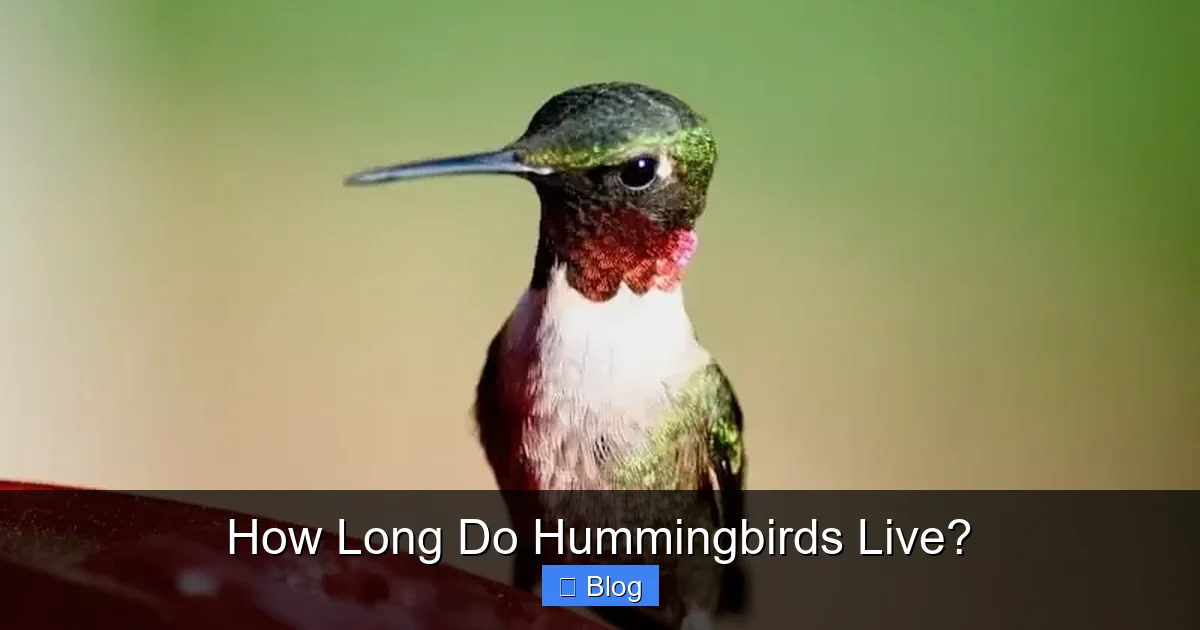
Visual guide about How Long Do Hummingbirds Live?
Image source: birdfeederhub.com
Predation and Accidents
Despite their incredible agility and speed, hummingbirds are not immune to predators. Their small size makes them potential prey for a surprising array of animals. Larger birds, like jays, orioles, and even other raptors, might target them. However, perhaps more common threats come from unexpected sources. Praying mantises, large spiders (especially orb weavers), and even some frogs can ambush a feeding hummingbird.
Cats, particularly domestic cats allowed outdoors, are also significant predators. A cat’s natural hunting instinct, combined with a hummingbird’s focused attention on nectar, can quickly lead to tragedy. Accidents are also a factor. Collisions with windows, cars, or getting caught in spiderwebs can prove fatal. Young hummingbirds, in particular, face a steep learning curve, and their first year of life is often the most dangerous, with many not surviving to their second year.
Habitat Quality and Food Availability
The quality of a hummingbird’s habitat directly impacts its chances of survival and, therefore, how long it lives. A rich, diverse environment with an abundance of flowering plants that provide nectar and small insects is crucial. If a hummingbird has to spend excessive time and energy searching for food, it leaves less time for rest and increases its exposure to danger. Areas with declining native plant populations or widespread use of pesticides can severely limit a hummingbird’s food sources.
Water sources are also important, not just for drinking, but for bathing. While they don’t typically drink from open water, hummingbirds need access to dew, raindrops on leaves, or misters to keep their feathers clean and healthy, which is vital for efficient flight and insulation. Without a consistent and readily available food and water supply, their energy reserves deplete quickly, putting them at severe risk.
Weather Extremes and Migration Challenges
Weather plays a massive role in hummingbird survival. Extreme heat can lead to dehydration and overheating, while unexpected cold snaps, especially during migration or early breeding season, can be deadly. Hummingbirds rely on a constant intake of nectar to fuel their incredibly high metabolism. If temperatures drop too low, especially overnight, their food plants may stop producing nectar, or the birds may become too chilled to forage effectively.
Migration itself is one of the most perilous periods in a hummingbird’s life. Species like the Ruby-throated Hummingbird travel thousands of miles, often crossing large bodies of water like the Gulf of Mexico, in a single, non-stop flight. They face storms, strong winds, and the immense energy demands of such a journey. Many individuals, especially juveniles on their first migration, do not complete the trip. The success of their migration directly affects their ability to breed and contribute to the next generation, thus impacting their overall lifespan.
The Role of Human Interaction
Our relationship with hummingbirds is unique. While we can, often unintentionally, pose threats, we also have an immense capacity to positively influence how long hummingbirds live. By making conscious choices in our gardens and understanding their needs, we can become crucial allies in their struggle for survival, extending the lives of these delicate birds.
The Benefits of Hummingbird Feeders
One of the most direct ways humans interact with hummingbirds is through feeders. A well-maintained hummingbird feeder can be a lifesaver, especially during periods when natural nectar sources are scarce, such as early spring when flowers are just emerging or late fall before migration. They provide a reliable, high-energy food source that can help birds refuel quickly.
However, proper feeder maintenance is paramount. Hummingbird feeders must be kept spotlessly clean to prevent the growth of harmful molds and bacteria. The sugar solution should be changed frequently – daily in hot weather, every other day in mild weather. A dirty feeder can make hummingbirds very sick, potentially causing more harm than good. Providing a safe, clean feeder is a tangible way to support their energy needs and contribute to their longevity.
Creating a Hummingbird-Friendly Garden
Beyond feeders, creating a garden rich in native, nectar-producing plants is perhaps the best long-term support you can offer. Native plants are adapted to your local climate and soil, require less maintenance, and provide the precise type of nectar and small insects hummingbirds have evolved to utilize. Red, tubular flowers are particularly attractive, but hummingbirds will visit a wide variety of colors and shapes.
Examples of excellent native hummingbird plants include Bee Balm (Monarda), Cardinal Flower (Lobelia cardinalis), Trumpet Vine (Campsis radicans), Columbine (Aquilegia), and Penstemon. By planting a succession of these flowers that bloom from spring through fall, you ensure a continuous food supply throughout their active season. A diverse garden also provides essential cover for nesting and resting, offering protection from predators and the elements, which directly impacts how long hummingbirds live in your area.
The Dangers of Pesticides
Conversely, one of the most detrimental human impacts on hummingbirds is the widespread use of pesticides. While hummingbirds primarily feed on nectar, they also consume vast numbers of small insects – gnats, aphids, mosquitoes, and spiders – which are crucial sources of protein, especially for growing chicks. When you spray pesticides, you eliminate this vital food source. Furthermore, hummingbirds can directly ingest harmful chemicals from contaminated flowers or insects, leading to illness or death.
To protect hummingbirds and other beneficial wildlife, commit to gardening without harmful chemicals. Embrace organic practices, use natural pest control methods, and tolerate a few bugs in your garden. A healthy, chemical-free environment ensures a thriving ecosystem that can support these incredible birds for years to come.
The Science Behind Longevity
To truly understand how long hummingbirds live, we need to peek into their incredible physiology. These tiny dynamos are biological marvels, pushing the boundaries of what’s possible for avian life. Their existence is a constant battle against energy depletion, driven by an unparalleled metabolic engine.
Metabolic Rate and Energy Demands
Hummingbirds possess the highest metabolic rate of any warm-blooded animal, except possibly for some shrews. This means they burn energy at an extraordinary pace. Their hearts can beat over 1,200 times per minute, and their wings can flap up to 80 times per second! To sustain this frantic activity, they must feed almost constantly, consuming up to twice their body weight in nectar and insects daily.
This extreme metabolic rate is a double-edged sword. It allows for their spectacular aerial acrobatics and intense lifestyle, but it also means they are always on the brink of starvation. A hummingbird can go from full to empty in a matter of hours. If they miss a few meals, especially during cold weather, they can quickly perish. To survive chilly nights or periods of food scarcity, hummingbirds enter a state called torpor, similar to hibernation, where they drastically lower their body temperature and metabolic rate. This remarkable adaptation saves precious energy and is crucial for their survival, directly impacting their potential lifespan.
Insights from Banding Studies
Much of what we know about how long hummingbirds live comes from dedicated, long-term banding studies. Scientists capture hummingbirds using specialized, harmless traps, attach a tiny, uniquely numbered aluminum band to one leg, record data (species, sex, age, weight, wing length), and then release the bird. The band is so small and light that it doesn’t impede the bird’s flight or daily activities.
When a banded bird is recaptured, sometimes years later and hundreds or thousands of miles away, researchers can piece together its life story. These studies have not only revealed maximum lifespans but also provided invaluable data on migration routes, population trends, reproductive success, and habitat usage. Without the painstaking efforts of these researchers and volunteers, our understanding of hummingbird longevity would be largely speculative, limiting our ability to conserve these amazing creatures effectively.
Specific Species Lifespans
While we’ve discussed general averages and record holders, it’s worth noting that lifespan can vary somewhat among different hummingbird species. While many share similar challenges and adaptations, subtle differences in size, migration patterns, and habitat preferences can play a role in their overall longevity.
North American Species
In North America, many of the commonly observed species, such as the Ruby-throated, Anna’s, Rufous, and Broad-tailed Hummingbirds, tend to fall within that 3-5 year average range. However, some, like Anna’s Hummingbirds, which are less migratory and can be year-round residents in parts of their range, might have a slight advantage in terms of not having to undertake arduous migrations annually. The oldest recorded Anna’s lived for 8 years and 3 months.
Rufous Hummingbirds, known for their incredible long-distance migrations from Alaska all the way to Mexico, face immense challenges, yet individuals have been recorded living for 8 years. This highlights the incredible endurance of these small birds, despite the energy-intensive demands of their journeys. Each species, regardless of its specific lifespan, embodies remarkable resilience.
Other Notable Species
Beyond North America, the general principle holds true: smaller, more delicate species often have shorter lifespans, while slightly larger or more robust species might live a bit longer, provided conditions are favorable. For instance, some of the larger species found in Central and South America, where many hummingbirds reside year-round without long migrations, could theoretically live longer under consistent food and habitat conditions.
However, collecting extensive banding data for every one of the over 300 hummingbird species across the Americas is a monumental task. As a result, specific longevity records for many species are less common than for those that are more frequently studied in North America. Still, the overarching message remains: these are tough, adaptable birds whose lives, though often short, are intensely lived and full of wonder.
How You Can Help Hummingbirds Live Longer
If you’re inspired by these tiny warriors and want to know how you can contribute to their survival and help them live longer, there are several practical and impactful steps you can take. Every little bit helps, and by acting as a responsible steward, you can make a real difference in their lives.
Maintaining Clean Feeders
As mentioned earlier, a clean feeder is a healthy feeder. Commit to a strict cleaning schedule. In hot weather (above 80°F or 27°C), clean and refill your feeder daily. In cooler weather, every other day or every 2-3 days is usually sufficient. Use hot water and a bottle brush, and avoid soap if possible, or rinse thoroughly if you do use it. A dilute bleach solution (1 part bleach to 9 parts water) can be used for occasional deep cleaning, but again, rinse exceptionally well afterward. Never allow mold or fermentation to occur in the sugar water; it’s extremely harmful to hummingbirds.
Remember the recipe for nectar: 1 part plain white table sugar (sucrose) to 4 parts water. Boil to dissolve, then let cool completely before filling the feeder. Never use honey, artificial sweeteners, or red dye; these can be detrimental to their health.
Providing Safe Resting Spots
Hummingbirds need places to rest, roost, and build their tiny nests, safe from predators and harsh weather. Plant dense shrubs and trees native to your area. These provide crucial cover and protection. Consider placing your feeders near natural cover, but not so close that predators can easily ambush them. Reducing outdoor cat populations is also a vital step in providing a safe environment for all small birds.
Another often overlooked danger is window collisions. Many birds, including hummingbirds, can collide with reflective glass. You can help by placing decals, tapes, or screens on your windows, especially those that reflect sky or foliage. Even drawing patterns on the outside of your windows with soap can help reduce collisions.
Supporting Conservation Efforts
Beyond your own backyard, consider supporting organizations dedicated to hummingbird research and conservation. Many groups monitor populations, conduct banding studies, and advocate for habitat preservation. Your contributions can help fund these essential efforts, directly impacting how long hummingbirds live on a broader scale.
Finally, simply spreading awareness about these magnificent birds and their needs is a powerful act. Educate your friends, family, and neighbors about the importance of native plants, responsible feeder practices, and pesticide-free gardening. The more people who understand and care, the better the chances for these tiny wonders to thrive for generations to come.
So, how long do hummingbirds live? We’ve seen that while their average lifespan is a few years, these little powerhouses can, against incredible odds, defy expectations and live for a decade or more. Their lives are a vibrant tapestry of relentless energy, breathtaking beauty, and incredible resilience. Every day is a struggle, yet every day they continue to astonish us.
The next time a hummingbird zips past you, take a moment to truly appreciate the life it represents. Think about the epic migrations it might have endured, the challenges it has overcome, and the sheer miracle of its existence. By providing a safe, natural, and nourishing environment, we can all play a part in ensuring these feathered jewels continue to grace our world for as long as possible. Their longevity is not just a scientific fact; it’s a testament to nature’s enduring spirit and our capacity to protect it.
🎥 Related Video: How Long Do Hummingbirds Live? – Ecosystem Essentials
📺 Ecosystem Essentials
How Long Do Hummingbirds Live? In this informative video, we will discuss the fascinating world of hummingbirds and their …
Frequently Asked Questions
Are male or female hummingbirds more likely to live longer?
Generally, female hummingbirds tend to live slightly longer than males. This is often attributed to males expending more energy defending territories and performing intense courtship displays, which can take a greater toll on their bodies.
Can hummingbirds get too fat from feeders?
No, hummingbirds cannot get too fat from feeders. Their incredibly high metabolism ensures they burn off calories almost as quickly as they consume them. They need constant energy to fuel their active lifestyle and maintain body temperature.
How many times a day do hummingbirds feed?
Hummingbirds feed very frequently, often every 10-15 minutes throughout the day. They need to consume up to twice their body weight in food daily to sustain their high metabolic rate and energy demands.
Do hummingbirds mate for life?
No, hummingbirds do not mate for life. They are generally solitary birds, and males and females only come together for the brief act of mating. The female alone builds the nest, incubates the eggs, and raises the young.
What predators pose the biggest threat to hummingbirds?
Common predators include domestic cats, larger birds (like jays and raptors), praying mantises, and large spiders. Young hummingbirds are especially vulnerable, and environmental factors like habitat loss are also major threats.
How do hummingbirds find their way during migration?
Hummingbirds are incredible navigators, using a combination of cues to find their way during migration. These include the sun’s position, the Earth’s magnetic field, landmarks, and possibly even olfactory (smell) cues.