
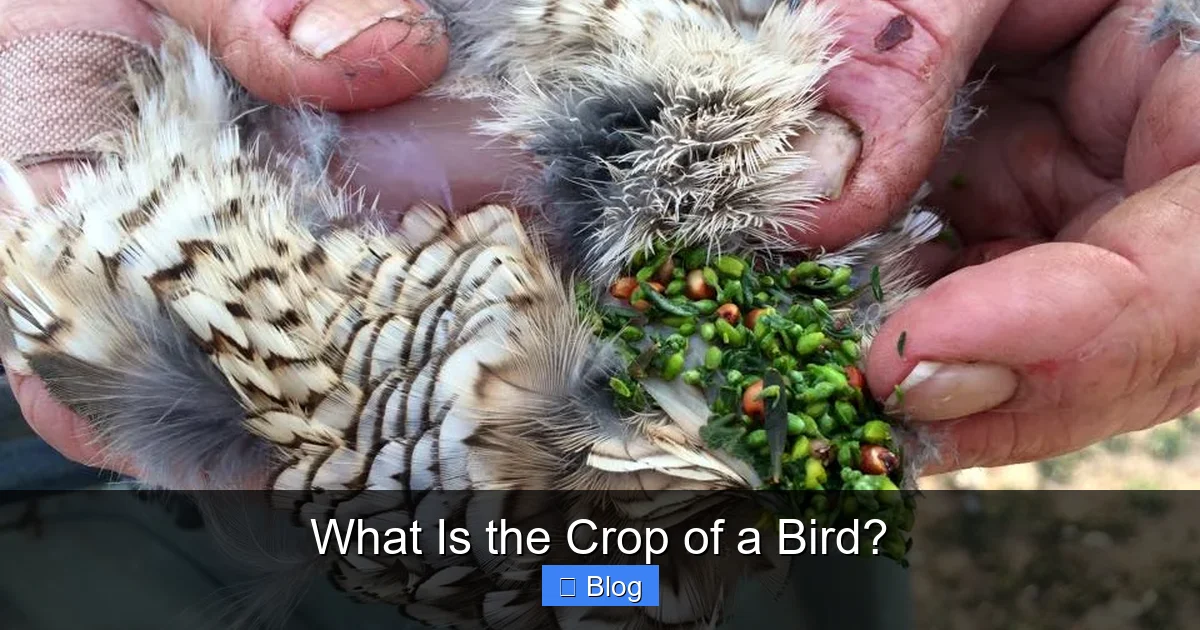
The crop is a fascinating, muscular pouch found in the esophagus of many birds, acting primarily as a temporary storage unit for food. It allows birds to quickly consume large amounts of food, store it, and then digest it gradually later. This remarkable adaptation is crucial for survival, aiding in everything from nutrient absorption to feeding hungry chicks, showcasing the incredible efficiency of avian anatomy.
Birds are truly incredible creatures, masters of the sky and adapted to a myriad of environments. From their hollow bones designed for flight to their complex social behaviors, every aspect of a bird’s anatomy and physiology tells a story of survival and evolution. But among their many fascinating features, there’s one organ that often sparks curiosity, especially when you see a bird with a bulging throat after a good meal: the crop.
So, what is the crop of a bird, exactly? Think of it as a bird’s built-in snack compartment or a grocery bag they carry inside their body. This remarkable organ plays a much more vital role than just holding dinner; it’s central to their feeding strategies, energy management, and even how they raise their young. Understanding the crop gives us a deeper appreciation for the amazing world of our feathered friends. Let’s dive in and explore this amazing avian innovation!
Key Takeaways
- The Crop as a Storage Pouch: The bird’s crop is an expandable, muscular sac located in the esophagus, serving as a temporary holding area for ingested food before it moves to the stomach for digestion.
- Crucial for Rapid Foraging: This organ enables birds to quickly eat large quantities of food when available, especially in risky environments, and then retreat to safety to digest it over time.
- Aids in Food Softening: Food held in the crop is moistened and softened by saliva and crop fluids, making it easier for the gizzard and stomach to process.
- Essential for Feeding Young: Many bird species, like pigeons and doves, use their crop to produce “crop milk,” a nutrient-rich substance, or to store food that is then regurgitated to feed their chicks.
- Not Universal Across All Birds: While common, not all bird species possess a crop. Its presence and size vary greatly depending on the bird’s diet and foraging habits.
- Health Indicator for Pet Birds: For bird owners, monitoring the crop’s condition (fullness, emptying time, absence of sourness) is a key aspect of ensuring their pet’s digestive health.
- Distinct from the Gizzard: It’s important to differentiate the crop, which is for storage, from the gizzard, which is a muscular stomach responsible for grinding food.
Quick Answers to Common Questions
What is the primary function of a bird’s crop?
The primary function of a bird’s crop is to temporarily store ingested food before it moves on to the stomach for digestion.
Do all birds have a crop?
No, not all birds have a crop. Its presence and size vary greatly depending on the bird’s diet and foraging habits; for example, birds of prey often have a much smaller or absent crop.
What is “crop milk” and which birds produce it?
“Crop milk” is a nutrient-rich, protein and fat-filled substance produced in the lining of the crop, which is then regurgitated to feed young chicks. Pigeons and doves are well-known for producing crop milk.
How does the crop differ from the gizzard?
The crop is for temporary food storage and softening, while the gizzard is a muscular stomach responsible for grinding food, often with the help of ingested grit.
What are some signs of a healthy crop in a pet bird?
A healthy crop in a pet bird should feel soft and full after eating, and it should gradually empty over a few hours. No foul odor or persistent distension should be present.
📑 Table of Contents
What Exactly Is the Crop of a Bird?
At its simplest, the crop is an expandable, muscular pouch that forms part of a bird’s esophagus. The esophagus is the tube that carries food from the mouth to the stomach. In many bird species, just before the food reaches the main digestive organs, it pauses in this special sac. Its primary function is food storage, acting as a temporary holding area where food can be kept before the more complex digestion process begins further down the line.
A Pre-Stomach Pouch
Imagine you’re a bird living in the wild. Food might be abundant for a short time, but danger could be lurking nearby. You need to eat quickly and efficiently. This is where the crop comes in handy! A bird can rapidly gulp down a large quantity of seeds, berries, or insects, filling up its crop. Once the crop is full, the bird can retreat to a safe spot, perhaps a dense bush or a high tree branch, and relax while the stored food slowly moves into the stomach for proper digestion. This allows them to maximize their foraging time and minimize their exposure to predators. It’s a brilliant adaptation for survival!
Not All Birds Have a Crop
It’s important to note that while the crop is common, it’s not present in all bird species. Birds of prey, like hawks and eagles, often have a much smaller or even absent crop. Their diet consists primarily of meat, which is typically digested more quickly and doesn’t require as much pre-storage or softening. On the other hand, seed-eating birds, such as pigeons, doves, chickens, and many finches, tend to have very large and well-developed crops because they need to process bulky, dry food that takes time to break down. The size and shape of the crop can vary greatly among species, depending on their specific dietary needs and feeding habits.
The Crop’s Crucial Roles in a Bird’s Life

Visual guide about What Is the Crop of a Bird?
Image source: static.wixstatic.com
The crop isn’t just a simple holding tank; it performs several vital functions that are indispensable for a bird’s survival and reproductive success. Let’s explore these crucial roles in more detail.
Food Storage and Gradual Digestion
As we’ve touched upon, one of the most significant roles of the crop is food storage. Think about a pigeon at a park. It can peck away, gathering many seeds in a short period. Where do all those seeds go? Into its crop! This allows the bird to take advantage of a temporary abundance of food. Later, away from the hustle and bustle, the food moves gradually from the crop into the proventriculus (the glandular stomach) and then the gizzard (the muscular stomach) for grinding and digestion. This gradual release ensures a continuous supply of nutrients to the bird’s system throughout the day.
Softening and Hydration
The crop also helps prepare food for digestion. While food sits in the crop, it gets moistened by saliva and other fluids. This softening process makes it much easier for the gizzard to grind up hard items like seeds and for digestive enzymes to begin their work. Imagine trying to eat dry, hard crackers without any water – tough, right? For birds, especially those that eat a lot of dry seeds, this pre-moistening is incredibly important for efficient digestion. It’s a natural tenderizer for their meals!
Regurgitation for Young (Crop Milk)
Perhaps one of the most fascinating functions of the crop is its role in feeding baby birds. Many species, particularly pigeons and doves, produce something truly unique called “crop milk.” This isn’t milk in the mammalian sense, but rather a nutrient-rich, cottage-cheese-like substance sloughed off the lining of the crop. Both male and female parents can produce this crop milk, which is then regurgitated directly into the mouths of their young. It’s incredibly high in protein and fat, providing all the essential nutrients baby birds need to grow rapidly in their first few days of life. Other birds, like many passerines (songbirds), simply store food in their crop and then regurgitate it, partially digested, for their chicks. This ensures the young birds get a steady supply of easily digestible food.
Communication and Courtship
Believe it or not, the crop can even play a role in communication and courtship displays in some species. For instance, male pigeons will often puff out their chest and crop during courtship rituals, making themselves look larger and more impressive to potential mates. A full, prominent crop can signal health and a good foraging ability, indicating a strong, fit partner capable of providing for offspring. It’s a subtle but effective way for birds to convey important information.
Variations in Crop Design and Function Across Species
The marvelous adaptability of birds is perfectly showcased in the variations of their crop. Its size, shape, and how it’s used are finely tuned to each species’ specific lifestyle and diet.
Grain-Eaters and Their Large Crops
Birds like chickens, turkeys, finches, and sparrows, which primarily consume seeds, grains, and tough plant material, typically have very large and elastic crops. A chicken, for example, can hold a surprising amount of corn or scratch grains in its crop, allowing it to eat quickly from a feeder and then spend time scratching for more food or resting without feeling immediate hunger. This large storage capacity is essential for their high-fiber diets.
Predator Birds and Minimal Crops
In contrast, birds of prey such as eagles, falcons, and owls, which feast on meat, have a less developed or even absent crop. Their diet is energy-dense and relatively easy to digest. They might have a slight esophageal expansion that serves a similar, though smaller, storage function. This difference highlights how evolution tailors organs to specific dietary needs. When you wonder “What is the crop of a bird?” in the context of a raptor, the answer is often “not much, or not at all!”
Crop Milk Producers
As mentioned, pigeons and doves are unique in their ability to produce crop milk. This specialized function involves glandular cells in the crop lining that proliferate and fill with fatty and protein-rich substances. The hormonal changes associated with breeding trigger this process, allowing both parents to contribute to feeding their young. Flamingoes and Emperor penguins also produce a similar ‘milk’ from glands in their upper digestive tract, though the mechanism might differ slightly from the classic crop milk of pigeons.
Gizzard vs. Crop: A Key Distinction
It’s common for people to confuse the crop with the gizzard. While both are part of a bird’s digestive system, they have very different jobs. The crop is primarily for *storage* and *softening*. The gizzard, on the other hand, is a muscular, grinding organ, often containing grit (small stones) that helps to mechanically break down food. It’s the bird’s “teeth.” So, food goes from the crop, through the proventriculus (the chemical stomach), and then into the gizzard for the heavy-duty grinding before moving on to the intestines for nutrient absorption. Understanding this distinction is key to grasping the full digestive process.
Keeping a Bird’s Crop Healthy: Tips for Bird Owners
For those of us who share our homes with feathered companions, understanding the crop is not just an academic exercise; it’s vital for their health and well-being. A healthy crop is a sign of a healthy bird.
Proper Diet and Hydration
The first step to a healthy crop is a proper diet. Ensure your bird is eating high-quality, species-appropriate food. For seed-eating birds, a varied diet that includes fresh greens, vegetables, and some fruits in addition to seeds or pellets is crucial. Adequate hydration is also paramount. A bird needs plenty of fresh water to help moisten the food in its crop and aid in digestion. Without enough water, food can become impacted, leading to serious issues. Always make sure your bird’s water dishes are clean and full.
Recognizing Crop Issues
As a bird owner, it’s important to know how to check your bird’s crop and recognize potential problems. After a bird eats, its crop should feel soft and full, like a beanbag. It should gradually empty over a few hours. If the crop remains distended and hard for a long time, or if it feels overly doughy or soft and squishy when it should be firm, something might be wrong. A “sour crop” is a common issue, often caused by bacterial or yeast infections, leading to fermentation of food in the crop. Symptoms can include regurgitation, lethargy, loss of appetite, and a foul odor from the mouth or crop area.
When to Seek Veterinary Help
If you notice any unusual swelling, a persistently full or empty crop, foul odor, or if your bird is regurgitating, lethargic, or showing any signs of distress, it’s crucial to contact an avian veterinarian immediately. Crop issues can quickly become life-threatening if not addressed promptly. A vet can diagnose the problem, whether it’s an impaction, infection, or other issue, and provide appropriate treatment. Early intervention is key to a good outcome when dealing with a bird’s crop problems.
Fascinating Facts About the Avian Crop
The more you learn about the crop, the more intriguing it becomes. Here are a few more interesting tidbits that highlight its amazing adaptations.
The “Sour Crop” Condition
Sour crop, also known as crop stasis or ingluvitis, is a common ailment in pet birds, especially hand-fed chicks. It occurs when food in the crop stops moving and begins to ferment due to an imbalance of bacteria or yeast (often Candida albicans). This fermentation can produce gas and toxins, making the bird feel unwell and potentially leading to dehydration and nutrient deficiencies. It’s a reminder of how delicate the balance within a bird’s digestive system can be.
Crop Stones (Gastroliths)
While gastroliths (grit or stones) are primarily stored and used in the gizzard to aid grinding, some birds might ingest them and they could temporarily reside in the crop. However, the crop itself doesn’t produce these. Their primary role is in the gizzard for mechanical digestion. It’s important to provide appropriate grit for species that need it, but be mindful not to overdo it, as excessive grit can also lead to impaction.
How Quickly Does the Crop Empty?
The emptying time of a bird’s crop varies significantly depending on the species, the type of food ingested, and the bird’s metabolic rate. For a small passerine eating seeds, the crop might empty in a couple of hours. For a larger bird consuming a bulky meal, it could take several hours or even overnight. Monitoring this emptying time can be a good indicator of digestive health in pet birds. If a bird’s crop is consistently slow to empty, it might signal an underlying problem.
Conclusion
What is the crop of a bird? It’s far more than just a simple bag; it’s a marvel of avian evolution, a versatile organ that underpins the survival strategies of countless bird species. From allowing them to forage efficiently and safely, to softening tough foods, and even producing life-giving “milk” for their young, the crop is central to a bird’s well-being.
Whether you’re an avid bird watcher or a devoted pet bird owner, understanding the crop offers a deeper insight into the incredible adaptations of these creatures. It reminds us of the delicate balance of their internal systems and underscores the importance of proper diet and care. So the next time you see a bird with a slightly bulging throat, you’ll know you’re witnessing a truly magnificent example of nature’s ingenious design at work!
🎥 Related Video: What is the crop of a Bird?
📺 Will’s Bird World
In this video you will learn everything you need to know about a birds crop!! More Videos Here: …
Frequently Asked Questions
What causes a bird’s crop to swell?
A bird’s crop can swell for several reasons, most commonly after eating a large meal as it functions as a storage pouch. However, persistent swelling, hardness, or doughy consistency can indicate issues like impaction, infection (bacterial or fungal), or inflammation, requiring veterinary attention.
Can a bird’s crop get impacted?
Yes, a bird’s crop can certainly get impacted, meaning food becomes stuck and cannot pass through. This often happens due to dehydration, eating overly dry or indigestible material, a foreign object, or underlying disease that affects crop motility. It’s a serious condition that requires immediate veterinary care.
Is it normal for a bird’s crop to feel empty sometimes?
Yes, it is entirely normal for a bird’s crop to feel empty, especially first thing in the morning before feeding, or several hours after its last meal once all the stored food has passed into the digestive tract. An always-full crop or an always-empty crop can both be signs of problems.
How do birds clean their crop?
Birds don’t typically “clean” their crop in the way we might clean a container. The natural flow of food, digestive fluids, and beneficial bacteria usually keeps the crop healthy. However, if an infection occurs, the bird’s immune system or veterinary intervention (like flushing or medication) would address the issue.
What should I do if my pet bird has a sour crop?
If you suspect your pet bird has a sour crop (indicated by regurgitation, lethargy, foul odor, or an abnormal feeling crop), you should contact an avian veterinarian immediately. Sour crop can be serious and is usually caused by bacterial or yeast infections requiring specific medication and supportive care.
Do baby birds have a crop?
Yes, most baby birds of species that possess a crop are born with one. For species that produce crop milk, the parents will fill the chick’s crop with this nutritious substance. As the chick grows, its diet transitions to more solid, regurgitated food from the parents’ crops.