
Yes, absolutely, all birds have feathers! Feathers are the single defining characteristic that sets birds apart from all other creatures on Earth, fulfilling essential roles like flight, insulation, camouflage, and protection. From the smallest hummingbird to the largest ostrich, every single bird species relies on these unique structures for survival and display throughout its life.
Have you ever paused to truly consider what makes a bird a bird? Is it their ability to fly? Their unique calls? Or perhaps that distinctive beak?
While all those features certainly come to mind when we think about our feathered friends, there’s one defining characteristic that truly sets them apart from every other creature on our planet. It’s a trait so fundamental that without it, an animal simply wouldn’t be classified as a bird. We’re talking, of course, about feathers.
So, to answer the burning question that brought you here: Do all birds have feathers? The answer is a resounding, unequivocal YES! Every single bird species, from the tiniest bee hummingbird to the towering ostrich, is covered in these remarkable structures. There are absolutely no exceptions to this rule. Let’s dive deeper into why feathers are so unique, their incredible diversity, and why they are utterly indispensable for avian life.
Key Takeaways
- Universal Trait: Feathers are the defining characteristic of all birds; no known bird species exists without them.
- Evolutionary Link: Feathers first evolved in dinosaurs, primarily for insulation and display, long before their role in flight became prominent.
- Diverse Functions: Feathers serve a multitude of critical purposes, including flight, insulation, waterproofing, camouflage, sensory perception, and visual communication.
- Six Main Types: Birds possess different feather types—contour, flight, down, semiplume, filoplume, and bristle—each with specialized structures and functions.
- Crucial Maintenance: Birds meticulously preen their feathers, using an oil gland to maintain waterproofing and flexibility, and regularly replace old feathers through molting.
- Myths Debunked: Even seemingly “naked” birds like vultures or newly hatched chicks possess feathers, though they may be sparse or underdeveloped.
- Integral to Survival: Without feathers, birds would be unable to fly, regulate body temperature, attract mates, or protect themselves from the environment, making them indispensable for avian life.
Quick Answers to Common Questions
Do baby birds have feathers?
Yes, they do. Newly hatched chicks typically have soft down feathers, which are soon replaced by pin feathers that grow into adult plumage.
What are feathers made of?
Feathers are primarily made of keratin, a fibrous protein. Keratin is also the main component of human hair, nails, and the claws and scales of other animals.
Can a bird survive without feathers?
No, a bird cannot survive without feathers. They are absolutely vital for flight, insulation, waterproofing, and protection from the elements, making them essential for a bird’s well-being and survival.
Why do birds preen their feathers?
Birds preen their feathers to clean them, realign their barbules (which helps maintain feather integrity), and spread oil from their uropygial gland for waterproofing and conditioning.
Do ostriches have feathers?
Yes, like all birds, ostriches have feathers covering their bodies. While their feathers are not designed for flight, they provide crucial insulation and protection.
📑 Table of Contents
- The Unifying Trait: Why Feathers Define Birds
- The Incredible Diversity of Feathers and Their Functions
- Beyond Flight: The Multifaceted Roles of Feathers
- How Birds Maintain Their Feathered Glory: The Art of Preening
- Featherless Myths and Misconceptions
- Conclusion: The Indispensable Wonder of Feathers
The Unifying Trait: Why Feathers Define Birds
When scientists categorize animals, they look for unique, defining features. For mammals, it’s hair and mammary glands. For fish, it’s gills and fins. And for birds, it’s feathers. This isn’t just a casual observation; it’s a fundamental biological truth that anchors the entire class Aves.
What Makes a Bird a Bird? Feathers as a Diagnostic Feature
Feathers are the most complex integumentary (outer covering) structures found in vertebrates, and they are exclusive to birds. No other animal group, living or extinct, possesses true feathers. This means that if an animal has feathers, it’s a bird. If it doesn’t have feathers, it’s not a bird. It’s that simple!
This biological “rule” is incredibly powerful. Imagine trying to explain what makes a fish a fish without mentioning gills or fins. It would be nearly impossible. The same goes for birds and feathers. These intricate structures are not just for show; they are vital for every aspect of a bird’s survival and existence.
The Evolutionary Journey: Feathers Before Flight
The story of feathers is even older and more fascinating than you might imagine. While we often associate feathers with flight, their evolutionary history reveals a different primary purpose. Evidence from fossil records shows that feathers first appeared on dinosaurs! Yes, many non-avian dinosaurs, particularly those closely related to modern birds, had feathers. These early feathers were likely simple filaments, not the complex structures we see today.
What were these ancient feathers for? Scientists believe they initially evolved for insulation, helping dinosaurs regulate their body temperature, much like fur does for mammals. They also likely played a role in display, allowing dinosaurs to show off to potential mates or rivals with vibrant colors and patterns. It was only much later, through millions of years of evolution, that feathers became refined for aerodynamic purposes, eventually leading to the incredible power of avian flight. This makes feathers a true marvel of natural selection, evolving for one purpose and then co-opted for another entirely new and complex function.
No Exceptions: A Universal Bird Characteristic
It’s easy to look at a fluffy chick, a flightless ostrich, or a seemingly “naked” vulture and wonder if the “all birds have feathers” rule truly holds. But rest assured, it does. Every single bird species, at every stage of its life, possesses feathers. Baby birds might start with soft, downy feathers, which are eventually replaced by more structured adult plumage. Even vultures, with their bald heads and necks, still have feathers covering the rest of their bodies; their bare skin is a special adaptation for hygiene when feeding, not a lack of feathers.
So, whether you’re observing a penguin diving through icy waters, an eagle soaring high above the mountains, or a tiny sparrow hopping in your backyard, you can be certain that you’re looking at an animal defined by its incredible, unique covering of feathers.
The Incredible Diversity of Feathers and Their Functions
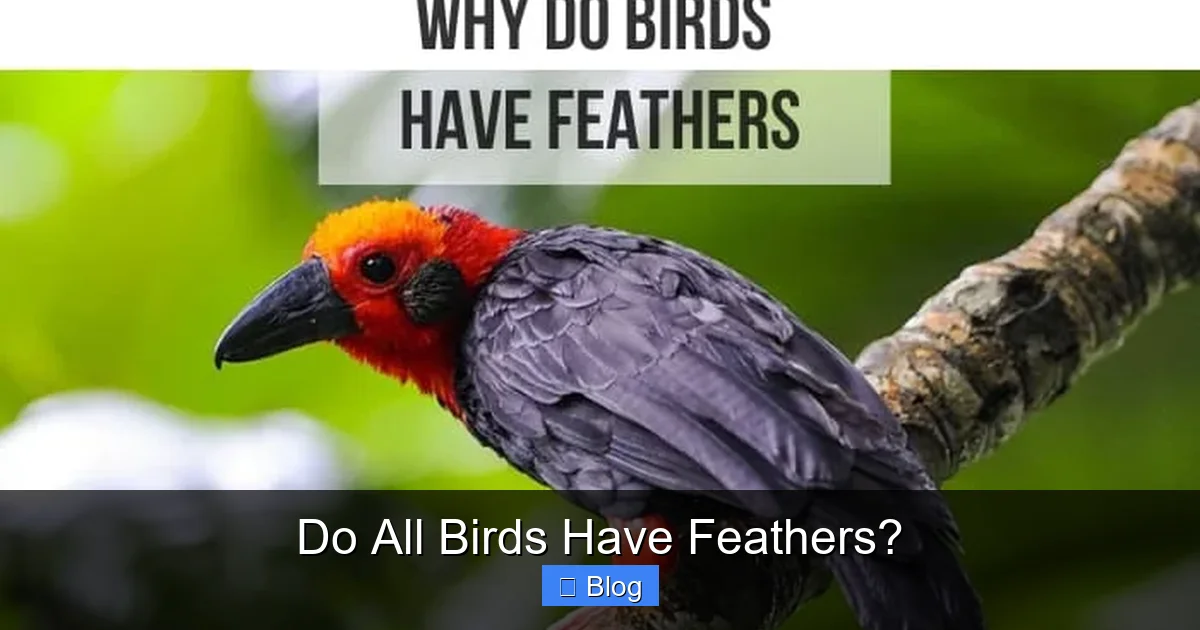
While all birds have feathers, not all feathers are the same. In fact, birds have several different types of feathers, each with specialized structures and functions, working together in a symphony of natural design. Understanding these types helps us appreciate just how vital feathers are.
Visual guide about Do All Birds Have Feathers?
Image source: thayerbirding.com
Flight Feathers: Remiges and Rectrices
These are the long, stiff feathers found on a bird’s wings (remiges) and tail (rectrices). They are the engineers of flight, providing lift, thrust, and steering. Wing feathers create the necessary airfoil shape for flight, while tail feathers act like a rudder, helping with balance and direction.
- Remiges (Wing Feathers): These are asymmetrical, with a shorter leading edge and a longer trailing edge, which helps them twist and cup the air for powerful propulsion.
- Rectrices (Tail Feathers): These are usually more symmetrical and fan out to provide broad surfaces for steering, braking, and balance, especially during landing.
Contour Feathers: Streamlining, Waterproofing, Insulation, Color
Contour feathers are the most common type, giving birds their streamlined shape and color. They cover the bird’s body, wings, and tail, overlapping like shingles on a roof. Their structure helps to create a smooth, aerodynamic surface that reduces drag during flight.
- Structure: They have a stiff central shaft with barbs, barbules, and hooklets that interlock, forming a tight, cohesive surface (the vane).
- Functions:
- Streamlining: Provides the bird’s characteristic shape.
- Protection: Shields the bird from physical damage, UV radiation, and water.
- Waterproofing: With the help of preen oil, they form a water-repellent barrier.
- Coloration: Contains pigments and structural elements that create the bird’s vibrant plumage.
- Some Insulation: While not their primary role, they offer a layer of warmth.
Down Feathers: Primary Insulation, Lightweight
Hidden beneath the contour feathers, down feathers are soft, fluffy, and lack the interlocking barbules of other feathers. They have a short shaft or none at all, with loose, wispy barbs that create air pockets.
- Function: Their primary role is insulation. The trapped air within the down layer provides an incredibly efficient thermal barrier, keeping birds warm in cold weather and helping to dissipate heat in warmer climates. Think of your cozy down jacket – it works on the same principle!
Semiplumes: Insulation and Filling Gaps
Semiplumes are intermediate between contour and down feathers. They have a distinct central shaft, but their barbs are loose and not interlocked, giving them a fluffy appearance. They are typically found under contour feathers.
- Function: They provide additional insulation and fill in gaps between contour feathers, adding to the bird’s overall streamlined shape and thermal regulation. They also offer some buoyancy for water birds.
Filoplumes: Sensory Perception
These are hair-like feathers with a fine shaft and a tuft of barbs at the tip. They often appear to sprout from the base of larger feathers. While small and inconspicuous, they are highly innervated.
- Function: Filoplumes act as sensory receptors. They detect movements and vibrations in the surrounding contour and flight feathers, providing the bird with information about the position and condition of its plumage. This is crucial for maintaining optimal feather alignment during flight and preening.
Bristles: Protection and Sensory
Bristles are stiff, bare shafts with only a few barbs, usually found around the eyes, nostrils, or mouth.
- Function:
- Protection: Around the eyes, they act like eyelashes, shielding them from dust and debris. Around the nostrils, they filter air.
- Sensory: Around the mouth (rictal bristles, like those on flycatchers), they can help a bird detect insects during aerial pursuits.
Beyond Flight: The Multifaceted Roles of Feathers
While flight is arguably the most famous function of feathers, their roles extend far beyond propelling birds through the air. These versatile structures are crucial for survival in countless other ways.
Insulation: Staying Warm (and Cool!)
As mentioned, down feathers are superstars when it comes to insulation. They create a layer of trapped air close to the bird’s body, which is an excellent barrier against temperature changes. This allows birds to survive in extreme environments, from the arctic cold to scorching deserts. But it’s not just about staying warm; this insulation also helps birds avoid overheating by regulating the rate of heat loss. Think of a bird fluffing up its feathers in cold weather – it’s increasing the amount of trapped air to boost its insulation.
Camouflage and Display: Artistry in Nature
The colors and patterns of feathers are truly astonishing, serving two often opposing purposes: hiding and showing off.
- Camouflage: Many birds use their plumage to blend seamlessly into their environment, protecting them from predators or helping them ambush prey. A ptarmigan’s white winter feathers or a nightjar’s mottled brown plumage are perfect examples of nature’s masterful camouflage.
- Display: Conversely, many birds use vibrant feathers to attract mates or establish dominance. Peacocks’ elaborate tail feathers, hummingbirds’ iridescent gorgets, or the striking patterns of a bird of paradise are all spectacular displays designed to catch the eye of a potential partner. These displays often signal health and genetic fitness, making feathers essential for reproductive success.
Protection: Shielding from the Elements
Feathers are a bird’s armor against the world. They provide a physical barrier that protects the delicate skin beneath from scratches, abrasions, and the sun’s harsh UV rays. Contour feathers, in particular, are structured to create a waterproof barrier when properly maintained, shedding rain and allowing birds to stay dry even in downpours. Without this protection, birds would be highly vulnerable to injury, infection, and hypothermia.
Sensory Perception: Feeling the Air
We often think of sight and hearing when it comes to bird senses, but feathers themselves can be a sensory tool. Filoplumes, as discussed, provide tactile feedback about feather arrangement. Some bristle-like feathers around the mouth or eyes can help birds detect prey in low light or sense obstacles. This intricate sensory network helps birds navigate their world with incredible precision.
Water Repellency and Grooming
For aquatic birds, feathers are not just protective; they are essential for buoyancy and staying dry. The combination of tightly interlocking contour feathers and a special oil from the uropygial gland creates an almost impenetrable waterproof suit. This allows ducks, geese, and penguins to spend extensive time in water without becoming waterlogged or losing body heat.
How Birds Maintain Their Feathered Glory: The Art of Preening
Feathers are remarkable, but they aren’t maintenance-free. Birds spend a significant portion of their day meticulously caring for their plumage. This process, known as preening, is absolutely vital for feather health and, consequently, for the bird’s survival.
The Uropygial Gland: Nature’s Waterproofing Agent
Most birds (with a few exceptions) possess a specialized gland called the uropygial gland, also known as the preen gland, located at the base of their tail. This gland produces an oily, waxy substance rich in lipids and fatty acids. During preening, a bird will rub its beak over this gland, collecting the oil, and then meticulously spread it across its feathers, from head to tail.
This preen oil serves several crucial functions:
- Waterproofing: It coats the feathers, making them hydrophobic (water-repellent). This is critical for keeping the bird dry, buoyant (for water birds), and insulated.
- Flexibility and Condition: The oil helps keep the feathers flexible and prevents them from becoming brittle or dry, which could lead to breakage.
- Parasite Control: Some components of the preen oil have antibacterial or antifungal properties, helping to deter parasites and microbial growth on the feathers.
- Vitamin D Production: The oil contains precursors to Vitamin D, which is then activated by sunlight. When the bird ingests the oil during preening, it gets its essential dose of Vitamin D.
Meticulous Maintenance: Why Preening is Crucial
Preening isn’t just about oiling; it’s a comprehensive grooming ritual. Birds use their beaks to meticulously clean, align, and zip up the barbules of their feathers. If the barbules become separated, the feather’s structure is compromised, making it less effective for flight, insulation, or waterproofing. Imagine a zipper that’s come undone – a bird’s beak acts as a tiny, precise tool to re-zip those barbules, restoring the feather’s integrity.
A bird that fails to preen regularly will have matted, dirty, and disorganized feathers, making it vulnerable to predators, illness, and environmental stressors. This highlights just how essential feathers are, and why their proper maintenance is a matter of life or death for birds.
Molting: The Cycle of Renewal
Feathers are incredibly durable, but they don’t last forever. They are subject to wear and tear from flight, environmental exposure, and daily activities. To combat this, birds regularly undergo a process called molting, where they shed old, worn-out feathers and grow new ones. This ensures their plumage remains in peak condition.
- Timing: Molting typically occurs once or twice a year, often after breeding season or before migration, when the energetic demands are lower.
- Process: Molting is usually a gradual process. Birds lose feathers in a symmetrical pattern, ensuring they don’t lose too many flight feathers at once, which would impair their ability to fly. Some species, like ducks and geese, undergo a complete and rapid molt of their flight feathers, rendering them temporarily flightless and vulnerable.
- Energy Intensive: Growing new feathers is energetically expensive, requiring a significant amount of protein and nutrients. This is why birds often look a bit scruffy and less vibrant during their molt.
Featherless Myths and Misconceptions
Despite the unequivocal truth that all birds have feathers, certain observations can sometimes lead to misunderstandings. Let’s debunk a few common myths.
Baby Birds and Pin Feathers: A Temporary Stage
When you see newly hatched chicks, especially altricial species (those born helpless), they often appear sparsely covered or “naked.” However, they do have feathers! They might start with a fine layer of natal down, which provides crucial early insulation. This down is quickly replaced by emerging pin feathers. Pin feathers are new feathers still encased in a waxy, protective sheath. They look like tiny quills sticking out of the skin. As the feather matures, the sheath breaks down and is removed by preening, revealing the fully formed feather. So, even the youngest birds are undeniably feathered, just in an underdeveloped stage.
“Naked” Necks: The Vulture’s Adaptation
Vultures are often cited as a potential exception due to their bare heads and necks. But look closely: the rest of their body is heavily feathered. Their bald heads and necks are a remarkable adaptation, not a lack of feathers. When a vulture feeds on carrion, its head often delves deep into carcasses. A feathered head would become matted with blood and bits of flesh, making it incredibly difficult to clean and a breeding ground for bacteria. A bare head is much easier to keep clean, promoting hygiene and preventing disease. So, while seemingly featherless in one area, vultures absolutely rely on feathers for flight and insulation across the majority of their bodies.
Genetic Mutations and Illnesses: When Feathers are Compromised
Occasionally, you might encounter a bird with very sparse or abnormal feather growth due to a genetic mutation (like psittacine beak and feather disease in parrots) or an illness. These conditions can cause feathers to be malformed, fall out prematurely, or prevent them from growing properly. However, this is a pathological condition, not a natural state of being featherless. These birds are suffering from an ailment that affects their feather production, not demonstrating that birds can naturally exist without feathers. In such cases, the bird’s survival is severely compromised.
These examples simply reinforce the rule: feathers are always present and always essential. Any deviation is either a temporary developmental stage, a specialized adaptation, or a sign of ill health.
Conclusion: The Indispensable Wonder of Feathers
From the moment a bird hatches to its final breath, feathers are an indispensable part of its existence. They are the hallmark of avian life, connecting every bird species through a shared evolutionary heritage.
We’ve journeyed through the intricate world of feathers, discovering their diverse types, their critical functions in flight, insulation, camouflage, and protection, and the meticulous care birds dedicate to their maintenance. We’ve also debunked common misconceptions, reinforcing the fundamental truth: Do all birds have feathers? Absolutely, yes. There are no exceptions.
Next time you see a bird soaring effortlessly through the sky, diving gracefully into water, or simply hopping on a branch, take a moment to appreciate the sheer wonder and complexity of its plumage. Those incredible feathers are not just beautiful; they are the very essence of what makes a bird a bird, enabling their remarkable lives and contributing to the rich biodiversity of our planet.
🎥 Related Video: Why do birds have feathers?
📺 Why? Those curious questions kids ask
Feathers are something like the fur of birds. They decorate themselves with them to impress other birds with their colorful feathers.
Frequently Asked Questions
Are there any exceptions to the rule that all birds have feathers?
No, there are absolutely no known bird species that do not possess feathers. They are the defining anatomical characteristic of the entire class Aves, linking every single bird from ancient archaeopteryx to modern hummingbirds.
How do feathers help birds fly?
Flight feathers (remiges on wings and rectrices on tails) are specifically structured to create lift and propulsion. Their interlocking barbs form a strong, lightweight surface that allows birds to push against the air efficiently.
What is the main purpose of down feathers?
Down feathers are primarily responsible for insulation, trapping a layer of air close to the bird’s body. This helps them maintain a stable body temperature, keeping them warm in cold weather and sometimes even cool in extreme heat.
How do birds keep their feathers waterproof?
Birds use a special oil from their uropygial (preen) gland to coat their feathers during preening. This oil spreads across the feather surface, creating a water-repellent barrier that sheds rain and keeps the bird dry.
Do feathers grow back if they fall out?
Yes, feathers are regularly replaced through a process called molting, where old or damaged feathers are shed and new ones grow in. If a feather is lost prematurely, a new one will usually grow back in its place during the next molting cycle.
Can feathers change color?
Feather color is primarily determined by pigments (like melanins and carotenoids) and structural colors (due to light scattering). While the pigment in an existing feather does not change, birds can appear to change color through molting into new plumage, seasonal changes in diet, or by attracting dirt or algae.