

It’s a common and curious question, and the simple answer is: yes, birds do have testicles! Unlike most mammals, however, their testicles are entirely internal, nestled close to the kidneys. These vital organs undergo remarkable seasonal changes, dramatically increasing in size during breeding season to produce sperm, then regressing to conserve energy. This internal placement is a brilliant evolutionary adaptation, primarily aiding in flight efficiency and protection.
Do Birds Have Testicles? The Hidden Truth About Avian Anatomy
Have you ever looked up at a bird soaring gracefully through the sky, or watched a robin hopping in your garden, and pondered some truly unique questions about their anatomy? Perhaps you’ve wondered about their bones, their digestion, or maybe, just maybe, a more intimate detail: “Do birds have testicles?” It might seem like a peculiar thought, but it’s a surprisingly common query that sparks curiosity in many a nature enthusiast. After all, we rarely see any external evidence of such organs on our feathered friends.
It’s easy to understand why this question comes up so often. Most of us are familiar with the anatomy of mammals, where male reproductive organs are typically external. When we observe birds, their streamlined bodies and sleek plumage give no hint of what lies beneath, leading many to assume they simply don’t have them, or perhaps function in a completely different way. But the world of avian biology is full of fascinating adaptations, and bird reproduction is no exception. Prepare to have your understanding of bird anatomy take flight!
In this article, we’re going to dive deep into the fascinating world of avian reproductive anatomy to definitively answer the question: Do birds have testicles? We’ll explore where they’re located, how they function, why they’re so different from what you might expect, and the incredible evolutionary advantages these unique features provide. Get ready to uncover some truly amazing facts about the birds all around us!
Key Takeaways
- Yes, Birds Have Testicles: Contrary to popular belief or visual evidence, male birds possess testicles, just like mammals, but with unique adaptations.
- Internal Location is Key: Unlike many mammals, bird testicles are completely internal, located within the abdominal cavity near the kidneys. This is a primary reason why they aren’t easily observed.
- Seasonal Size Changes: Avian testicles exhibit remarkable seasonal plasticity. They can swell to several hundred times their non-breeding size during the breeding season and then shrink dramatically afterward, an energy-efficient adaptation.
- Evolutionary Advantages for Flight: The internal and changeable nature of bird testicles is primarily an adaptation for flight, reducing weight during non-breeding periods and offering protection during vigorous activities.
- Thermoregulation and Sperm Production: While internal, bird testicles maintain a temperature suitable for sperm production, often slightly cooler than core body temperature, thanks to unique physiological mechanisms.
- Vital for Reproduction: These hidden organs are crucial for the production of sperm, enabling male birds to fertilize eggs and ensure the continuation of their species, despite their unusual placement.
Quick Answers to Common Questions
Do all male birds have testicles?
Yes, all male birds, regardless of species, possess testicles. These are essential for the production of sperm and male hormones needed for reproduction.
Are bird testicles always the same size?
No, bird testicles are not always the same size. They undergo dramatic seasonal changes, shrinking significantly during the non-breeding season and expanding hundreds of times their size during the breeding season.
Why are bird testicles internal?
Bird testicles are internal primarily as an evolutionary adaptation for flight, reducing weight and drag, and providing protection from injury. Birds have also evolved mechanisms to produce sperm efficiently at their higher internal body temperatures.
How do birds mate if their testicles are internal?
Most birds mate through a process called the “cloacal kiss.” The male and female briefly press their cloacas together, allowing for the rapid transfer of sperm. Some waterfowl species have a rudimentary intromittent organ.
Do female birds also have internal reproductive organs?
Yes, female birds have internal reproductive organs, typically consisting of one functional ovary and oviduct (usually the left one). These are also located within the abdominal cavity, close to the spine.
📑 Table of Contents
- The Short Answer: Yes, Birds Do Have Testicles!
- Hidden Treasures: The Internal Anatomy of Bird Testicles
- Seasonal Surges: When Bird Testicles Get Busy
- The Reproductive Process: More Than Just Testicles
- Why Internal Testicles? Evolutionary Advantages
- Beyond Testicles: Other Fascinating Avian Reproductive Facts
- Conclusion
The Short Answer: Yes, Birds Do Have Testicles!
Let’s cut right to the chase and clear up the most common misconception. The answer to “Do birds have testicles?” is a resounding yes! Male birds absolutely possess testicles. These vital organs are responsible for producing sperm and male hormones, just like in mammals. However, their location and the way they function are remarkably different, which is precisely why the question arises so frequently.
Why the Confusion?
The main reason for the widespread confusion surrounding this topic is simple: bird testicles are not external. Unlike many mammals, including humans, male birds do not have a scrotum or any visible external reproductive organs. This lack of external features leads many people to incorrectly assume that they either lack testicles entirely or have some entirely different reproductive system. It’s a classic case of “out of sight, out of mind!”
Think about it from a bird’s perspective. Birds are masters of flight, and every aspect of their anatomy is optimized for efficiency and aerodynamics. External organs, particularly those that might flap in the wind or create drag, would be a significant hindrance to their aerial prowess. Nature, in its infinite wisdom, has found a brilliant solution to this challenge.
A Matter of Location
So, if you can’t see them, where exactly are these testicles hiding? Avian testicles are entirely internal. They are typically located within the bird’s abdominal cavity, nestled close to the spine and often near the kidneys. This internal placement is a crucial adaptation that serves multiple purposes, which we will explore in more detail. This hidden location means you’ll never spot them unless you’re examining a bird’s internal anatomy, perhaps during a veterinary check-up or scientific study. This internal positioning is a key characteristic that sets avian reproductive biology apart from many other animal groups.
Hidden Treasures: The Internal Anatomy of Bird Testicles
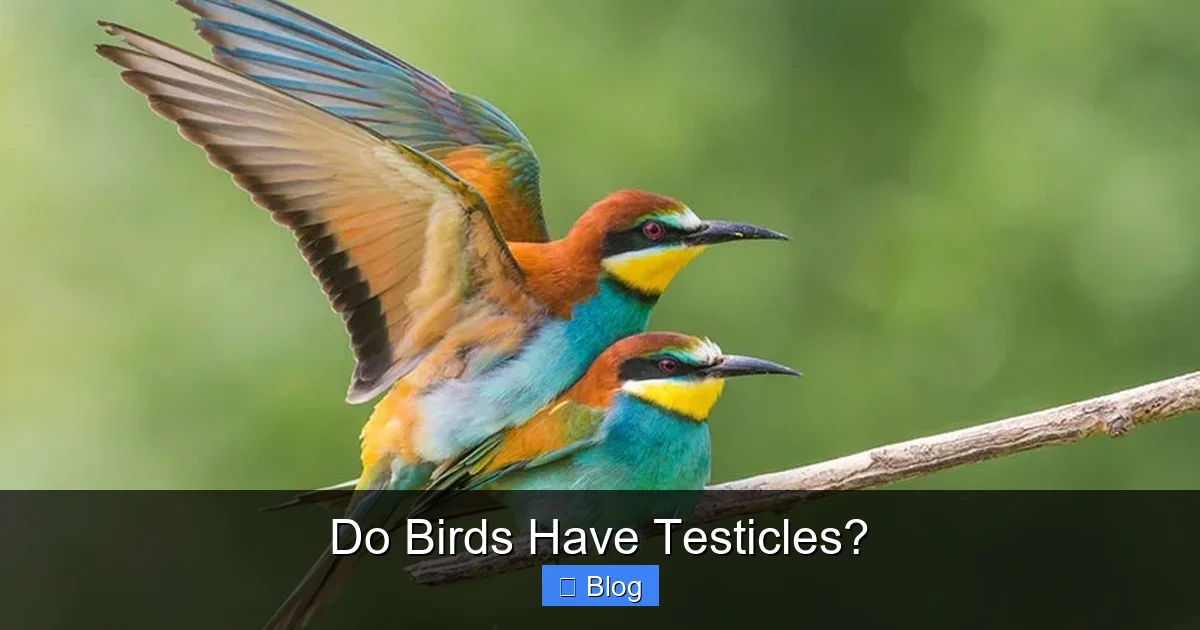
Visual guide about Do Birds Have Testicles?
Image source: opticsmag.com
The internal placement of bird testicles isn’t just a quirky difference; it’s a testament to millions of years of evolution, optimizing birds for their unique lifestyle. Understanding this internal arrangement helps us appreciate the intricate design of these creatures.
Internal vs. External: A Key Difference
For many mammals, including ourselves, testicles are external, housed in a scrotum. This external location is crucial because sperm production in these species often requires a temperature slightly cooler than the core body temperature. The scrotum acts as a natural thermoregulator, keeping the testes at an optimal temperature for healthy sperm development.
Birds, however, have evolved a different strategy. Their internal testicles function perfectly well at or near the bird’s core body temperature, which is generally higher than that of mammals. How do they achieve this without “cooking” the sperm? Scientists believe birds have evolved several mechanisms. One theory suggests that the blood supply to the testicles might be specially adapted to cool the area. Another points to the fact that sperm maturation in birds might be less temperature-sensitive than in mammals, or that the process occurs very rapidly once conditions are optimal. The exact physiological tricks birds employ are still subjects of ongoing research, highlighting how much more there is to learn about avian biology.
The Role of Body Temperature
Birds maintain a very high core body temperature, often ranging from 104°F to 109°F (40°C to 43°C). This high metabolic rate is essential for generating the energy needed for flight. If mammalian testicles were subjected to such temperatures, sperm production would quickly cease. The fact that birds have testicles that function optimally internally, at these elevated temperatures, indicates a significant evolutionary divergence and adaptation. It’s a marvel of natural selection, allowing birds to maintain their high-performance bodies without compromising their reproductive capabilities.
Seasonal Surges: When Bird Testicles Get Busy
One of the most astonishing facts about bird testicles is their dramatic size fluctuation throughout the year. These organs are not static; they are dynamic, responding directly to environmental cues and the demands of the breeding season.
Dramatic Growth and Regression
During the non-breeding season, when the focus is on survival, migration, or foraging, a male bird’s testicles are incredibly small – sometimes no larger than a tiny pea or even a grain of rice, especially in smaller species. They regress significantly, conserving precious energy and reducing body mass, which is critical for flight.
However, as the breeding season approaches, triggered by increasing daylight hours, warmer temperatures, and an abundance of food, these dormant organs undergo an explosive transformation. Under the influence of rising hormone levels, the testicles can swell to hundreds, or even thousands, of times their non-breeding size! In some species, they can become so large that they might take up a significant portion of the bird’s abdominal cavity. Imagine the metabolic demand and physiological changes involved in such a rapid and substantial growth! This remarkable expansion allows for the massive production of sperm needed for successful reproduction. Once the breeding season concludes, the testicles rapidly regress again, shrinking back to their tiny, energy-saving state. This cycle of growth and regression is a perfect example of adaptive biology at work.
Hormonal Orchestration
This incredible seasonal change is orchestrated by a complex interplay of hormones, primarily gonadotropins released by the pituitary gland, which are in turn influenced by the hypothalamus. The hypothalamus senses environmental cues like photoperiod (day length) and relays signals to the pituitary. These hormones stimulate the growth of the testicles and the initiation of spermatogenesis (sperm production). As daylight hours lengthen, birds’ internal clocks trigger this hormonal cascade, preparing them for the rigors of mating and raising offspring. Understanding this hormonal dance helps us appreciate the intricate connection between a bird’s environment and its reproductive success.
Practical Implications for Bird Watchers
For bird watchers, knowing that birds have testicles and that they undergo such dramatic changes can help explain certain behaviors. The increased hormonal activity during the breeding season is directly linked to the vibrant plumages, elaborate courtship displays, and persistent singing we often observe in male birds. These are all advertisements of a male’s fitness and readiness to breed, driven by the same hormonal surge that causes his testicles to swell. When you see a male bird vigorously defending his territory or performing an intricate dance, you’re witnessing the peak performance of his reproductive system, supported by those hardworking, hidden testicles.
The Reproductive Process: More Than Just Testicles
While testicles are crucial for producing sperm, they are just one part of the complex avian reproductive system. The journey of sperm, from production to fertilization, involves several other fascinating components and behaviors.
From Testis to Cloaca
Once sperm are produced in the testicles, they travel through a series of small tubes called the epididymis and then into the vas deferens. Unlike mammals, birds don’t have a urethra that also carries sperm; instead, the vas deferens empties directly into the cloaca. The cloaca is a multi-purpose opening found in birds (and reptiles and amphibians) that serves as the exit point for digestive waste, urine (which is often excreted as uric acid), and reproductive products.
During mating, the cloacal walls swell and evert slightly, allowing for a brief “cloacal kiss” where the male’s cloaca touches the female’s, facilitating the transfer of sperm. This process is often incredibly quick, sometimes lasting less than a second!
Mating Rituals and Sperm Transfer
The act of sperm transfer is often preceded by elaborate courtship rituals. These can include complex dances, aerial displays, vocalizations, or the offering of gifts. These displays serve to attract a mate, signal reproductive fitness, and synchronize the timing of copulation. When a pair finally mates, the cloacal kiss is the moment of truth for sperm transfer. Some male birds, particularly waterfowl like ducks, do possess a rudimentary intromittent organ (a “penis-like” structure) that helps in sperm delivery, but this is an exception rather than the rule for most avian species. Most birds rely on the precise and swift cloacal contact.
Unique Avian Adaptations
Female birds also possess remarkable reproductive adaptations. Most female birds have only one functional ovary and oviduct (usually the left one), a further adaptation to reduce weight for flight. The oviduct is where the egg develops and receives its shell before being laid. After successful fertilization, the sperm can be stored in specialized sperm storage tubules within the female’s oviduct for days, weeks, or even months, allowing her to lay a clutch of fertilized eggs over time, even if she only mates once or infrequently. This strategy ensures reproductive success and provides flexibility in egg laying.
Why Internal Testicles? Evolutionary Advantages
The primary question after learning that birds have testicles internally is, “Why?” The answer lies in the incredible evolutionary pressures that shaped birds into the ultimate flying machines. Every anatomical feature of a bird is finely tuned for survival and reproduction in an aerial world.
Lightweight Design for Flight
Perhaps the most significant advantage of internal, seasonally regressing testicles is weight reduction. Flight is incredibly energy-intensive, and carrying unnecessary weight is a major disadvantage. By having small testicles for most of the year, male birds significantly reduce their overall body mass. This makes migration less strenuous, improves agility during foraging, and generally reduces the energetic cost of being airborne. When they do need to breed, the rapid growth is a temporary, but necessary, investment. It’s an elegant solution to the conflicting demands of flight and reproduction.
Protection from External Threats
An internal location also offers a degree of protection. If reproductive organs were external, they would be vulnerable to injury during flight, landing, or navigating dense vegetation. Imagine the risks for a bird diving for fish or crashing through branches! Internal placement shields these delicate organs from physical trauma, contributing to the bird’s overall robustness and longevity. This protection is another silent hero in the evolutionary story of avian anatomy.
Efficient Thermoregulation
As discussed, birds have very high metabolic rates and body temperatures. While mammalian sperm requires cooler temperatures, birds have evolved mechanisms to produce viable sperm at their elevated core temperatures. The internal location, in conjunction with these physiological adaptations, allows for efficient thermoregulation that supports both flight and reproduction. It’s a testament to the power of natural selection to overcome what might seem like a biological barrier. Their ability to manage internal temperatures for optimal sperm viability at high body temperatures is a unique biological feat.
Beyond Testicles: Other Fascinating Avian Reproductive Facts
While the presence and location of testicles are a major point of interest, the broader world of avian reproduction is equally captivating. Understanding these additional aspects helps complete the picture of how birds perpetuate their species.
The Role of Plumage and Song
During the breeding season, male birds often sport their most vibrant and elaborate plumage. Think of the dazzling tail feathers of a peacock, the iridescent gorget of a hummingbird, or the complex songs of a nightingale. These are not just for show; they are honest signals of a male’s health, genetic quality, and ability to attract a mate. The energy required to grow and maintain such plumage, or to sustain prolonged singing, indicates a strong, fit individual. These secondary sexual characteristics are indirectly linked to the internal testicles, as the hormones produced by these organs stimulate their development and expression.
Parental Care and Nesting
Once mating and fertilization occur, the focus shifts to parental care. Birds exhibit an incredibly diverse range of nesting strategies, from simple scrapes on the ground to elaborate woven structures, and from communal nests to solitary endeavors. Both parents often share duties, incubating eggs, brooding chicks, and tirelessly foraging to feed their hungry offspring. The investment in parental care is enormous, showcasing the full spectrum of reproductive effort that begins with the humble, hidden testicles. This entire cycle, from initial hormonal signals to fledging chicks, is a marvel of biological coordination.
The Broader Picture of Avian Reproduction
From the tiny size of a hummingbird’s testicles to the massive organs of a booming prairie chicken during its mating display, the diversity in avian reproductive strategies is astounding. Whether it’s the promiscuous behavior of some species or the lifelong pair bonds of others, the common thread is the efficient and effective production of viable sperm, orchestrated by those hidden testicles. The more we learn, the more we appreciate the intricate and often surprising adaptations that allow birds to thrive in almost every environment on Earth.
Conclusion
So, the next time you watch a bird flitting about, you’ll know the answer to “Do birds have testicles?” – and much more! Yes, they do, but they’re cleverly hidden internally, a brilliant evolutionary adaptation for flight and protection. These vital organs undergo incredible seasonal transformations, shrinking for efficiency and swelling for the demands of the breeding season, all orchestrated by a sophisticated hormonal system.
The unique reproductive biology of birds, from their internal testicles to their cloacal kiss and elaborate courtship rituals, is a testament to the power of natural selection. It showcases how life adapts in astonishing ways to meet the challenges of its environment. Birds are truly fascinating creatures, and understanding these hidden aspects of their anatomy only deepens our appreciation for their remarkable lives. So next time you’re out birdwatching, take a moment to marvel at these aerial acrobats and their perfectly adapted, albeit hidden, reproductive systems.
Frequently Asked Questions
Are bird testicles visible from the outside?
No, bird testicles are not visible from the outside. They are entirely internal, located within the abdominal cavity of the male bird, making them unobservable without internal examination.
What triggers the growth of bird testicles?
The growth of bird testicles is primarily triggered by increasing day length (photoperiod) as the breeding season approaches. This environmental cue signals the bird’s brain to release hormones that stimulate testicular development.
Can birds reproduce without testicles?
No, male birds cannot reproduce without testicles. These organs are essential for spermatogenesis (sperm production) and hormone synthesis, both of which are critical for fertilization and male reproductive behavior.
Do flightless birds also have internal testicles?
Yes, even flightless birds like ostriches and penguins have internal testicles. This trait is a characteristic of birds as a class, likely inherited from their flying ancestors, even if the primary advantage of weight reduction for flight is no longer directly applicable to all species.
How does the internal temperature affect sperm production in birds?
Birds have evolved unique physiological adaptations that allow their internal testicles to produce viable sperm at their high core body temperatures, unlike most mammals where sperm production requires cooler temperatures. The exact mechanisms are still being studied.
Do birds feel pain when their testicles swell?
While birds likely experience physiological sensations related to the swelling of their testicles, it is a natural and necessary process for reproduction. There is no scientific evidence to suggest that this growth causes them pain; rather, it’s a normal part of their breeding cycle.