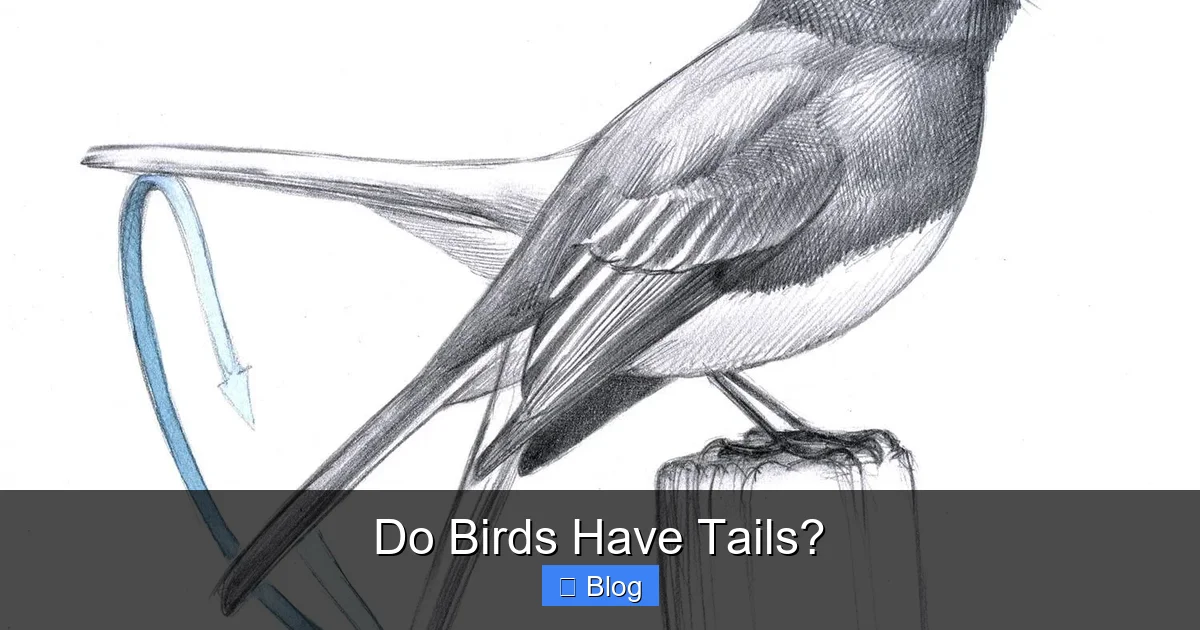
Yes, absolutely! Every bird species, from the smallest hummingbird to the largest ostrich, possesses a tail. These feathery appendages are far more than just decorative; they are essential for flight, providing balance, steering, lift, and braking. Beyond aerodynamics, a bird’s tail also plays vital roles in communication, courtship, and even perching, making it a truly indispensable part of avian life.
The world of birds is one of incredible wonder and diversity, filled with dazzling colors, melodious songs, and astounding feats of engineering. From the majestic eagle soaring high above to the tiny hummingbird flitting between flowers, these creatures captivate our imagination. But as we observe them, a simple yet profound question might cross our minds: “Do birds have tails?” It’s a question that, on the surface, seems obvious to anyone who’s ever seen a bird, but delves into a surprisingly complex and vital aspect of avian anatomy and behavior.
Indeed, if you’ve ever watched a bird land gracefully on a branch, or navigate through dense foliage with astonishing agility, you’ve witnessed the unsung hero of their aerial acrobatics: their tail. Far from being a mere decorative appendage, a bird’s tail is a marvel of evolutionary design, serving a multitude of critical functions that are indispensable for survival. It’s not just there for show; it’s a finely tuned instrument that allows birds to master the skies and interact with their environment in countless ways.
So, let’s embark on a fascinating journey to explore the intricate world of avian tails. We’ll uncover what these tails are made of, their profound importance in flight, and the many other surprising roles they play in a bird’s daily life. Prepare to gain a new appreciation for this often-overlooked feature and fully understand the answer to the question, “Do birds have tails?” and why they are so utterly essential.
Key Takeaways
- Universal Feature: All birds, without exception, have tails, although their size, shape, and feather count can vary dramatically between species.
- Primary Function in Flight: A bird’s tail is crucial for flight, acting like a rudder for steering, an elevator for lift and descent, and a brake for controlled landings.
- Balance and Stability: The tail helps birds maintain balance, especially during perching, foraging, and even when simply standing on uneven surfaces.
- Communication and Courtship: Many species use their tails for elaborate display during courtship rituals, signaling fitness and attracting mates. They can also signal alarm or dominance.
- Support and Tool Use: Certain birds, like woodpeckers, use their stiff tail feathers as a prop against tree trunks for support while climbing or drilling.
- Tail Feather Structure: The tail consists of a set of specialized feathers called rectrices, anchored to the pygostyle (the fused tailbone), which are strong yet flexible.
- Regeneration: Like other feathers, tail feathers are molted and regrown, ensuring a bird can recover from damage or loss over time.
Quick Answers to Common Questions
Do all birds have tails?
Yes, every bird species has a tail, though its size, shape, and feather composition vary greatly depending on the species and its lifestyle.
What is the main purpose of a bird’s tail?
The main purpose of a bird’s tail is to aid in flight, acting as a rudder for steering, an elevator for lift and descent, and a brake for controlled landings.
Can a bird fly if it loses its tail feathers?
A bird’s flight will be significantly impaired if it loses its tail feathers, especially its ability to steer and land efficiently. Complete loss can make sustained flight very difficult.
What are the feathers on a bird’s tail called?
The specialized feathers on a bird’s tail are called rectrices, which means “she who guides” or “steers,” highlighting their primary function.
Do birds use their tails for anything other than flying?
Absolutely! Birds use their tails for balance when perching, as a prop (like woodpeckers), for communication signals, and during elaborate courtship displays to attract mates.
📑 Table of Contents
- What is a Bird’s Tail, Really? Anatomy and Purpose
- The Mighty Role of the Tail Feathers in Flight
- Beyond Flight: Other Uses for a Bird’s Tail
- Diversity in Design: Tail Shapes and Sizes
- Tail Troubles: What Happens When a Bird Loses Its Tail?
- Observing Tails: How to Spot the Differences in Your Backyard
- Conclusion
What is a Bird’s Tail, Really? Anatomy and Purpose
When we talk about a bird’s tail, we’re primarily referring to a fan of specialized feathers located at the posterior end of its body. These feathers are called rectrices, a name derived from the Latin word “rectrix,” meaning “she who guides” or “steers” – a very apt description! These rectrices are anchored firmly to a small, fused bone structure called the pygostyle. Think of the pygostyle as the bird’s version of a tailbone, providing a solid foundation for the powerful muscles that control the tail feathers.
The Pygostyle: The Tail’s Foundation
The pygostyle is a triangular plate formed by the fusion of the last few caudal (tail) vertebrae. This fusion is a brilliant evolutionary adaptation, providing a strong, rigid anchor point for the tail muscles and feathers, allowing for precise control and powerful movements. If the tail were attached to individual, unfused vertebrae like a mammal’s, it might lack the strength and coordination needed for complex flight maneuvers. The pygostyle ensures the tail acts as a unified, responsive unit.
Rectrices: The Feathers That Do the Work
Rectrices are typically longer, stiffer, and more robust than the contour feathers that cover the rest of a bird’s body. They are generally symmetrical, meaning the vane (the flat part of the feather) is evenly proportioned on both sides of the central shaft. This symmetry, combined with their sturdy construction, is crucial for their role in manipulating airflow. Most bird species have 10 to 12 rectrices, arranged in a fan shape, though this number can vary. For instance, some woodpeckers might have fewer, stiffer rectrices, while a peacock has an exceptionally long train of highly modified tail feathers.
The Mighty Role of the Tail Feathers in Flight
Visual guide about Do Birds Have Tails?
Image source: img.birding.pro
This is where the bird’s tail truly shines. If you were to ask “do birds have tails?” and then “why?”, the answer would overwhelmingly be “for flight!” The tail is an indispensable aerodynamic control surface, working in concert with the wings to achieve the incredible aerial feats we witness daily.
Steering and Directional Control
Imagine trying to steer a boat without a rudder; it would be incredibly difficult. The bird’s tail acts precisely as a rudder. By spreading, tilting, or closing its tail feathers, a bird can change its direction during flight. Tilting the tail to one side creates drag on that side, turning the bird in the opposite direction. It allows for the subtle, precise adjustments needed to navigate around obstacles or follow a winding path.
Lift and Drag Modulation
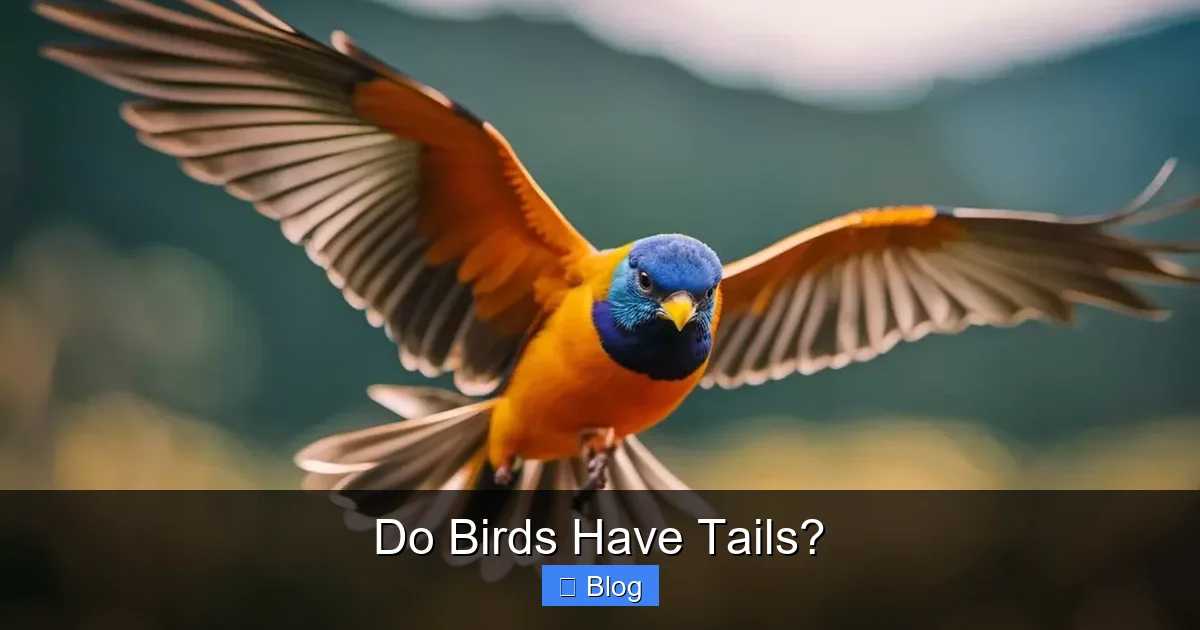
While the wings are the primary source of lift, the tail contributes significantly, especially at lower speeds or during take-off and landing. Spreading the tail feathers increases the surface area, generating more lift and increasing drag. This is particularly useful when a bird needs to slow down quickly or needs an extra boost of lift. Conversely, closing the tail reduces drag, allowing for faster, more streamlined flight.
Braking and Landing Gear
Watch any bird come in for a landing, and you’ll see its tail feathers spread wide, often pointing downwards. This action is akin to deploying a parachute or an aircraft’s flaps. By creating maximum drag, the tail helps the bird rapidly decelerate, allowing for a soft, controlled touch-down. Without this braking mechanism, landings would be much more clumsy and potentially dangerous. The tail acts as a crucial “landing gear” component.
Balance and Stability
Even in straight, level flight, the tail helps maintain stability, much like the tailfin on an airplane. It counteracts pitching (up and down motion) and yawing (side-to-side motion), keeping the bird steady and focused on its trajectory. This dynamic balance is essential, especially when carrying food, navigating turbulent air, or escaping predators.
Beyond Flight: Other Uses for a Bird’s Tail
While flight is undoubtedly the tail’s most critical function, it’s far from its only role. The versatility of a bird’s tail extends into many other aspects of its life, showcasing remarkable adaptations across different species.
Communication and Signaling
Many birds use their tails as an expressive form of communication. A raised, fanned tail can signal excitement or aggression. A rapidly flicking tail might indicate alarm or agitation. Think of a magpie flashing its white tail patches to alert others, or a wagtail constantly bobbing its tail. During breeding season, tail displays become even more elaborate.
Courtship and Mating Displays
This is where some of the most spectacular tail adaptations come into play. The iconic peacock’s “train” is not its true tail (those are actually highly elongated upper tail coverts), but its true rectrices still support and complement this magnificent display. Many other birds, from pheasants to lyrebirds, use their tails in intricate dances and poses to attract a mate. The size, color, and condition of a bird’s tail can be a significant indicator of its health and genetic fitness to a prospective partner. A vibrant, well-maintained tail tells a story of a bird that can find food, avoid predators, and stay healthy – all desirable traits in a mate.
Support and Prop
Some birds have evolved specialized tails that act as a prop or support. Woodpeckers are a prime example. Their stiff, pointed rectrices brace against tree trunks as they climb and drill for insects. This unique adaptation allows them to maintain a stable, vertical posture, exerting significant force with their beaks without toppling backward. Swifts also use their short, stiff tails to brace themselves against vertical surfaces, like cave walls or chimneys.
Balance During Perching and Foraging
Even when a bird isn’t flying, its tail is still hard at work. It acts as a counterbalance, helping the bird maintain stability on a slender branch, especially in windy conditions. When a bird is foraging, say, hopping along a branch or on the ground, the tail constantly adjusts to keep its center of gravity aligned, preventing it from losing balance. Think of a tightrope walker using a long pole for balance – a bird’s tail performs a similar function.
Diversity in Design: Tail Shapes and Sizes
One of the most fascinating aspects of bird tails is their incredible diversity. The shape and size of a bird’s tail are often closely linked to its lifestyle, habitat, and flight style. Asking “do birds have tails?” leads us to the next question: “what kind of tails do they have?”
Fan or Rounded Tails
Many common passerines (perching birds) like robins, thrushes, and sparrows have fan-shaped or slightly rounded tails. These provide a good balance of steering, lift, and braking, suitable for generalist lifestyles and varied flight patterns. They offer versatility for navigating diverse environments.
Forked Tails
Birds known for their aerial agility and acrobatic flight, such as swallows, swifts, and terns, often have deeply forked tails. The two long outer feathers with a V-shape in the middle enhance maneuverability, allowing for sharp turns and rapid changes in direction, crucial for catching insects on the wing.
Pointed or Wedge-Shaped Tails
Some birds, like doves and pigeons, have pointed or wedge-shaped tails. These shapes are generally more streamlined, reducing drag and allowing for faster, more direct flight. They might not offer the same pinpoint maneuverability as a forked tail but are efficient for covering long distances.
Square or Truncated Tails
Many woodpeckers and some other perching birds have square or truncated tails. As mentioned, woodpeckers use their stiff, short tails as a brace. A square tail might also be less prone to damage in dense environments.
Long or Graduated Tails
Peacocks, quetzals, and some types of pheasants are famous for their extraordinarily long, graduated tails, where the central feathers are much longer than the outer ones. While visually stunning, these can sometimes be a hindrance in dense vegetation, but their primary purpose is display during courtship. They signal vigor and fitness, indicating that the bird can survive despite carrying such a cumbersome accessory.
Specialized Tails
Consider the racket-tailed hummingbird, with its two elongated tail feathers ending in bare shafts with small ‘rackets’ at the tips – purely for display. Or the lyrebird, whose elaborate tail feathers mimic the shape of a lyre. These extreme specializations highlight the evolutionary pressure for unique and effective courtship displays.
Tail Troubles: What Happens When a Bird Loses Its Tail?
It’s a common sight to see a bird with a damaged or missing tail feather. So, do birds have tails that can be replaced? Yes, thankfully, they do! Like all feathers, rectrices are not permanent structures. They are regularly shed and regrown during a process called molting. This is essential for maintaining feather quality, as feathers can become worn, broken, or faded over time.
Impact on Flight and Survival
Losing one or a few tail feathers can certainly impact a bird’s flight performance. It might struggle with balance, steering, and efficient braking, making it more vulnerable to predators or less effective at hunting or foraging. If a bird loses its entire tail due due to an accident or a close call with a predator, its ability to fly might be severely compromised or even temporarily lost. A bird without a tail might only be able to manage short, erratic flights.
Regrowth and Recovery
The good news is that birds can regrow lost or damaged tail feathers. The molting process ensures that a new feather will eventually replace the old one. The time it takes for a full tail to regrow varies by species and individual bird, often taking several weeks to months. During this period, the bird will be at a disadvantage, so many species time their molts to coincide with periods of lower predation risk or abundant food. For example, some birds molt after breeding season when the demands of raising young have passed.
Observing Tails: How to Spot the Differences in Your Backyard
Now that you know the vital roles and diversity of bird tails, you can start appreciating them with a fresh perspective. Understanding the answer to “do birds have tails?” makes you a more informed observer. Here are some tips for spotting the differences in your local feathered friends:
Pay Attention to Flight
Watch how different birds maneuver. Do they make sharp turns like a swallow with its forked tail? Do they land abruptly, fanning their tails wide like a robin? Does a crow use its broad, rounded tail for stability in gusty winds? Observing these actions can give you clues about the tail’s design and purpose.
Observe Perching Habits
Notice how birds balance on branches. Does a woodpecker use its tail as a prop when climbing? Does a smaller bird constantly flick its tail for balance while hopping through a bush? These subtle movements reveal the tail’s role in everyday life.
Look for Distinctive Shapes
Try to identify the tail shape of different species. Is it square, forked, pointed, or rounded? These characteristics are often key field marks for identification. For example, a northern cardinal has a relatively long, rounded tail, while a barn swallow has a deeply forked tail.
Note Tail Coloration and Patterns
Many birds have distinctive patterns or colors on their tail feathers, which can be important for species identification and communication. Think of the white outer tail feathers of a junco, which flash as it flies, or the beautiful banded tail of a red-tailed hawk.
By actively observing these details, you’ll not only enhance your birdwatching experience but also deepen your understanding of how perfectly adapted these creatures are to their environments. The answer to “do birds have tails?” is a resounding yes, and understanding why is key to unlocking the secrets of avian life.
Conclusion
From the majestic sweep of an eagle’s tail to the tiny flick of a wren’s, the answer to “Do birds have tails?” is an unequivocal and enthusiastic yes. Far from being a mere decorative afterthought, the bird’s tail is a complex, multi-functional organ that is absolutely vital for their survival and their mastery of the skies. It’s an aerodynamic marvel, acting as a rudder, elevator, and brake, enabling the precision and grace that define avian flight.
Beyond the mechanics of soaring and swooping, the tail plays crucial roles in balance, communication, and the intricate dances of courtship. Its diverse forms – from the streamlined fork of a swallow to the stiff brace of a woodpecker – are testament to the incredible power of evolution, tailoring each tail perfectly to its owner’s unique lifestyle. So, the next time you see a bird, take a moment to appreciate its tail. It’s not just a collection of feathers; it’s a dynamic instrument, a silent communicator, and a testament to the enduring ingenuity of nature.
🎥 Related Video: Bird Tail Feathers – Why Birds Have Tails
📺 BioBush
Wings are important for flight, but did you know tails are important too? Let’s learn why birds have tails and how they use them!
Frequently Asked Questions
How many feathers are typically in a bird’s tail?
Most bird species typically have 10 to 12 tail feathers, also known as rectrices, arranged in a symmetrical fan shape. However, this number can vary slightly between different species, with some having fewer and others, like peacocks with their elaborate trains, having modified ones.
What bone supports a bird’s tail?
A bird’s tail feathers are anchored to a small, fused bone structure called the pygostyle. This strong, triangular bone is formed from the fusion of the last few caudal vertebrae, providing a stable base for the powerful muscles that control tail movement.
Why do some birds have very long tails and others very short ones?
The length of a bird’s tail is an adaptation to its specific environment and behaviors. Long tails are often used for elaborate courtship displays (like peacocks) or enhanced maneuverability (like some swallows). Short, stiff tails might be better for support (like woodpeckers) or for flying in dense vegetation.
Do bird tails grow back after they are lost?
Yes, bird tails do grow back. Like all feathers, tail feathers are regularly molted and regrown during a process called molting. If a feather is accidentally lost, a new one will typically grow in its place, although it can take several weeks or months for full regrowth.
Can the color of a bird’s tail indicate anything?
Absolutely! Tail coloration and patterns can be significant indicators. They are often used for species identification, camouflage, or as signals during communication, especially in courtship displays. Bright or contrasting colors can indicate health and fitness to potential mates.
How does a bird control its tail?
A bird controls its tail through a complex system of muscles attached to the pygostyle. These muscles allow the bird to spread, tilt, raise, lower, and close its tail feathers with incredible precision, enabling the fine-tuned adjustments needed for flight, balance, and communication.