
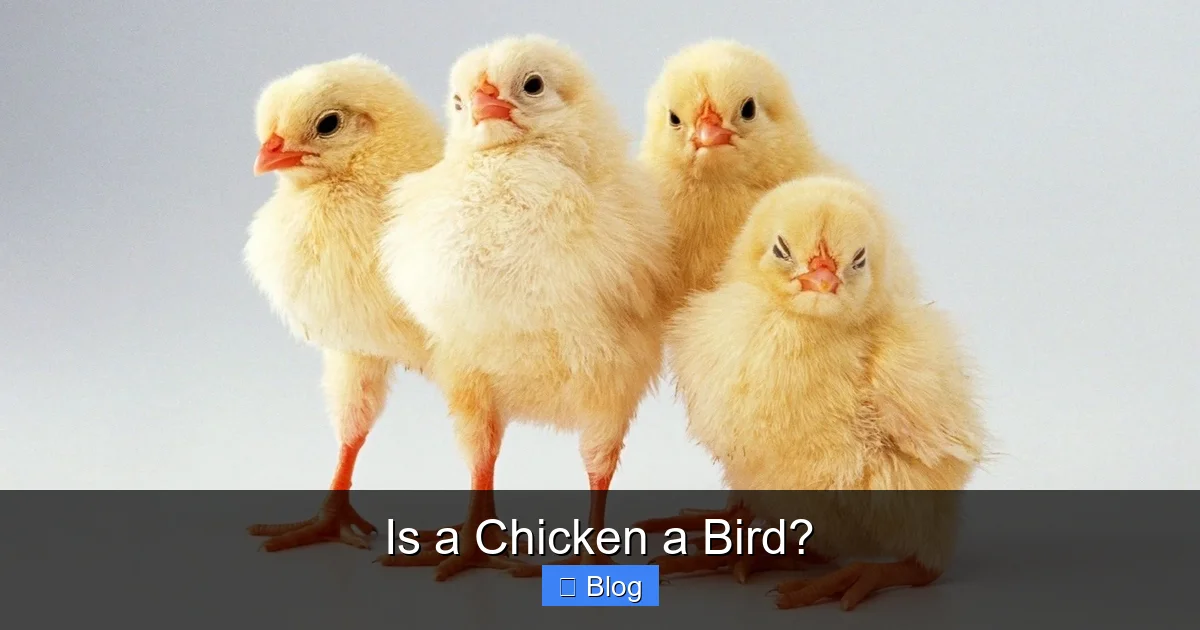
The straightforward answer to “Is a chicken a bird?” is an emphatic yes! Despite their differences from soaring eagles or tiny sparrows, chickens possess all the fundamental anatomical and biological traits that define avian creatures, from feathers and egg-laying to hollow bones and warm-blooded metabolism. Understanding these characteristics helps us appreciate the vast diversity within the bird kingdom.
You’re at a barbecue, enjoying some grilled chicken, and a thought pops into your head, seemingly out of nowhere: “Is a chicken a bird?” It sounds like a silly question, right? Of course, a chicken is a bird! But then you start to ponder. They don’t soar gracefully through the sky like an eagle, nor do they flit daintily from branch to branch like a robin. They cluck around the barnyard, often seeming more like feathered cattle than magnificent creatures of the air. This seemingly simple query can quickly lead down a rabbit hole of fascinating scientific discovery.
It’s a question many people secretly wonder about, especially if they haven’t spent much time thinking about zoological classifications since grade school. The distinction between a farm animal and a wild animal can blur our understanding of their fundamental biology. In this comprehensive guide, we’re going to definitively answer the question, “Is a chicken a bird?” and delve into all the reasons why. Prepare to explore the wonderful world of avian biology and appreciate the humble chicken in a whole new light!
Key Takeaways
- Clear Scientific Classification: Yes, a chicken is definitively a bird. Biologically, chickens belong to the class Aves, making them true birds, just like eagles, sparrows, and penguins.
- Defining Avian Traits: Chickens possess all the essential characteristics of birds, including feathers, a beak without teeth, the ability to lay hard-shelled eggs, hollow bones (though less pronounced in some domestic breeds due to selective breeding), and warm-blooded metabolism.
- Evolutionary Heritage: Modern chickens are domesticated descendants of the Red Junglefowl, which evolved from avian dinosaurs. This ancient lineage firmly places them within the bird family tree.
- Flight is Not a Prerequisite: One common misconception is that all birds must fly. However, flight is not a universal characteristic of birds. Chickens can fly short distances, and many other bird species, like ostriches and penguins, are flightless.
- Misconceptions Stem from Domestication: People often question if a chicken is a bird due to their common association with agriculture, their limited flight ability, and their perceived “unbird-like” behavior compared to wild birds.
- Diversity in the Avian World: The bird kingdom is incredibly diverse, encompassing a wide range of sizes, behaviors, and adaptations. Chickens represent just one fascinating facet of this immense biological group.
- Importance of Scientific Classification: Understanding that a chicken is a bird highlights the importance of using scientific criteria for classification rather than superficial observations or common cultural perceptions.
Quick Answers to Common Questions
Can chickens fly?
Yes, chickens can fly, but usually only for short distances and durations. They are not built for sustained or high-altitude flight like many wild birds.
Do chickens have hollow bones?
Yes, chickens do have hollow bones, a characteristic common to birds that helps reduce body weight for flight. However, due to selective breeding, some domestic chicken breeds may have denser bones than their wild ancestors or other wild bird species.
Are chickens related to dinosaurs?
Yes, all modern birds, including chickens, are direct descendants of avian dinosaurs. This makes chickens living relatives of prehistoric creatures.
Do all birds lay eggs?
Yes, a defining characteristic of all birds is that they reproduce by laying hard-shelled eggs. Chickens are well-known for this trait.
What makes a chicken a bird and not a mammal or reptile?
A chicken is a bird because it possesses key avian characteristics such as feathers, a beak without teeth, the ability to lay hard-shelled eggs, and a warm-blooded metabolism. Mammals have fur/hair and typically give birth to live young, while reptiles are cold-blooded and generally have scales.
📑 Table of Contents
The Simple Answer: Yes, Absolutely!
Let’s get straight to the point: Yes, absolutely, a chicken is a bird. There’s no scientific debate about this whatsoever. Chickens belong to the biological class Aves, which is the scientific classification for all birds. This means that from a biological standpoint, a chicken is as much a bird as a hawk, a hummingbird, or even a penguin. The characteristics that define a bird are clearly present in every chicken you’ve ever seen.
Defining “Bird”
What exactly makes a creature a “bird”? Scientists have a clear set of criteria. To be classified as a bird, an animal must possess a unique combination of features. These include feathers, a beak (or bill) instead of teeth, the ability to lay hard-shelled eggs, a four-chambered heart, and a warm-blooded metabolism. They also typically have hollow bones adapted for flight, although not all birds are strong flyers. When we look at these defining characteristics, it becomes abundantly clear that a chicken fits the description perfectly.
Why Chickens Fit the Bill
- Feathers: Chickens are covered in feathers, from their downy undercoat to their rigid flight feathers.
- Beak: They have a hard, bony beak used for pecking and eating, entirely devoid of teeth.
- Eggs: Chickens are renowned for laying eggs with hard shells.
- Warm-Blooded: Like all birds and mammals, chickens maintain a constant internal body temperature regardless of their environment.
- Hollow Bones: While domesticated chickens have denser bones than some wild birds (a result of selective breeding for meat production), their skeletal structure still features many of the lightweight adaptations characteristic of birds, including pneumatic (air-filled) bones.
So, the next time someone asks “Is a chicken a bird?”, you can confidently say yes, and even explain why!
A Deep Dive into Avian Characteristics
To truly understand why a chicken is a bird, let’s explore the key characteristics that define the avian class. These traits are shared by all birds, from the smallest bee hummingbird to the largest ostrich, and, of course, include our feathered farm friends.
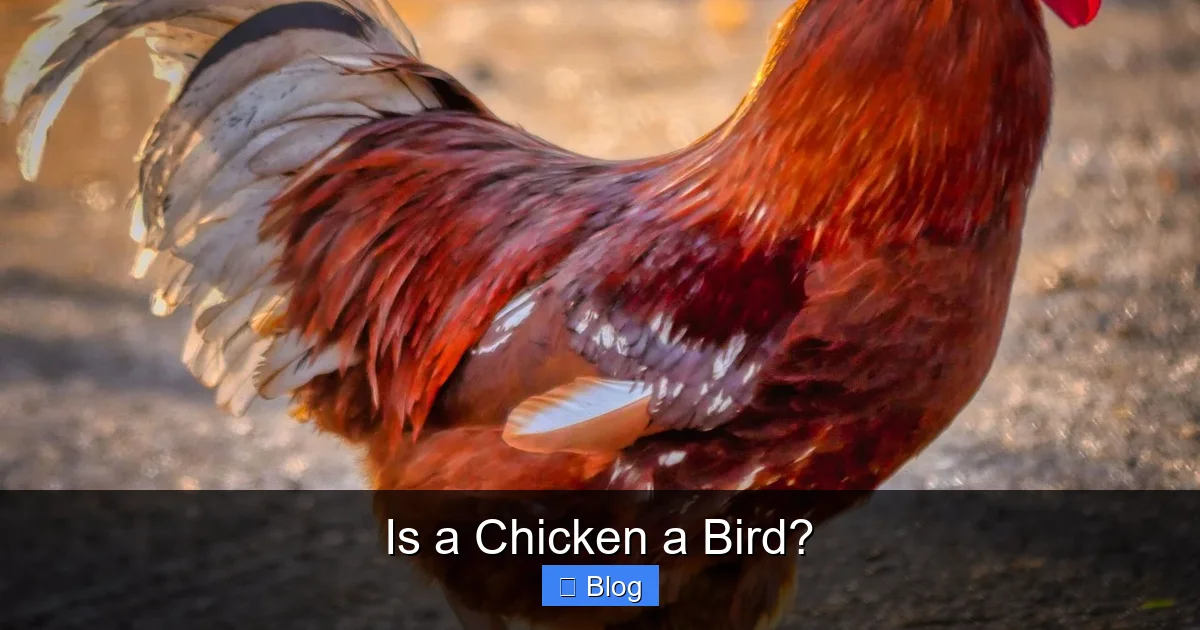
Visual guide about Is a Chicken a Bird?
Image source: cdn.pixabay.com
Feathers: The Defining Feature
Perhaps the most iconic and distinguishing feature of all birds is their feathers. No other animal group possesses true feathers. Feathers are incredibly complex structures made of keratin, the same protein found in our hair and fingernails. They serve multiple vital functions: insulation, camouflage, display, and, crucially for many species, flight. Chickens are covered in feathers, from their head to their toes. They have different types of feathers, including contour feathers that give them their shape, down feathers for insulation, and flight feathers on their wings and tail, even if their flight is limited. The presence of feathers alone is a strong indicator that a chicken is a bird.
Beaks and Toothless Jaws
Another universal avian trait is the presence of a beak, or bill, and the complete absence of teeth. Modern birds evolved from ancestors that had teeth, but over millions of years, these were replaced by lightweight, keratinous beaks. This evolutionary change is thought to be an adaptation for reducing head weight, which is beneficial for flight. Chickens have a classic avian beak, perfectly suited for pecking at grains, insects, and other food sources. They use their strong beaks to forage, drink, and even defend themselves, further solidifying their classification as birds.
Laying Eggs
All birds reproduce by laying amniotic eggs with hard, calcified shells. This is a fundamental characteristic of birds, reptiles, and monotremes (egg-laying mammals like the platypus). Chickens are, of course, famous for their eggs, which are a staple in many diets around the world. The process of laying hard-shelled eggs is a complex biological feat, and it’s a trait that firmly places chickens within the bird kingdom. The development of the chick within the egg, nourished by the yolk and protected by the shell, is a quintessential avian reproductive strategy.
Hollow Bones and Flight Adaptations (Even if They Don’t Fly Well)
While many people associate birds with flight, and indeed, flight is a remarkable adaptation found in the vast majority of bird species, it’s not a prerequisite for being a bird. Birds possess unique skeletal adaptations that facilitate flight, such as lightweight, hollow (pneumatic) bones, a fused backbone, and a large keeled sternum (breastbone) for anchoring powerful flight muscles. While domesticated chickens have undergone selective breeding that has resulted in larger, denser bones (especially in broiler chickens bred for meat) and smaller wing muscles compared to their wild ancestors, they still possess these underlying avian skeletal structures. They are capable of short bursts of flight, especially when startled or needing to reach a higher perch, demonstrating their evolutionary heritage. Other flightless birds, like ostriches, emus, and penguins, are still unequivocally birds despite their inability to fly.
Warm-Blooded Metabolism
Like mammals, birds are endothermic, meaning they are warm-blooded. They can internally regulate their body temperature, keeping it relatively constant regardless of the ambient temperature. This high metabolic rate allows birds to be very active and to thrive in a wide range of climates. Chickens maintain a core body temperature that is typically higher than humans (around 104-107°F or 40-41.5°C), and you can observe them adjusting their behavior – fluffing feathers for warmth or panting to cool down – to regulate their temperature. This crucial physiological trait is another undeniable piece of evidence that a chicken is a bird.
The Evolutionary Journey: Where Do Chickens Come From?
Understanding the evolutionary history of chickens provides even more context for why a chicken is a bird. Their lineage traces back millions of years, connecting them to some of the most fascinating creatures to ever walk the Earth.
From Dinosaurs to Modern Birds
One of the most exciting scientific discoveries of recent decades is the strong evidence that modern birds are direct descendants of dinosaurs. Specifically, they evolved from a group of feathered, bipedal dinosaurs called theropods, which included famous predators like Tyrannosaurus Rex and Velociraptor. Birds are, in essence, surviving dinosaurs! This incredible evolutionary journey means that every chicken clucking in a coop carries the genetic legacy of these ancient reptiles. The skeletal similarities, feathered coverings (in many dinosaur fossils), and even behaviors observed in modern birds and inferred in dinosaurs provide compelling evidence for this connection. So, not only is a chicken a bird, but it’s also a direct descendant of dinosaurs!
The Red Junglefowl Connection
The domestic chicken we know today (Gallus gallus domesticus) is believed to have primarily descended from a species called the Red Junglefowl (Gallus gallus), native to Southeast Asia. These wild birds still exist today and look remarkably similar to their domesticated cousins, albeit typically leaner and more agile flyers. The Red Junglefowl exhibits all the classic characteristics of a bird: it flies, perches in trees, forages for food, and lays eggs. This direct ancestral link solidifies the chicken’s place within the avian family. Imagine these wild birds, living in forests, eventually being brought into human settlements, and through generations of interaction, becoming the familiar birds we raise for food and eggs.
Domestication and Selective Breeding
The process of domestication, which began thousands of years ago, transformed the agile Red Junglefowl into the diverse array of chicken breeds we see today. Humans selectively bred chickens for various traits: more meat, more eggs, specific feather colors, or temperament. This selective breeding has led to some differences between domestic chickens and their wild ancestors, such as heavier bodies, reduced flight capability, and increased egg production. However, these changes are superficial in terms of fundamental biological classification. They are still the same species, just adapted through human intervention. It’s a bit like comparing a wild wolf to a domestic poodle – both are still canines, despite their vastly different appearances and behaviors. The fundamental biology remains, and a chicken is a bird regardless of its breed or domestication level.
Why Does This Question Even Arise? Common Misconceptions
Given the clear scientific evidence, why do people still ask, “Is a chicken a bird?” Several common misconceptions and cultural perceptions contribute to this intriguing question.
Flight vs. Non-Flight
One of the biggest reasons for confusion is the assumption that all birds must be capable of strong, sustained flight. When we think of “birds,” our minds often conjure images of eagles soaring high, hummingbirds hovering, or swallows performing aerial acrobatics. Chickens, with their relatively short, clumsy flights, don’t fit this powerful aerial stereotype. While they can fly short distances – often to escape a predator or reach a roost – they are not built for long-distance migration or sustained flight. This limited flight ability often leads people to think they are somehow “less” of a bird, or perhaps not a bird at all. However, as discussed, flight is a common avian adaptation, not a universal defining characteristic. Just ask an ostrich or a penguin!
Perception of “Farm Animals” vs. “Wild Birds”
Our categorization of animals into “farm animals” and “wild animals” can also contribute to the confusion. We tend to lump chickens, cows, pigs, and sheep together as farm animals, primarily associated with agriculture and food production. Wild birds, on the other hand, are often seen as separate, distinct entities, part of nature’s untamed beauty. This cultural distinction can sometimes overshadow the biological realities. A chicken is a bird, irrespective of its role in human society. Its biology defines it, not its environment or its utility to humans.
Lack of Scientific Literacy
For many, the basics of biological classification aren’t something they encounter regularly after school. The specific criteria that define animal classes can be forgotten or were never fully understood. Without this foundational knowledge, people rely on more superficial observations – like flight capability or habitat – to make classifications. This isn’t a failing on anyone’s part, but rather an indication of how specialized scientific knowledge can sometimes diverge from common intuition. Our aim here is to bridge that gap and offer clarity. If you’ve ever wondered, “Is a chicken a bird?” know that you’re in good company, and now you have the tools to understand the answer.
The Broader Avian Family: Chickens in Context
Understanding where chickens fit into the vast and diverse world of birds helps us appreciate the richness of avian life. The class Aves is incredibly varied, showcasing an astonishing array of adaptations.
Other Flightless Birds
Chickens are not alone in their limited flight capabilities. Many other bird species are partially or entirely flightless. Consider the magnificent ostriches and emus, giant birds of the savanna and outback that are built for running, not flying. Penguins, with their powerful flippers, are expert swimmers and divers but are completely flightless in the air. The Kakapo of New Zealand is a large, nocturnal, flightless parrot. These examples demonstrate that the ability to fly is not a universal characteristic or a prerequisite for being classified as a bird. What unites them all are those fundamental avian characteristics: feathers, beaks, eggs, and warm-bloodedness. This makes the question “Is a chicken a bird?” much easier to answer when you see the diversity.
Diversity within Birds
The sheer diversity within the bird class is breathtaking. From the tiny, jewel-toned hummingbirds that weigh less than a penny to the massive Andean Condor with a wingspan of over ten feet, birds have adapted to almost every niche on Earth. Some birds live in deserts, others in icy polar regions, some deep in rainforests, and many right in our backyards. Their diets range from nectar and fruit to fish and carrion. Their behaviors are equally varied, from elaborate courtship rituals to complex migratory journeys spanning continents. Chickens, with their relatively simple lives of foraging and roosting, represent just one small, yet significant, branch of this incredible evolutionary tree. The fact that a chicken is a bird underscores the adaptability and successful evolutionary path of the avian lineage.
The Importance of Classification
Biological classification (taxonomy) isn’t just an academic exercise; it’s a fundamental tool for understanding the natural world. It helps scientists categorize organisms based on shared evolutionary history and distinct biological features. This allows for clear communication, organization of knowledge, and the study of evolutionary relationships. Without a robust classification system, trying to understand the millions of species on Earth would be a chaotic endeavor. The fact that a chicken is classified in the class Aves alongside all other birds is a testament to this logical and evidence-based system. It tells us that despite superficial differences, they share a common ancestor and fundamental biological blueprint.
Practical Applications and Fun Facts
Beyond the scientific classification, recognizing that a chicken is a bird has some practical implications and opens up avenues for appreciation.
Chickens in Our Lives (Food, Pets, Agriculture)
Chickens play an enormous role in human society. They are a primary source of protein globally, providing both meat and eggs. They are also increasingly popular as backyard pets, prized for their personalities, pest control abilities, and, of course, fresh eggs. Understanding that a chicken is a bird can foster a deeper appreciation for these animals. While they may be domesticated, they still exhibit many natural bird behaviors, such as dust bathing, foraging, and complex social hierarchies within their flock. Observing these behaviors can be a fascinating way to connect with the avian world right in your own backyard.
Observing Bird Behavior (Even in Your Backyard Flock)
If you have chickens, you have a unique opportunity to observe avian behavior up close. Pay attention to how they interact with each other, how they communicate through various calls, how they forage for food, and how they protect their young (if you have hens with chicks). You’ll notice behaviors common to many wild bird species, adapted for a domesticated life. They scratch for insects, take dust baths to clean their feathers, and establish a pecking order – all behaviors rooted in their avian biology. So, the next time you see a chicken, remember you’re looking at a living, breathing bird with a rich evolutionary history and a host of fascinating biological traits.
From the subtle flick of a feather to the distinct clucking sounds, every aspect of a chicken’s life reinforces its identity as a bird. They are a wonderful example of avian diversity and the enduring success of the bird lineage.
Conclusion
So, to bring our exploration full circle: “Is a chicken a bird?” The answer is a resounding, unequivocal yes. Chickens are indeed birds, possessing every single biological characteristic that defines the class Aves. From their tell-tale feathers and toothless beaks to their egg-laying capabilities and warm-blooded metabolism, they fit the scientific criteria perfectly. Their evolutionary journey from ancient dinosaurs to the modern Red Junglefowl, and finally to our domesticated farm birds, further cements their place within the avian family tree.
The common confusion often arises from superficial observations like their limited flight or their role as farm animals. However, biological classification relies on fundamental traits, not just popular perception or human utility. Understanding that a chicken is a bird not only clarifies a common misconception but also invites us to appreciate the incredible diversity within the bird kingdom. It encourages us to look beyond the obvious and delve deeper into the fascinating world of biology. So, the next time you see a chicken, perhaps you’ll view it with a renewed sense of wonder, recognizing it not just as a farm animal, but as a remarkable feathered descendant of dinosaurs, a true bird in every sense of the word.
🎥 Related Video: Adorable & Funny Baby Chicks 🐥 | Cute Chicken Moments & Bird Sounds! 🐣✨ #viral #animals
📺 RAINBOW BIRDS
Frequently Asked Questions
What is the scientific classification of a chicken?
The scientific classification of a chicken is as follows: Kingdom: Animalia, Phylum: Chordata, Class: Aves, Order: Galliformes, Family: Phasianidae, Genus: Gallus, Species: Gallus gallus domesticus. The key takeaway here is that it falls under Class Aves, confirming it as a bird.
Are chickens the only birds that don’t fly well?
No, chickens are not the only birds with limited flight abilities. Many other bird species, such as ostriches, emus, penguins, and kiwis, are entirely flightless or have very poor flight capabilities, yet they are all definitively classified as birds.
Do wild chickens behave like domesticated ones?
Wild chickens, primarily the Red Junglefowl, are more agile and better flyers than their domesticated counterparts. While they share many basic behaviors like foraging and roosting, their survival instincts are sharper, and they are not dependent on humans for food or shelter.
Why do some people mistakenly think chickens aren’t birds?
Common reasons include their limited flight, their classification as “farm animals” which sometimes creates a mental separation from “wild birds,” and a lack of familiarity with the specific biological criteria used to classify animals.
What’s the difference between a bird and poultry?
All poultry are birds, but not all birds are poultry. “Poultry” is a term used to refer to domesticated birds raised by humans for their meat, eggs, or feathers, such as chickens, turkeys, ducks, and geese. “Bird” is the broader biological classification.
If chickens are birds, why do their eggs taste different from wild bird eggs?
The taste and appearance of chicken eggs are largely due to selective breeding and their diet. Domestic chickens are fed a controlled diet, and breeds are often selected for large, consistent eggs. Wild bird eggs can vary greatly in taste, size, and color depending on the species’ diet and genetics.