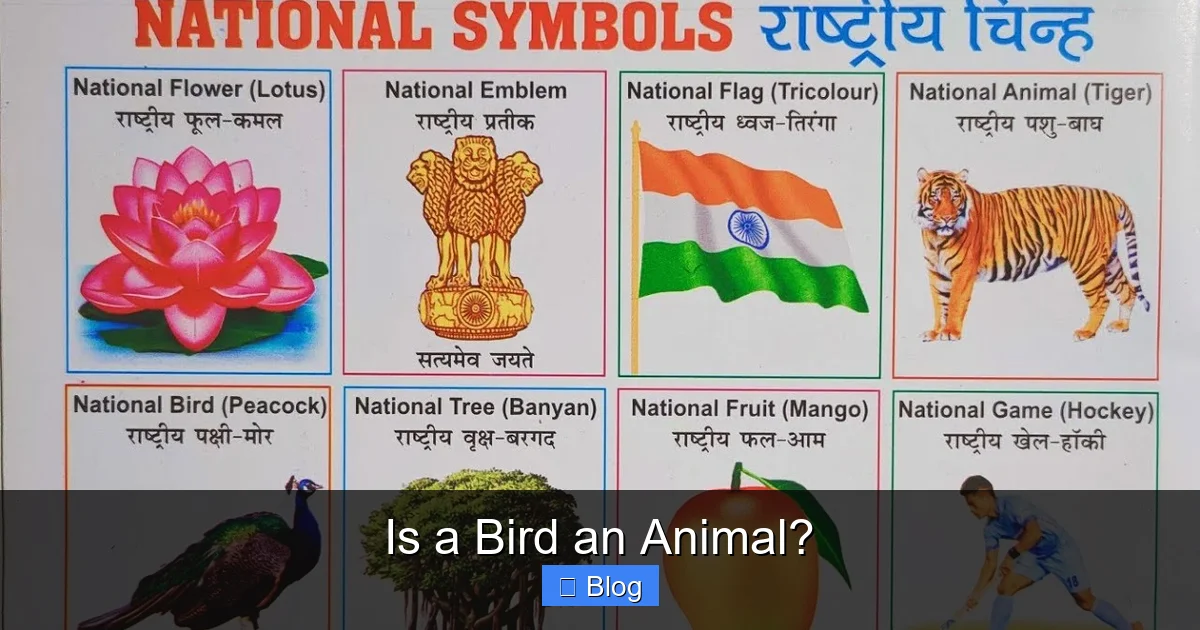
Yes, a bird is absolutely an animal! Birds are multicellular organisms belonging to the Kingdom Animalia, sharing fundamental characteristics like being heterotrophic (eating other organisms), moving, and reproducing sexually. They are a distinct class of vertebrates, scientifically known as Aves, characterized by feathers, beaks, and laying hard-shelled eggs, but their core biological makeup places them firmly within the animal kingdom.
Is a Bird an Animal?
Hey there, ever found yourself pondering some of life’s fundamental questions, like whether a bird is an animal? It might seem like a simple question on the surface, something you learned in elementary school, but it’s actually a fantastic gateway into understanding the incredible world of biology and how we classify living things. Sometimes, simple questions hide surprisingly deep insights, and this is definitely one of them!
Perhaps you’ve looked at a fluffy chickadee hopping through your garden, or watched a majestic eagle soar high above, and wondered how these feathered creatures fit into the grand scheme of life. They’re so different from a dog, a fish, or even a spider, right? They lay eggs, they have feathers, and many of them can fly – traits that often set them apart in our minds. This uniqueness can sometimes lead to a bit of confusion about their true biological identity. So, let’s clear the air and dive deep into what makes something an “animal” and where our avian friends stand.
The short, sweet, and definitive answer is a resounding YES! A bird is an animal. But stopping there would miss out on all the fascinating details that explain *why* this is true. Understanding this isn’t just about memorizing facts; it’s about appreciating the intricate web of life on Earth and how scientists categorize organisms to make sense of its immense diversity. Let’s embark on a journey through the fundamental characteristics of animals, the unique traits of birds, and how they all fit together in the grand tapestry of biological classification.
Key Takeaways
- Definitive Answer: Yes, birds are unequivocally animals, sharing fundamental biological characteristics with all other members of the Kingdom Animalia.
- Biological Classification: Birds belong to the Kingdom Animalia, Phylum Chordata, Subphylum Vertebrata, and Class Aves, placing them firmly within the scientific classification of animals.
- Core Animal Traits: Like all animals, birds are multicellular, heterotrophic (they consume other organisms for energy), eukaryotic, capable of movement, and reproduce sexually.
- Distinguishing Bird Features: While possessing core animal traits, birds are uniquely characterized by feathers, beaks, hard-shelled eggs, and adaptations for flight (though not all birds fly).
- Understanding Taxonomy: Grasping how life is classified helps clarify relationships between species and dispels common misconceptions about where different organisms belong.
- Dispelling Confusion: The misconception often arises from birds’ unique features or comparisons to mammals, but their biological blueprint confirms their animal status.
Quick Answers to Common Questions
Are all animals multicellular?
Yes, by definition in the Kingdom Animalia, all animals are multicellular organisms, meaning they are composed of many cells working together. This distinguishes them from single-celled organisms like bacteria or protists.
Do birds produce their own food?
No, birds do not produce their own food. Like all animals, birds are heterotrophs, meaning they obtain nutrients and energy by consuming other organisms, such as insects, seeds, fruits, fish, or small mammals.
Are birds vertebrates?
Yes, birds are vertebrates. They belong to the Phylum Chordata and Subphylum Vertebrata, meaning they possess a backbone or spinal column made of vertebrae, which protects their spinal cord.
What makes birds different from other animals?
Birds are uniquely distinguished from other animals primarily by the presence of feathers, a beak without teeth, and their adaptation for laying hard-shelled eggs. Many birds also possess adaptations for flight, such as hollow bones and wings.
Can a bird be an animal and also a specific type of animal like an avian?
Yes, absolutely! “Animal” is a very broad classification (Kingdom Animalia). “Avian” or “bird” refers to a more specific group (Class Aves) within the animal kingdom. All avians are animals, just as all humans are animals, and all fish are animals.
📑 Table of Contents
Defining “Animal”: What Exactly Does It Mean?
Before we can confidently say “is a bird an animal?”, we need to understand what “animal” truly means in a biological context. When scientists talk about animals, they’re not just referring to furry creatures that walk on four legs. The Kingdom Animalia (or Metazoa) is incredibly vast and diverse, encompassing everything from microscopic worms to enormous blue whales.
Key Characteristics of Animals
What are the defining features that unite all members of the animal kingdom?
- Multicellularity: All animals are multicellular, meaning they are made up of many cells working together. This is a big differentiator from single-celled organisms like bacteria or amoebas.
- Heterotrophy: This is a fancy word meaning animals cannot produce their own food. Instead, they obtain nutrients by consuming other organisms. Whether it’s a lion eating a zebra or a hummingbird sipping nectar, all animals are consumers. Plants, on the other hand, are autotrophs; they make their own food through photosynthesis.
- Eukaryotic Cells: Animal cells, like those of plants, fungi, and protists, are eukaryotic. This means their cells have a nucleus and other membrane-bound organelles. This contrasts with prokaryotic cells, like bacteria, which lack these internal structures.
- No Cell Walls: Unlike plants and fungi, animal cells do not have rigid cell walls. This lack of a cell wall contributes to the flexibility and diversity of animal body forms.
- Sexual Reproduction: Most animals reproduce sexually, involving the fusion of gametes (sperm and egg) from two parents. While some animals can reproduce asexually, sexual reproduction is a predominant feature.
- Motility: Most animals are capable of movement at some stage in their lives. This can range from the obvious locomotion of a cheetah running to the subtle movements of a sessile sea anemone’s tentacles.
- Specialized Tissues: Animals typically develop specialized tissues (like nervous tissue and muscle tissue) that allow for complex functions and coordinated responses.
When we ask “is a bird an animal?”, these are the core criteria we need to check against.
The Vast Kingdom Animalia
The Animalia kingdom is divided into numerous phyla, classes, orders, families, genera, and species. This hierarchical system helps us understand the evolutionary relationships between different groups. It includes everything from sponges and jellyfish (which might not “look” like typical animals to us) to insects, fish, amphibians, reptiles, mammals, and yes, birds. All these diverse creatures share the fundamental characteristics listed above, confirming their place in the animal kingdom.
Birds: A Closer Look at Their Unique Traits
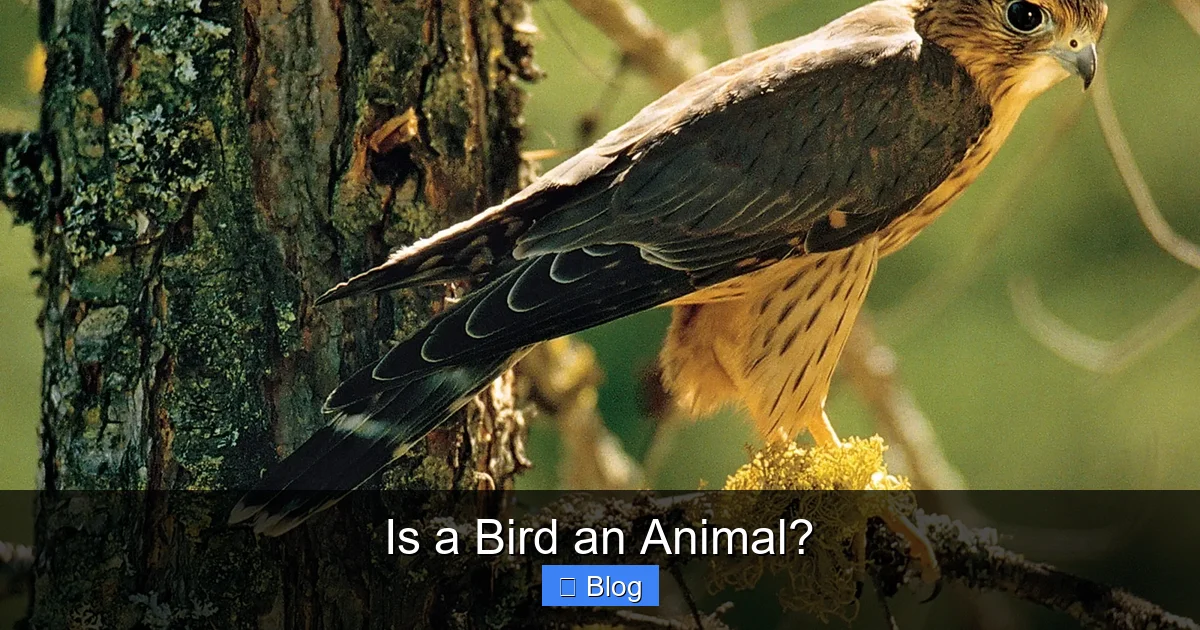
Visual guide about Is a Bird an Animal?
Image source: cdn.britannica.com
Now that we’re clear on what an animal is, let’s focus on birds. Birds belong to the Class Aves, and they possess a suite of truly remarkable adaptations that set them apart from other animals. However, none of these unique traits negate their animal status; rather, they define a specific group *within* the animal kingdom.
Feathers and Flight: Distinguishing Features
When you think of a bird, what’s the first thing that comes to mind? Probably feathers! Feathers are perhaps the most defining characteristic of birds, found on no other living animal. They are complex epidermal outgrowths made of keratin, serving multiple purposes: insulation, waterproofing, camouflage, and, most famously, enabling flight. While not all birds fly (think ostriches or penguins), all birds have feathers. This makes them incredibly distinct within the animal kingdom.
Warm-Blooded and High Metabolism
Birds are endothermic, meaning they are “warm-blooded.” They can regulate their own body temperature internally, allowing them to thrive in a wide range of environments, from the scorching desert to the icy poles. This requires a high metabolic rate, meaning they burn a lot of energy quickly. Their efficient respiratory and circulatory systems are perfectly adapted to support this energetic lifestyle, especially for flight.
Skeletal Adaptations for Flight
If you’ve ever held a bird’s skeleton (or seen one in a museum), you’d notice it’s incredibly light yet strong. Birds have hollow bones, often reinforced with struts, which reduce weight without sacrificing strength. Their sternum (breastbone) is often keeled, providing a large surface area for the attachment of powerful flight muscles. These adaptations are brilliant examples of evolution shaping an animal for a specific way of life.
Reproductive Strategies: Eggs and Parental Care
Birds are oviparous, meaning they reproduce by laying hard-shelled eggs. These eggs are incubated externally, and once hatched, most bird species exhibit significant parental care, feeding and protecting their young until they are ready to fledge. This is a common reproductive strategy among many animals, including reptiles, fish, and amphibians, further highlighting their shared ancestry within the animal kingdom.
Placing Birds in the Animal Kingdom: The Scientific Classification
To definitively answer “is a bird an animal?”, we turn to the science of taxonomy – the classification of life. This hierarchical system helps us organize the immense diversity of living organisms based on their shared evolutionary history and characteristics.
From Kingdom to Species: A Journey Through Taxonomy
The broadest category in biological classification is the Kingdom, and as we’ve established, birds belong to the Kingdom Animalia. Let’s trace their path down the taxonomic ladder:
- Kingdom: Animalia (Multicellular, heterotrophic, eukaryotic, no cell walls)
- Phylum: Chordata (Animals with a notochord at some stage of development, a dorsal hollow nerve cord, pharyngeal slits, and a post-anal tail. This includes fish, amphibians, reptiles, mammals, and birds.)
- Subphylum: Vertebrata (Chordates with a backbone or vertebral column. This is a huge group that includes all animals with internal skeletons made of bone or cartilage.)
- Class: Aves (This is where birds get their unique classification. Members of Aves are characterized by feathers, beaks, and wings, and lay hard-shelled eggs.)
- Order, Family, Genus, Species: These further subdivisions differentiate specific types of birds, like the Order Passeriformes (perching birds), Family Corvidae (crows, jays), Genus Corvus (true crows), and Species Corvus brachyrhynchos (American crow).
This clear lineage undeniably places birds within the Animalia kingdom. There’s no scientific debate here; a bird is an animal.
The Phylum Chordata and Subphylum Vertebrata
It’s important to note that birds are not just animals; they are specifically vertebrates. This means they possess a vertebral column, or backbone, made of individual bones called vertebrae, which protect their spinal cord. This places them in the same subphylum as fish, amphibians, reptiles, and mammals. All these groups, including birds, share a common ancestor that had these fundamental vertebrate characteristics. So, not only is a bird an animal, it’s a very specific kind of animal: a vertebrate.
Why the Confusion? Debunking Common Misconceptions
If the answer “is a bird an animal?” is so straightforward to scientists, why does the question even come up? Often, it stems from how we intuitively categorize the world around us.
Plants vs. Animals: A Clear Distinction
One common source of confusion might be simply distinguishing between plants and animals. Plants (Kingdom Plantae) are sessile (don’t move freely), produce their own food through photosynthesis, and have rigid cell walls. Birds, with their movement, consumption of other organisms, and lack of cell walls, are clearly not plants. This distinction is usually quite clear to most people.
Insects vs. Birds: Similarities and Differences
Another area of potential confusion could arise from comparing birds to insects. Both fly, both lay eggs, and both are relatively small. However, insects belong to the Phylum Arthropoda, while birds are in Phylum Chordata. Insects have exoskeletons, six legs, and a segmented body (head, thorax, abdomen). Birds have endoskeletons, two legs, two wings, and feathers. While both are animals, they are vastly different branches on the evolutionary tree. A fly is an animal, and a bird is an animal, but they are very different types of animals.
Mammals vs. Birds: Evolutionary Paths
Perhaps the most common reason for the “is a bird an animal?” question comes from implicit comparisons to mammals. In everyday language, when we say “animal,” we often think of mammals – dogs, cats, cows, or humans. Mammals (Class Mammalia) are characterized by hair or fur, mammary glands (producing milk for young), and usually live birth. Birds, with their feathers, eggs, and lack of mammary glands, are clearly not mammals. However, *not being a mammal* does not mean *not being an animal*. Both mammals and birds are highly evolved vertebrates that took different evolutionary paths from a common reptilian ancestor. They are both undeniably animals, just members of different classes within the vertebrate subphylum.
The Importance of Understanding Biological Classification
Understanding that a bird is an animal, and appreciating the principles behind biological classification, is more than just an academic exercise. It has profound implications for how we view and interact with the natural world.
Conservation and Biodiversity
Knowing where each species fits into the tree of life is crucial for conservation efforts. When we understand the relationships between different groups, we can better assess biodiversity, identify endangered species, and develop effective strategies to protect ecosystems. For instance, knowing that birds are animals allows us to group them with other animals that face similar threats, like habitat loss or climate change, enabling broader conservation initiatives.
Scientific Communication
A standardized system of classification allows scientists worldwide to communicate clearly and unambiguously about species. When a scientist refers to Class Aves, everyone in the biological community knows exactly what group of animals they are talking about. This precision is vital for research, education, and collaboration.
Appreciating Life’s Diversity
Ultimately, asking “is a bird an animal?” and then exploring the answer helps us appreciate the astonishing diversity of life on Earth. It reveals that nature doesn’t always fit neatly into our human-made categories, but that science provides a robust framework for understanding these relationships. It teaches us that “animal” is a much broader and more inclusive term than we might initially imagine, embracing the familiar and the wonderfully bizarre.
Conclusion
So, to put any lingering doubts to rest: yes, absolutely, a bird is an animal. It fulfills all the fundamental biological criteria that define membership in the Kingdom Animalia. Birds are multicellular, heterotrophic eukaryotes that move, reproduce, and possess specialized tissues. Their unique features – feathers, beaks, and wings – are incredible adaptations that make them a distinct and fascinating group, Class Aves, within the larger animal kingdom.
The question “is a bird an animal?” serves as a wonderful reminder that biology is a field of precision and wonder. It encourages us to look beyond superficial differences and delve into the shared evolutionary heritage that connects all living things. From the smallest hummingbird to the largest ostrich, every bird is a vibrant and essential part of the animal kingdom, contributing to the rich tapestry of life on our planet. Next time you see a bird, you’ll know you’re looking at a magnificent, feathered animal, perfectly adapted to its place in the world.
🎥 Related Video: forest human# bird# sound# call# shorts# video
📺 forest human
forest human# bird# sound# call# youtube# shorts# video। See how this extraordinary man calls a bird like a bird.
Frequently Asked Questions
What is the primary difference between plants and animals?
The primary difference lies in how they obtain food and their cellular structure. Plants are autotrophs, meaning they produce their own food through photosynthesis and have rigid cell walls. Animals are heterotrophs, consuming other organisms for energy, and their cells lack rigid cell walls.
Are insects considered animals?
Yes, insects are indeed animals. They belong to the Kingdom Animalia, Phylum Arthropoda. Like birds, fish, and mammals, insects are multicellular, heterotrophic, and capable of movement, fitting all the biological criteria for being an animal.
Do all animals move?
While most animals are capable of movement at some stage in their lives, some animals, like sponges or corals, are sessile (fixed in one place) as adults. However, even these typically have a motile larval stage that allows them to disperse.
Is “animal” a scientific term or just a common word?
“Animal” is both a common word and a precise scientific term. In biology, it refers specifically to all organisms belonging to the Kingdom Animalia, defined by a set of shared characteristics like multicellularity, heterotrophy, and eukaryotic cells.
If a bird lays eggs, does that mean it’s not an animal like mammals that give birth?
No, laying eggs does not exclude a bird from being an animal. Oviparous (egg-laying) reproduction is a common strategy across many animal groups, including reptiles, amphibians, fish, and insects, as well as birds. Mammals that give live birth represent just one reproductive strategy within the diverse animal kingdom.
What is the scientific name for the class of birds?
The scientific name for the class of birds is Aves. This classification places them within the Phylum Chordata and Subphylum Vertebrata, confirming their status as a distinct group of animals with a backbone.